
If you are reading this, you are likely looking for a way to make life a little safer: either for yourself or for someone you care about deeply. I’m Brian Kerr, and I’ve spent a lot of time thinking about how we can stay independent and confident as we age. When people think about fall prevention, they often imagine a massive, expensive home renovation or a complete lifestyle overhaul.
The truth is much simpler. Fall prevention isn’t about living in fear; it’s about creating an environment and a routine that supports your freedom. Most falls are preventable, and the best time to start is right now. You don't need to do everything at once. We’re going to focus on the high-impact steps you can take today to significantly lower the risk of a tumble.
Take a Breath: Why We Focus on Prevention
Falling isn't an inevitable part of aging. It’s often the result of a combination of factors: some in our environment and some within our bodies. By addressing these factors systematically, we can change the odds. When we talk about "prevention," what we’re really talking about is "preparedness."
The goal here is to give you a clear, manageable roadmap. We’ll start with the "quick wins" in your home, move to the essential conversations you need to have with your healthcare providers, and then look at how you can keep your body strong and responsive.
The 24-Hour Clean Sweep: Removing Immediate Hazards
The easiest place to start is your immediate surroundings. Statistics show that the majority of falls happen inside the home, often in familiar places like the hallway, the bedroom, or the bathroom.
Clear the Path
Walk through your home as if you were seeing it for the first time. Are there piles of books on the floor? Are there shoes kicked off near the entryway? A clear walkway is your first line of defense.
- Action Step: Dedicate 15 minutes to clearing every main walking path in the house. If it’s on the floor and it doesn’t belong there, move it to a shelf or a bin.
The "Throw Rug" Reality
I know they look nice and they keep your feet warm, but area rugs and throw rugs are one of the biggest tripping hazards in any home. Even rugs with "non-slip" backing can have corners that curl up over time.
- Action Step: For the next few weeks, consider removing throw rugs entirely. If you absolutely must have them, use heavy-duty double-sided rug tape or specialized grippers to ensure the edges are flush with the floor.
Cord Management
In our digital age, we have chargers and power strips everywhere. A stray lamp cord or a phone charger stretched across a walkway is a disaster waiting to happen.
- Action Step: Coil up excess cord length and use zip ties or Velcro straps to keep them tight against the wall. Whenever possible, tuck cords behind furniture.
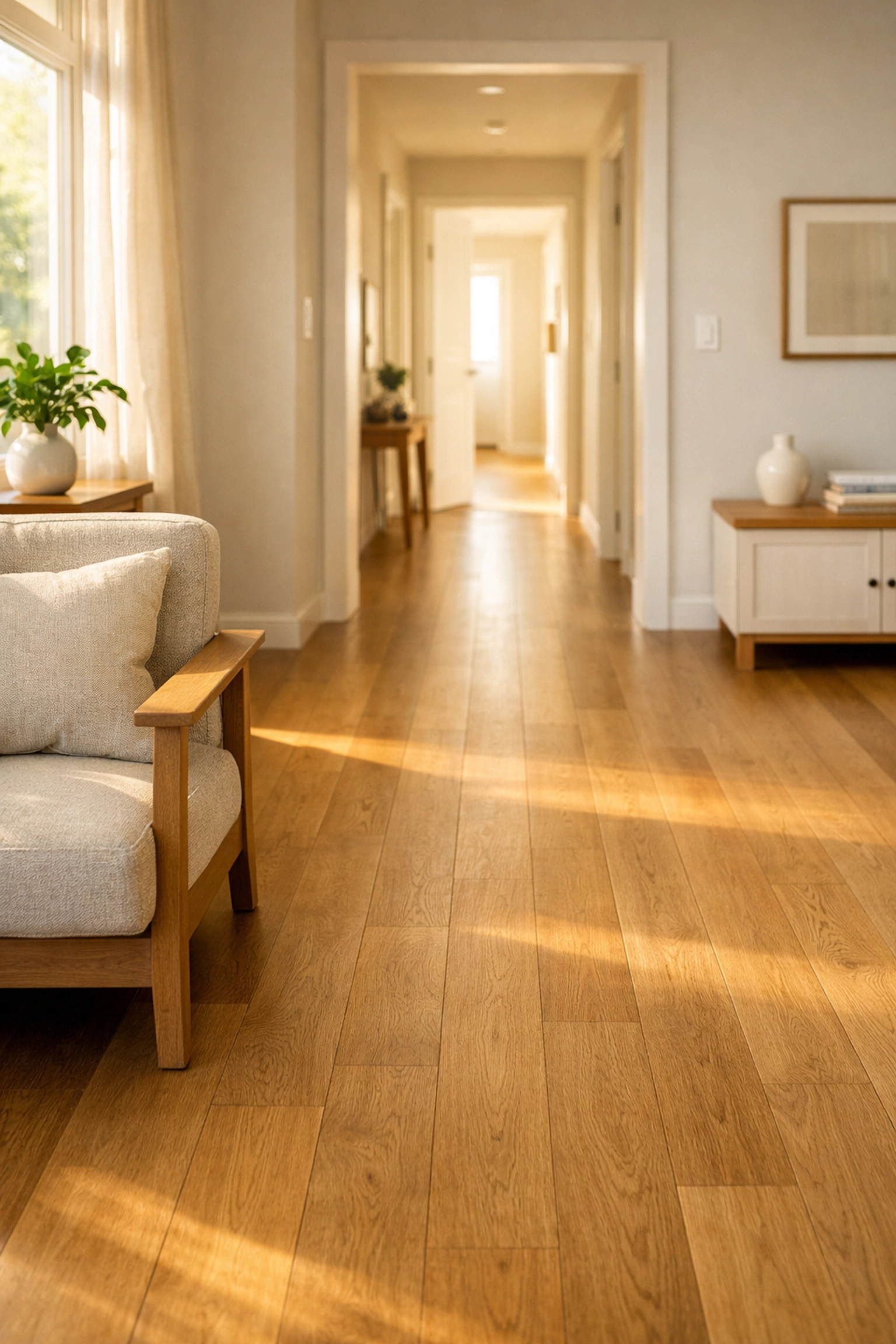
Let There Be Light
Vision changes as we get older, and our eyes often need more light to see clearly and more time to adjust when moving from a bright room to a dark one. Shadows can hide small obstacles or changes in floor height.
Strategic Nightlights
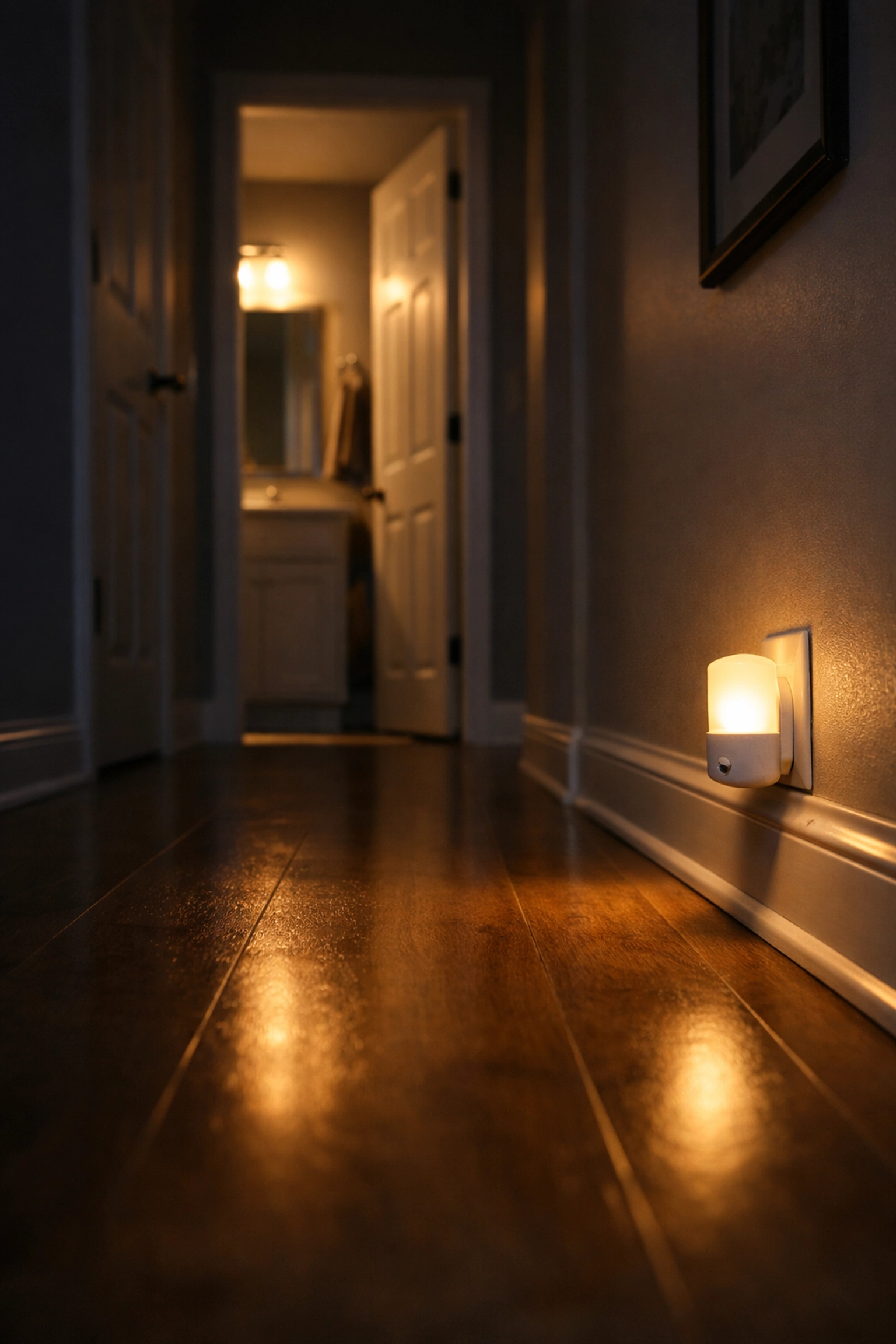
The trip to the bathroom in the middle of the night is a high-risk moment. If you are waking up groggy and walking into a pitch-black hallway, the risk of a fall skyrockets.
- Action Step: Install motion-activated nightlights in the bedroom, the hallway, and the bathroom. These are inexpensive and don't require you to fumble for a switch when you’re half-asleep.
Accessible Switches
Make sure you never have to walk through a dark room to reach a light switch.
- Action Step: Consider "glow-in-the-dark" switch covers or smart bulbs that you can control with your voice or a remote. If a switch is blocked by a chair or a door, move the furniture so the switch is the first thing you touch when you enter a room.
The Medical Review: Your Body’s Internal Safety
While the environment is important, your physical health plays a massive role in balance. This is where you need to partner with professionals.
The Medication Audit
Many common medications: including those for blood pressure, sleep, or even allergies: can cause dizziness, lightheadedness, or slowed reaction times. Taking multiple medications (polypharmacy) can also lead to unexpected interactions that affect your stability.
- Action Step: Gather all your prescriptions, over-the-counter meds, and supplements. Schedule a "brown bag" review with your doctor or pharmacist. Ask them specifically: "Do any of these increase my risk of falling?"
Vision and Hearing
Your balance depends heavily on input from your eyes and ears. If your prescription is outdated, or if you have an undiagnosed inner-ear issue, your brain isn't getting the correct information about where your body is in space.
- Action Step: Schedule an annual eye exam and a hearing test. If you wear bifocals or trifocals, talk to your optometrist about whether a separate pair of single-distance glasses might be safer for walking or navigating stairs.

Movement as a Safety Tool
It might seem counterintuitive, but one of the best ways to avoid falling is to keep moving. When we stop moving because we are afraid of falling, our muscles weaken, and our balance actually gets worse.
Lower Body Strength
Your legs are the pillars that support you. Exercises that focus on the calves, thighs, and hips are essential for maintaining the ability to recover if you do happen to stumble.
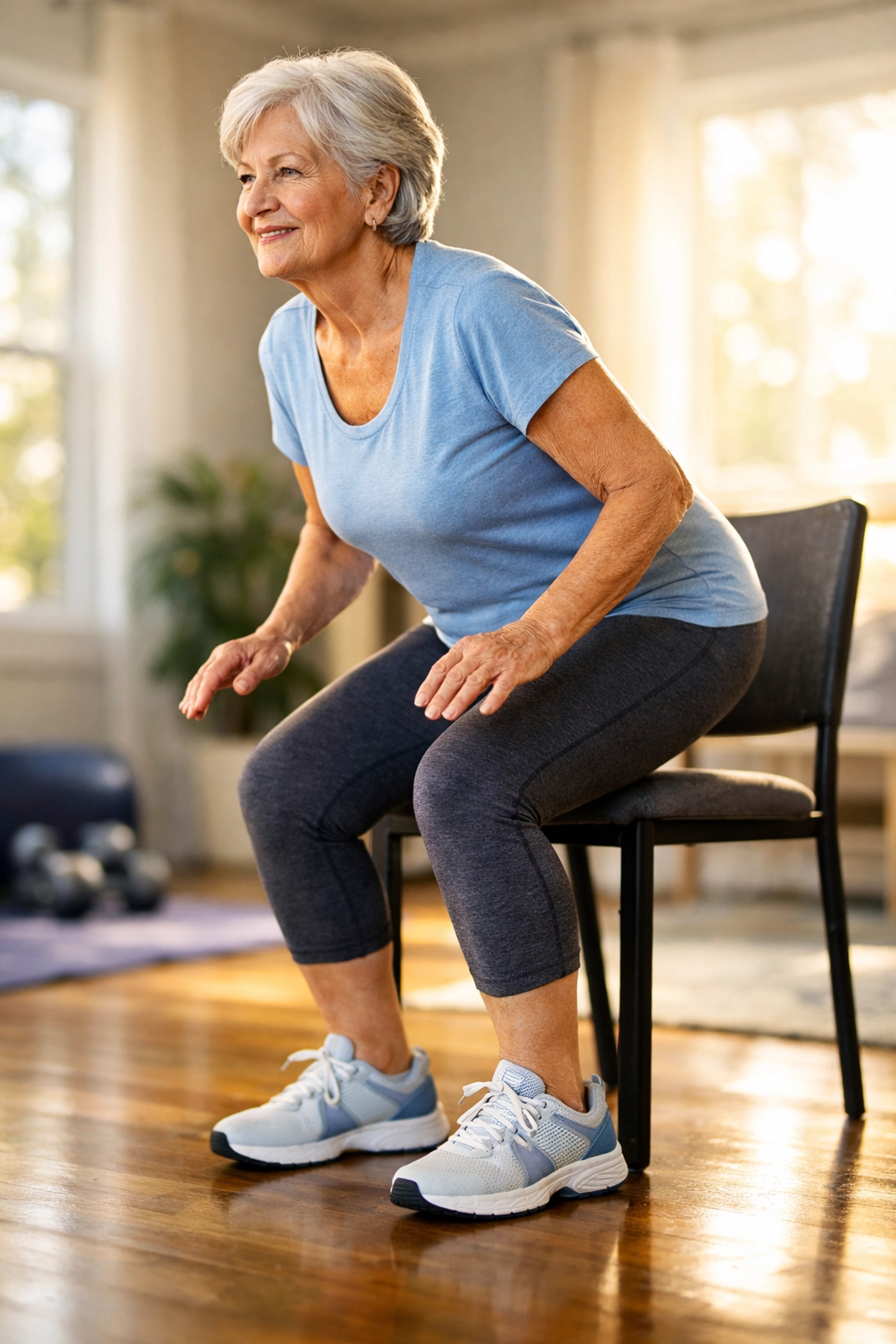
- Action Step: Practice "sit-to-stands." Find a sturdy chair, sit down, and stand back up without using your arms for support. Try to do ten of these twice a day. It’s a simple way to build functional strength.
Balance and Flexibility
Activities like Tai Chi or gentle yoga are fantastic for fall prevention because they teach your body how to shift weight smoothly and maintain a stable center of gravity.
- Action Step: Look for a local "Matter of Balance" class or a senior-focused yoga group. If you prefer to stay home, there are many reputable videos online specifically designed for senior balance.
Practical Tips for Daily Living
Sometimes it’s the small habits that make the biggest difference.
Footwear Matters
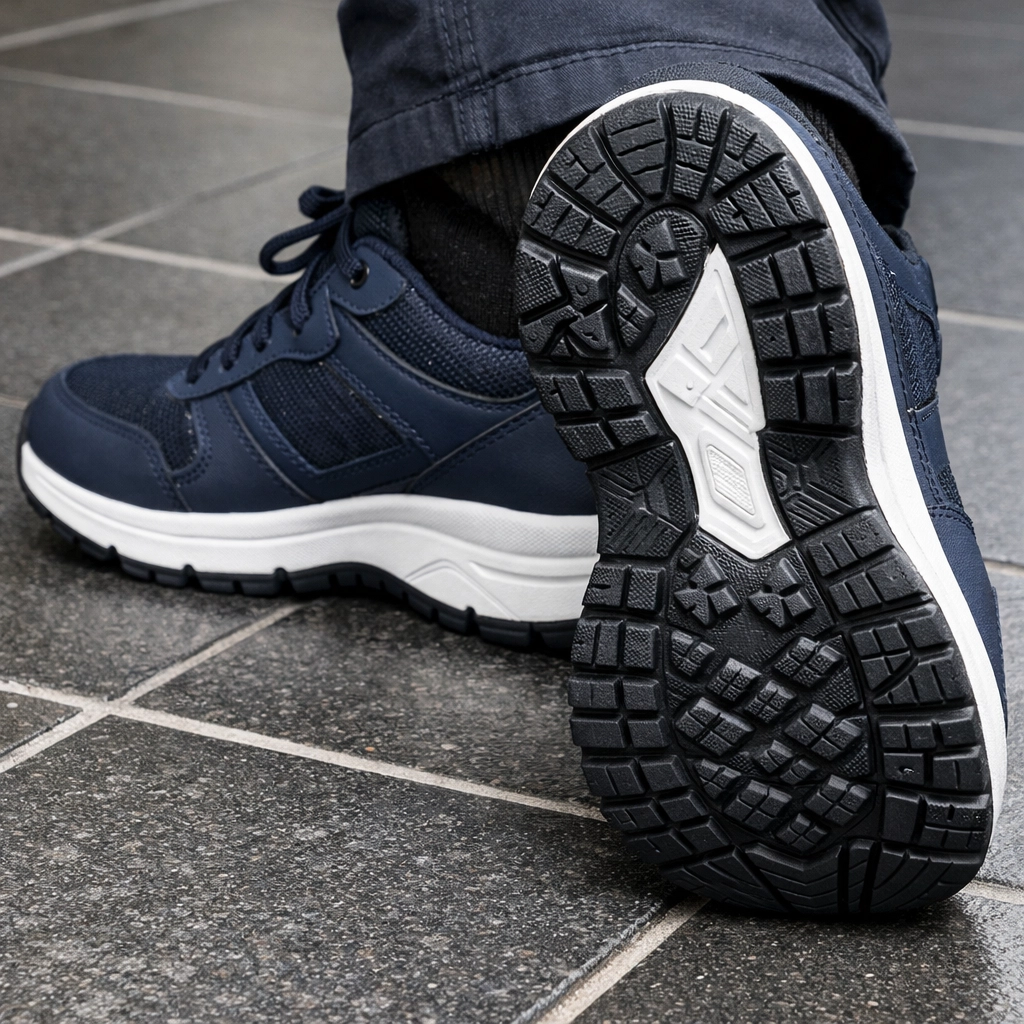
Walking around the house in socks or loose slippers is a recipe for a slip. On the other hand, heavy boots can be a tripping hazard if they catch on the floor.
- Action Step: Wear sturdy, well-fitting shoes with non-skid soles, even inside the house. Look for shoes with laces or Velcro that keep the foot securely in place. Avoid high heels or completely flat, unsupportive "flip-flop" style shoes.
Bathroom Safety Reimagined
The bathroom is often the most dangerous room because of slippery surfaces and the physical effort required to sit and stand.
- Action Step: Place non-slip mats both inside and outside the tub or shower. Ensure there is a stable place to sit if you get tired while grooming. Most importantly, avoid using towel racks or toilet paper holders as "grab bars": they aren't designed to hold human weight and can easily pull out of the wall.
The Role of Mobility Aids
There is often a stigma around using a cane, a walker, or a stability pole. I want to encourage you to reframe that. A mobility aid isn't a sign of weakness; it’s a tool for independence. It’s like wearing glasses to see better or using a map to find your way.
If you find yourself "furniture surfing": grabbing onto tables, walls, and chair backs as you move through the house: it’s time to consider a professional aid. These devices provide a consistent point of contact with the ground, giving your brain the extra feedback it needs to keep you upright.
Looking Forward: Creating a Culture of Safety
Fall prevention isn't a "one and done" task. It’s a shift in mindset. It’s about being proactive rather than reactive. By taking these steps: clearing the clutter, brightening the lights, talking to your doctor, and staying active: you are taking control of your safety.
Start with one thing today. Maybe it’s moving that one rug in the hallway or calling your doctor for a check-up. Then, pick one more thing tomorrow. Over time, these small changes add up to a significantly safer home and a much more confident you.
We’re all in this together, and at Fall Guys Products, we believe that everyone deserves to feel secure in their own home. You've got the tools and the knowledge; now, let's take that first step toward a safer, more stable future.

