
When a senior experiences a fall, the moments immediately following can be frightening and confusing. Whether you're the person who fell or a caregiver responding to someone else's fall, knowing exactly what to do can make a significant difference in both safety and recovery outcomes.
This guide walks you through the critical steps to take right after a fall happens, helping you respond calmly and effectively to protect health and wellbeing.
The First Moment: Don't Rush to Get Up
Your instinct after falling might be to jump up quickly, especially if you're embarrassed or worried. This is actually one of the most dangerous things you can do.
Take a breath and pause. Spend at least 30 seconds to a minute lying still and breathing deeply. This brief pause serves several important purposes:
- It allows your blood pressure to stabilize after the shock
- It gives you time to calm your nervous system
- It prevents a second fall caused by dizziness or disorientation
- It lets you properly assess whether you're injured
During these moments, try to relax your muscles and take slow, deep breaths. Count to ten if it helps you stay focused and calm.
Conducting a Mental Body Scan
Before you move anything, conduct a careful mental inventory of your entire body. Start at your head and work your way down to your toes.
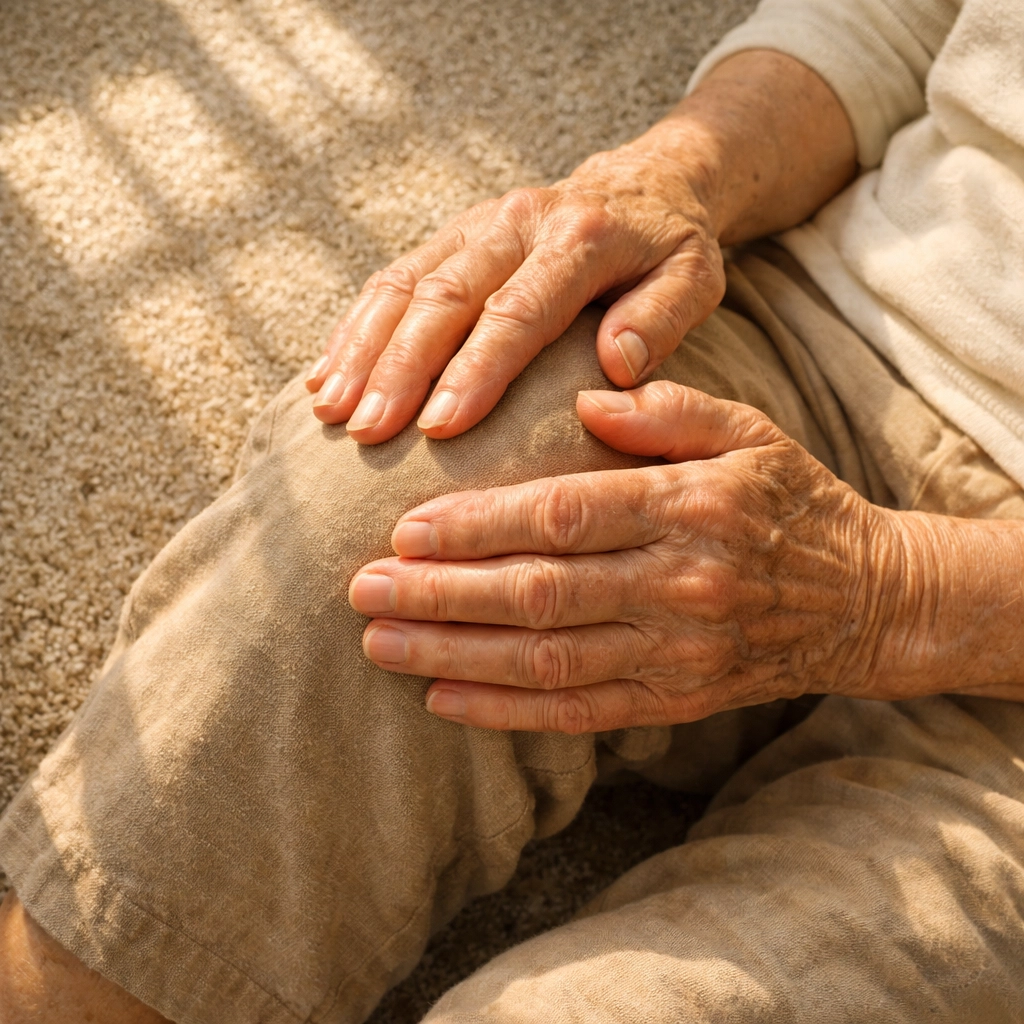
Ask yourself these specific questions:
- Do you feel sharp or severe pain anywhere?
- Can you move your fingers and toes?
- Does your hip, pelvis, or lower back hurt intensely?
- Can you turn your head comfortably?
- Are you experiencing any numbness or tingling?
- Do you notice any immediate swelling or visible deformity?
Watch particularly for hip fracture symptoms, which include:
- Severe pain in the hip or groin area
- Inability to put weight on the affected leg
- The injured leg appears shorter than the other
- The foot on the injured side turns outward
- Bruising and swelling around the hip
- Extreme difficulty or inability to move the leg
If you notice any of these red flags, do not attempt to get up. Stay where you are and call for help immediately.
When to Call for Emergency Help
Some situations require immediate medical attention. Call 911 or have someone else call if:
- You hit your head during the fall, especially if you're on blood thinners
- You suspect a broken bone or fracture
- You experience severe pain when trying to move
- You feel dizzy, confused, or disoriented
- You notice unusual bleeding
- You lost consciousness, even briefly
- Your neck or back hurts
- You're experiencing chest pain or difficulty breathing
There's no shame in calling for professional help. Emergency responders are trained to assist safely and can prevent further injury.
The Safe Way to Get Up After a Fall
If you've assessed yourself and believe you're not seriously injured, you can begin the process of getting up. Take this slowly and methodically.

Step 1: Roll to Your Side
Gently roll onto your side, choosing whichever side feels more comfortable and stronger. Rest in this position for a few moments. This position is easier on your body and prepares you for the next steps.
Step 2: Push Up to Hands and Knees
Using your arms for support, push yourself up into a crawling position on your hands and knees. If getting onto your knees is too difficult or painful, you have alternatives:
- Scoot on your buttocks toward furniture
- Roll yourself across the floor
- Use your elbows and forearms if your wrists are weak
There's no single "right" way. Use whatever method works for your body and current condition.
Step 3: Crawl or Move Toward Sturdy Furniture
Look around for the nearest sturdy piece of furniture. Good options include:
- A heavy chair with arms
- A couch or sofa
- A coffee table
- A bed frame
- A staircase
Avoid furniture with wheels, lightweight items, or anything that might tip over. Slowly crawl or scoot your way toward this support.
Step 4: Use Your Stronger Leg First
Once you reach the furniture, place both hands firmly on it. Bring your stronger leg forward, placing your foot flat on the floor in a half-kneeling or lunge position. Your other knee should still be on the ground.
This position gives you a stable base to push from.
Step 5: Push Yourself Up to Standing
Keeping your hands on the furniture, push through your front leg and rise slowly to a standing position. Use your arms on the furniture to help support your weight.
If you can't make it all the way to standing, that's okay. Turn around and sit on the chair or furniture instead. Sitting is perfectly fine.

What to Do If You Can't Get Up
Sometimes, despite your best efforts, you simply cannot get yourself up from the floor. This is not a failure: it's important information about your current physical state.
If you're unable to rise:
Get into the most comfortable position possible. Try to move yourself onto a rug or carpet if you're on a hard floor. Pull a cushion, pillow, or blanket toward you if anything is within reach.
Stay warm. Lying on the floor for an extended period can cause your body temperature to drop. Cover yourself with anything available or try to move toward a warmer area of the room.
Call for help. This is exactly why it's crucial to keep a phone within reach at all times. Call a family member, neighbor, or 911. If you have a medical alert system, press the button.
Stay calm and preserve your energy. Move around periodically to prevent stiffness, but don't exhaust yourself with repeated failed attempts to stand.
The Critical First Hour After Getting Up
Once you're safely seated or standing, you're not quite done yet.
Sit for at least five to ten minutes before attempting to walk. Your blood pressure needs time to adjust, and you may feel shaky or weak. Rushing this part increases your risk of falling again.
While sitting, do a second assessment:
- How do you feel now compared to immediately after the fall?
- Are any new pains or aches appearing?
- Do you feel dizzy or lightheaded?
- Can you bear weight on both legs equally?
Drink some water if possible. Dehydration can contribute to dizziness and weakness.
Don't try to do too much immediately. Even if you feel fine, your body has been through a shock. Plan to take it easy for the rest of the day.
Monitoring for Delayed Symptoms
Some injuries don't show up immediately. Be aware that symptoms can develop hours or even days after a fall.
Watch for these delayed warning signs over the next 48 hours:
- Increasing pain or stiffness
- New bruising appearing
- Swelling in joints
- Decreased range of motion
- Persistent headaches
- Changes in mental clarity or memory
- Difficulty sleeping due to discomfort
- Unusual fatigue
Keep a written log if you notice any changes. This information is valuable for your healthcare provider.
When to Follow Up With Your Doctor
Report every fall to your doctor, even if you feel completely fine. This is not being overly cautious: falls can indicate underlying health issues that need attention.
Your doctor needs to know about falls because they might signal:
- Medication side effects or interactions
- Balance disorders
- Vision problems
- Blood pressure irregularities
- Neurological changes
- Muscle weakness
- Bone density issues
Schedule an appointment within a few days of the fall, or sooner if you notice any concerning symptoms. Bring your list of any symptoms you've been tracking.
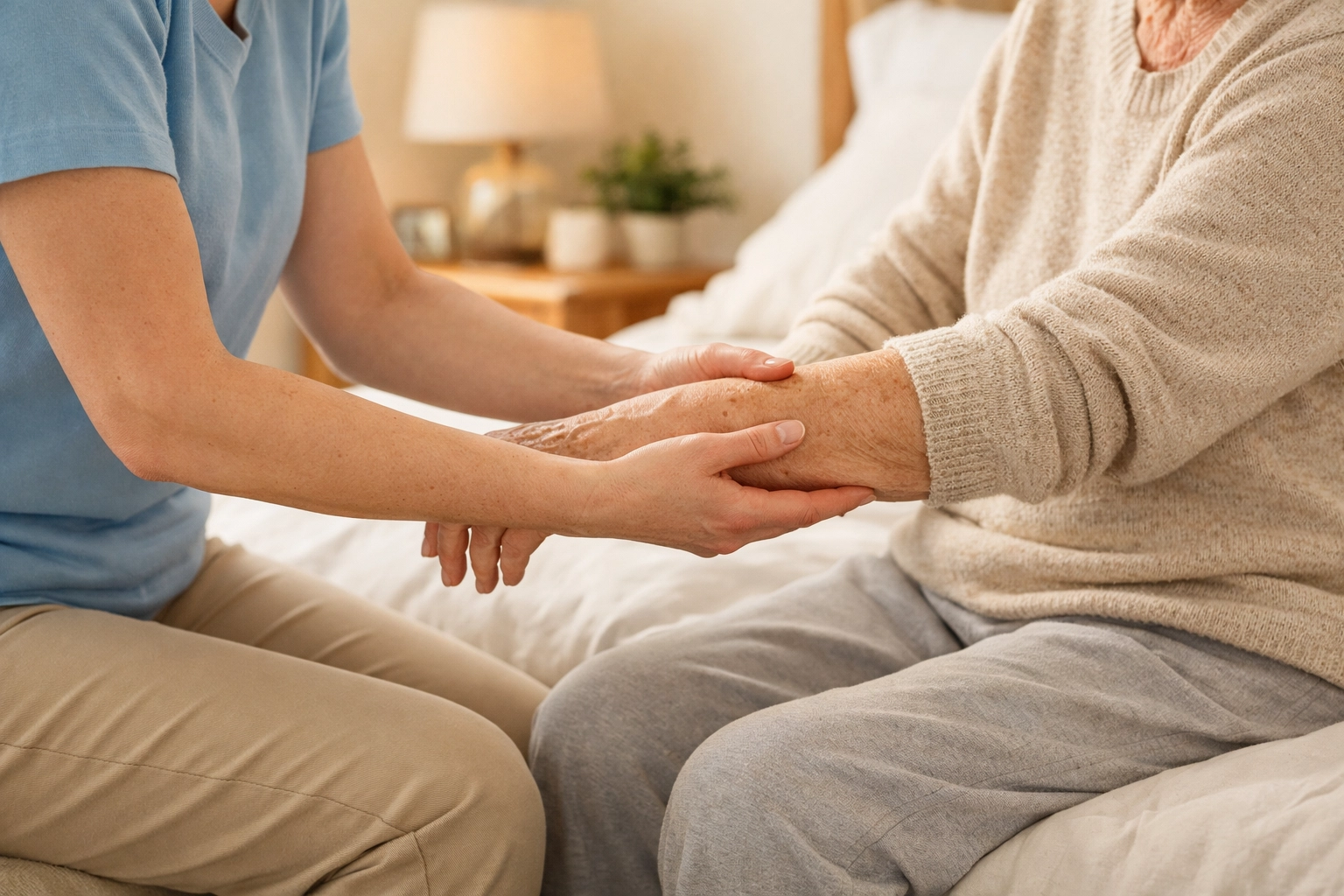
For Caregivers: How to Respond to Someone Else's Fall
If you're caring for someone who has fallen, your response is just as important as what the person does themselves.
First, assess the scene. Is it safe for you to approach? Are there hazards that caused the fall?
Don't immediately try to lift them. Attempting to lift someone who cannot support their own weight puts both of you at risk for injury. Instead:
- Call for additional help if needed
- Follow the same assessment steps outlined above
- Encourage them to try getting up using the method described
- Assist by providing stability but not by lifting their full weight
- If they cannot get up safely, call emergency services
Stay calm and reassuring. Your emotional state affects the person who fell. Speak in a steady, calm voice and avoid making them feel embarrassed or rushed.
Creating a Fall Response Plan
Don't wait until after a fall to think about how you'll respond. Creating a plan now makes the situation less frightening if it happens.
Your plan should include:
- Emergency contact numbers posted in visible locations
- A charged phone kept within reach at all times
- Identification of sturdy furniture in each room
- A medical alert system or smartwatch with fall detection
- A list of current medications and medical conditions
- Names and numbers of nearby neighbors who could help
Share this plan with family members and anyone who visits regularly.
Moving Forward After a Fall
Experiencing a fall can shake your confidence, but it doesn't have to define your future mobility. The steps you take immediately after a fall set the stage for proper recovery and can help you identify any underlying issues that need attention.
Remember that falls are common but not inevitable. With proper assessment, medical follow-up, and environmental adjustments, you can recover fully and reduce your risk of future incidents.
Take each fall seriously, but don't let fear of falling control your life. Use this experience as information to help you and your healthcare team create a safer, more confident path forward.

