
Falls happen. Even with the best prevention strategies in place, many seniors experience at least one fall. What matters most is what you do next. Recovery isn't just about healing physically: it's about rebuilding strength, confidence, and independence. This guide walks you through every phase of post-fall recovery, from the moments immediately after the fall to long-term strategies that help you bounce back stronger.
The First Few Minutes: Immediate Actions After a Fall
The moments right after a fall can feel disorienting and scary. Your first instinct might be to jump up quickly, but taking a few measured steps can prevent further injury.
Stay calm and assess your situation. Before moving, take several deep breaths and mentally scan your body. Do you feel sharp pain anywhere? Can you move your arms and legs? Are you bleeding or experiencing dizziness?
Don't rush to get up. Rest for a few minutes while you collect yourself. This pause gives you time to determine if you're seriously injured and prevents you from making things worse by moving too quickly.
Call for help if needed. If you're in pain, can't move, or feel uncertain about your condition, call for assistance. This could mean using a cell phone, pressing a medical alert button, or calling out to someone in your home. There's no shame in asking for help: it's the smart thing to do.
If you suspect a serious injury like a broken bone, head trauma, or severe pain, don't attempt to get up on your own. Wait for medical professionals to arrive.

How to Safely Get Up From the Floor
If you've assessed yourself and feel confident you can get up safely, follow this step-by-step method. This technique is designed to be gentle on your body and minimize the risk of re-injury.
Step 1: Roll to your side. From a face-up position, slowly roll onto your side. Extend one arm out to support your body weight.
Step 2: Push into a sitting position. Use your other arm to push yourself into a side-sitting position, with both legs pointing to the same side and knees bent.
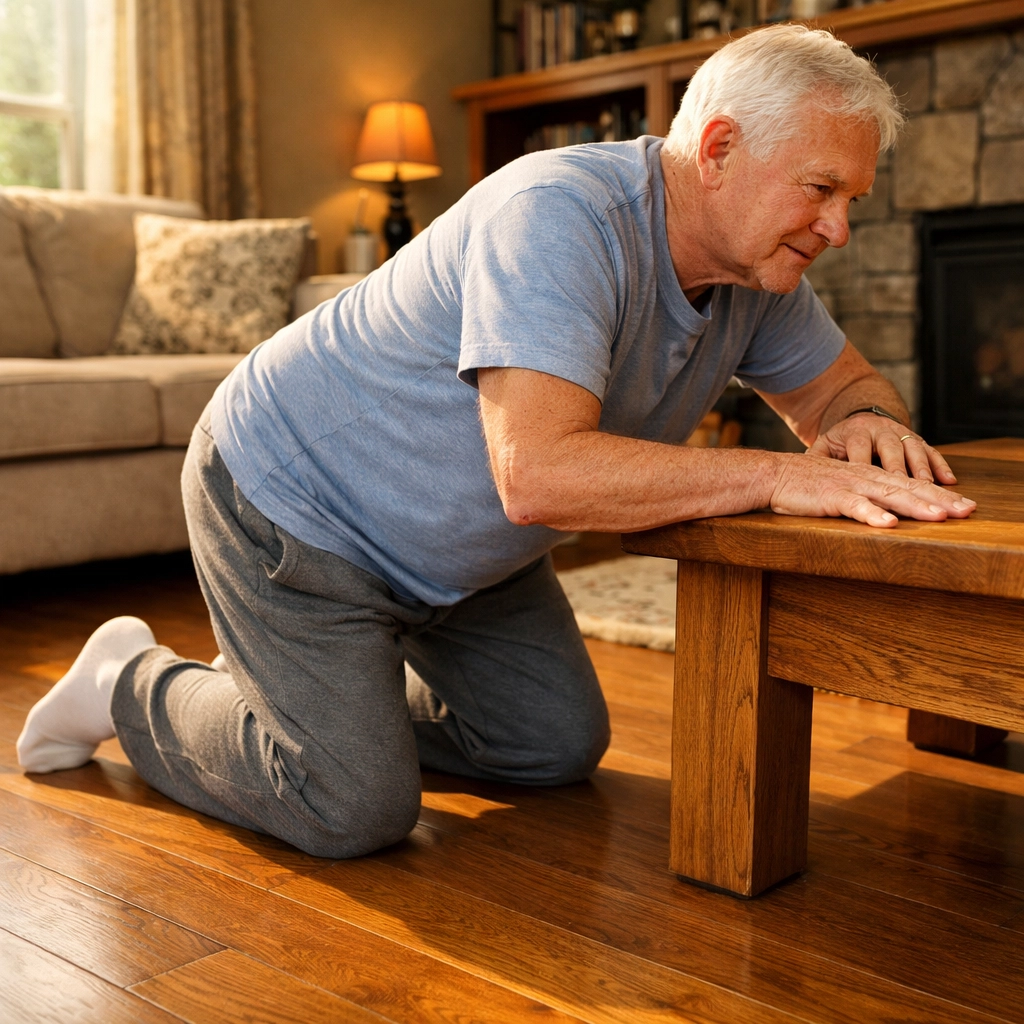
Step 3: Move to hands and knees. Carefully shift your weight onto your hands and knees. If you're not near a sturdy piece of furniture, crawl slowly toward a wall, chair, or couch that can support your weight.
Step 4: Position yourself for support. Once you reach a stable surface, place your hands on it and use it to help push yourself up onto your knees only. Your hands should no longer be on the ground.
Step 5: Move to half-kneeling. Bring one foot forward so it's flat on the ground while keeping the other knee down. This is called a half-kneeling position. Keep holding onto the sturdy surface for balance.
Step 6: Stand up. Push through your front foot and use the furniture for support as you rise to standing. Take your time with this step. If you feel too weak to stand, move to a seated position on the furniture first, rest, and then stand when you're ready.
Step 7: Rest and reassess. Once standing, sit down in a chair and rest for several minutes. Check yourself again for any injuries or pain you might have missed while lying down. If anything feels wrong, seek medical attention.
When to Seek Medical Attention
Not every fall requires a trip to the emergency room, but some situations definitely do. Seek medical care immediately if you experience:
- Severe pain, especially in your hip, back, or head
- Inability to move a limb or put weight on a leg
- Visible deformity or swelling
- Heavy bleeding
- Loss of consciousness, even briefly
- Confusion or memory problems
- Persistent dizziness or nausea
- Numbness or tingling
- Changes in vision
Even if you feel fine after a fall, consider scheduling an appointment with your doctor within a few days. Some injuries, like minor fractures or internal bruising, don't show symptoms right away. Your doctor can also help identify what caused the fall and develop a prevention plan.
Physical Therapy: The Foundation of Fall Recovery
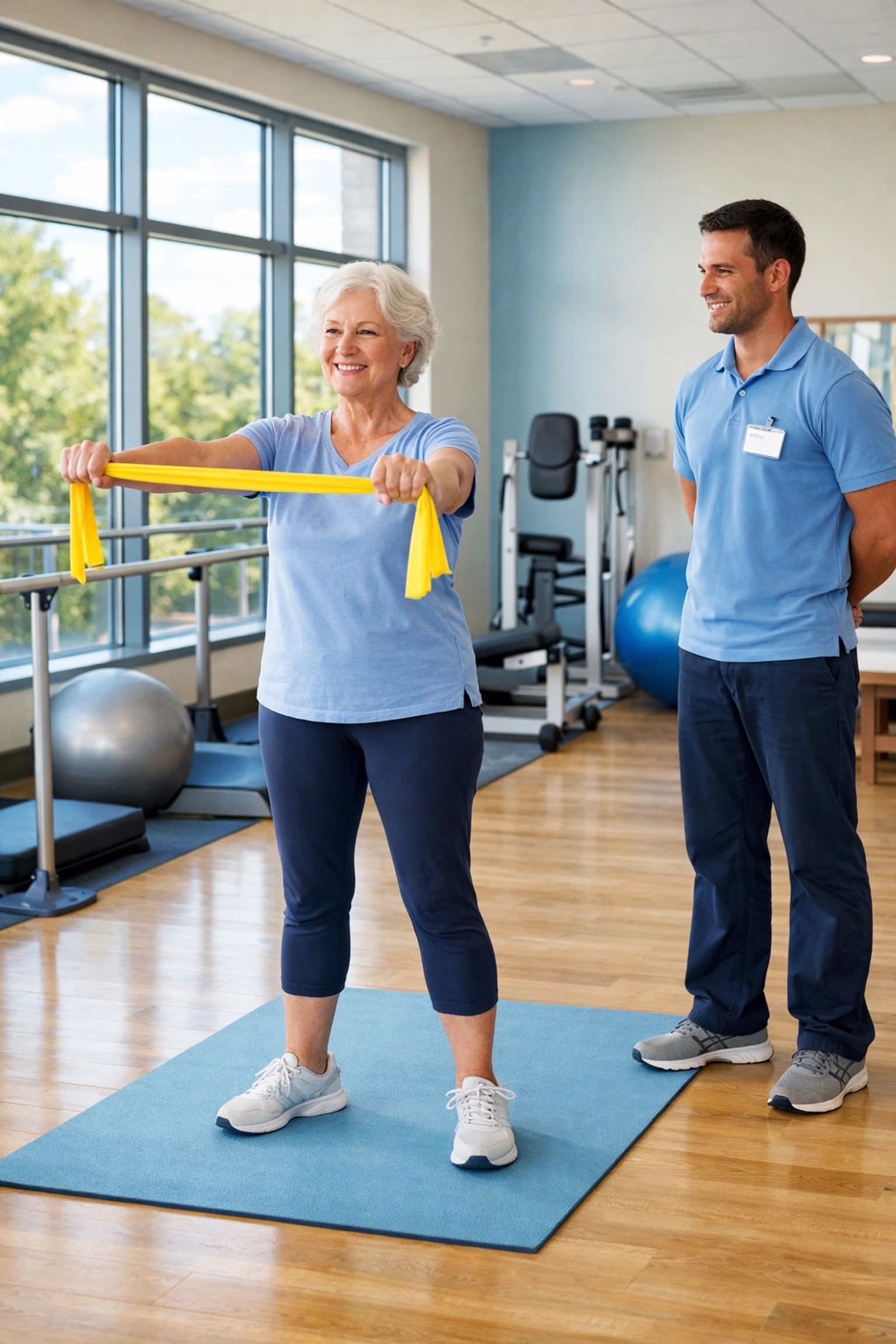
Physical therapy is one of the most important parts of recovery after a fall. A fall often disrupts more than just your body: it disrupts your confidence, your movement patterns, and your sense of stability. Physical therapy addresses all of these issues systematically.
Balance and stability training helps retrain your body to react quickly when you lose your footing. Through targeted exercises, you'll improve coordination and learn how your body naturally corrects itself when off-balance.
Strength training focuses on building muscle in your legs, hips, and core. These are the muscle groups that keep you steady when walking, climbing stairs, or standing up from a chair. Stronger muscles mean better stability and less fall risk.
Flexibility and mobility work addresses stiffness that develops after a fall. Whether from the injury itself or from reduced activity during recovery, tight muscles and joints can throw off your natural movement patterns. Gentle stretching and range-of-motion exercises restore fluidity to how you move.
Gait and posture training corrects walking habits that might have contributed to your fall or developed afterward. Your physical therapist will observe how you walk and make adjustments to improve your stability and reduce strain.
Functional training prepares you for real-life situations. This might include practicing walking on different surfaces, stepping over obstacles, navigating curbs, or getting up from the floor. The goal is to rebuild confidence in everyday activities.
The Centers for Disease Control and Prevention recommends doing strength and balance exercises at least three times per week to significantly reduce fall risk. Work with your physical therapist to develop a routine that fits your needs and schedule.
Making Your Home Safer
While you're recovering, take time to evaluate your home environment. Many falls happen because of hazards that are easy to overlook until they cause a problem.
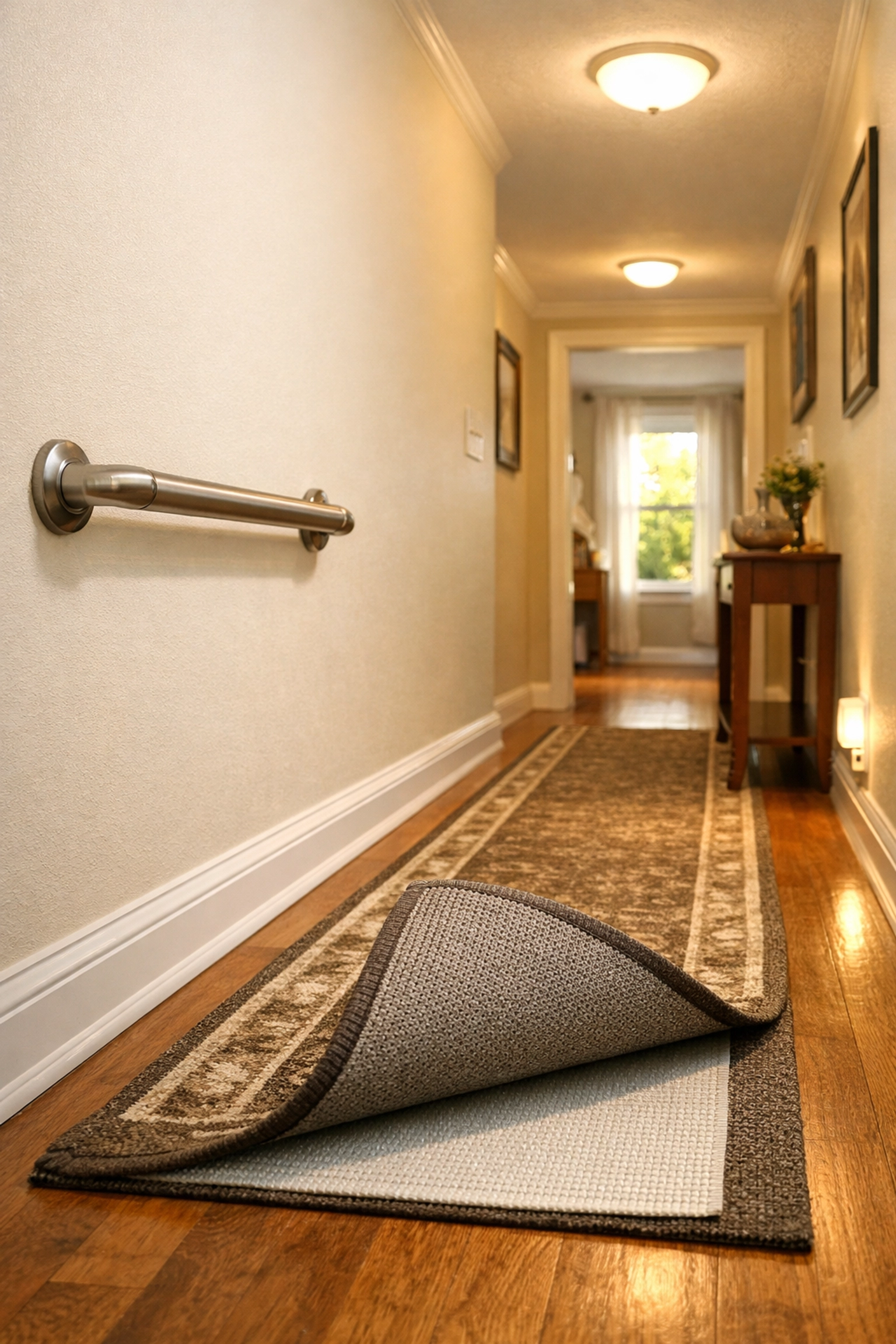
Remove tripping hazards throughout your home. This includes loose rugs, electrical cords, clutter, and items left on stairs. Walk through each room with a critical eye and imagine walking through it at night or when you're tired.
Improve lighting. Install brighter bulbs in dim areas, add nightlights in hallways and bathrooms, and make sure light switches are easy to reach from room entrances. Good lighting helps you spot potential hazards before you trip over them.
Install grab bars in key locations. Bathrooms are high-risk areas for falls because of slippery surfaces. Grab bars near the toilet and inside the shower or tub provide critical support. Consider adding support rails in other areas too, like hallways or next to your bed.
Secure rugs and carpets. Use double-sided tape or non-slip pads under any rugs to keep them from sliding. Better yet, consider removing throw rugs altogether.
Organize your storage. Keep frequently used items at waist level so you don't need to reach high or bend low. Use a reacher tool for items on high shelves rather than climbing on a stool.
Evaluate your footwear. Wear supportive shoes with non-slip soles, good arch support, and a secure fit. Avoid walking in socks, slippers without backs, or shoes with smooth soles.
Building a Recovery Support System
Recovery goes more smoothly when you have support. This doesn't mean you're dependent: it means you're being smart about healing.
Follow your care plan consistently. Take any prescribed medications as directed and attend all physical therapy appointments. Skipping sessions or stopping exercises early can slow your progress and increase the risk of another fall.
Schedule regular checkups. Meet with your primary care doctor to monitor your overall health. If you have specialists for conditions like heart disease, diabetes, or osteoporosis, keep up with those appointments too. Schedule an eye exam to ensure vision problems aren't contributing to fall risk.
Ask for help with daily tasks. During the initial recovery period, don't hesitate to ask family members, friends, or professional caregivers for assistance with activities like grocery shopping, meal preparation, or housework. Trying to do too much too soon can lead to exhaustion and increase fall risk.
Consider a medical alert system. Wearable devices that detect falls automatically and alert emergency contacts provide peace of mind, especially if you live alone. Knowing help is available at the push of a button can reduce anxiety about falling again.
Join a support group. Many communities offer support groups for seniors who have experienced falls. Sharing experiences and strategies with others who understand what you're going through can be incredibly valuable.
Rebuilding Confidence After a Fall
The physical recovery is only part of the story. Many seniors develop a fear of falling again, which can lead to reduced activity. This creates a dangerous cycle: less activity means weaker muscles and worse balance, which increases fall risk even more.
Acknowledge your fear. It's completely normal to feel anxious after a fall. Don't dismiss these feelings or try to power through them without addressing the underlying concerns.
Start small and celebrate progress. Begin with exercises and activities that feel manageable, and gradually increase difficulty as your strength and confidence improve. Every small victory matters.
Stay active. While it's tempting to avoid activities that feel risky, appropriate movement is essential for recovery. Work with your healthcare team to identify safe ways to stay active during recovery.
Practice positive self-talk. Replace thoughts like "I'm going to fall again" with "I'm getting stronger every day" or "I know how to move safely." Your mindset affects your physical confidence.
Be patient with yourself. Recovery takes time, and everyone's timeline is different. Some days will feel better than others, and that's okay.
Creating Your Long-Term Prevention Plan
Once you've recovered from your fall, shift your focus to prevention. Your healthcare team can help you develop a comprehensive plan that addresses your specific risk factors.
This might include continuing exercises at home, adjusting medications that affect balance, managing chronic conditions more effectively, updating your eyeglass prescription, or making additional home modifications.
Remember that preventing falls isn't about wrapping yourself in bubble wrap or avoiding all risk. It's about being proactive, making smart choices, and maintaining the strength and skills you need to live independently.
Recovery from a fall isn't just possible: it's probable when you take the right steps. By following this guide, working closely with your healthcare team, and making thoughtful modifications to your environment and routines, you can bounce back stronger and reduce your risk of future falls. Your independence is worth protecting, and recovery is the first step toward reclaiming it.

