
Falls happen. Even with the best prevention measures in place, losing your balance or tripping can occur when you least expect it. What matters most is knowing exactly what to do in those crucial moments afterward. This guide walks you through the immediate steps to take after a fall, how to get up safely, and what recovery looks like.
The First Moments: Stay Calm and Assess
The immediate seconds after a fall can feel disorienting. Your heart races, adrenaline kicks in, and the instinct is often to jump right back up. But here's the thing: taking a moment to pause is actually the smartest move you can make.
Take several deep breaths. Let your body recover from the shock. Stay still on the floor for at least a minute or two. This isn't wasted time; it's giving your blood pressure a chance to stabilize and allowing you to think clearly about what just happened.
While you're lying there, do a quick mental scan of your surroundings. What caused you to fall? Is there a hazard nearby that could cause another fall if you're not careful? If you can safely address it from where you are, do so. If not, make a mental note to deal with it once you're up.

Checking Yourself for Injuries
Before you even think about moving, you need to assess whether you've been seriously hurt. This step is absolutely critical, and it's worth taking your time with it.
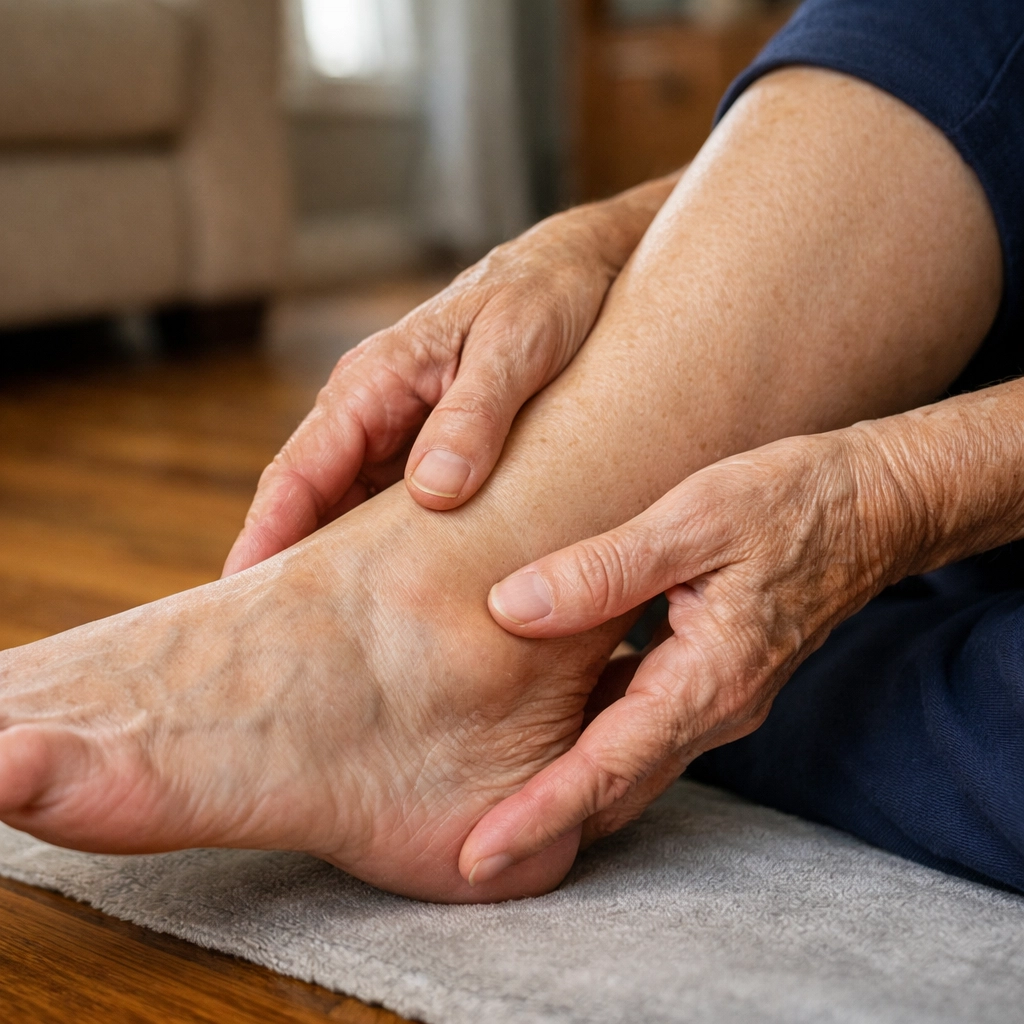
Start with the basics: Are you conscious and alert? Can you breathe normally? Does anything feel broken or severely painful? Move your fingers and toes gently. Rotate your ankles and wrists slightly. These small movements can give you important information about your condition.
Pay special attention to your head, neck, and spine. Did you hit your head during the fall? Do you feel any pain or tingling in your neck or back? Are you experiencing dizziness, confusion, or vision changes? These could indicate serious injuries that require immediate medical attention.
Call 911 immediately if you experience:
- Severe pain anywhere in your body
- Inability to move a limb
- Visible deformity or swelling
- Loss of consciousness, even briefly
- Head injury with bleeding or confusion
- Neck or back pain
- Numbness or tingling in your extremities
- Chest pain or difficulty breathing
If any of these symptoms are present, do not attempt to move. Stay as still as possible and wait for emergency services to arrive.
Getting Up Safely When You're Able
If you've assessed yourself and feel confident you can get up without assistance, follow this method. It's designed to minimize strain on your body and reduce the risk of falling again.
Step 1: Roll to Your Side
From your back, slowly roll onto your side. Choose the side that feels strongest and least painful. This position is much safer for your back than trying to sit straight up from a lying position.
Step 2: Rest and Adjust
Take another moment here. Let your body adjust to the position change. If you feel dizzy or lightheaded, wait until it passes.
Step 3: Push Up to Hands and Knees
Using your arms for support, push yourself up onto your hands and knees. This crawling position gives you a stable base and puts you in the best position to stand safely.
Step 4: Crawl to Sturdy Furniture
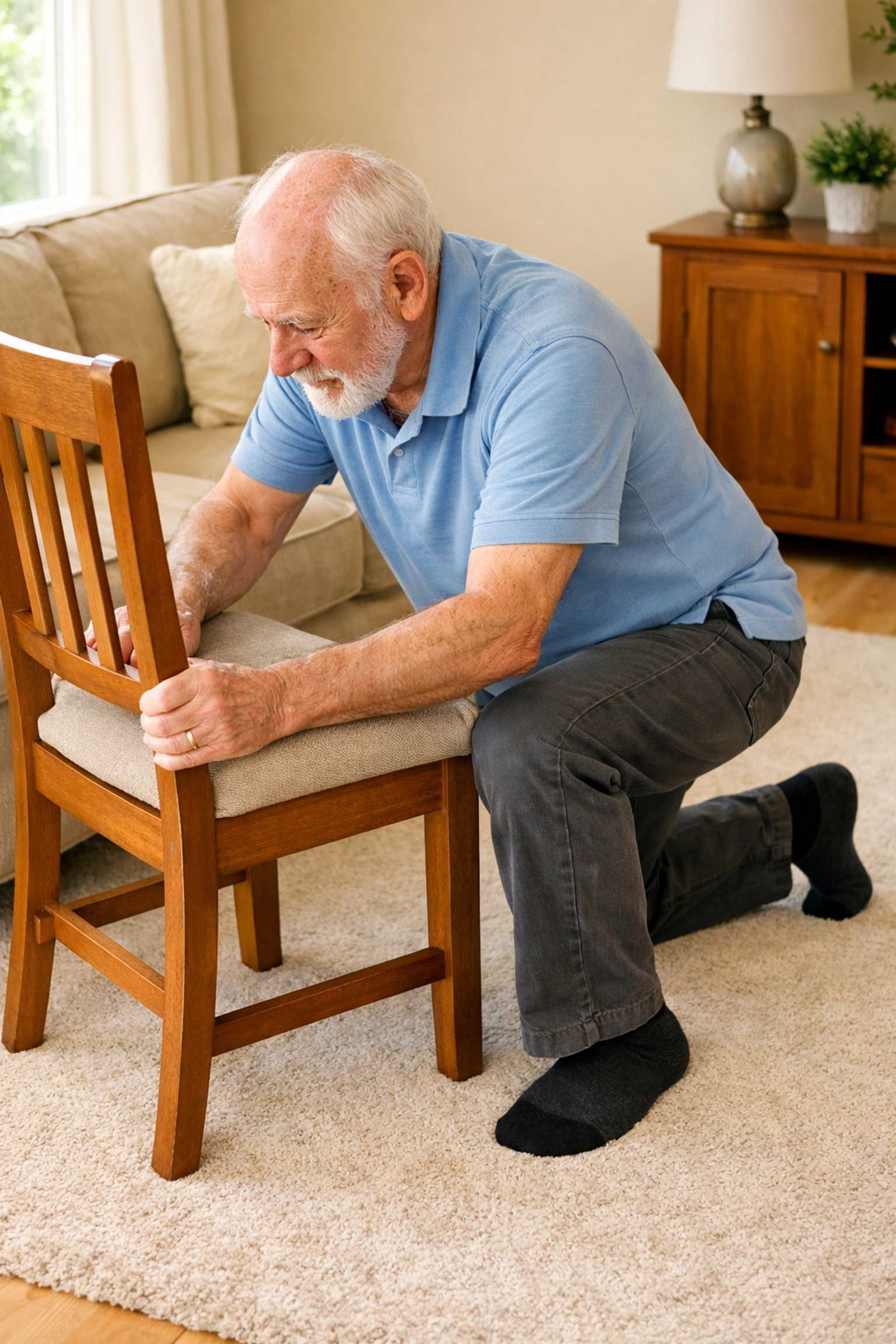
Look around for a solid piece of furniture: a heavy chair, couch, or bed frame. Avoid wheeled furniture, lightweight chairs, or anything that could slide or tip over. Crawl slowly to this support.
Step 5: Move to a Kneeling Position
Place both hands firmly on the furniture. Bring one foot forward so it's flat on the ground, while keeping the other knee on the floor. You're now in a half-kneeling position, which is the launching point for standing.
Step 6: Stand Slowly
Push down through your front foot and use your arms for support on the furniture. Rise slowly and steadily. Don't rush this step. Once you're upright, keep both hands on the furniture for stability.
Step 7: Sit and Rest
Immediately sit down on a stable chair. Stay seated for at least five to ten minutes. Check in with your body again. Any pain? Dizziness? Shortness of breath? This rest period is essential for preventing another fall.
When You Cannot Get Up Alone
Sometimes, despite your best assessment, you realize you can't safely stand on your own. This is not a failure: it's smart judgment. Forcing yourself to stand when you're unable could lead to another fall and more serious injuries.
If you find yourself in this situation, stay calm. Getting upset will only make things worse. Here's what to do:
Call for help using whatever means you have available. If you have a phone or medical alert device within reach, use it. If not, call out loudly for neighbors or family members who might hear you.
While waiting for help to arrive, focus on keeping yourself as comfortable and warm as possible. If you can reach a pillow, blanket, or even a jacket, use it. Lying on a cold floor for extended periods can lead to hypothermia, even indoors.
Try to stay in one position rather than repeatedly attempting to stand. Each failed attempt uses energy you'll need later and increases your risk of additional injury.
How Caregivers Should Respond
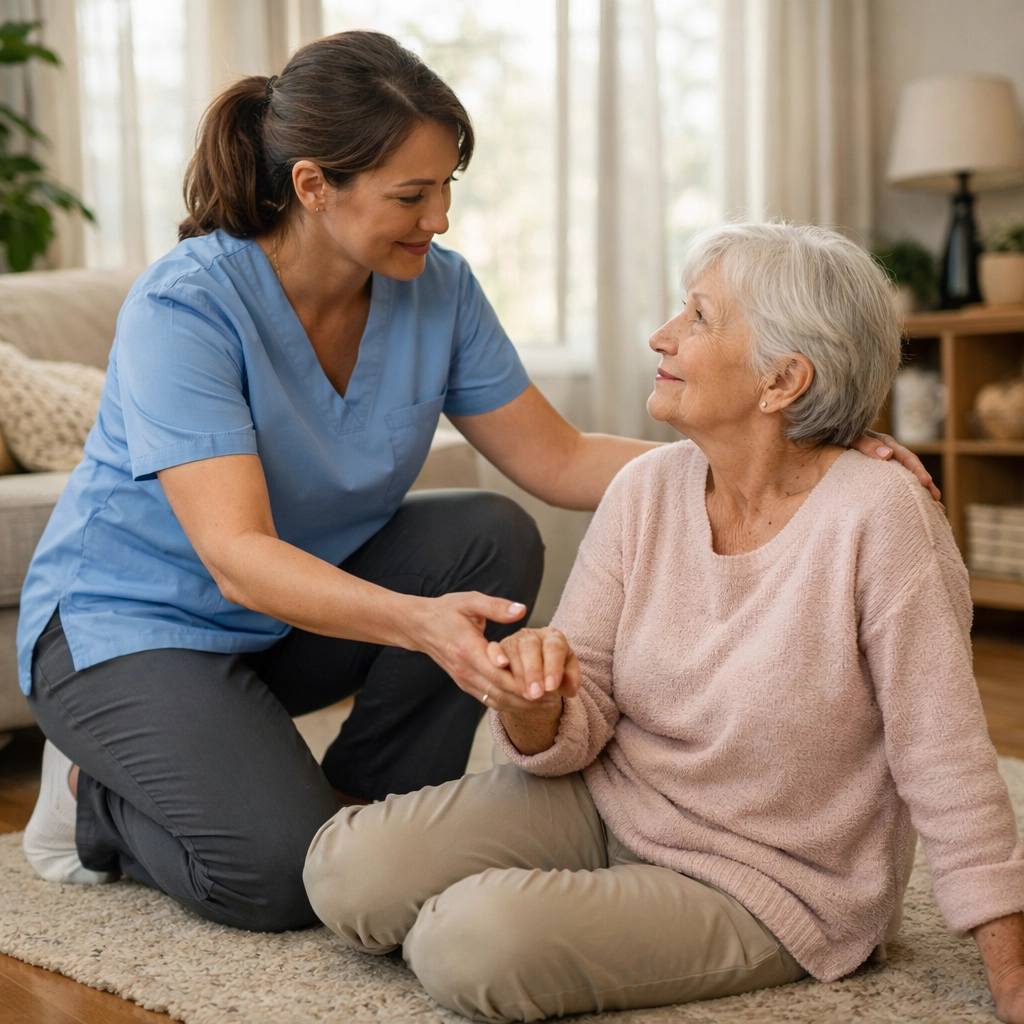
If you're a caregiver who discovers someone after a fall, your approach matters tremendously. How you respond can affect both the physical outcome and the emotional impact of the incident.
First, stay calm yourself. Your composure will help the person on the floor feel less anxious. Approach slowly and speak in a reassuring voice.
Before attempting to help them up, ask where they feel pain. Look for obvious signs of injury like bruising, swelling, or unnatural positioning of limbs. If they show any signs of serious injury, call 911 and keep them still.
If they seem uninjured and want to try standing, don't attempt to lift them directly. This puts both of you at risk of injury. Instead, guide them through the standing process described earlier, staying close by for support and encouragement.
Position sturdy furniture nearby before they begin. Stand beside them as they use the furniture to help themselves up. Your role is to provide steady guidance and be ready to support them if they become unsteady, not to bear their weight.
Once they're standing and seated safely, take time to document what happened. Note the time of the fall, how it occurred, what they were doing beforehand, and any injuries observed. This information becomes valuable if medical attention is needed later.
Post-Fall Recovery Steps
Getting up successfully is just the beginning. What you do in the hours and days following a fall is equally important for full recovery and preventing future incidents.
Even if you feel fine immediately after the fall, monitor yourself closely for the next 24 to 48 hours. Some injuries, particularly head injuries, can show delayed symptoms. Watch for headaches, confusion, increased pain, swelling, or changes in mobility.
Schedule an appointment with your primary care provider within a few days of the fall, even if you don't think you were seriously injured. They can check for injuries you might have missed and discuss whether your medications or health conditions may have contributed to the fall.
Be honest about what happened. Some people feel embarrassed about falling and minimize the incident when talking to their doctor. Remember, your healthcare provider needs accurate information to help keep you safe.
Making Your Home Safer
Every fall is a learning opportunity. Once you've recovered, take a honest look at your home environment and identify what you can change to reduce future risks.
Walk through each room and remove tripping hazards. Throw rugs are notorious fall causes: either remove them entirely or use non-slip backing. Secure electrical cords along baseboards rather than letting them cross walkways. Clear clutter from floors and stairs.
Lighting makes a huge difference in fall prevention. Install brighter bulbs in dim areas. Add nightlights along the path from bedroom to bathroom. Consider motion-activated lights that turn on automatically when you enter a room.
Bathrooms deserve special attention. Install grab bars near the toilet and inside the shower or tub. Use a non-slip mat in the bathing area. Consider a shower chair if standing for long periods is challenging.
Footwear matters more than many people realize. Walking around in socks or smooth-soled slippers significantly increases fall risk. Choose shoes or slippers with non-slip rubber soles, good arch support, and backs that stay on your feet securely.
Building Strength and Balance
Physical recovery from a fall isn't just about healing injuries: it's about building your body's resilience to prevent the next one. Research shows that regular strength and balance exercises can significantly reduce fall risk.
The Centers for Disease Control and Prevention recommends doing strength and balance exercises at least three times per week. These don't have to be complicated gym workouts. Simple exercises done at home, like standing on one foot while holding a counter, practicing heel-to-toe walking, or gentle leg raises, can make a real difference.
Consider asking your doctor about physical therapy. A physical therapist can assess your specific needs and design an exercise program tailored to your abilities and goals. Many insurance plans cover physical therapy, especially after a fall.
Senior fitness classes, whether in-person or virtual, offer another great option. The social aspect provides motivation, and instructors can ensure you're doing exercises correctly and safely.
Moving Forward with Confidence
Experiencing a fall can shake your confidence, and that's completely understandable. Some people become so afraid of falling again that they limit their activities, which ironically increases fall risk by reducing strength and balance.
The goal isn't to become fearless: a healthy respect for fall risks is actually protective. The goal is to become prepared, strengthened, and equipped with the knowledge to respond effectively if a fall does happen.
Know the steps to get up safely. Make your environment as fall-proof as possible. Build your physical strength and balance. Keep emergency numbers accessible. These preparations don't mean you're expecting to fall; they mean you're taking control of your safety and independence.
Remember, falling doesn't define your capabilities or signal the loss of independence. It's a common occurrence that happens to people of all ages and abilities. What matters is how you respond, recover, and adapt. With the right approach, most people who experience a fall can get back to their normal activities and continue living confidently at home.

