
Falls happen. Even to the most careful among us. Whether you've tripped over a rug, lost your balance in the bathroom, or slipped on a wet floor, the moments after a fall can feel disorienting and scary. But knowing what to do next can make all the difference in your recovery and long-term wellbeing.
This guide walks you through exactly what happens to your body after a fall and provides a clear, step-by-step approach to assessing your condition and getting up safely. We'll also cover what comes next in your recovery journey.
Understanding What Happens to Your Body After a Fall
When you fall, your body experiences a sudden shock. Your heart rate spikes, adrenaline floods your system, and your blood pressure changes rapidly. This is a normal physiological response, but it means you need to give yourself time to stabilize before attempting to move.
Many people's first instinct is to jump up quickly, especially if they're embarrassed or worried about being seen on the floor. Resist this urge. Moving too quickly can worsen injuries you haven't yet noticed, cause dizziness from blood pressure changes, or lead to another fall.

Your 7-Step Post-Fall Recovery Guide
Step 1: Stay Still and Breathe
The moment after you've fallen, remain where you are. Don't try to get up immediately. Take several deep, slow breaths. Count to ten if it helps you focus. This pause serves multiple purposes: it allows your body to recover from the shock, gives your blood pressure time to stabilize, and helps you calm any panic response.
During these first moments, you're not being weak by staying down. You're being smart. You're giving yourself the best chance at a safe recovery.
Step 2: Assess for Serious Injuries
Once you've calmed your breathing, begin a careful self-assessment. Start with these questions:
- Do you have severe pain anywhere?
- Can you move your arms and legs?
- Do you feel dizzy or disoriented beyond what the fall itself might cause?
- Is there visible swelling or deformity?
- Did you hit your head?
- Are you bleeding?
Move slowly through this assessment. Try gentle movements with your fingers, toes, arms, and legs. If any movement causes sharp pain, stop immediately. Pain is your body's warning system telling you something needs medical attention.
If you suspect a fracture, head injury, or serious trauma, do not attempt to get up on your own. Call for help using a medical alert device, your phone, or by calling out to others if they're nearby.
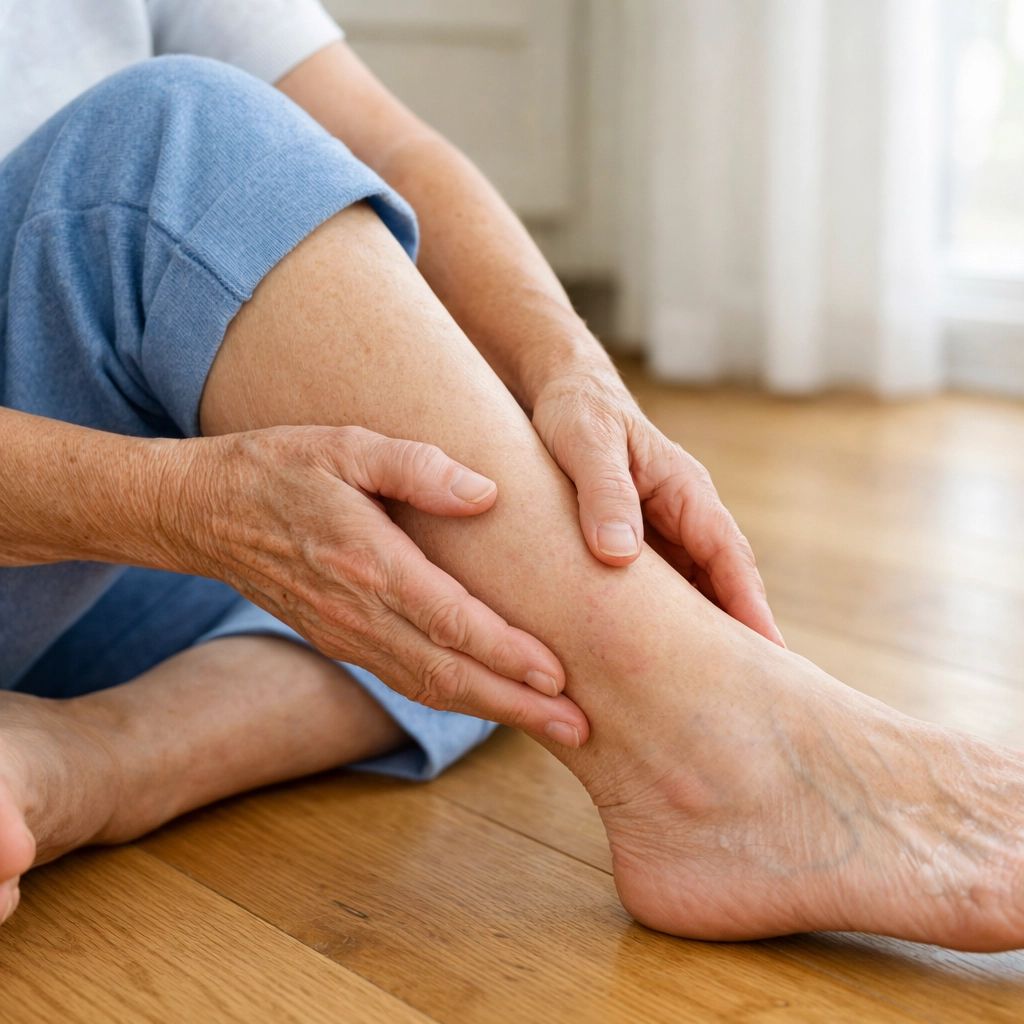
Step 3: Decide Whether You Can Safely Get Up
If you've determined you don't have serious injuries, the next decision is whether you can get up on your own. This depends on several factors:
- Your current strength level
- Whether you're experiencing significant pain
- If you have access to stable furniture or supports
- Your level of fatigue
- Whether you feel dizzy or weak
There's no shame in calling for assistance even if you're not seriously injured. Sometimes the safest choice is to wait for help, especially if you're feeling unsure or shaky.
Step 4: Choose Your Getting-Up Method
If you've decided you can safely get up, select the method that best fits your situation. We'll cover specific techniques in detail in the next section, but the basic options include:
- The roll-and-crawl method: Best if you have good floor mobility and access to stable furniture
- The furniture-assisted method: Ideal if you fell near a couch or bed
- The stair-assisted method: Useful if you fell near stairs
- Calling for help: Always the right choice if you're uncertain
Step 5: Execute Your Getting-Up Technique Slowly
Whichever method you choose, move deliberately and slowly. Rush is the enemy of safety right now. Take breaks between movements if you need them. If at any point you feel increased pain, dizziness, or weakness, stop and reassess whether you need assistance.
Step 6: Stabilize Before Standing
Once you've gotten yourself to a seated position on furniture or a chair, don't stand up immediately. Sit for at least a few minutes. During this time:
- Continue breathing deeply
- Check again for pain or discomfort
- Let your blood pressure adjust
- Mentally assess how you're feeling
When you do stand, do so slowly, keeping one or both hands on stable support.
Step 7: Seek Medical Evaluation
Even if you feel fine and successfully got yourself up, contact your healthcare provider about the fall. This is important for several reasons:
- Some injuries don't show symptoms immediately
- Your doctor needs to know about the fall for your medical record
- The fall itself may indicate an underlying health issue that needs attention
- You may benefit from physical therapy or other interventions
Don't minimize what happened or convince yourself it's "not a big deal." Falls are always significant events that warrant professional evaluation.
Safe Techniques for Getting Up After a Fall
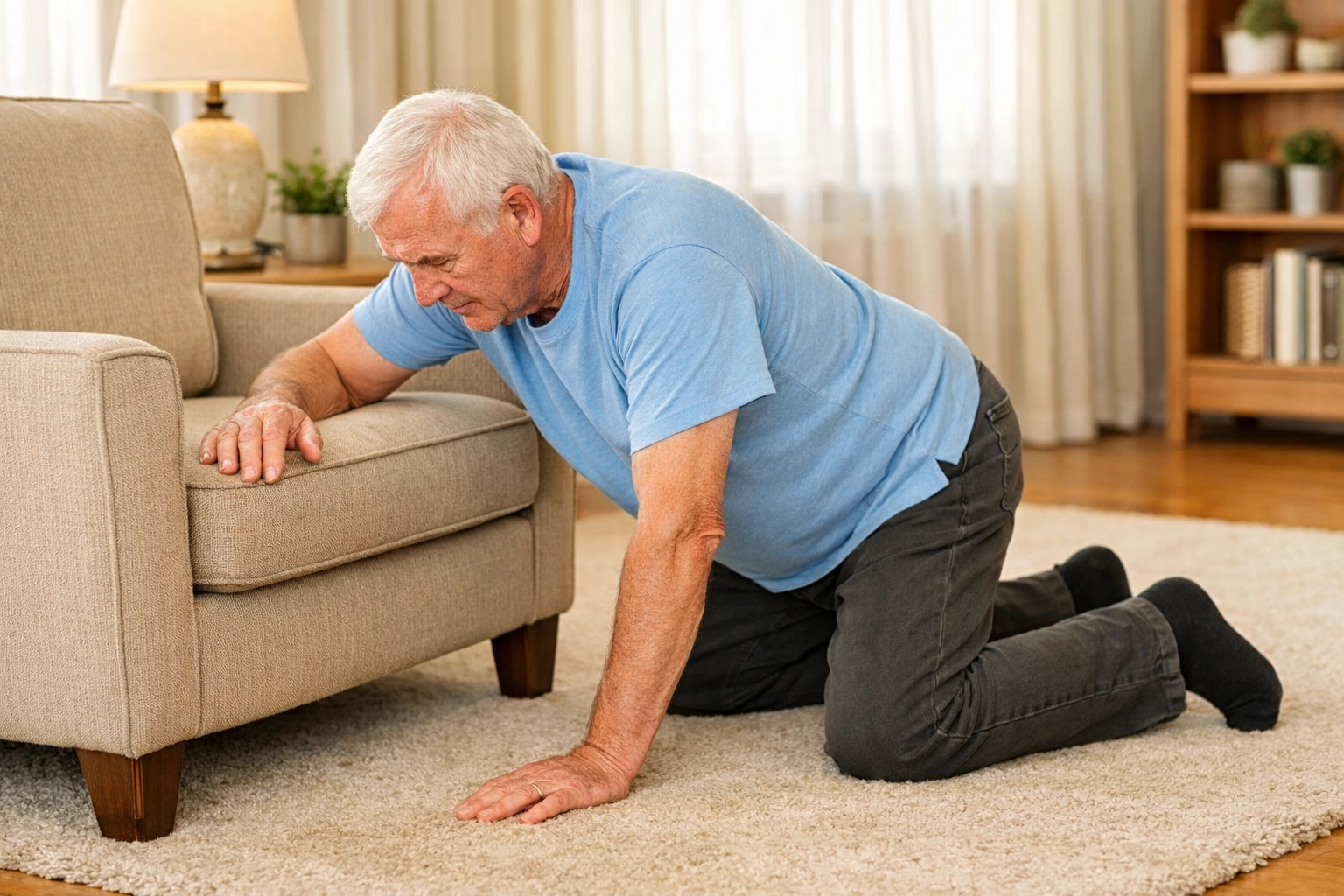
The Standard Roll-and-Crawl Method
This is the most commonly recommended technique when you have floor space and access to stable furniture:
- Bend both knees while lying on your back
- Roll onto your side toward your dominant hand
- Place your bottom hand flat on the floor
- Push up onto your bottom elbow, then straighten that arm
- Push up with your top hand so you're now on hands and knees
- Crawl slowly to a sturdy chair, couch, or bed
- Place both hands on the furniture surface
- Bring your stronger leg forward, placing that foot flat on the floor
- Push down through your hands and foot to raise yourself to standing, then turn to sit
Take your time with each step. Rest between movements if needed.
The Furniture-Assisted Recovery Method
If you fell near a couch or bed and have difficulty getting to hands and knees:
- Position yourself so your back is near the furniture
- Bend your knees and place your feet flat on the floor
- Place your hands on your thighs or knees
- Lean your head and shoulders back toward the furniture while pushing with your hands
- Continue this rocking motion until you can get your bottom onto the furniture edge
- Once seated on the edge, slide back to a more secure position
- Rest before attempting to stand
Using Stairs If Available
If you're near stairs and cannot use other methods:
- Position yourself at the base of the stairs
- Roll onto your stomach facing the stairs
- Place both hands on the lowest step
- Push with your arms and knees to lift yourself onto the first step
- Rest, then continue moving up step by step until you can turn and sit
- Once seated, rest before standing
If You Cannot Get Up: Movement Strategies
Sometimes you may not be able to get up but can move across the floor to reach a phone or door:
The sitting scoot: If you can sit up, lean to one side and lift the opposite hip slightly, moving it backward. Alternate sides to scoot across the floor.
The supine inch-worm: Lying on your back, bend your knees and place feet flat. Push with your feet to scoot your body in small increments toward your destination.
If you cannot move at all, try to stay warm by pulling any nearby blankets, cushions, or rugs over yourself while you wait for help to arrive.
Post-Fall Medical Care and Recovery
Immediate Medical Evaluation
Your healthcare provider will likely want to see you or at least speak with you by phone about the fall. They may ask about:
- Circumstances of the fall
- Any loss of consciousness
- Current symptoms
- Your medications (some increase fall risk)
- Recent changes in your health
Be honest and thorough in describing what happened. This information helps them determine what follow-up care you need.
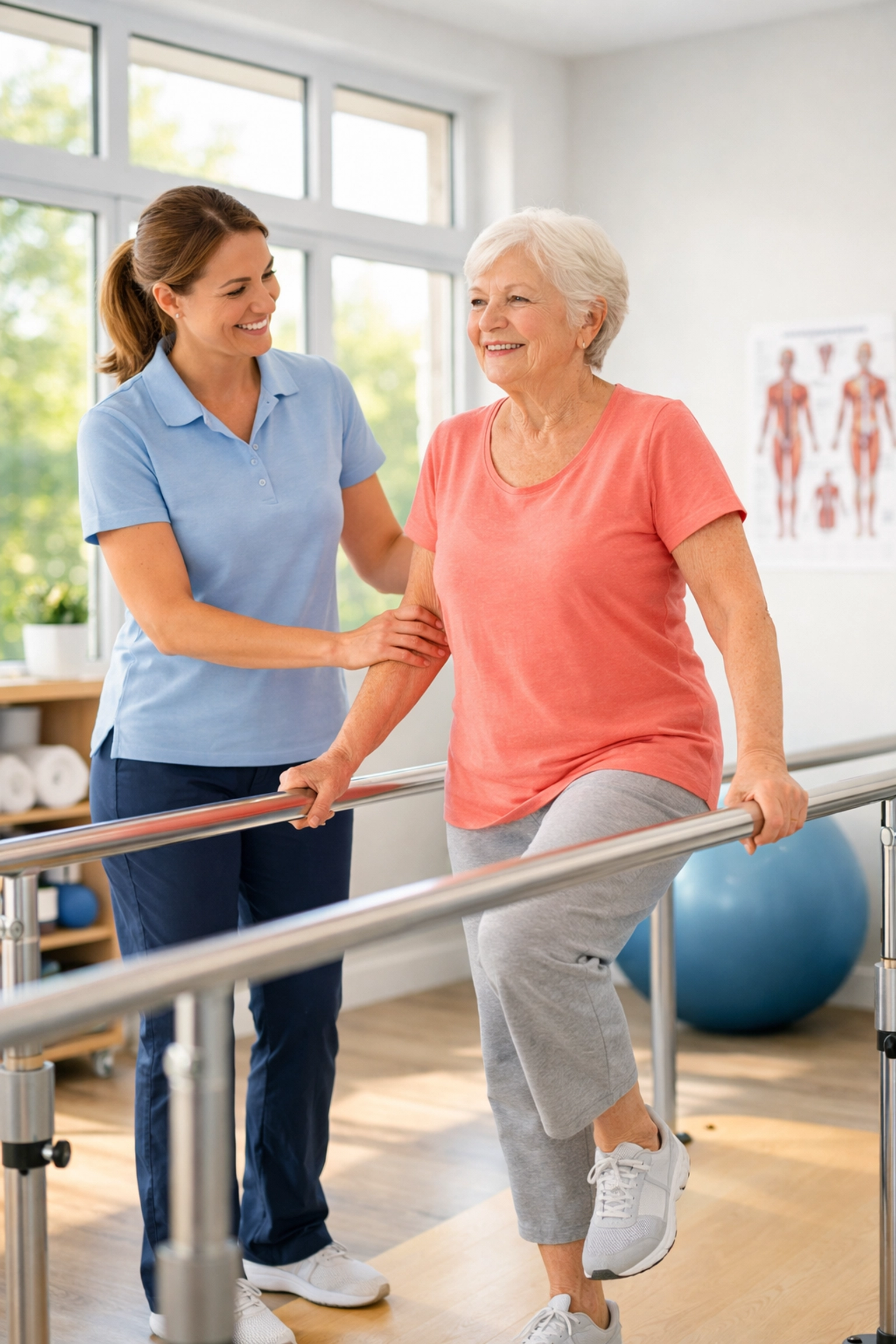
Physical Therapy for Fall Recovery
Physical therapy is one of the most effective interventions after a fall. A physical therapist can:
- Assess any injuries from the fall
- Evaluate your current strength and balance
- Create a personalized exercise program
- Address any fear of falling you've developed
- Teach you safer movement patterns
- Improve your confidence
Physical therapy typically includes balance training, strengthening exercises, and gait training. These interventions significantly reduce your risk of falling again.
Addressing Post-Fall Syndrome
Many people develop a fear of falling after experiencing one fall. This fear can lead to reduced activity, which ironically increases fall risk by causing deconditioning and weakness. If you notice yourself:
- Avoiding activities you previously enjoyed
- Feeling anxious about walking or moving
- Becoming more dependent on others
- Restricting your social activities
Talk to your healthcare provider. Post-fall anxiety is common and treatable. Counseling, physical therapy, and gradual re-exposure to activities can help restore your confidence.
Building Strength for Fall Prevention
While recovering from a fall, you can work on exercises that reduce future fall risk. Always consult your doctor before starting new exercises. Safe options often include:
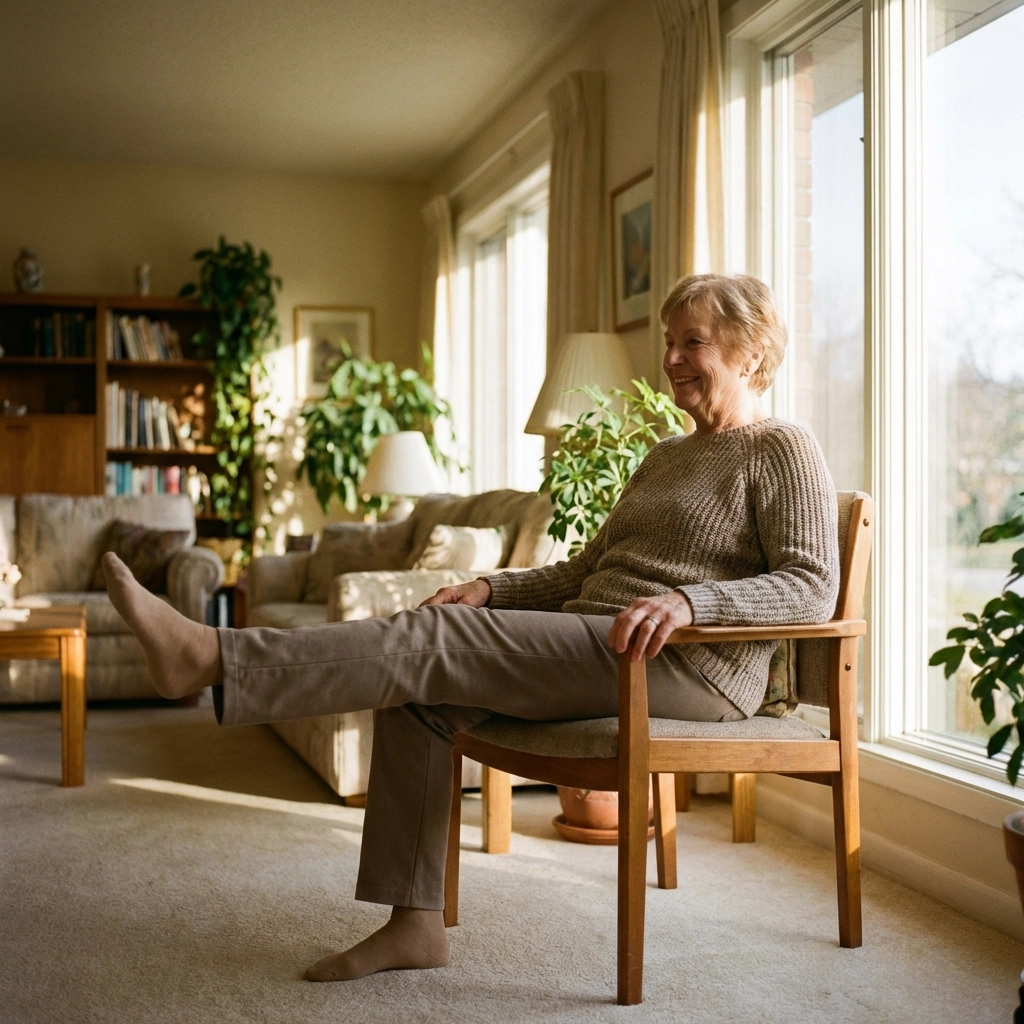
- Seated leg lifts: Straighten one leg while sitting, hold for a few seconds, lower slowly
- Counter holds with toe raises: Hold a counter and rise up on your toes, then lower slowly
- Chair squats: Practice standing from and sitting back in a chair slowly and with control
- Standing lateral leg lifts: Hold a chair for balance and lift one leg out to the side
- Walking practice: Regular short walks with appropriate assistive devices if needed
The goal isn't to become an athlete. It's to maintain the strength and balance needed for daily activities and to recover quickly if you do lose your balance.
Moving Forward After a Fall
A fall doesn't define you, and it doesn't mean your independence is over. It's a signal that some adjustments may help keep you safer. After recovering from the immediate effects:
- Consider a home safety evaluation to identify and address hazards
- Review your medications with your doctor
- Ensure you're wearing appropriate footwear
- Use assistive devices if recommended
- Stay physically active within your abilities
- Keep up with vision and hearing checkups
Recovery from a fall is both physical and emotional. Give yourself grace during the process, celebrate your progress, and don't hesitate to ask for help when you need it.
Remember, the best outcome after a fall is gaining knowledge and strategies that help prevent the next one. You've got this.

