
You've probably done it a hundred times: walked through your house in the dark, reached for your coffee cup without looking, or stepped over the dog without tripping. These everyday movements happen so automatically that you rarely think about them. But behind the scenes, your body is running a sophisticated positioning system that would make any GPS jealous.
That system is called proprioception, and it's one of the most underappreciated senses you have.
What Exactly Is Proprioception?
Proprioception is your body's ability to sense where it is in space without relying on your eyes. Think of it as an internal map that tells your brain exactly where your arms, legs, and torso are positioned at any given moment: and how fast they're moving.
Unlike the five senses you learned about in grade school (sight, sound, smell, taste, and touch), proprioception works quietly in the background. You don't consciously feel it happening. But without it, even simple tasks like walking or sitting upright would require constant visual attention.
Here's a simple test: Close your eyes and touch your nose with your index finger. You can do it easily, right? That's proprioception at work. Your brain knows exactly where your hand and nose are without seeing them.

The Science Behind Your Body's Positioning System
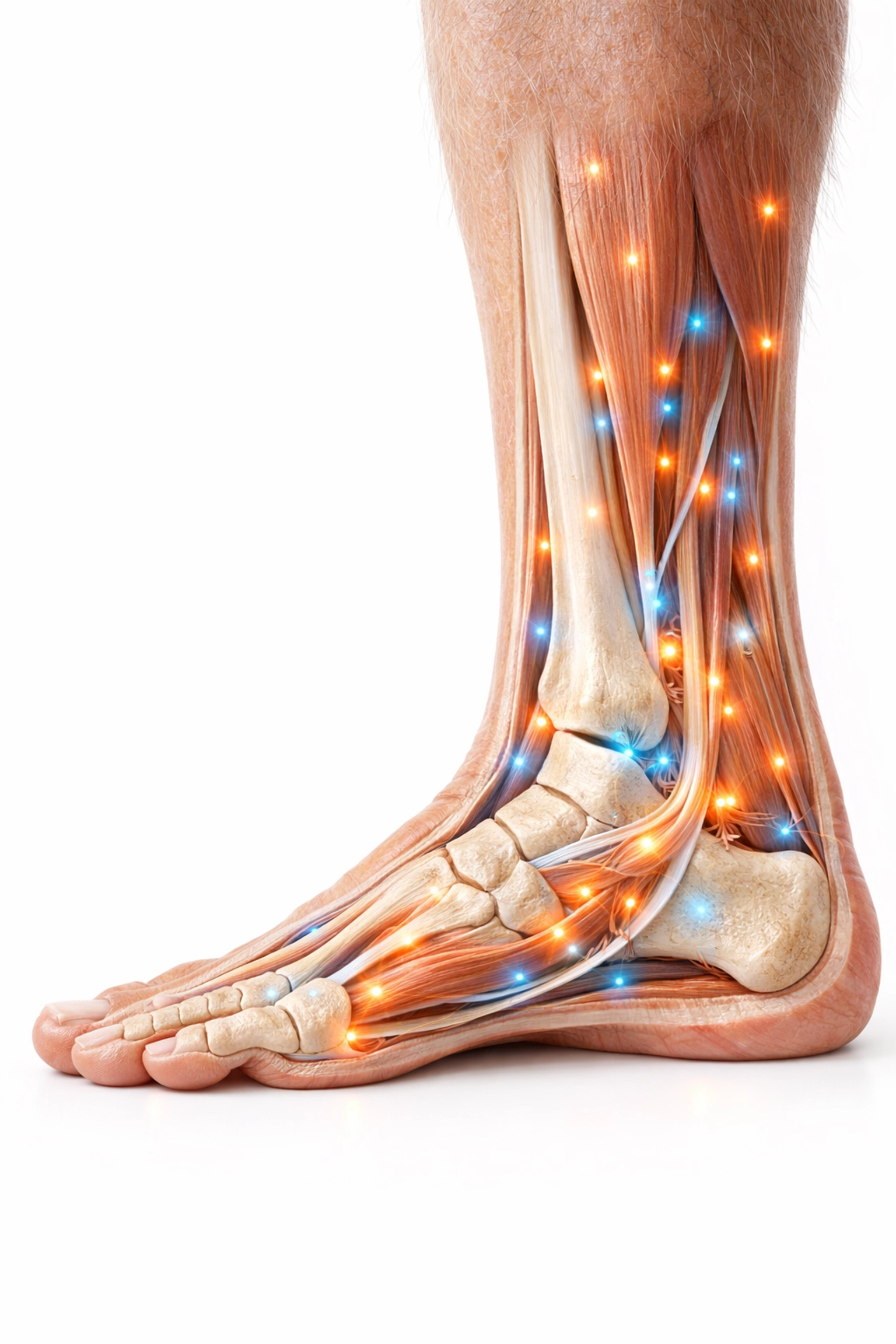
Proprioception relies on specialized sensory receptors called proprioceptors. These tiny sensors are embedded throughout your body in three key locations:
- Muscles: Muscle spindles detect changes in muscle length and how fast those changes happen
- Tendons: Golgi tendon organs sense tension and force in your tendons
- Joints: Joint receptors monitor the angle and position of your joints
When you move: even slightly: these proprioceptors spring into action. They send rapid-fire signals through your nervous system to your spinal cord and brain, creating a real-time update about your body's position and movement.
Your brain processes this flood of information instantly and makes micro-adjustments to your muscles without you thinking about it. That's why you can walk across a room while carrying on a conversation, or why you automatically shift your weight when you start to lose balance.
Why Proprioception Matters for Balance
Balance isn't just about standing still. It's a constant dance of tiny adjustments happening dozens of times per second.
When you're standing, gravity is always pulling your body slightly off-center. Your proprioceptors detect these small shifts in weight distribution and trigger corrective muscle contractions: mostly in your core, back, and legs: to keep you upright and stable.
This happens whether you're:
- Standing in line at the grocery store
- Walking on an uneven sidewalk
- Reaching up to grab something from a shelf
- Turning your head to look behind you
- Getting out of a chair
Without proprioception, you'd need to stare at your feet constantly just to stay balanced. Every movement would require intense concentration and visual focus.
The Three-System Balance Team
Your balance actually depends on three systems working together like a well-coordinated team:
Proprioception tells you where your body parts are positioned and how they're moving.
Vision provides external reference points and helps you navigate your environment.
Vestibular system (inner ear) detects head movement, gravity, and acceleration.
Your brain continuously cross-references information from all three systems. When they disagree: like when you're on a boat or reading in a moving car: you might feel dizzy or off-balance. But when they work in harmony, you can navigate complex movements smoothly and confidently.
Here's what makes proprioception especially valuable: it keeps working even when your other balance systems are compromised. In a dark room, your vision is useless, but proprioception continues guiding your movements. When you turn your head quickly, your vestibular system might get temporarily confused, but proprioception helps you stay stable.
How Proprioception Changes with Age
Like many body systems, proprioception naturally declines as we age. The proprioceptors themselves don't stop working, but they may become less sensitive. The signals they send might not travel as quickly through the nervous system. And the brain might not process the information quite as fast as it once did.
This gradual decline is one reason why balance and coordination can become more challenging in later years. Movements that once felt automatic might require more attention and effort.
Some common signs of declining proprioception include:
- Difficulty walking on uneven surfaces
- Feeling unsteady in the dark
- Taking longer to react when you start to lose balance
- Needing to look down more often while walking
- Bumping into doorframes or furniture more frequently
The good news? Proprioception isn't fixed. Like a muscle, it can be maintained and even improved with regular practice and targeted exercises.

Factors That Affect Proprioception
Several factors can impact how well your proprioceptive system functions:
Medications: Some medications, particularly those affecting the nervous system, can interfere with proprioceptive signals. If you've noticed balance changes after starting a new medication, talk to your doctor.
Health Conditions: Diabetes, arthritis, stroke, Parkinson's disease, and peripheral neuropathy can all affect proprioceptive function.
Inactivity: Like most body systems, proprioception weakens with disuse. A sedentary lifestyle can lead to decline, while regular movement helps maintain the system.
Joint Problems: Since many proprioceptors live in and around joints, conditions affecting joint health (like arthritis) can impact proprioceptive signals.
Previous Injuries: Ankle sprains, knee injuries, or other trauma can damage proprioceptors in the affected area, sometimes leading to recurring instability.
Practical Ways to Strengthen Proprioception
The encouraging news is that you can actively work on improving your proprioception at any age. These exercises help retrain your proprioceptors and strengthen the neural pathways between your sensors and your brain.
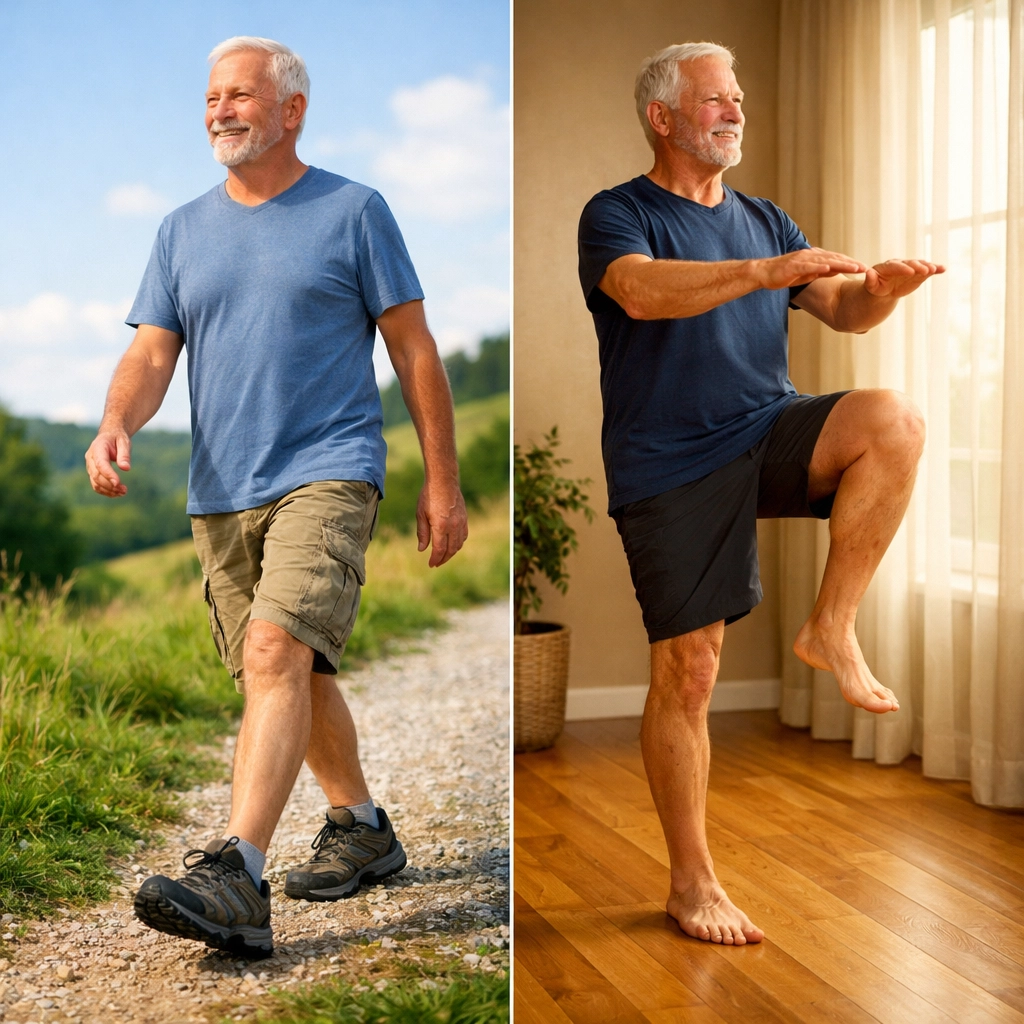
Balance on One Foot
Start simple: Stand near a counter or sturdy chair (don't hold on unless needed). Lift one foot slightly off the ground and hold for 10-30 seconds. Switch feet. As this becomes easier, try it with your eyes closed or on a soft surface like a pillow.
Heel-to-Toe Walking
Walk in a straight line, placing the heel of one foot directly in front of the toes of the other foot with each step. This challenges your balance and forces your proprioceptors to work harder.
Weight Shifting
While standing, slowly shift your weight from side to side, then forward and backward. Pay attention to how your muscles automatically adjust to keep you balanced.
Tandem Stance
Stand with one foot directly in front of the other (like you're on a tightrope). Hold for 30 seconds, then switch which foot is in front.
Sitting Balance Exercises
Sit on the edge of a sturdy chair. Lift one foot off the ground and hold. Or try sitting on an exercise ball (with support nearby) to engage core muscles and proprioceptors.
Making Proprioception Work for You Daily
Beyond dedicated exercises, you can support proprioception through everyday activities:
- Take walks on varied terrain when safe (grass, gentle slopes, textured surfaces)
- Practice activities that require coordination, like tai chi or dancing
- Move regularly throughout the day rather than staying sedentary
- Challenge your balance in small, safe ways (standing on one foot while brushing teeth, for example)
- Stay physically active in ways you enjoy
The Role of Footwear and Surfaces
What you wear on your feet and where you walk matters for proprioception. Shoes with good support and non-slip soles provide helpful feedback to your proprioceptors. Walking barefoot occasionally (in safe environments) can actually strengthen proprioceptive awareness in your feet.
The surfaces you walk on make a difference too. While carpeting and rugs can be safer for preventing injury from falls, walking on firm, stable surfaces provides clearer proprioceptive feedback and can help maintain the system.
When to Seek Help
While some proprioceptive decline is normal with aging, sudden changes in balance or coordination warrant attention. Talk to your doctor if you experience:
- Frequent near-falls or actual falls
- Sudden worsening of balance
- Difficulty with movements that were recently easy
- Numbness or tingling in your extremities
- Dizziness or vertigo
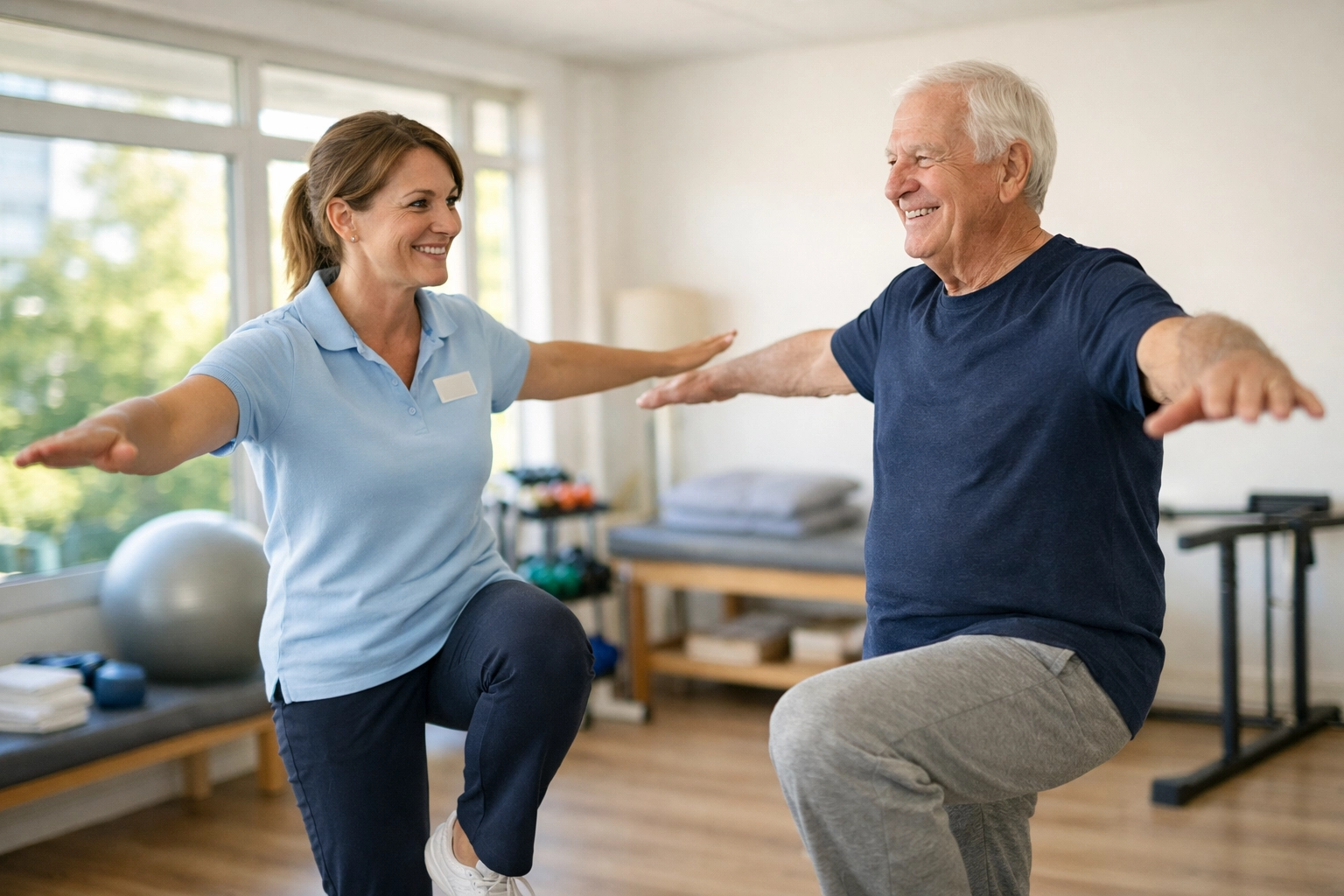
Physical therapists can assess your proprioception and create personalized exercise programs to address specific challenges. Occupational therapists can suggest environmental modifications to support safety while you work on strengthening your proprioceptive system.
The Bottom Line
Proprioception might not be as well-known as your other senses, but it's absolutely essential for moving safely and confidently through your day. This internal GPS system works tirelessly to keep you balanced, coordinated, and aware of your body's position.
While proprioception naturally changes with age, it responds remarkably well to practice and attention. Simple balance exercises, regular physical activity, and awareness of factors that affect proprioception can help maintain and even improve this critical system.
Understanding how proprioception works puts you in a better position to support it: and that means better balance, more confident movement, and greater independence in daily life.

