
Gardening is more than just a hobby for many of us; it is a way of life. There is a unique sense of peace that comes from the smell of damp earth, the sight of a new sprout breaking through the soil, and the quiet satisfaction of harvesting something you grew with your own two hands. As we get older, these moments in nature become even more valuable for our physical health and mental clarity.
However, the garden can also present challenges that we didn't have to think twice about in our younger years. Uneven ground, the midday sun, and the repetitive motions of weeding and planting can lead to slips, strains, or exhaustion. The goal isn't to stop gardening: it's to adapt the environment and our habits so we can keep doing what we love safely.
At Fall Guys Products, we believe that staying active and independent is the key to a high quality of life. By making a few intentional shifts in how you approach your outdoor space, you can significantly reduce the risk of falls and injuries. Here are ten in-depth safety ideas to help you maintain a beautiful garden while keeping your health and safety front and center.
1. Prioritize a Gentle Warm-Up
We often think of gardening as a leisure activity, but it is actually a form of moderate exercise. Like any workout, your body needs a chance to "wake up" before you start lifting bags of mulch or reaching into flower beds. Cold muscles and stiff joints are much more susceptible to strains and tears.
Before heading outside, spend five to ten minutes doing some gentle stretches inside. Focus on your hands, wrists, shoulders, and lower back. Simple wrist circles and shoulder rolls can go a long way in preventing repetitive strain injuries like tendonitis. Stretching your hamstrings and calves while holding onto a sturdy chair can also improve your balance before you step onto the uneven terrain of a garden path. Think of this as preparing your "engine" for the work ahead.
2. Timing is Everything: Avoid the Midday Heat
As we age, our bodies become less efficient at regulating temperature. We may not sweat as easily as we once did, and our perception of thirst can sometimes lag behind our actual level of dehydration. The sun is at its most intense between 10:00 AM and 4:00 PM. Working during these hours increases the risk of heat exhaustion and heatstroke.
The best times for gardening are the early morning or the late evening. Not only is the air cooler, but the light is often softer and more pleasant. Early morning gardening allows you to enjoy the dew and the birds, while evening sessions provide a wonderful way to wind down. If you must be out during the day, try to work in shaded areas and move with the shadows as the sun traverses the sky.
3. Embrace Raised Beds and Vertical Gardening
One of the most significant risks in the garden is the constant need to bend, stoop, and kneel. These movements can put immense pressure on the lower back and knees. Furthermore, getting back up from a kneeling position can cause a sudden drop in blood pressure, leading to dizziness and potential falls.
Raised garden beds are a game-changer for senior safety. By bringing the soil level up to waist or hip height, you eliminate the need to bend over completely. For those who prefer to garden while seated, beds designed at a height of about 24 to 30 inches allow you to pull a chair right up to the edge.
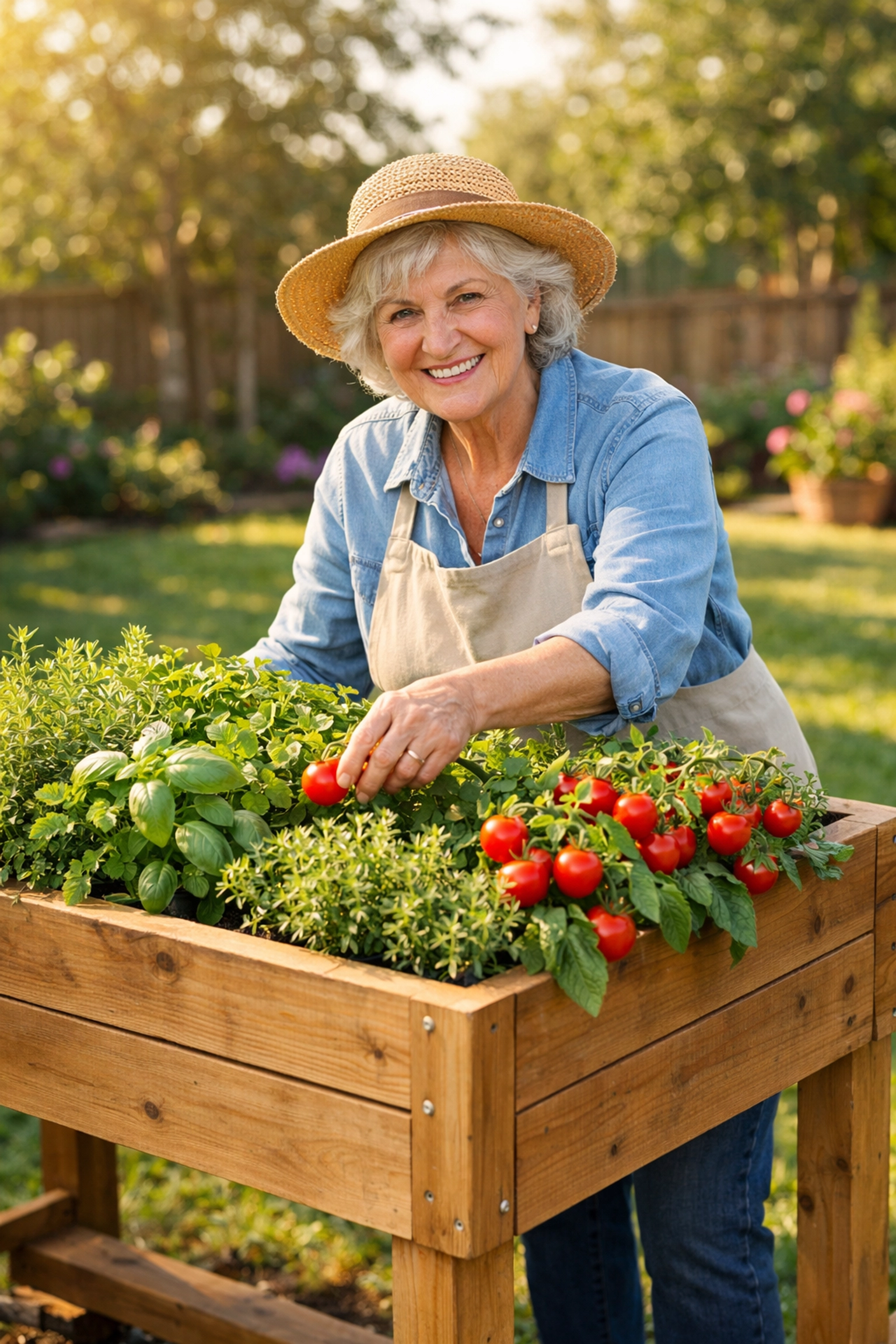
Vertical gardening is another excellent alternative. Using trellises, wall-mounted planters, or "living walls" allows you to tend to your plants while standing upright. This keeps your center of gravity stable and reduces the strain on your spine.
4. Invest in Ergonomic and Long-Handled Tools
The tools you used thirty years ago might not be the best fit for your hands today. Traditional garden tools often require a tight grip and significant wrist strength. Over time, this can lead to joint pain or even carpal tunnel syndrome.
Look for tools specifically labeled as "ergonomic." These often feature padded, non-slip handles that are shaped to fit the natural contour of your hand. They are designed to require less force to use. Additionally, long-handled tools are invaluable. A long-handled hoe or weeder allows you to work the soil from a standing position, preventing the need to lean forward and lose your balance. Lightweight materials, like carbon fiber or high-grade aluminum, are also preferable to heavy steel, as they reduce overall fatigue.
5. Comprehensive Sun Protection
Sun safety is about more than just avoiding a painful burn. For seniors, skin is often thinner and more delicate, making it more vulnerable to UV damage. Beyond the skin, protecting your eyes and your head is crucial for preventing heat-related illnesses.
Always wear a wide-brimmed hat that shades not just your forehead, but also your ears and the back of your neck. UV-rated sunglasses are essential for protecting your vision and reducing glare, which can sometimes hide tripping hazards on the ground. Use a broad-spectrum sunscreen of at least SPF 30, even on cloudy days, and remember to reapply every two hours if you are sweating. Lightweight, long-sleeved shirts made of breathable fabrics can provide a physical barrier against the sun without causing you to overheat.
6. Create Wide, Level, and Stable Pathways
The paths in your garden are the most common sites for falls. Over time, tree roots can push up pavers, or gravel can become loose and "shifty" underfoot. To ensure safety, pathways should be at least 36 to 48 inches wide to accommodate a walker or even just to provide a wider base for your own stride.
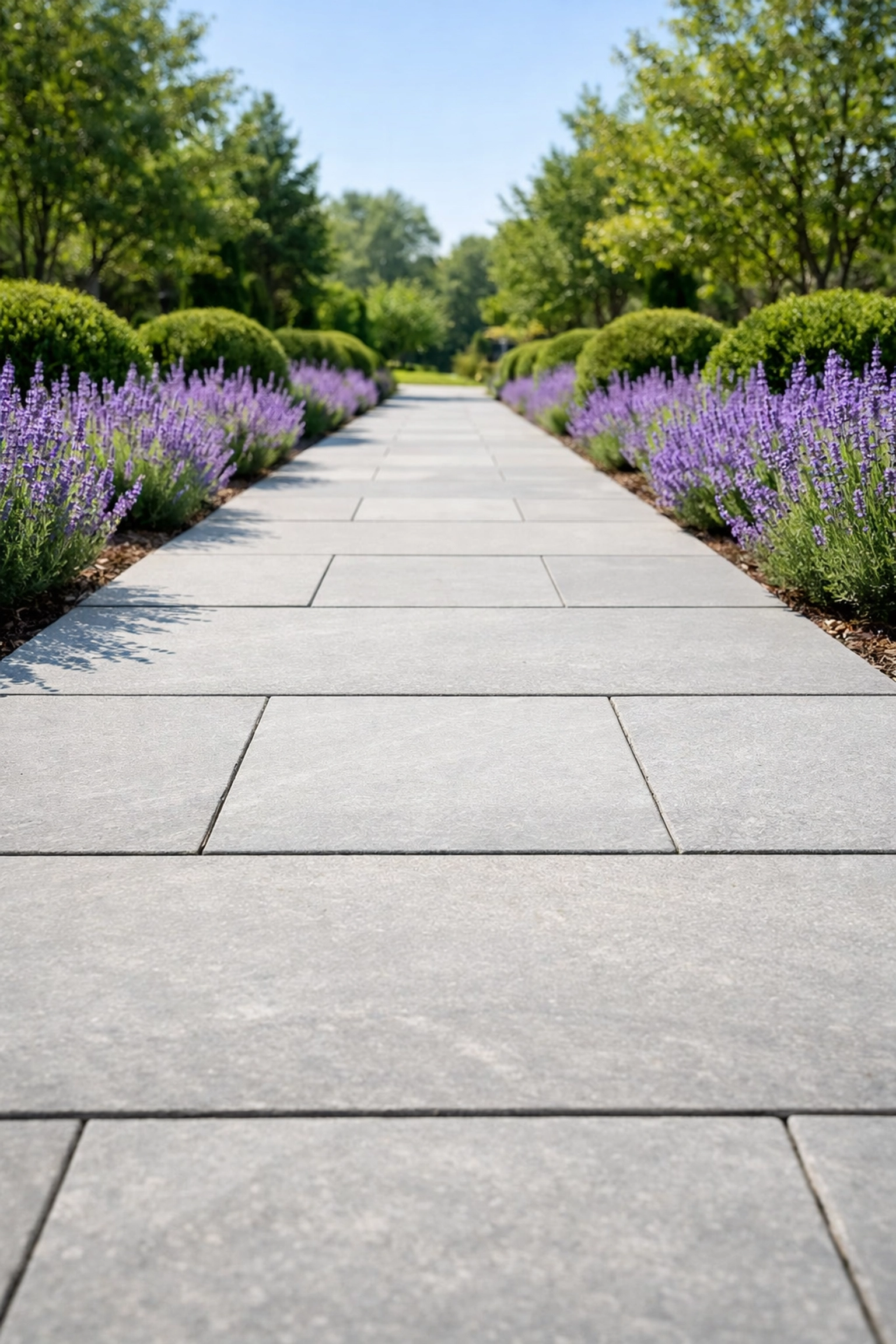
The surface material matters immensely. Firmly packed "crushed fines" or large, flat paving stones with minimal gaps are much safer than loose river rocks or deep wood chips. If you use pavers, ensure they are set in a way that they won't wobble when stepped on. Keeping paths clear of debris like fallen branches, wet leaves, or stray garden hoses is a daily task that pays off in safety. If your garden has changes in elevation, consider installing sturdy handrails or converting small steps into gentle ramps.
7. Stay Hydrated and Listen to Your Body
It is easy to get "lost" in your work and forget to drink water. However, dehydration can lead to confusion, dizziness, and muscle cramps: all of which are precursors to a fall. Instead of waiting until you feel thirsty, make it a habit to take a water break every 15 to 20 minutes.
Keep a reusable water bottle with you in the garden, perhaps in a dedicated "hydration station" in the shade. It’s also important to recognize the signs of overexertion. If you feel your heart racing, or if you begin to feel shaky or lightheaded, it is time to stop immediately. The garden will still be there tomorrow; your safety is the priority today.
8. Choose the Right Footwear
While it might be tempting to slip on a pair of old clogs or flip-flops to run out to the garden, these are often the least safe options. Proper gardening footwear should be sturdy, supportive, and have a non-slip sole with good traction.
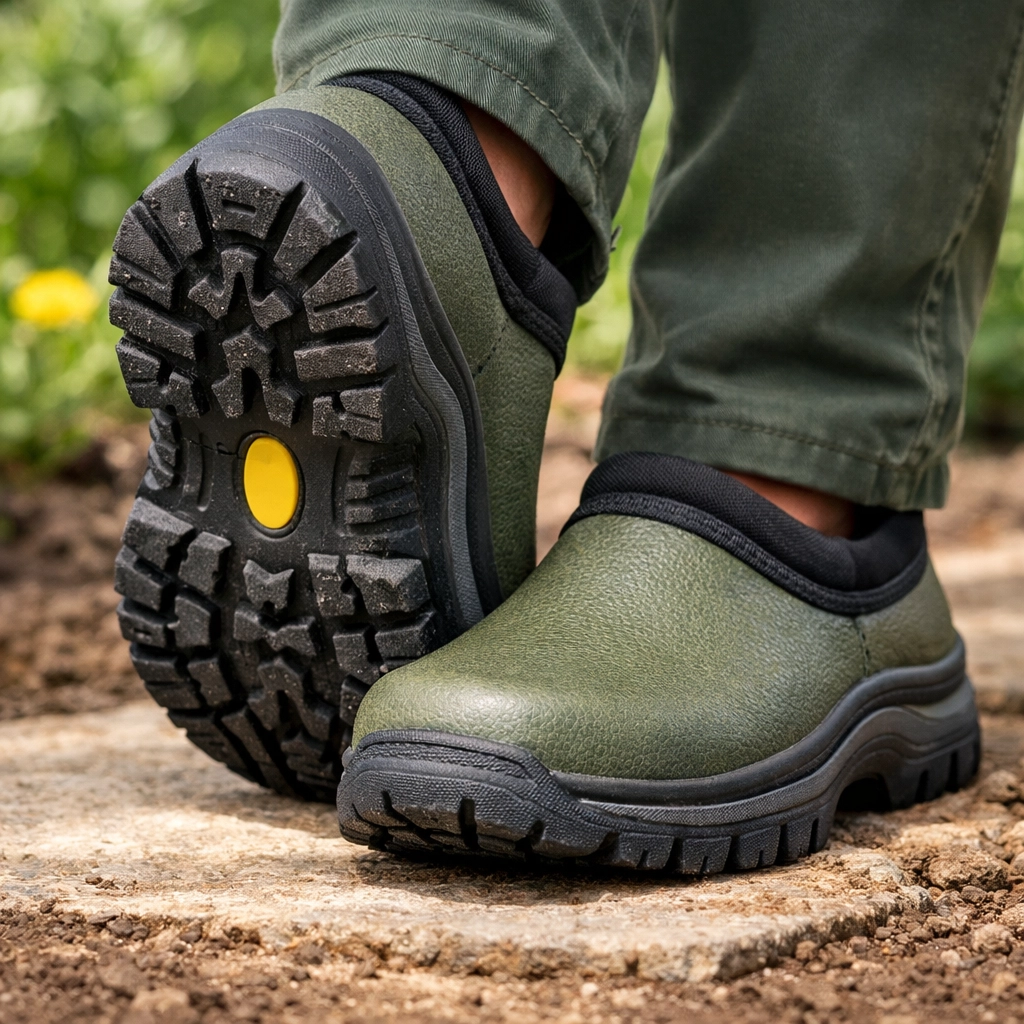
Look for shoes that have a closed back to keep your foot securely in place. If the ground is damp, waterproof boots with deep treads can prevent you from sliding on mud or wet grass. Avoid shoes with "memory foam" soles that are too soft, as they can actually decrease your "proprioception": your body's ability to sense the ground and adjust your balance accordingly. A firm, supportive sole is always safer for navigating outdoor terrain.
9. Never Garden Without a Way to Call for Help
No matter how many precautions we take, accidents can happen. One of the most dangerous situations for a senior is falling in the garden and being unable to get back up or alert anyone.
Always carry a fully charged cellphone in a pocket that zips or secures tightly. If you don't like carrying a phone, consider a wearable medical alert device that works outside the home. Another great habit is the "buddy system." If you live with someone, let them know you are headed out and when you expect to be back. If you live alone, consider a quick "checking in" and "checking out" text to a friend or neighbor before and after your gardening sessions.
10. Use Proper Kneeling Techniques and Include Seating
If you do choose to work at ground level, how you get down and back up is vital. Avoid "plopping" down onto both knees. Instead, use a gardening kneeler: a bench-like tool that has handles on the sides to help you lower yourself and push yourself back up.
When kneeling, try the "half-kneel" position: one knee on a padded mat and the other foot flat on the ground. This provides a much more stable base and makes it easier to transition back to standing.
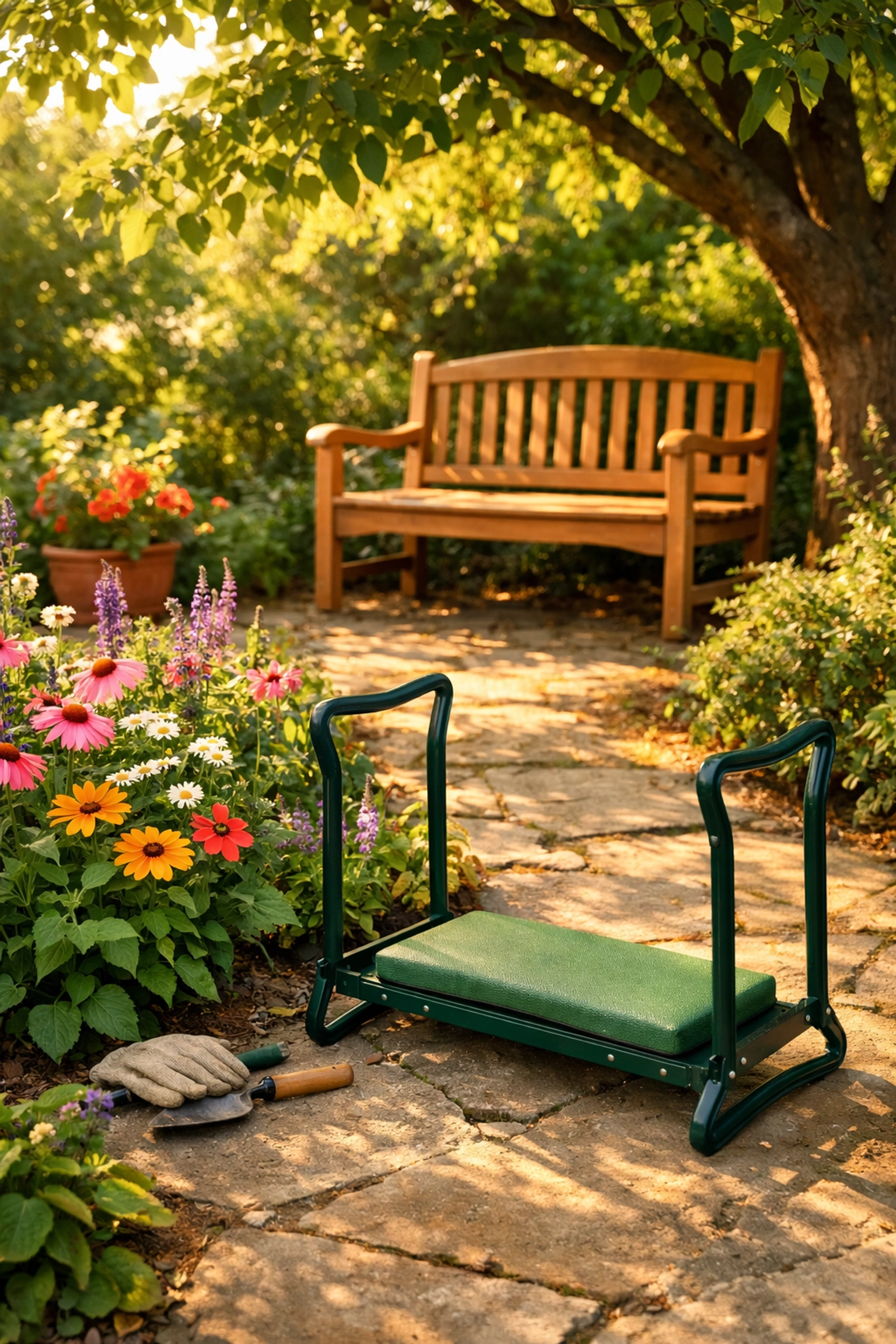
Finally, ensure your garden has plenty of resting spots. Placing a sturdy bench or a couple of weather-resistant chairs at various points in the garden encourages you to take breaks. These spots offer a chance to sit back and actually enjoy the fruits of your labor, rather than just focusing on the work.
Summary: Cultivating Safety
Gardening is a gift that keeps us connected to the rhythms of the earth. It provides vitamin D, light aerobic exercise, and a sense of purpose. By implementing these safety measures: from raised beds to proper footwear: you aren't limiting your freedom; you are protecting it.
A safe garden is a sustainable garden. When you take the time to level your paths and choose the right tools, you are ensuring that you can continue to enjoy your outdoor sanctuary for many years to come. Remember to move slowly, breathe deeply, and always put your well-being first. The flowers will bloom and the vegetables will grow, but there is only one you. Stay safe out there and enjoy every moment in the dirt.

