
Staircases are a fundamental part of many homes, providing access to bedrooms, basements, and second stories. However, for many individuals: particularly seniors or those with mobility challenges: they can also represent a significant source of anxiety. At Fall Guys Products, we believe that understanding the mechanics of stair safety is the first step toward regaining confidence and maintaining independence at home.
Creating a safe environment isn’t about one single change; it is a combination of proper design, consistent maintenance, and mindful habits. This guide explores the essential elements of stair safety to help you or your loved ones navigate your home with peace of mind.
The Foundation of Safety: Stair Design and Construction
The way a staircase is built dictates its inherent safety. While you may not be looking to rebuild your entire staircase, understanding the "ideal" measurements can help you identify where your current setup might be lacking and where modifications might be necessary.
Consistent Riser Height
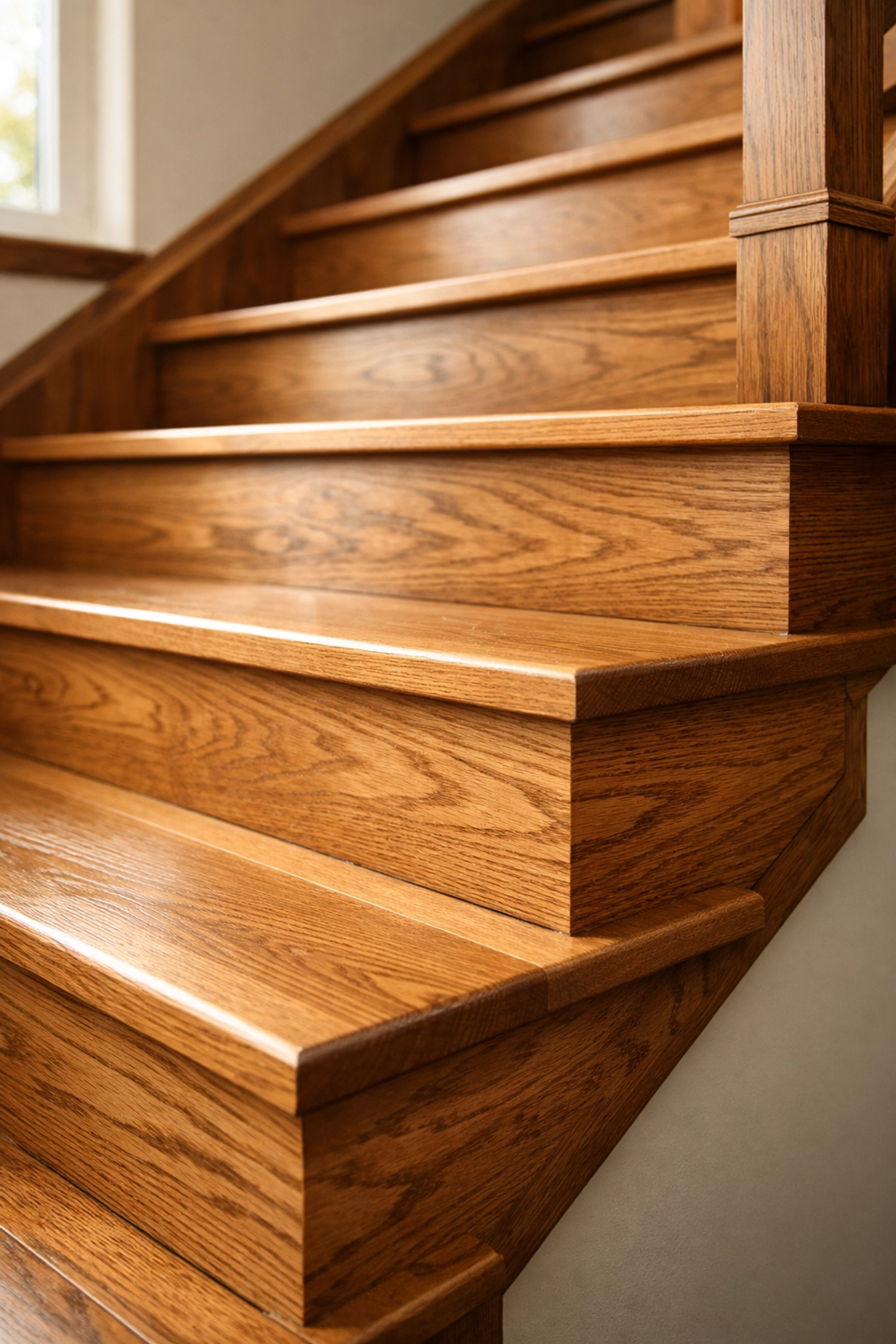
One of the most common causes of trips on stairs is an inconsistent riser height. The riser is the vertical part of the step. Our brains naturally develop a "rhythmic" gait when climbing stairs. If one step is even a quarter-inch higher or lower than the others, it can disrupt that rhythm, leading to a trip. If you live in an older home, it is worth measuring each step to see if variations exist.
Tread Depth
The tread is the horizontal part of the step where you place your foot. For maximum safety, a tread should be deep enough to accommodate the majority of your foot. An 11-inch tread is often cited as the gold standard for safety, allowing for stable placement. If treads are too shallow, the heel or toe may hang off the edge, increasing the risk of a slip.
The Importance of Nosing
Nosing is the edge of the step that often overhangs the riser. While it provides a bit of extra space for the foot, an excessive overhang can actually be a tripping hazard, especially for those who shuffle their feet or have difficulty lifting their legs high. Ideally, the nosing should be beveled or rounded rather than sharp, and it should not protrude more than an inch and a half.
Handrails: The Essential Support System
Handrails are arguably the most critical safety feature on any staircase. They provide balance, a point of leverage, and a "save" if a slip does occur.
Double Handrails
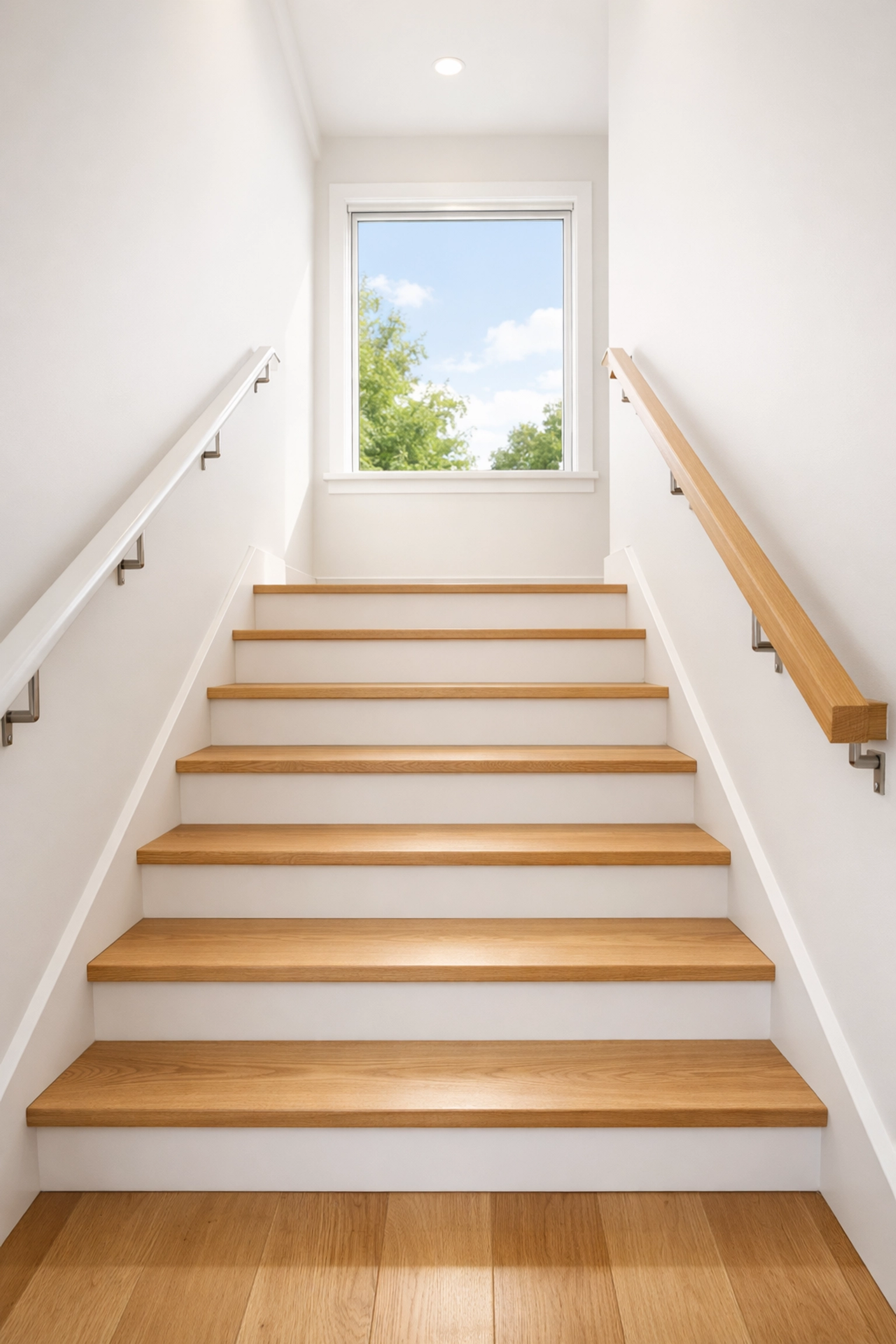
Many homes are built with only one handrail, usually on the wall side or the open side. However, having handrails on both sides of the stairs is significantly safer. This allows a person to use both hands for stability, which is especially helpful for individuals with weakness on one side of the body or those who struggle with vertigo and balance.
Proper Height and Grip
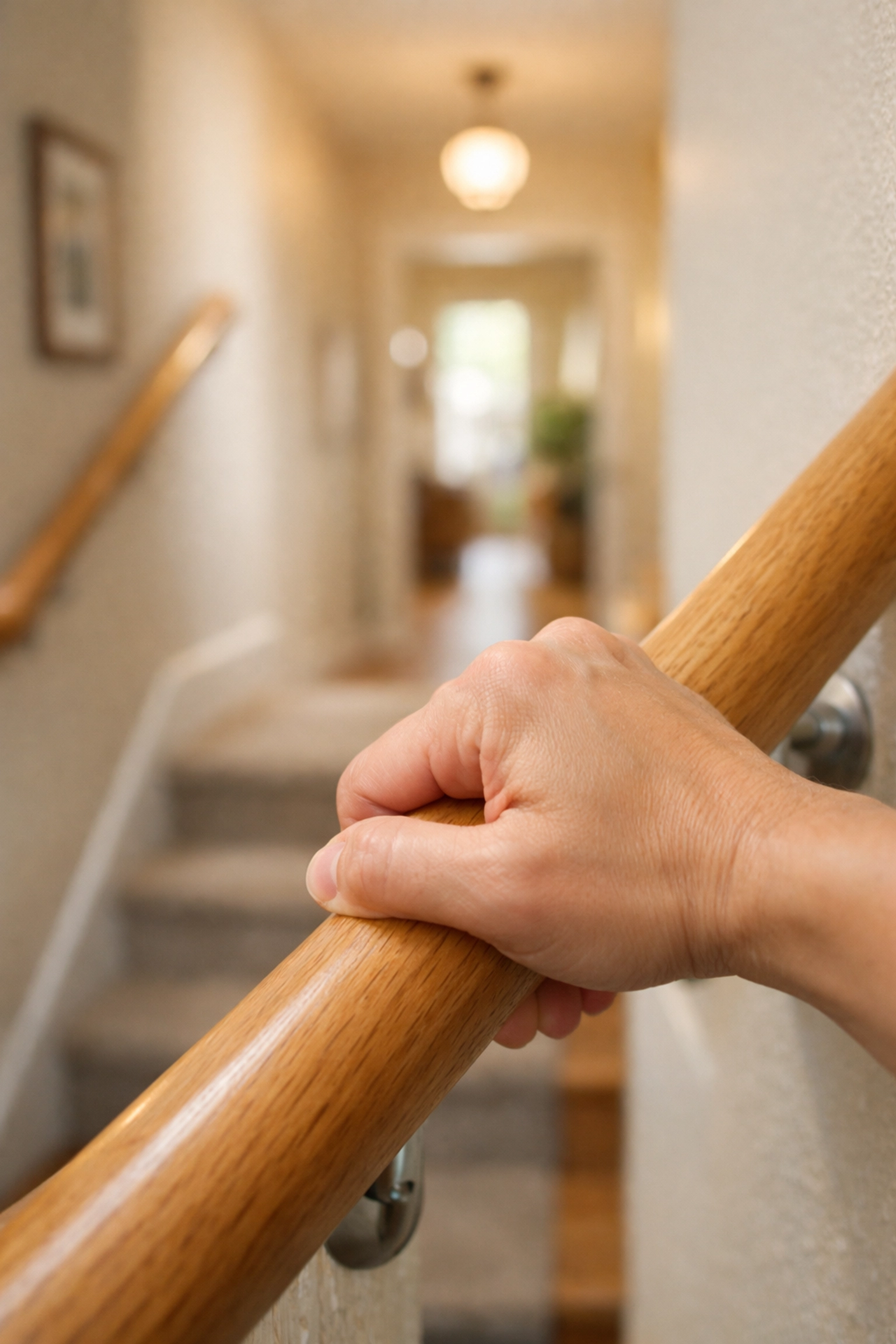
A handrail is only useful if it is easy to use. The standard height for a handrail is between 34 and 38 inches from the surface of the steps. Furthermore, the shape of the rail matters. A "power grip" (where the thumb and fingers can wrap almost entirely around the rail) is much more secure than a "pinch grip" (flat rails or overly wide decorative rails). If your handrail is too thick to grasp firmly, consider adding a smaller, secondary rail that is easier to hold.
Continuity
A safe handrail should be continuous from the very top of the stairs to the very bottom. Many falls occur at the transition points: the first or last step: because the handrail ends prematurely. Extending the handrail a few inches beyond the final step allows the user to stabilize themselves before they step onto flat ground.
Enhancing Visibility and Lighting
You cannot navigate what you cannot see. As we age, our eyes require more light to distinguish depth and contrast, making staircases particularly hazardous in low-light conditions.
Eliminating Shadows
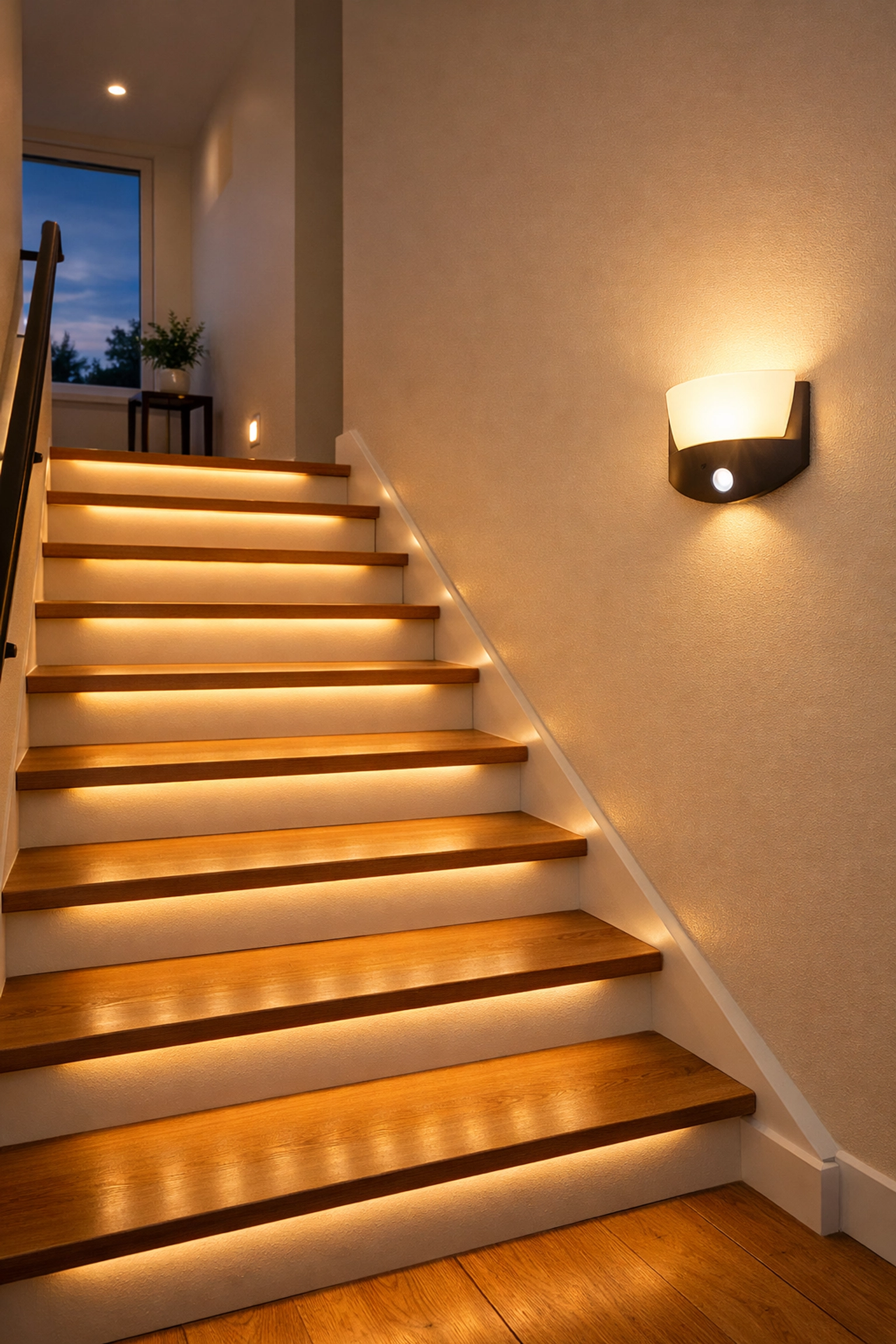
Shadows can mask the edge of a step, making it look deeper or shallower than it actually is. Lighting should be positioned to provide even illumination across the entire flight. Recessed lighting or wall-mounted sconces are excellent ways to brighten the path without creating glare.
Motion Sensors and Night Lights
Fumbling for a light switch at the top of a dark staircase is a recipe for a fall. Motion-activated lights are a simple, effective solution. These sensors can be placed at the top and bottom of the stairs, ensuring the path is illuminated the moment someone approaches.
Visual Contrast
For those with declining vision or depth perception issues, the steps can sometimes blend together into a single "ramp" shape. Creating visual contrast at the edge of each step can make a world of difference. This can be achieved by painting the nosing a different color than the tread or using high-visibility anti-slip tape. A bright yellow or white strip on the edge of a dark wooden step provides a clear visual cue of where the step ends.
Traction and Surface Materials
The material of your stairs plays a massive role in how "grippy" they feel.
The Pros and Cons of Carpet
Carpet can provide a softer landing if a fall occurs, but it can also be a hazard. Thick, plush carpeting can hide the true edge of a step and create a "rounded" edge that is easy to slip off of. If you have carpeted stairs, ensure the carpet is tightly tacked down and has a low pile. Loose or frayed carpet should be repaired immediately.
Hardwood and Tile
While beautiful, polished wood and tile are notoriously slippery, especially if you are wearing socks or smooth-soled slippers. For these surfaces, adding non-slip transparent adhesive strips or "stair treads" (small pieces of rug or rubber designed for each step) can provide the necessary traction without hiding the beauty of the floor.
Anti-Slip Solutions
For outdoor stairs or basement stairs, anti-slip paints or "grit" tapes are highly effective. These materials create a rough surface that provides extra friction, which is vital in areas that might become damp or dusty.
Maintenance: The Silent Protector
Even the best-designed staircase can become dangerous if it isn't maintained. Regular "stair audits" should be part of every homeowner's routine.
- Check for Looseness: Wiggle the handrails. If they have any "give," the brackets should be tightened or replaced. A handrail that gives way when you need it most is a major hazard.
- Clear the Clutter: It is tempting to leave items on the steps to be "carried up later," but this is one of the most common causes of domestic trips. Stairs should be a zero-clutter zone.
- Inspect the Surfaces: Look for loose boards, protruding nails, or peeling tape. On outdoor stairs, check for moss or algae growth, which can become incredibly slick when wet.
Developing Safe Habits
Physical modifications to the home are only half the battle. The way we interact with the stairs is just as important.
The Three Points of Contact
In the world of safety engineering, we talk about the "three points of contact." Ideally, you should have either two feet and one hand, or two hands and one foot on a stable surface at all times. On stairs, this means always keeping at least one hand firmly on the rail. Avoid carrying items with both hands; if you need to move things between floors, consider using a shoulder bag or a "stair basket" that can be moved while keeping one hand free.
Proper Footwear
Walking on stairs in socks is one of the easiest ways to lose traction. Inside the home, it is best to wear shoes with rubber soles or "grip socks" that have rubberized pads on the bottom. Avoid floppy slippers or backless shoes, as they can easily catch on the edge of a step.
Don't Rush
Many stair accidents happen when we are in a hurry: answering the door, catching a phone call, or rushing to the kitchen. Make a conscious effort to pause before ascending or descending. Take one step at a time, ensuring your foot is fully planted before moving the next.
When to Consider Professional Help
Sometimes, a simple DIY fix isn't enough. If a staircase is particularly steep, narrow, or winding, it might be time to consult with a professional.
Occupational Therapy Assessments
An Occupational Therapist (OT) can provide an in-home assessment to evaluate how a specific individual interacts with their environment. They can suggest specific modifications tailored to a person's height, strength, and balance capabilities.
Structural Modifications
If a staircase is structurally unsound or built to outdated codes, a contractor specializing in aging-in-place modifications can help. This might include widening the stairs, reducing the pitch (steepness), or installing more robust support systems.
Environmental Factors: Beyond the Interior
Safety doesn't stop at the front door. Outdoor stairs are often exposed to the elements, making them even more precarious.
Weather Resistance
Outdoor steps should be treated with weather-resistant coatings. In colder climates, ensure you have a plan for snow and ice removal. Salt or sand should be kept near the door so that steps can be treated before you have to walk on them.
Entryway Lighting
Exterior stairs need even more light than interior ones. Ensure that porch lights are bright and that the stairs leading up to the house are clearly visible from the street or driveway. Solar-powered path lights are a great way to add extra illumination without needing complex wiring.
Reclaiming Your Home
Stairs don't have to be a source of fear. By taking a proactive approach to safety: focusing on design, visibility, traction, and habit: you can significantly reduce the risk of injury. Every small change, whether it's adding a second handrail or simply clearing away clutter, builds a layer of protection that allows you to move freely and safely through your own home.
Safety is a journey of small, consistent steps. Start today by walking your stairs and looking at them through a fresh lens. Is the lighting bright enough? Is the handrail sturdy? By answering these questions, you are already well on your way to a safer, more confident life.

