
Gardening is one of life’s most rewarding hobbies. There is something deeply satisfying about digging in the dirt, watching a seedling turn into a bloom, and spending time in the fresh air. For many of us, the garden is a sanctuary: a place to clear the head and keep the body moving.
However, as we get older, the garden environment can become a bit more challenging. What used to be a simple step over a flower bed can become a tripping hazard, and a morning spent weeding can lead to a week of back pain if we aren’t careful. At Fall Guys Products, we believe that staying active is one of the best ways to prevent falls, and gardening is a fantastic way to maintain strength and balance.
The key is to adapt the environment and our habits so we can keep doing what we love without the risk of injury. This guide covers everything you need to know to keep your garden a safe, joyful place to spend your time.
Assessing the Terrain: Identifying Hidden Hazards
The first step in garden safety is looking at your outdoor space with a fresh set of eyes. Unlike the controlled environment of your living room, the garden is constantly changing. Roots grow, soil shifts, and weather creates new obstacles.
The Problem with Uneven Ground
Over time, patios can settle and pavers can shift. A lip of just half an inch is enough to catch a toe and cause a stumble. Walk your garden paths regularly to check for "paving heave" caused by tree roots or frost. If you find uneven spots, it might be time to level them out with some sand or reset the stones.
Hoses and Tools
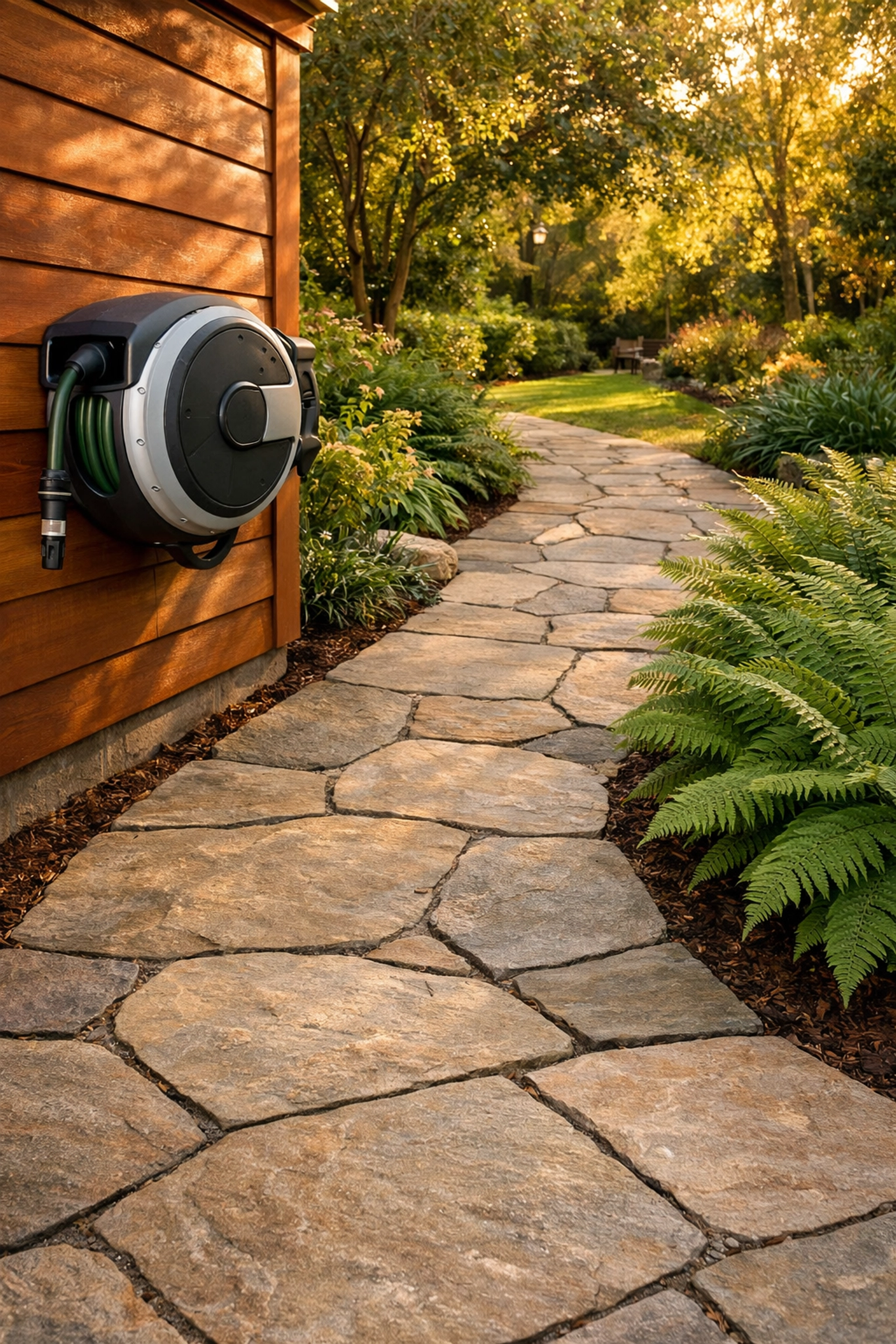
The garden hose is perhaps the most common tripping hazard in the yard. It’s easy to leave it stretched across a path while you go to grab a watering can. Make it a habit to use a hose reel: ideally an automatic one: that pulls the hose back in as soon as you are done. Similarly, never leave rakes, hoes, or shovels lying flat on the ground. Always lean them against a sturdy wall or put them back in the shed immediately after use.
Hidden Holes and Debris
Critters like moles or squirrels can leave small holes in the lawn that are easy to miss. Fallen branches and piles of wet leaves can also hide these holes or create slippery patches. Keeping your lawn clear of debris isn't just about aesthetics; it’s about ensuring every step you take is on solid, predictable ground.
Footwear and Gear: Your Foundation for Safety
Safety starts from the ground up. The shoes you wear in the house or for a quick trip to the store are usually not the best choice for the garden.
Sturdy Footwear
Flip-flops, sandals, and old sneakers with worn-down tread should be avoided. When you are on grass or mulch, you need a shoe with a deep tread to provide traction. Look for "outdoor" or "gardening" shoes that are waterproof and have a non-slip sole. They should also fit snugly; loose shoes can cause you to shuffle, which increases the risk of a fall.
Protecting Your Hands and Skin
While not directly related to falls, injuries to your hands or skin can distract you and cause a loss of balance. Use gloves with a rubberized grip to help you hold onto tools securely. Long sleeves and pants protect against scratches from thorns and irritation from plants like poison ivy or stinging nettles.
Knee Pads and Mats
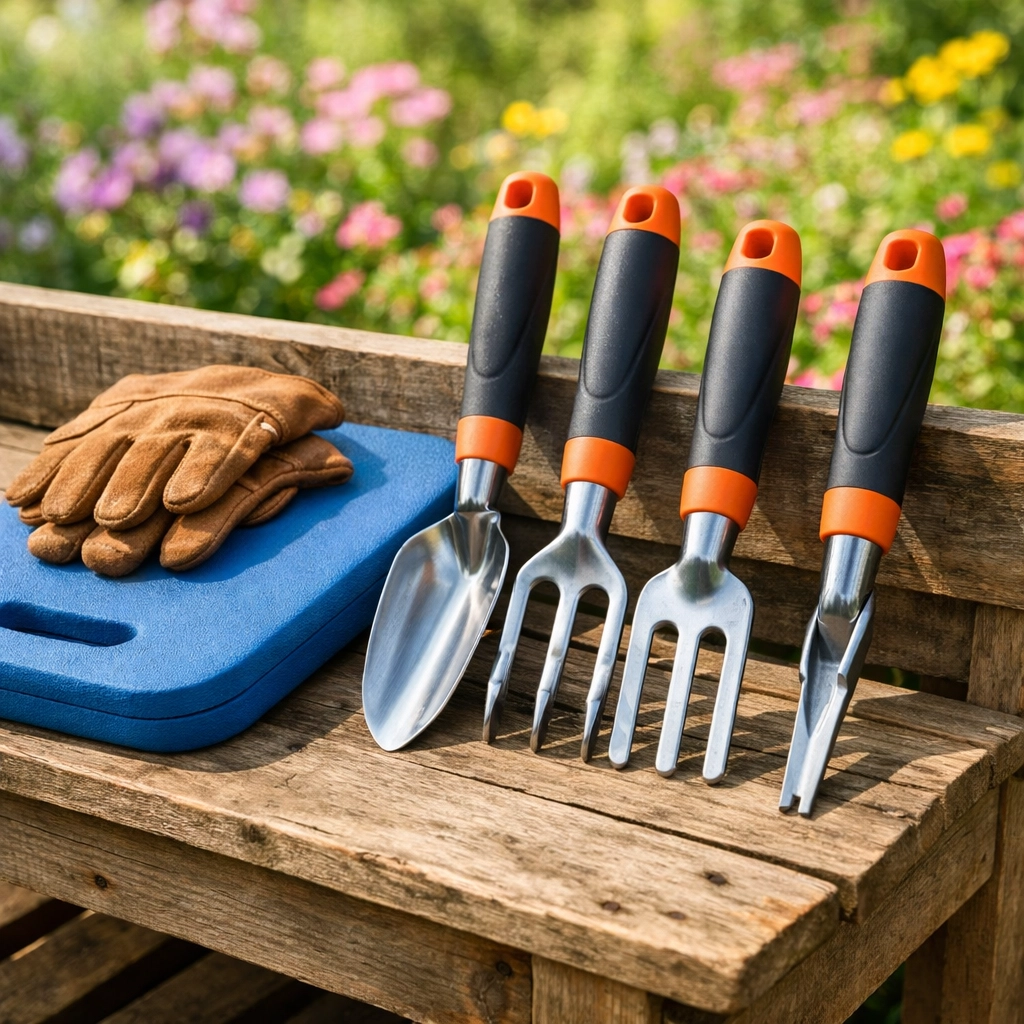
Bending over for long periods is hard on the back and can make you feel lightheaded when you finally stand up. Whenever possible, work from a kneeling position. Use high-quality knee pads or a thick gardening mat to protect your joints. This lowers your center of gravity, making you more stable while you work.
Ergonomics: Working Smarter, Not Harder
How we move in the garden matters just as much as where we move. Poor posture and repetitive motions are the leading causes of garden-related strain.
The Power of Pacing
It is easy to get "lost" in a gardening project and spend three hours hunched over a flower bed. We recommend the "15-minute rule": switch tasks every 15 to 20 minutes. If you’ve been raking, move to pruning. If you’ve been kneeling, stand up and do some light deadheading. This prevents any one muscle group from becoming over-fatigued, which is often when accidents happen.
Proper Lifting Techniques
When you need to move a bag of mulch or a heavy pot, always bend at the knees, not the waist. Keep the object close to your body. If something feels too heavy, it probably is. Don't be afraid to ask for help or use a garden cart or wheelbarrow to do the heavy lifting for you.
Long-Handled Tools
One of the best ways to prevent falls is to stay upright. Long-handled hoes, rakes, and even specialized weeding tools allow you to work without bending over. Look for tools with "ergonomic" handles that are shaped to fit the hand comfortably, reducing the grip strength required to use them.
Designing a "Fall-Free" Landscape
If you find that your traditional garden is becoming too much to manage, it might be time for a few design updates. Making the garden more accessible doesn't mean it has to be less beautiful.
The Magic of Raised Beds
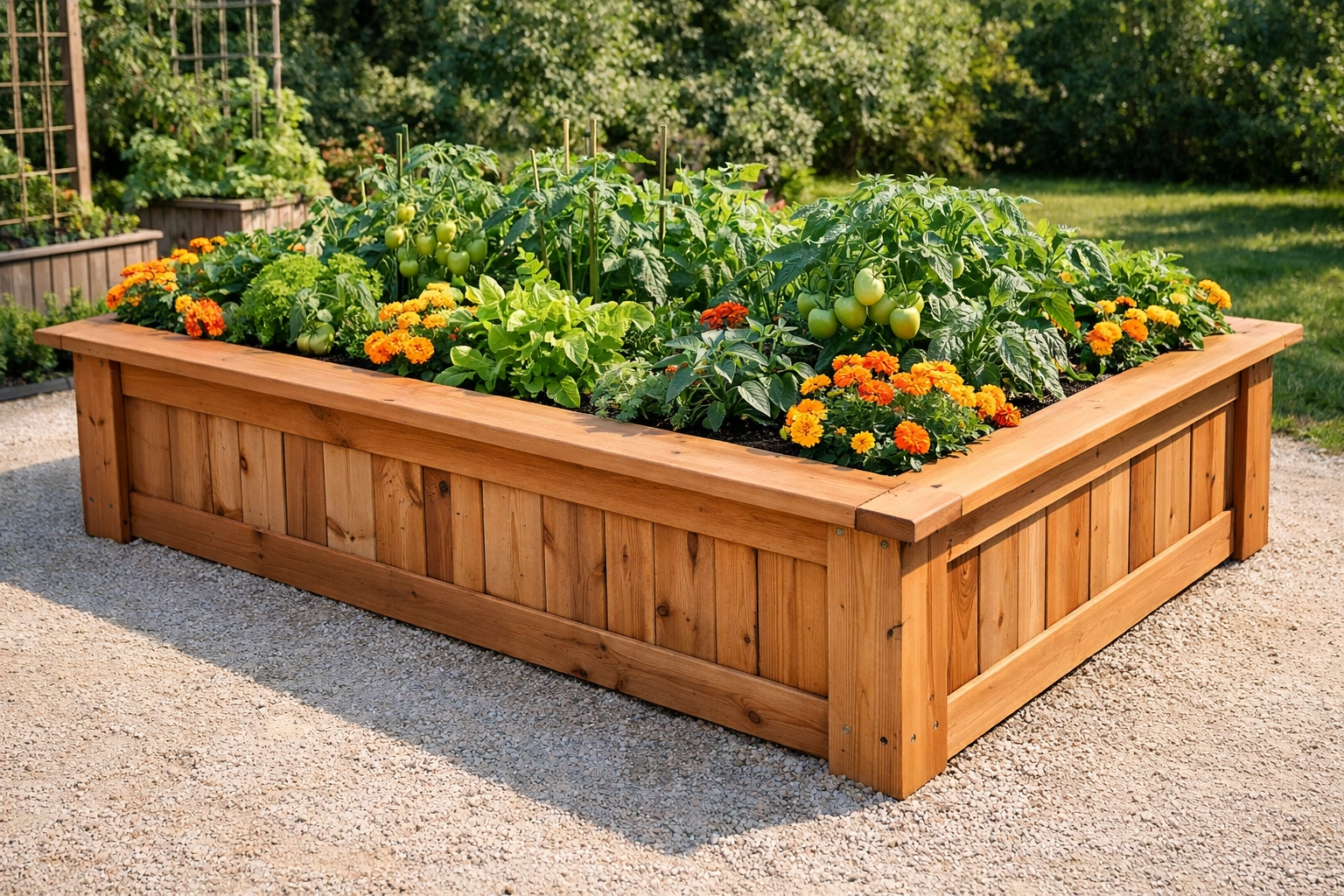
Raised beds are a game-changer for senior gardeners. By bringing the soil up to waist height, you eliminate the need to bend or kneel entirely. You can even design raised beds with wide ledges that serve as a bench, allowing you to sit down while you tend to your plants.
Widening Paths
Garden paths should be wide enough to accommodate a walker or even just to allow for a wider, more stable gait. Aim for paths that are at least 36 inches wide. Use materials that stay put; while pea gravel looks nice, it can feel like walking on marbles. Crushed stone or firmly packed "breeze" is a much more stable option.
Adding Support Structures
Just as you might have a grab bar in the bathroom, you can have "support points" in the garden. Sturdy fences, heavy-duty trellises, or even purposefully placed garden benches can provide a place to steady yourself if you feel a bit wobbly. If you have steps leading into the garden, ensure there is a solid handrail on at least one side.
Environmental Factors: Heat, Light, and Hydration
The elements play a huge role in your safety. Being outdoors means dealing with the sun and fluctuating temperatures, both of which can affect your balance and coordination.
Staying Hydrated
Dehydration is a sneaky culprit in many falls. It can cause dizziness, confusion, and muscle weakness. Even if you don't feel thirsty, take a water break every time you switch tasks. Keep a water bottle with you in the garden so you don't have to walk back to the house every time you need a sip.
Timing Your Work
Avoid gardening during the hottest parts of the day, typically between 10:00 AM and 4:00 PM. The heat can quickly lead to exhaustion. Early morning is often the best time: the air is cool, the birds are out, and you’ll have the most energy.
Lighting the Way
If you enjoy being in the garden as the sun goes down, lighting is essential. Solar-powered path lights are an easy, wire-free way to illuminate walkways. Ensure that any transitions, such as moving from a lawn to a patio, are well-lit to prevent trips.
Tool Safety and Maintenance
A dull tool is a dangerous tool. If a pair of pruners is blunt, you have to use twice as much force to make a cut. If that branch suddenly gives way, the force can throw you off balance.
Keep Them Clean and Sharp
At the end of each season, or even once a month, check your tools. Sharpen blades and oil hinges. This makes your work easier and much safer.
Power Tool Caution
Hedge trimmers and leaf blowers add a level of complexity. Always be mindful of power cords. It is incredibly easy to trip over a cord while your attention is focused on the hedge in front of you. Battery-powered tools are often a safer bet because they eliminate the "tripwire" effect of a cord.
Plant and Chemical Safety
Safety in the garden also means protecting yourself from what you grow and the products you use to help them grow.
Know Your Plants
Some common garden plants can cause skin irritation or are toxic if ingested (a concern if you have grandkids or pets visiting). Familiarize yourself with what is in your beds. If you have thorny bushes like roses or barberry near a path, keep them well-pruned so they don't catch on your clothing and pull you off balance as you walk by.
Storing Chemicals
Fertilizers, weed killers, and pesticides should be stored on a shelf at eye level or in a locked cabinet. Avoid storing heavy containers on high shelves where they could fall on you when you try to reach them. Always wash your hands thoroughly after gardening, even if you wore gloves.
What to Do If You Experience a Fall
Even with the best preparation, accidents can happen. Knowing what to do in the moment can prevent a bad situation from becoming worse.
- Don't Rush Up: If you fall, stay still for a moment. Take a few deep breaths and check for pain. Trying to scramble up quickly can lead to another fall or worsen an injury.
- Carry a Communication Device: Always have your cell phone in a pocket or wear a medical alert pendant while you are outside. If you are at the back of the property, your voice might not carry to the house or the neighbors.
- The Whistle Trick: Some gardeners keep a small whistle on their keychain or around their neck. It takes much less energy to blow a whistle than to shout for help.
A Final Note from Brian
At Fall Guys Products, our goal isn't to tell you to stay inside and play it safe. It’s exactly the opposite! We want you out there in the dirt, enjoying the sunshine and the fruits of your labor. Gardening is one of the best ways to maintain the leg strength and "proprioception" (your body’s awareness of where it is in space) that prevents falls in the first place.
By making a few small adjustments to your garden layout and being mindful of your habits, you can keep your "green thumb" active for years to come. Remember, a safe garden is a garden you can enjoy every single day.
Take it slow, stay hydrated, and enjoy the view. You’ve earned it!

