
Falls are one of those things we don’t like to talk about until they happen. But for many seniors and their caregivers, the fear of a fall can start to shrink their world. It might mean hesitating to get out of bed at night or feeling nervous about taking a shower alone.
The good news is that falling isn't an inevitable part of aging. It is a manageable risk. By combining physical activity, home modifications, and the right equipment, we can create an environment where independence is protected and safety is the default setting. This guide is designed to walk you through the world of fall prevention products, helping you understand what exists and how to choose what’s right for your specific situation.
Understanding the "Why" Before the "What"
Before looking at specific products, it’s helpful to understand why falls happen. Usually, it isn't just one thing. It’s often a combination of physical factors: like balance or muscle strength: and environmental factors: like a loose rug or a dimly lit hallway.
Products designed for fall prevention aim to address these gaps. Some provide physical support, while others increase visibility or provide a "buffer" in case a slip does occur. When you start looking at these tools, try to view them not as signs of "getting older," but as tools for staying active. Just as a hiker uses a trekking pole to navigate a difficult trail, a senior uses a grab bar or a walker to navigate their day safely.
Categorizing Assistance Levels
Not everyone needs the same level of support. Identifying where you or your loved one currently stands can help prevent "over-equipping" or, conversely, relying on gear that isn't sturdy enough.
Minimal Assistance
This level is for people who are generally mobile but might feel a little "tippy" occasionally. The goals here are stability and confidence. Products include single-point canes, basic grab bars in the bathroom, and improved lighting.
Medium Assistance
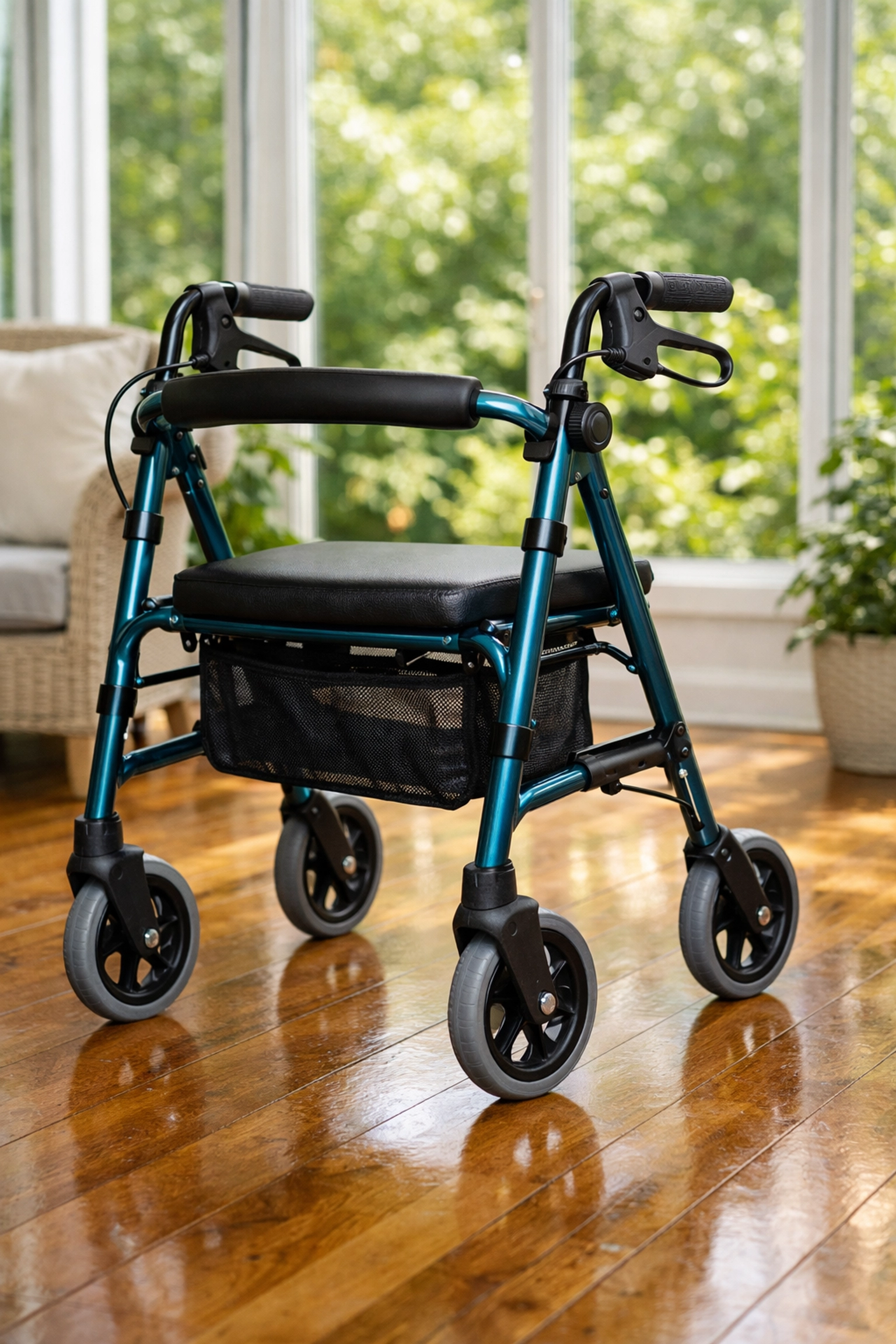
For those who need a hand to steady themselves most of the time, medium assistance tools are necessary. This includes rollators (walkers with wheels and seats), transfer poles that help people stand up from a couch or bed, and raised toilet seats that reduce the distance a person has to lower themselves.
Maximum Assistance
When mobility is significantly limited, the focus shifts to safe transfers and total support. This involves wheelchairs, power lift chairs, and ceiling or floor lifts that help caregivers move a person without risking injury to either party.
The Bathroom: The Highest Priority for Safety
If you only focus on one room in the house, make it the bathroom. Between the hard surfaces, wet floors, and the physical transitions required for bathing and using the toilet, it is the most common site for home accidents.
Grab Bars vs. Towel Racks
The most common mistake people make is grabbing a towel rack for balance. Towel racks are designed to hold the weight of a piece of fabric, not a human being. A true grab bar is bolted into the wall studs and can support hundreds of pounds. Modern grab bars come in various finishes, so they don’t have to look like they belong in a hospital.
Shower Seating
Standing on a soapy, slippery surface is a challenge for anyone’s balance. A shower chair or a wall-mounted fold-down seat allows the user to remain seated while washing. This significantly reduces fatigue: and fatigue is a major contributor to falls.
Raised Toilet Seats
The act of sitting down and standing up from a low toilet requires a surprising amount of lower-body strength. A raised toilet seat, especially one with integrated handles, makes this transition much safer. It essentially shortens the "trip" the body has to take to reach the seat.
The Bedroom: Managing Transitions and Nighttime Risks
Many falls occur during the transition from lying down to standing up, particularly in the middle of the night when someone might be groggy or the room is dark.
Bed Rails and Assist Handles
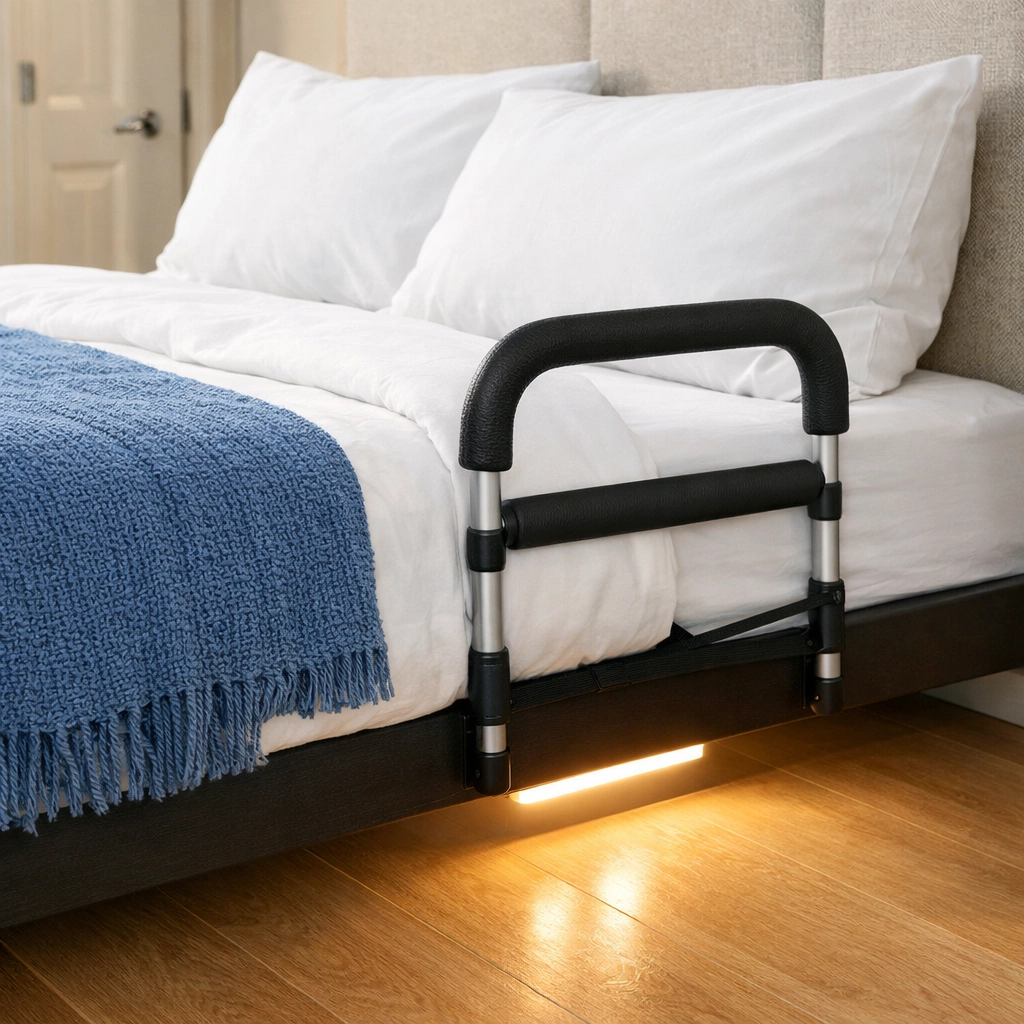
A bed rail serves two purposes: it prevents someone from rolling out of bed, and it provides a sturdy handle to pull against when sitting up. For seniors who struggle with the "log roll" method of getting out of bed, an assist handle offers a fixed point of leverage.
Fall Mats
If a person is at a high risk of rolling out of bed despite rails, a fall mat (or "impact mat") can be placed on the floor next to the bed. These are made of high-density foam designed to absorb the force of a fall, potentially preventing a broken hip or head injury.
Bedside Commodes
Sometimes, the safest way to prevent a fall is to eliminate the need for the walk to the bathroom at 3:00 AM. A bedside commode provides a solution that is only a few inches away from the bed, reducing the risk of a fall in the dark.
Living Areas and Navigation
The rest of the home requires a different strategy. Here, the focus is on clear paths and "stations" where someone can rest or get help standing.
Transfer Poles and Floor-to-Ceiling Bars
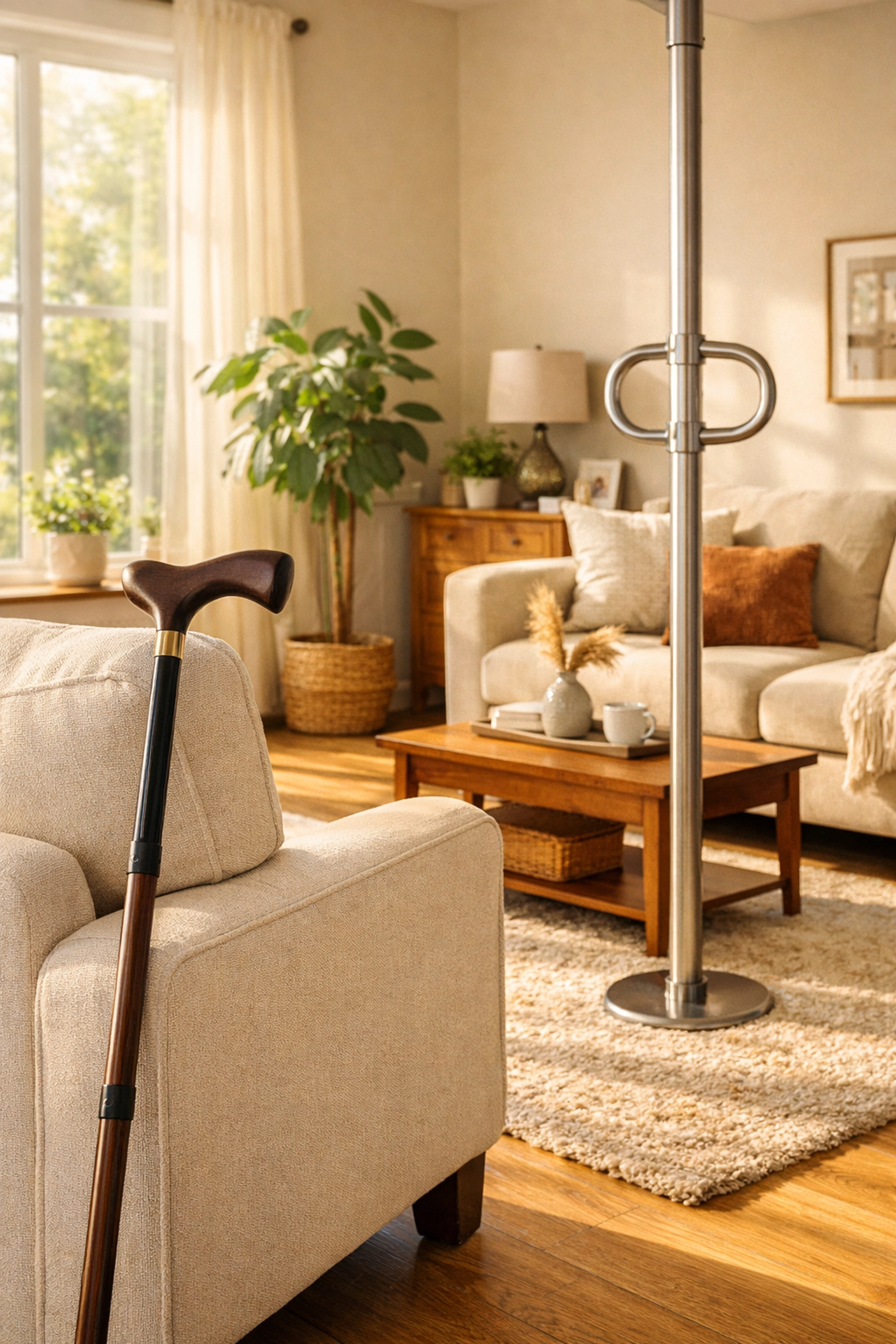
In rooms where there isn't a wall nearby to mount a grab bar: like the middle of a living room next to a favorite recliner: a transfer pole is an excellent solution. These poles use tension to stay secure between the floor and the ceiling. They provide a 360-degree handhold that helps people pull themselves up from a seated position.
Lift Chairs
A power lift chair looks like a standard recliner but contains a motor that tilts the entire chair forward, gently guiding the person into a standing position. This is particularly helpful for those with severe arthritis or Parkinson’s, as it removes the "thrust" usually needed to get out of a deep chair.
Stair Safety
Stairs are a major obstacle. While a stairlift is the ultimate solution, smaller changes can help. Installing handrails on both sides of the stairs is a simple but effective upgrade. Adding non-slip treads or high-contrast tape to the edge of each step can also help those with visual impairments navigate the stairs more confidently.
Personal Mobility Aids: Finding the Right Match
When it comes to walking aids, "one size" definitely does not fit all.
- Canes: Best for those who need a little extra balance or need to take weight off a painful joint.
- Walkers (Standard): Provide the most stability but require the user to pick them up with each step.
- Rollators: These have wheels and a seat. They are great for people who can walk but need frequent breaks. However, they can "run away" from a user if they aren't used properly on an incline.
Choosing between these should ideally involve a physical therapist. They can check the height (the handle should usually be at the level of the wrist crease) and ensure the user's gait is compatible with the device.
Safety Beyond the Hardware: Lighting and Wearables
Sometimes the best fall prevention product isn't a bar or a chair: it’s something you wear or something that changes the environment.
Lighting Solutions
Motion-activated night lights are a game changer. Placing them along the path from the bed to the bathroom ensures that the floor is always visible without the user having to fumbled for a light switch.
Proper Footwear
Walking around in socks on a hardwood floor is a recipe for a slip. Non-slip socks with "grippies" on the bottom are a simple, inexpensive tool. Even better are supportive, firm-soled shoes worn even inside the house. Many falls are caused by "floppy" slippers that don't stay on the foot properly.
Hip Protectors
These are specialized undergarments with pads over the hip bones. While they don't prevent the fall itself, they are designed to prevent the fracture that often follows. They are especially useful for individuals with osteoporosis.
The Human Element: How to Use Products Effectively
Buying the product is only half the battle. The other half is making sure it is used correctly and maintained.
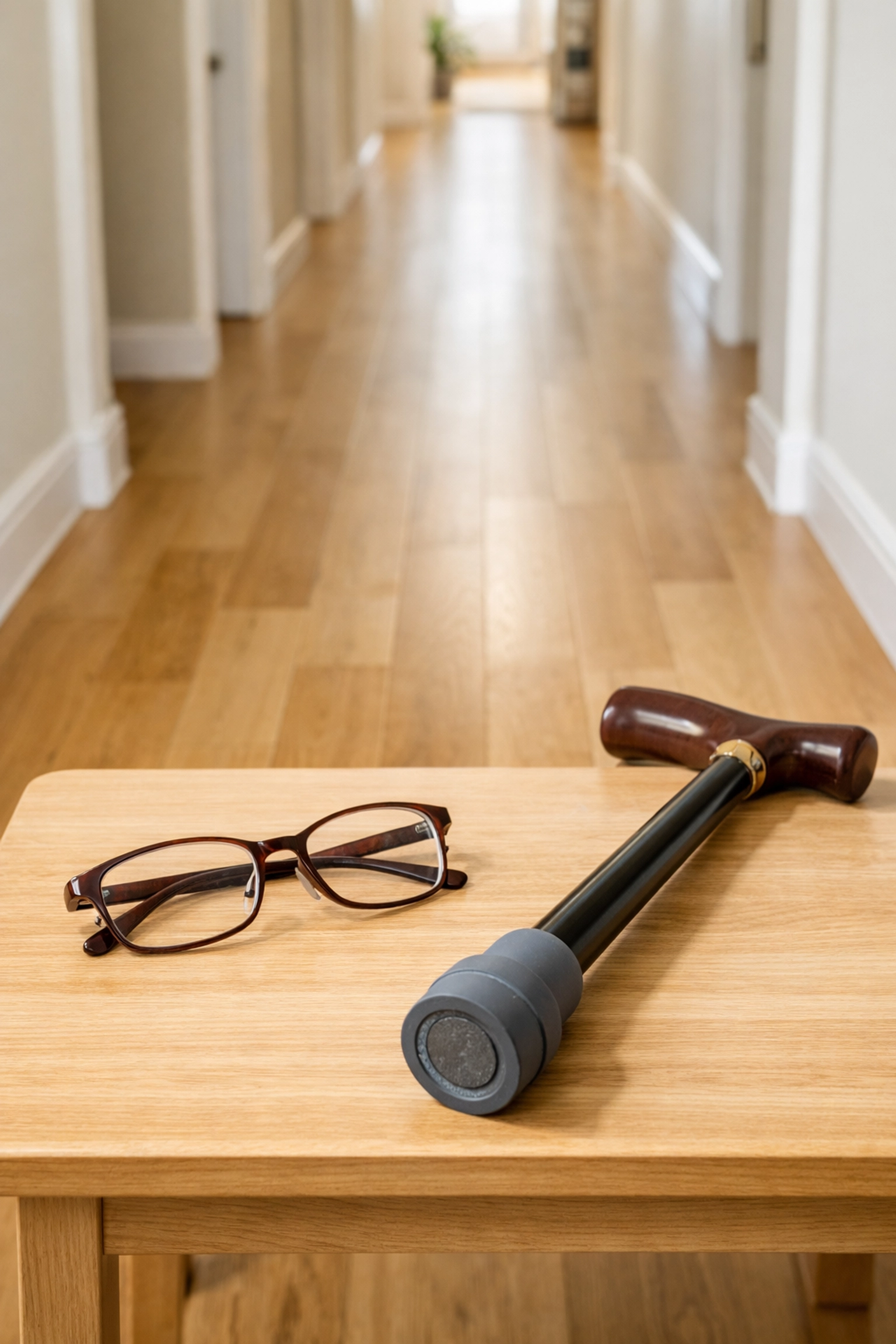
- Check for Wear and Tear: Rubber tips on canes and walkers wear down just like tires on a car. If the rubber is smooth or cracked, the device loses its grip. Check these monthly.
- Clear the Path: No amount of equipment can overcome a house full of clutter. Keep "traffic lanes" clear of power cords, throw rugs, and pet toys.
- Professional Assessment: If possible, have an Occupational Therapist (OT) do a home safety evaluation. They are trained to see risks that the rest of us miss, and they can suggest specific placements for grab bars and poles that maximize their utility.
A Reassuring Path Forward
Taking steps to prevent falls isn't about giving up your independence; it's about claiming it. When you feel safe in your own home, you have more energy to focus on the things you actually enjoy: like spending time with family, working on hobbies, or just relaxing without worry.
Every home is different, and every person's needs are unique. Start small. Fix the lighting, get the right shoes, and look at the bathroom. From there, you can build a comprehensive safety plan that allows you to move through life with confidence. Fall prevention is a journey, and with the right tools, it’s one you can navigate successfully.

