
Maintaining independence is one of the most important goals as we age. For many seniors, the home is more than just a building; it is a collection of memories and a place of comfort. However, as mobility changes, that same home can begin to present challenges that weren't there before.
Fall prevention isn't about limiting a person’s life or admitting defeat. It’s about being proactive. It’s about making smart adjustments that allow you or your loved one to move through the day with confidence and peace of mind. This guide is designed to help you navigate the world of fall prevention, from simple home modifications to specialized equipment that provides the support needed to stay safe.
Understanding the Landscape of Home Safety
The first step in any fall prevention journey is understanding that most falls are not "accidents" in the sense that they are random or unavoidable. They are usually the result of a combination of factors: physical health, medication effects, and environmental hazards.
When we talk about products for fall prevention, we are looking for tools that address these factors. Some products help by improving the environment (like lighting or non-slip surfaces), while others assist the person directly (like walkers or stability rails).
The goal is to create a "safety net" throughout the home. This doesn't mean your house has to look like a clinical hospital ward. Many modern solutions are designed to blend into the home environment while providing professional-grade support.
Starting with the Basics: The Home Assessment
Before buying a single product, it’s helpful to do a walkthrough of the home. Think of this as a safety audit. Look for "trip hazards": those little things we’ve learned to step over or ignore for years.
- Loose Rugs: These are one of the most common causes of slips. Even if they look nice, if they don't have a high-quality non-slip backing, they are a risk.
- Thresholds: The small bumps between rooms can be easy to trip on, especially if someone is using a walker or has a shuffling gait.
- Lighting: Dimly lit hallways are a recipe for trouble, especially during late-night trips to the kitchen or bathroom.
- Clutter: Piles of books, shoes near the door, or electrical cords stretching across a walkway.
Once these basics are identified, you can begin looking at specific products to solve the more complex challenges.
Bathroom Safety: The Highest Priority Area
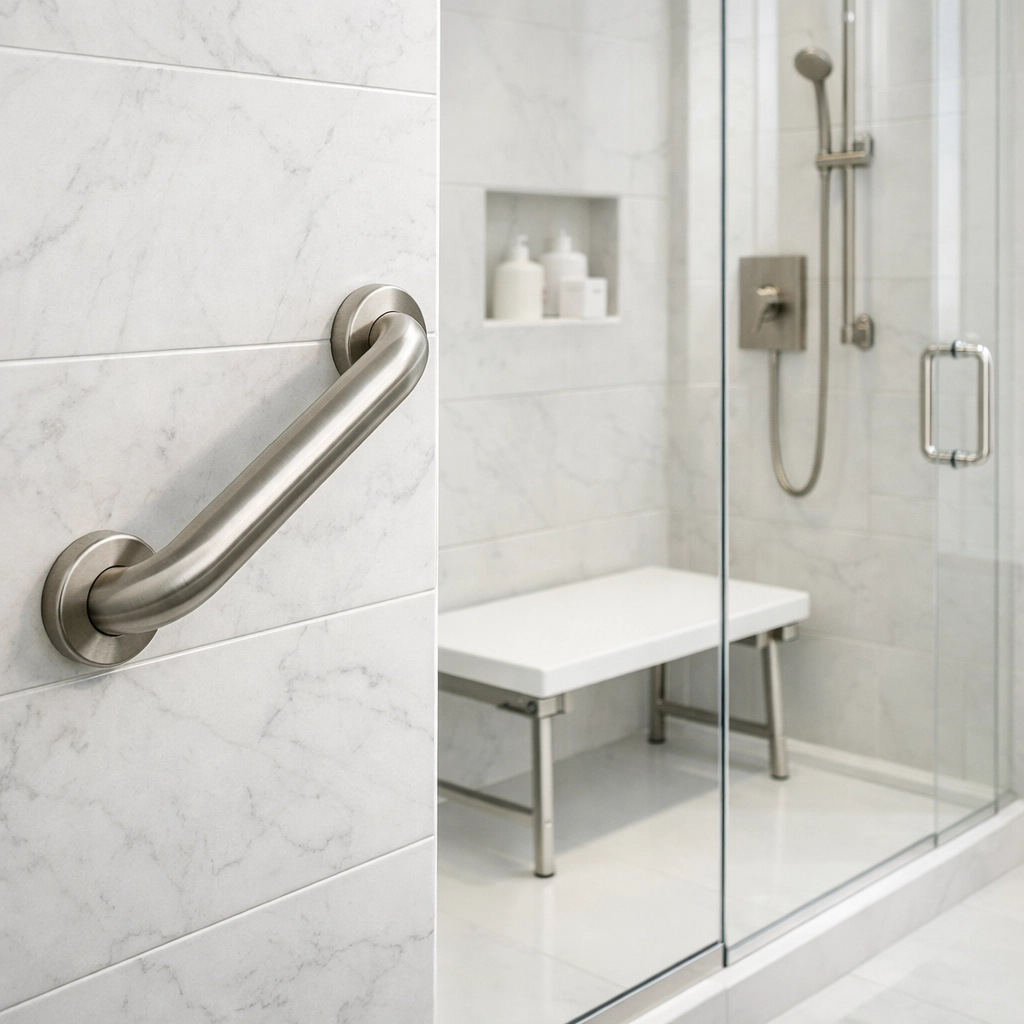
Statistically, the bathroom is the most dangerous room in the house. The combination of hard surfaces, water, and the physical transitions required (sitting to standing, stepping over tub walls) creates a high-risk environment.
Grab Bars and Rails
A common mistake is using a towel rack for support. Towel racks are designed to hold the weight of a piece of fabric, not a human being. True grab bars are bolted into the wall studs and can support hundreds of pounds.
For those who don't want to drill into tile or who need support in the middle of a room, there are tension-mounted poles. These provide a vertical handhold that can be placed exactly where it’s needed, such as next to a shower or a toilet, without permanent construction.
Shower Seats and Benches
Standing in a slippery shower can be exhausting. A high-quality shower chair or a transfer bench (which spans the side of the tub) allows a person to sit securely while bathing. This reduces the risk of slipping and also helps conserve energy, which is important for preventing falls that happen due to fatigue.
Raised Toilet Seats
The simple act of sitting down and standing up from a low toilet can be a major strain on the knees and hips. A raised toilet seat, often equipped with padded arms, reduces the distance a person has to travel. This makes the transition much more stable and less likely to result in a loss of balance.
Enhancing Stability in the Bedroom
Getting in and out of bed is another critical transition point. Many falls occur at night when a person is groggy or the room is dark.
Bed Rails and Assist Handles
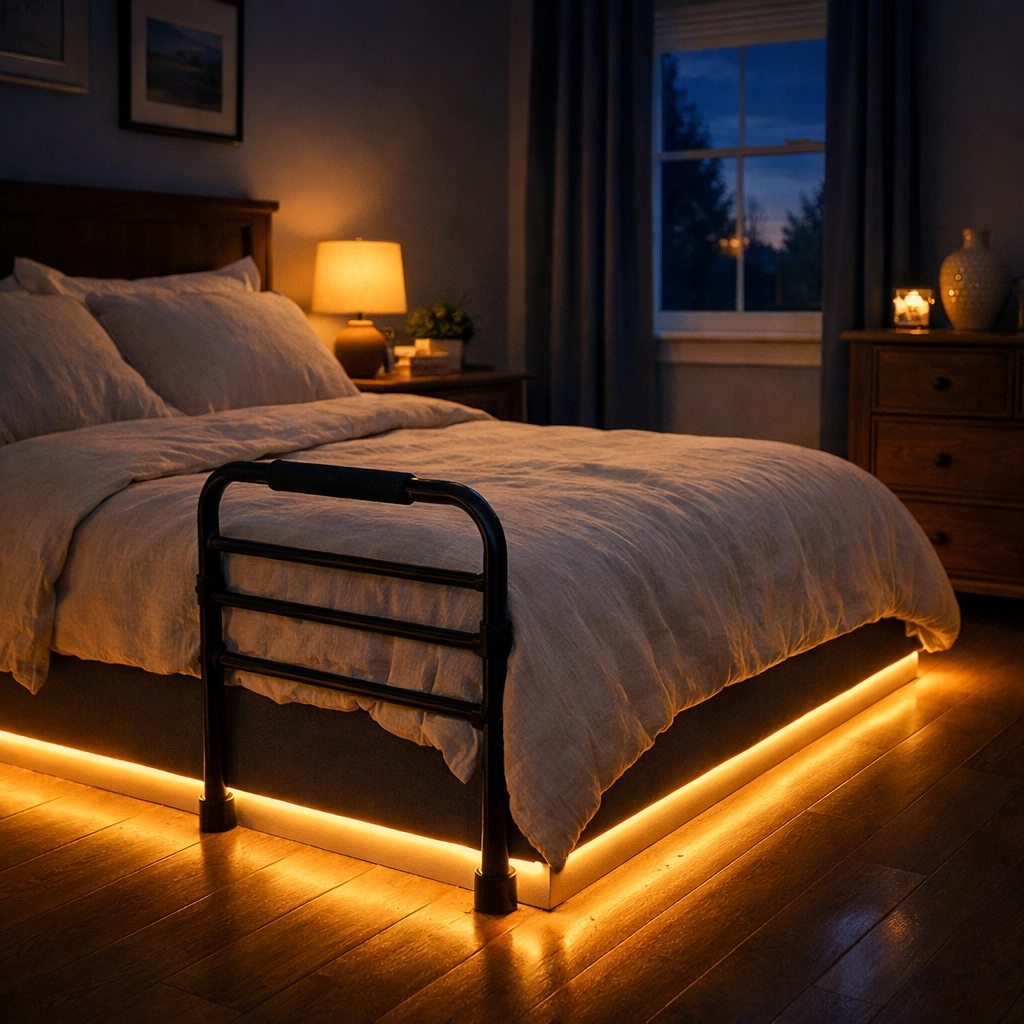
Bed rails serve two purposes: they prevent a person from rolling out of bed, and they provide a sturdy handle to pull against when sitting up. There are many designs available, from small assist handles that slide under the mattress to longer rails that provide more coverage.
Lighting Solutions
Motion-activated lighting is a game-changer for bedroom safety. Having lights that automatically turn on under the bed or along the baseboards when your feet hit the floor can illuminate the path to the bathroom without requiring you to fumbling for a lamp switch in the dark.
Mobility Aids: Matching Support to Need
Not all mobility aids are created equal. The right choice depends on the level of assistance required.
Minimal Assistance: Canes and Non-Slip Footwear
For someone who just needs a little extra balance, a standard or quad cane can provide that "third leg" of stability. Additionally, something as simple as high-traction footwear or non-slip socks can make a massive difference on hardwood or tile floors.
Medium Assistance: Walkers and Rollators
If balance is more of a concern, a walker provides a wider base of support. Rollators (walkers with wheels and a seat) are excellent for those who want to maintain an active lifestyle but need the ability to sit down and rest frequently. They often come with baskets for carrying items, which keeps the user's hands free to grip the handles.
Maximum Assistance: Poles and Floor-Mounted Rails
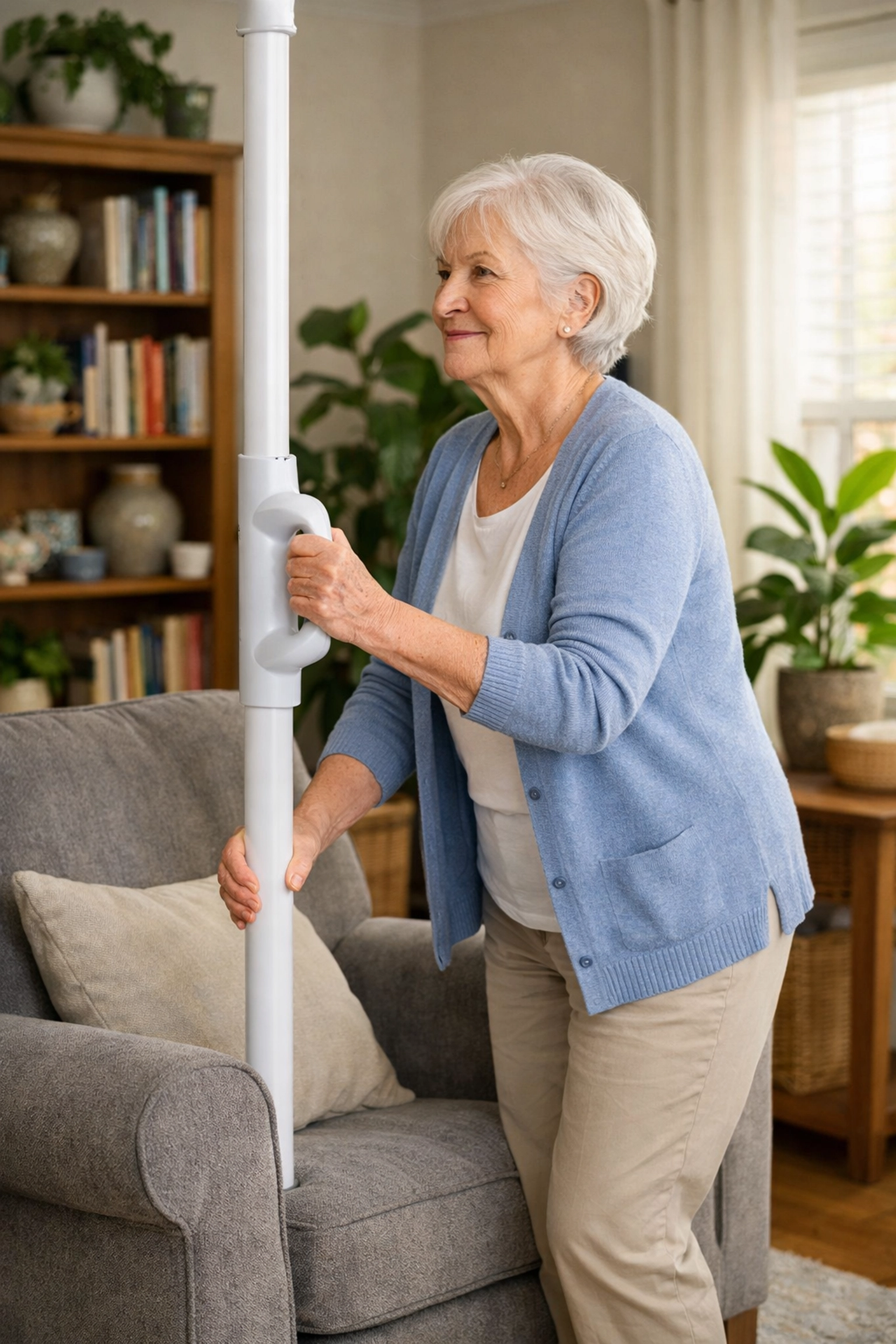
For individuals who struggle with "sit-to-stand" transitions in the living room or bedroom, specialized stability poles are invaluable. These are floor-to-ceiling poles that provide a vertical grip. Because they are vertical, they allow a person to "climb" their way up to a standing position using their upper body strength, which is often more reliable than leg strength in the morning or after sitting for long periods.
The Living Room: Comfort Without the Risk
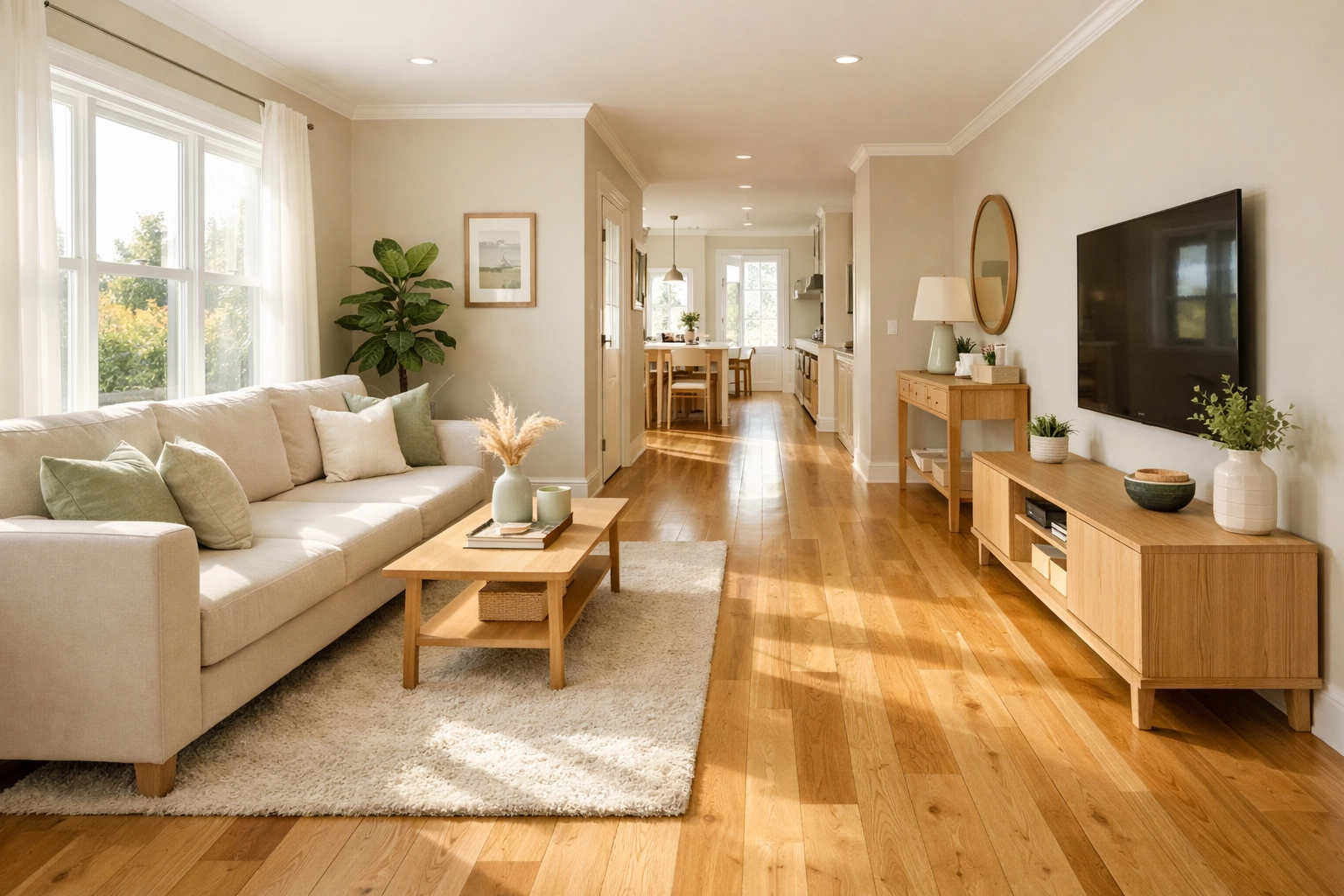
The living room is where we spend a lot of our time, but soft, plush furniture can actually be a hazard. A very deep, soft sofa can be nearly impossible to get out of for someone with limited core strength.
Furniture Risers
If a favorite chair is too low, furniture risers can be placed under the legs to lift it by several inches. This simple change can make a world of difference in how easy it is to stand up.
Clear Pathways
In the living room, "zoning" is important. Ensure there is a wide, clear path from the main seating area to the kitchen and the bathroom. Remove coffee tables that sit in the middle of the walking path, or replace them with smaller side tables that don't obstruct movement.
The Role of Strength and Balance
While products are essential, they work best when paired with physical activity. You don't need to be a marathon runner to improve your stability.
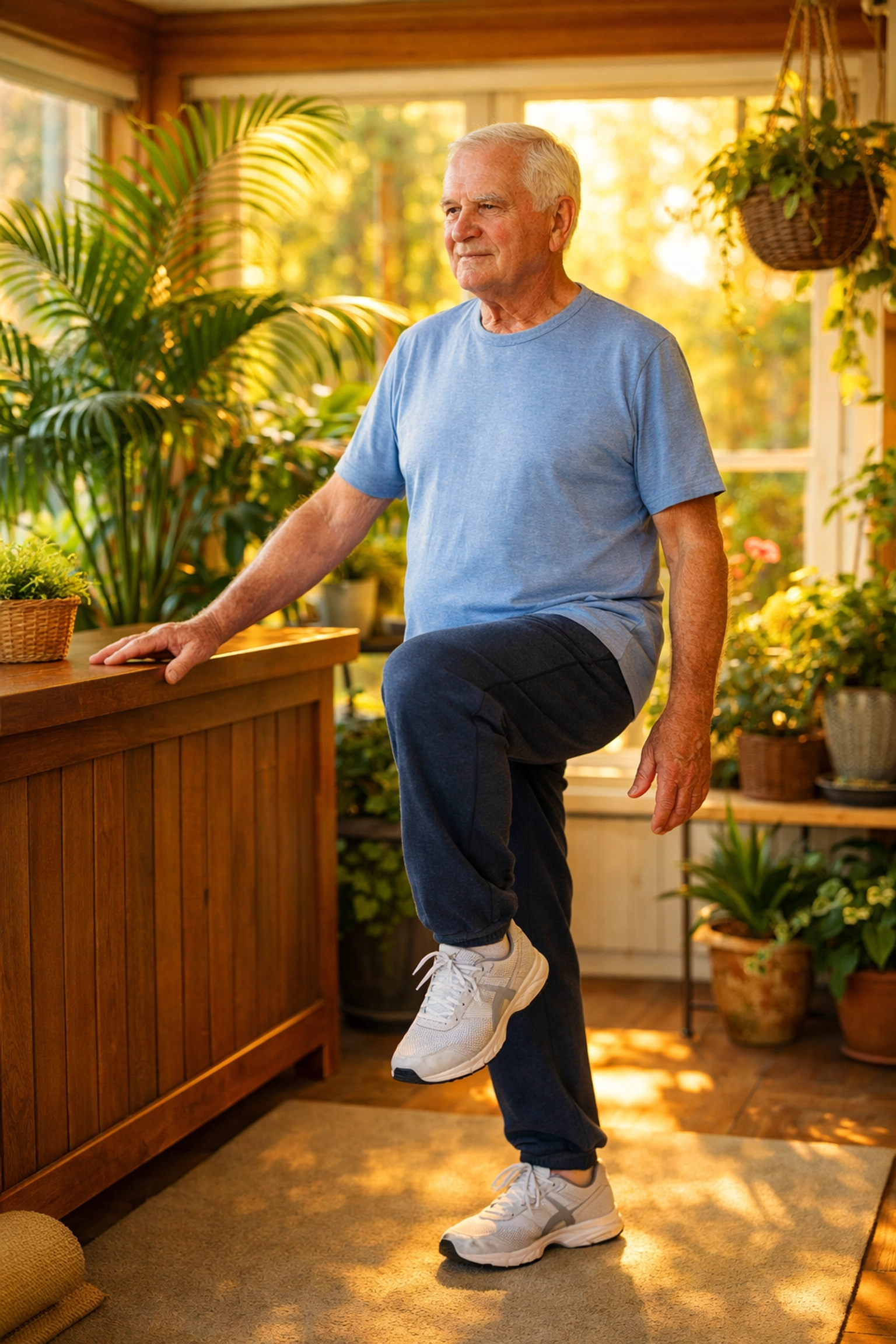
Simple exercises, often performed with the help of a physical therapist, can strengthen the "stabilizer" muscles in the ankles and hips. Even standing on one leg (while holding onto a sturdy rail or counter) for a few seconds a day can help train the brain and body to maintain balance.
Products like balance discs or small pedal exercisers can be used at home to maintain muscle tone. Remember, the goal of fall prevention products is to complement the body’s abilities, not just replace them.
For the Caregiver: Building a Support System
If you are a caregiver looking for products for a loved one, the most important thing you can offer is reassurance. Sometimes, a senior might resist getting a walker or installing a grab bar because they feel it makes them look "old."
Framing the conversation around "independence" rather than "disability" is key. Instead of saying, "You need this because you're falling," try saying, "This pole will make it so much easier for you to get up and get your coffee in the morning whenever you want."
It’s also important to ensure that the products are installed correctly. A grab bar that isn't secure is more dangerous than no grab bar at all, because it provides a false sense of security. If you aren't handy with a drill, it is well worth the investment to hire a professional to ensure everything is bolted down and stable.
Technology and Monitoring
In 2026, technology plays a huge role in fall prevention. Beyond physical rails and mats, there are now sensors that can detect if a person has fallen without them needing to press a button.
- Wearable Alerts: Traditional pendants are still common, but many smartwatches now have fall detection built-in.
- Non-Wearable Sensors: Some systems use wall-mounted sensors to monitor movement patterns and can alert family members if a person’s routine changes (for example, if they spend an unusually long time in the bathroom).
These tools provide an extra layer of reassurance for family members who may not live in the same house.
Conclusion: Taking the First Step
Fall prevention is a journey, not a one-time task. As needs change, the environment should evolve too. Start with the most high-risk areas: the bathroom and the bedroom: and work your way out from there.
By combining simple home modifications, the right stability products, and a focus on physical strength, you can significantly reduce the risk of injury. Most importantly, you create an environment where you or your loved one can feel safe, confident, and independent in the place that matters most: home.
The best time to think about fall prevention is before a fall happens. By taking action today, you are investing in a safer, more mobile future. Care, preparation, and the right tools are the keys to success.

