
Falls are one of those topics that many of us prefer to keep on the back burner until something actually happens. However, being proactive about fall prevention isn't about admitting weakness; it’s about protecting your independence. The right environment can be the difference between a minor slip and a life-altering injury.
When we talk about fall prevention products, we aren't just talking about "gear." We’re talking about creating a supportive ecosystem in your home that allows you to move with confidence. This guide will walk you through the various categories of equipment and modifications available today, helping you understand what works, why it works, and how to choose what’s right for your specific needs.
Understanding the Landscape of Mobility Aids
Mobility aids are often the first line of defense. These devices are designed to increase your base of support, providing more contact points with the ground and helping to redistribute weight away from weak or painful joints.
Canes and Quad Canes
A standard cane is a great starting point for someone who needs a little extra balance or has minor weakness on one side of the body. However, not all canes are created equal. You’ll find single-point canes and quad canes (which have four feet). Quad canes provide significantly more stability and can stand up on their own, which prevents the user from having to bend down to pick up a dropped cane: a common fall risk in itself.
Walkers and Rollators
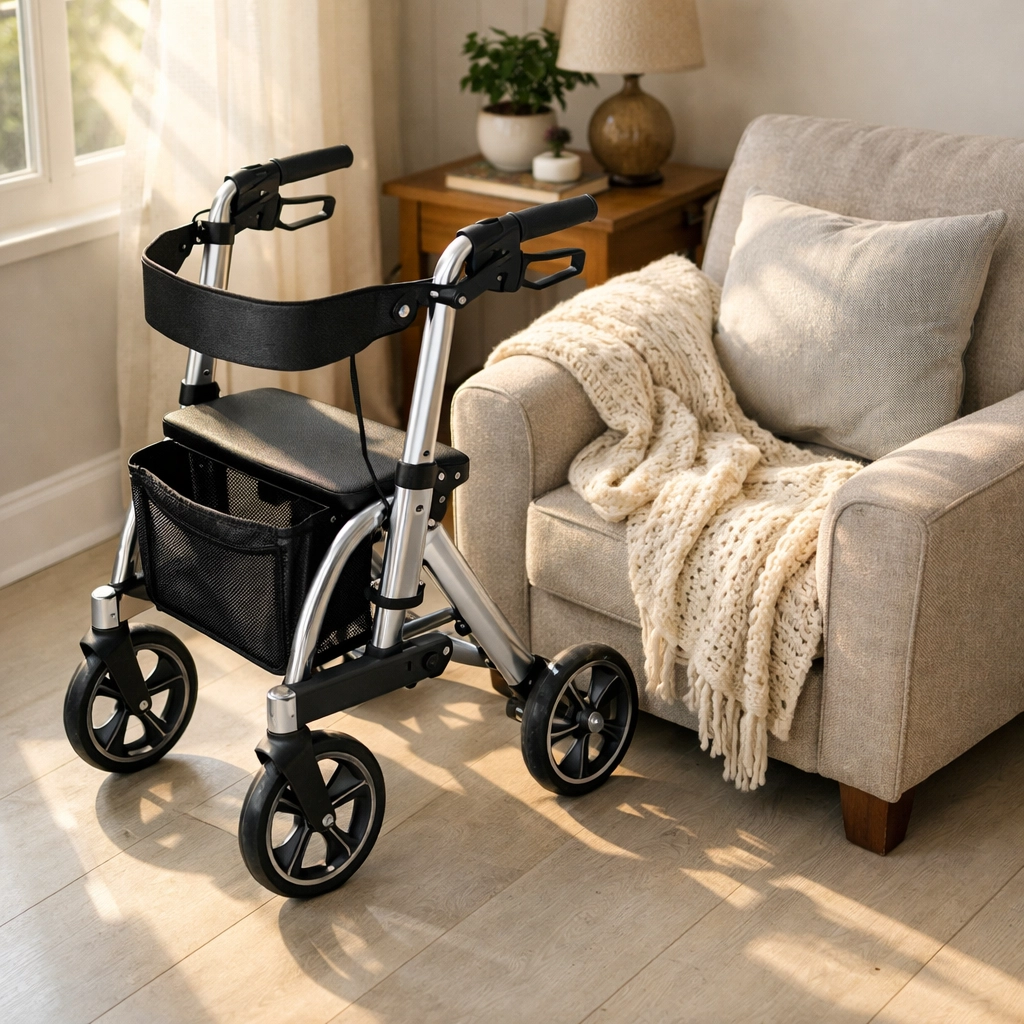
If balance is more of a concern, walkers provide a stable frame. Standard walkers (without wheels) require the user to lift the device, which is excellent for stability but can be tiring. Rollators, or wheeled walkers, feature four wheels, a seat, and hand brakes. These are ideal for those who can walk but need the security of a seat for frequent breaks. The key here is ensuring the height is adjusted correctly; your elbows should have a slight 15-degree bend when holding the handles.
Securing the "Wet Zones": Bathroom Safety
Statistically, the bathroom is the most dangerous room in the house. The combination of hard, slick surfaces and water makes it a high-risk area.
Grab Bars: Drill vs. No-Drill
Grab bars are non-negotiable for a safe bathroom. Traditional grab bars are screwed into the wall studs, providing the highest level of weight support. For those who cannot drill into tile or are in a rental situation, high-quality suction or tension-based bars exist. However, it is vital to check the indicator lights on suction bars daily to ensure the seal hasn't been compromised.
Raised Toilet Seats and Safety Rails
Squatting down to a low toilet and pushing back up to a standing position requires significant lower body strength. A raised toilet seat reduces the distance you have to travel, making the transition much safer. When paired with safety rails: either attached to the toilet or freestanding: you have a secure "launchpad" that prevents the common "plopping" motion that can lead to falls.
Shower Seating
Standing in a slippery shower while closing your eyes to wash your hair is a recipe for disaster. A sturdy shower chair or bench allows you to perform hygiene tasks while seated. Look for chairs with non-slip rubber feet and drainage holes to prevent water buildup on the seat itself.
Bedroom Stability and Overnight Safety
Many falls occur at night when we are groggy or the lighting is poor. Making the bedroom a "fall-safe" zone involves both equipment and environmental changes.
Bed Rails and Assist Rails
There is a distinct difference between these two. A bed rail is often longer and designed to prevent someone from rolling out of bed. An assist rail is usually smaller and designed specifically to provide a sturdy handle for getting in and out of bed. These are incredibly helpful for people with back pain or Parkinson’s, where the initial movement to sit up is the most difficult part of the morning.
Transfer Poles
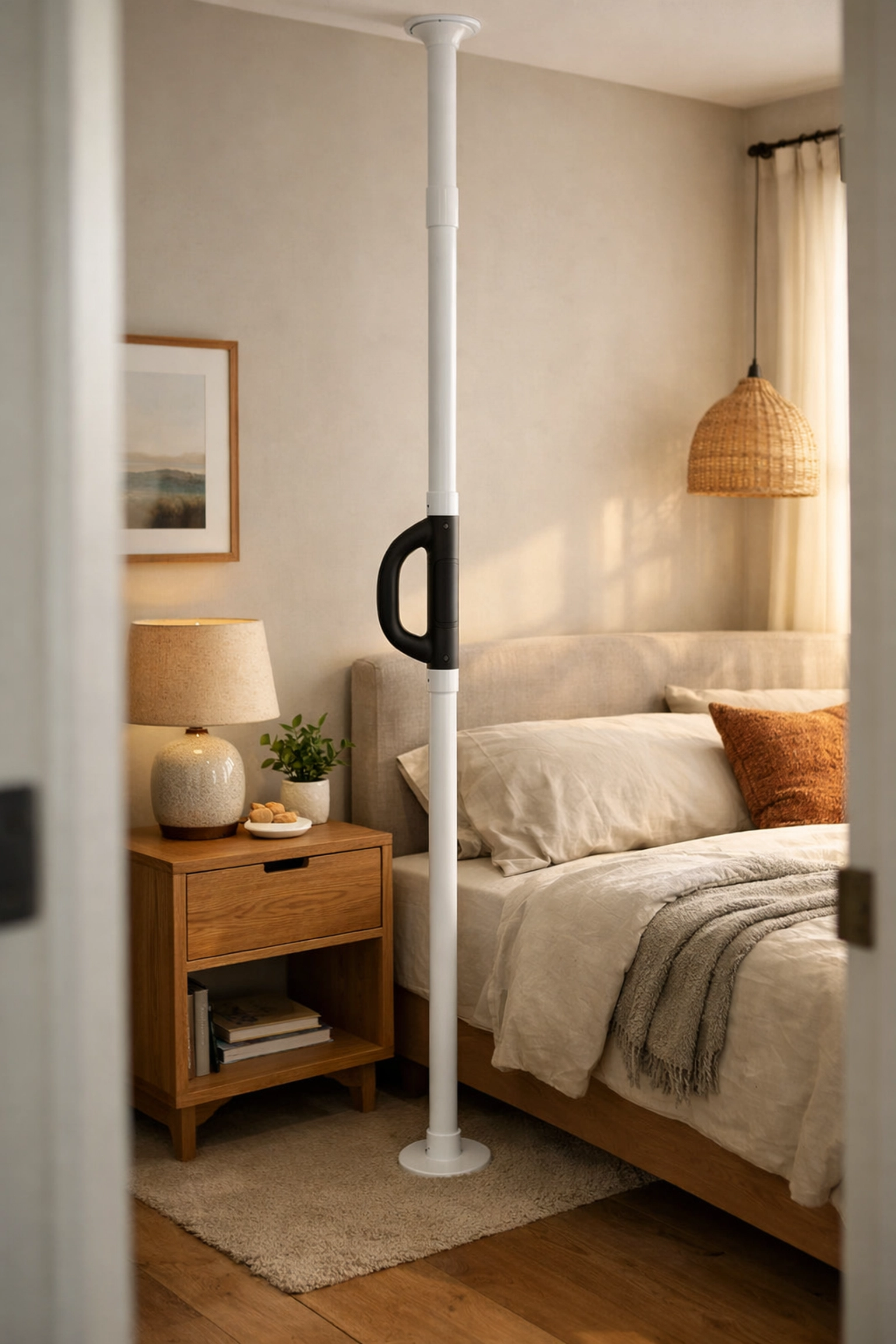
A transfer pole is a floor-to-ceiling tension bar. These are fantastic because they can be placed in open areas where there are no walls to hold onto. Placing one next to the bed or a favorite armchair provides a 360-degree support system. They are particularly useful because they utilize the "closed kinetic chain" of your body, allowing you to use your arms and legs in unison to stand safely.
Managing Transitions in Living Areas
Living rooms and hallways are often cluttered with "invisible" hazards. While equipment helps, the way it interacts with your flooring is what matters most.
The Problem with Rugs
Area rugs are the enemy of stability. Even with "non-slip" backing, the edges can curl or provide a slight lip that catches a toe. If you must have rugs, ensure they are secured with heavy-duty double-sided tape or replaced with low-pile carpeting. For hard floors, non-slip floor mats made of medical-grade silicone or rubber can provide a "safe path" through the home.
Lighting and Visibility
You can have all the grab bars in the world, but if you can't see where you're going, you’re at risk. Motion-activated night lights are a game-changer. They should be placed along the path from the bed to the bathroom and in entryways. This removes the need to fumbly for a light switch in the dark.
Specialized Equipment for High-Risk Individuals
For those with specific conditions like dementia or advanced osteoporosis, standard products might not be enough.
Alert Systems and Fall Detection
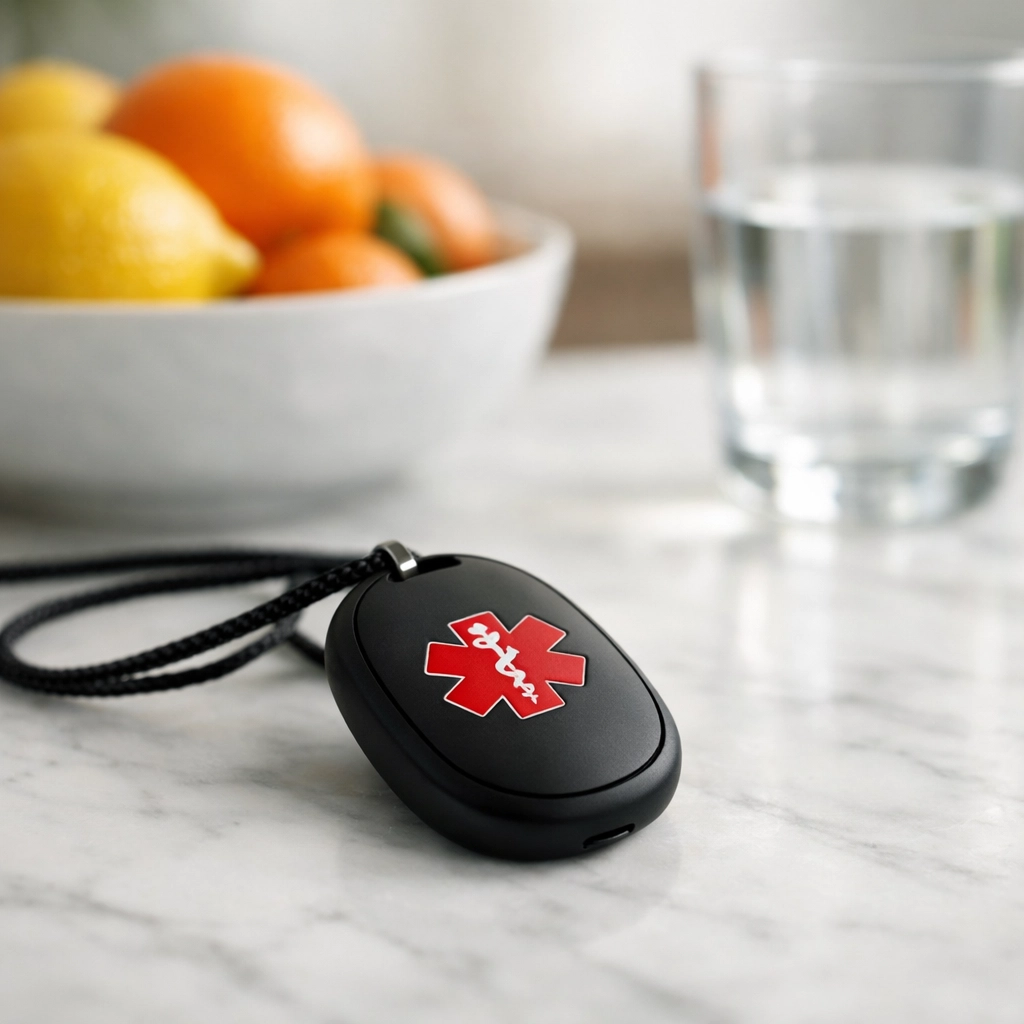
Wearable technology has come a long way. Modern medical alert systems often include "automatic fall detection" using accelerometers. If the device detects a sudden drop followed by a lack of movement, it can call for help automatically. This is a vital safety net for those who live alone.
Hip Protectors
While they don't prevent the fall itself, hip protectors are specialized undergarments with padded inserts. They are designed to absorb and redistribute the impact of a fall, significantly reducing the risk of a hip fracture. For individuals with low bone density, these can be a life-saving addition to their daily routine.
The Role of Professional Assessment
Buying products "off the shelf" can sometimes do more harm than good if the product isn't a fit for your specific mobility level. This is where a Physical Therapist (PT) or Occupational Therapist (OT) becomes your best ally.
A PT can perform a professional mobility assessment, looking at your gait, balance, and strength. They can tell you, for example, if a walker is actually making you lean too far forward, which could increase your risk of a forward fall. An OT specializes in "activities of daily living" and can help you map out exactly where a grab bar should be placed based on how you personally move in the shower.
Footwear: The Foundation of Prevention
It’s easy to overlook what’s on your feet. Walking in socks on hardwood floors is one of the most common causes of home falls.
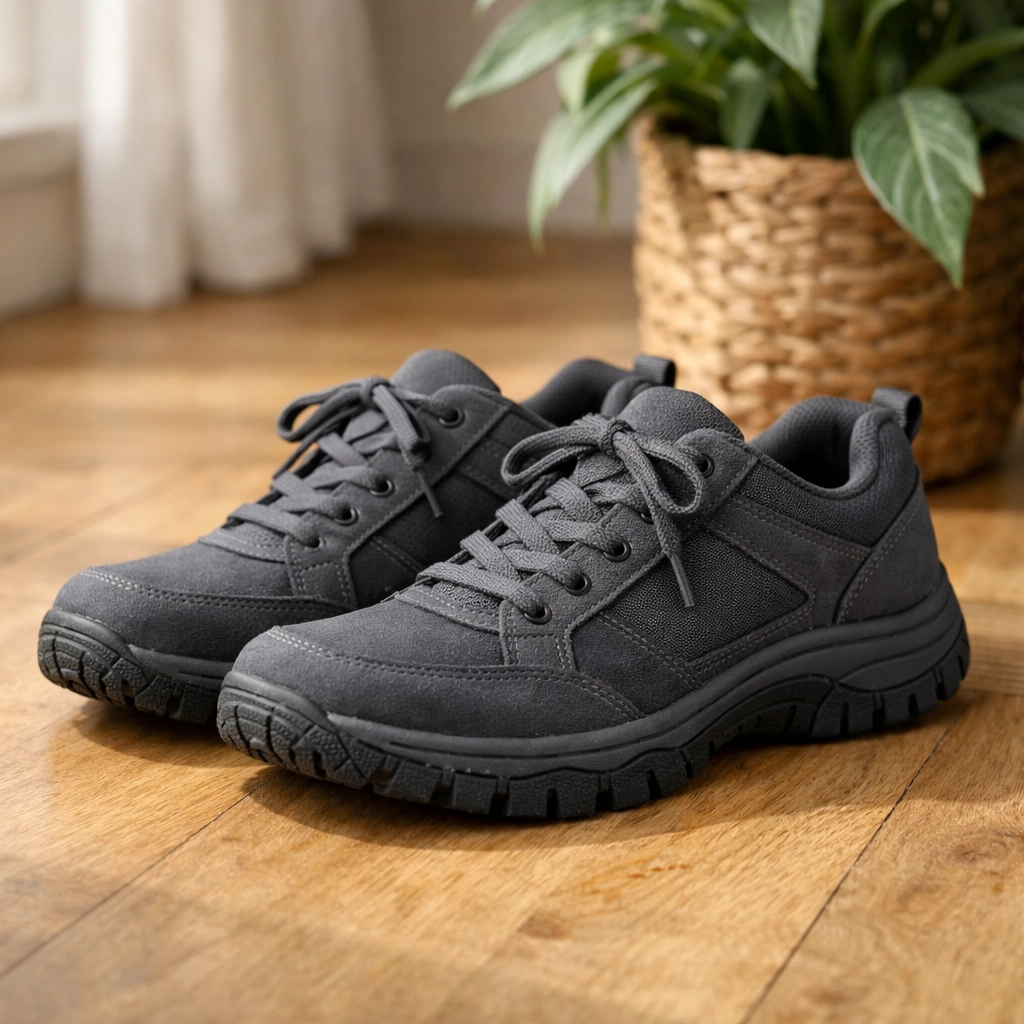
The ideal footwear for fall prevention has:
- A thin, firm sole: This allows your feet to feel the ground (proprioception).
- A low heel: High heels or even some thick-soled athletic shoes can shift your center of gravity too far forward.
- A secure fit: Avoid "floppy" slippers or backless shoes that can slip off.
- Non-skid tread: Look for rubberized soles that provide "grip" on tile and wood.
How to Choose the Right Products
When you’re looking at all these options, keep these three factors in mind:
1. Weight Capacity and Dimensions
Always check the weight rating of any device. Bariatric-rated equipment is designed with reinforced frames to handle higher weight loads safely. Additionally, measure your doorways. Many people buy a high-quality rollator only to find it doesn't fit through their bathroom door.
2. Grip Material
The "feel" of a handle matters. Foam grips are comfortable but can degrade and become slippery over time. Textured plastic or rubber grips often provide a more secure "non-slip" surface, especially if your hands tend to get sweaty or if you have arthritis and cannot "squeeze" the handle tightly.
3. Ease of Installation
Be honest about your DIY skills. While many modern fall prevention products are designed for "no-drill" installation, they still require proper tensioning or assembly. If a product isn't installed correctly, it can provide a false sense of security, which is more dangerous than having no product at all.
A Proactive Mindset
Fall prevention isn't a one-time event; it’s an ongoing process of adjusting your environment as your needs change. By integrating these products into your home, you aren't just "fixing" a house; you’re creating a space where you can age with dignity and safety.
The goal is to keep you moving. Whether it's a simple night light or a full-scale transfer pole system, each product serves as a building block for a more secure, independent life. Take the time to assess your home today( your future self will thank you.)

