
When you are caring for a loved one with dementia, your daily to-do list is already a mile long. You’re managing appointments, meal times, and emotional support, all while trying to keep the household running. But there is one concern that often sits at the back of every caregiver's mind: the fear of a fall.
It’s a valid concern. Research shows that individuals living with dementia face a fall risk nearly double that of their peers without cognitive impairment. In fact, fall rates for those with dementia approach 50% annually.
But here’s the reassuring part: falls are not an inevitable part of the journey. By understanding why dementia increases fall risk and making targeted, thoughtful changes to the environment and daily routine, you can significantly lower those odds. This guide is designed to give you a comprehensive, step-by-step approach to creating a safer home without sacrificing the dignity or independence of your loved one.
Understanding the "Why" Behind the Fall
To prevent a fall, we first have to understand why they happen more frequently in people with dementia. It isn't just about physical weakness; it’s about how the brain interacts with the world.
Dementia can affect a person’s gait: the way they walk: making steps shorter or more hesitant. It also impacts "executive function," which is the brain’s ability to plan a path across a room or recognize that a rug might be slippery. Furthermore, many forms of dementia cause changes in visual-spatial perception. A dark rug on a light floor might look like a hole in the ground, causing a person to stop suddenly or overstep, leading to a loss of balance.
By recognizing these cognitive factors, we can move beyond just "clearing the floor" and start building a truly supportive environment.
Creating a Dementia-Friendly Environment
The home should be a sanctuary, but for someone with cognitive decline, it can become a maze of "visual noise" and physical hazards. The goal of environmental modification is to simplify the surroundings and provide clear, stable cues for movement.
Lighting and Visibility
Lighting is your first line of defense. As we age, we need more light to see clearly, but for someone with dementia, shadows can be misinterpreted as physical objects or obstacles.
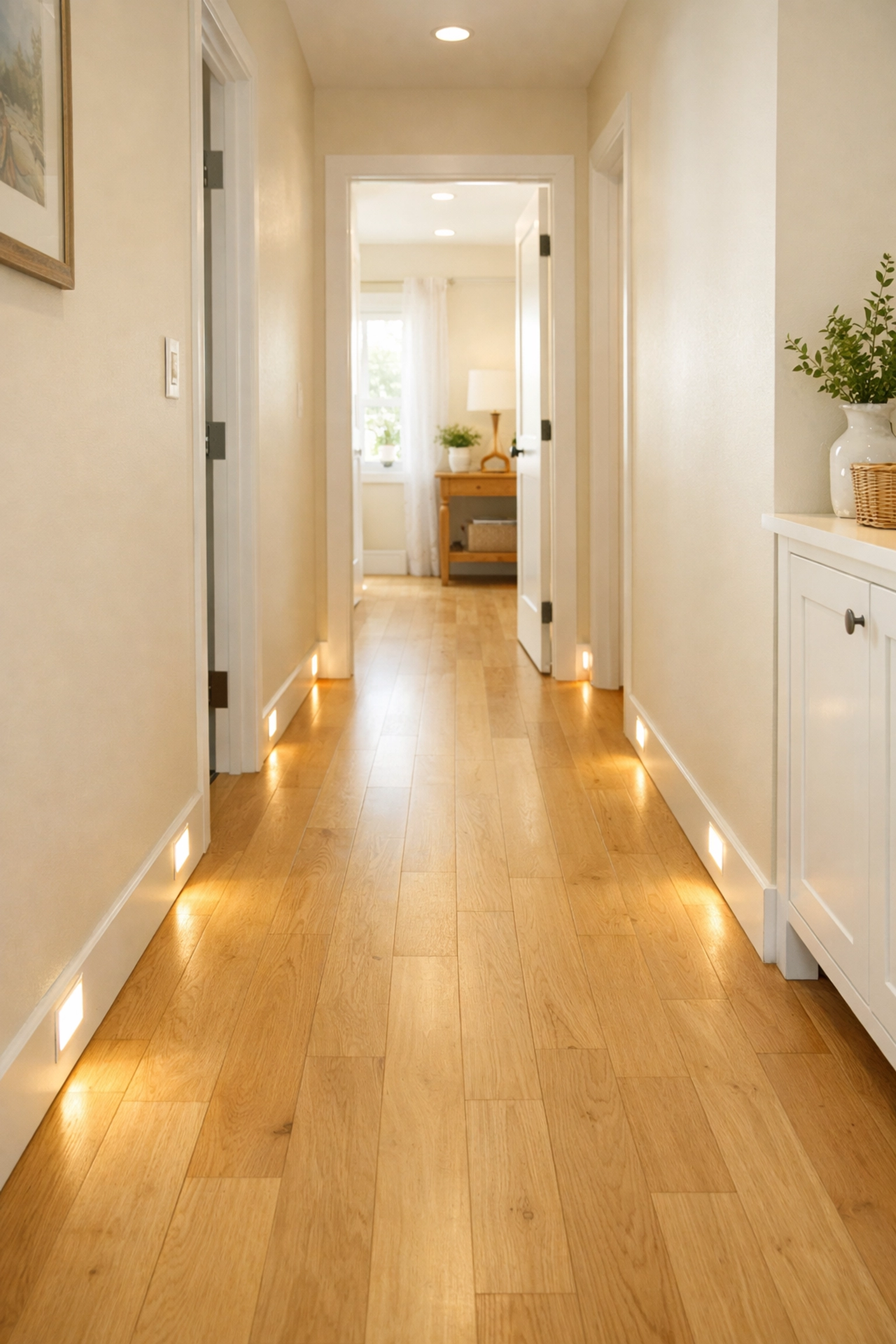
- Eliminate Shadows: Ensure hallways and corners are brightly lit. Use "warm" LED bulbs that mimic natural light.
- Night Lights: Install motion-sensor night lights along the path from the bed to the bathroom.
- Contrast is Key: Use contrasting colors to help objects stand out. For example, if the bathroom walls and floor are white, a brightly colored toilet seat or grab bar provides a clear visual target.
Flooring and Navigation
We often talk about removing "tripping hazards," but in dementia care, we also need to think about "visual hazards."
- Remove Throw Rugs: Even if they are taped down, the change in texture and height is a risk. Furthermore, patterned rugs can be visually confusing.
- Clear the Path: Maintain wide, clear walkways. Remove small furniture like plant stands or coffee tables that might be easily bumped into.
- Fix Uneven Surfaces: Use transition strips between different types of flooring (like carpet to tile) to ensure there is no lip to trip over.
Bathroom Safety: Addressing the High-Risk Zone
The bathroom is statistically the most dangerous room in the house due to slippery surfaces and the physical transitions required (sitting to standing, stepping over a tub wall).
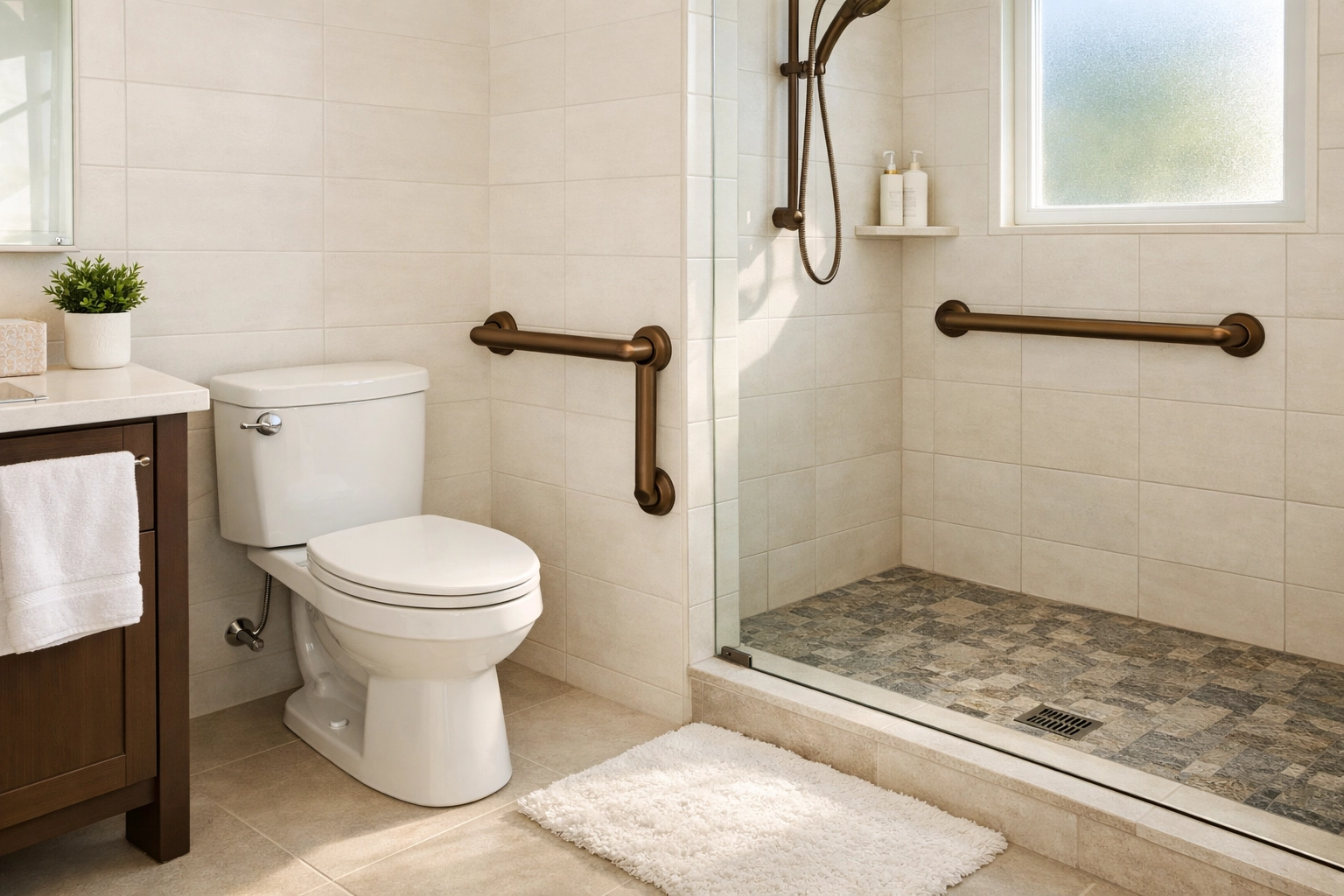
- Grab Bars: Install high-contrast grab bars near the toilet and inside the shower. These provide a physical "anchor" for someone feeling unsteady.
- Non-Slip Solutions: Use non-slip mats both inside and outside the tub. Ensure they are a solid color that contrasts with the floor.
- Raised Toilet Seats: Reducing the distance a person has to "drop" when sitting down can prevent a loss of balance.
- Shower Chairs: Encouraging a seated shower reduces the fatigue that often leads to slips.
The Paradox of Over-Assistance
It’s natural to want to hold your loved one's arm every time they stand up or to hover closely behind them. However, research has uncovered a counterintuitive finding: excessive mobility assistance can actually increase fall risk for those who haven't recently fallen.
When we over-assist, we inadvertently cause "learned helplessness." The person’s muscles may weaken faster because they aren't being used, and their natural sense of balance (proprioception) begins to dull.
The goal should be safe movement, not restricted movement. Encourage your loved one to move as much as they safely can. Instead of doing the movement for them, provide a stable environment: like a well-placed handrail or a sturdy piece of furniture: that allows them to steady themselves. This maintains their muscle tone and, perhaps more importantly, their sense of autonomy.
Physical Activity and Mobility
Keeping the body moving is one of the most effective ways to prevent falls. Even small, regular movements can improve leg strength and coordination.
The Role of Physical and Occupational Therapy
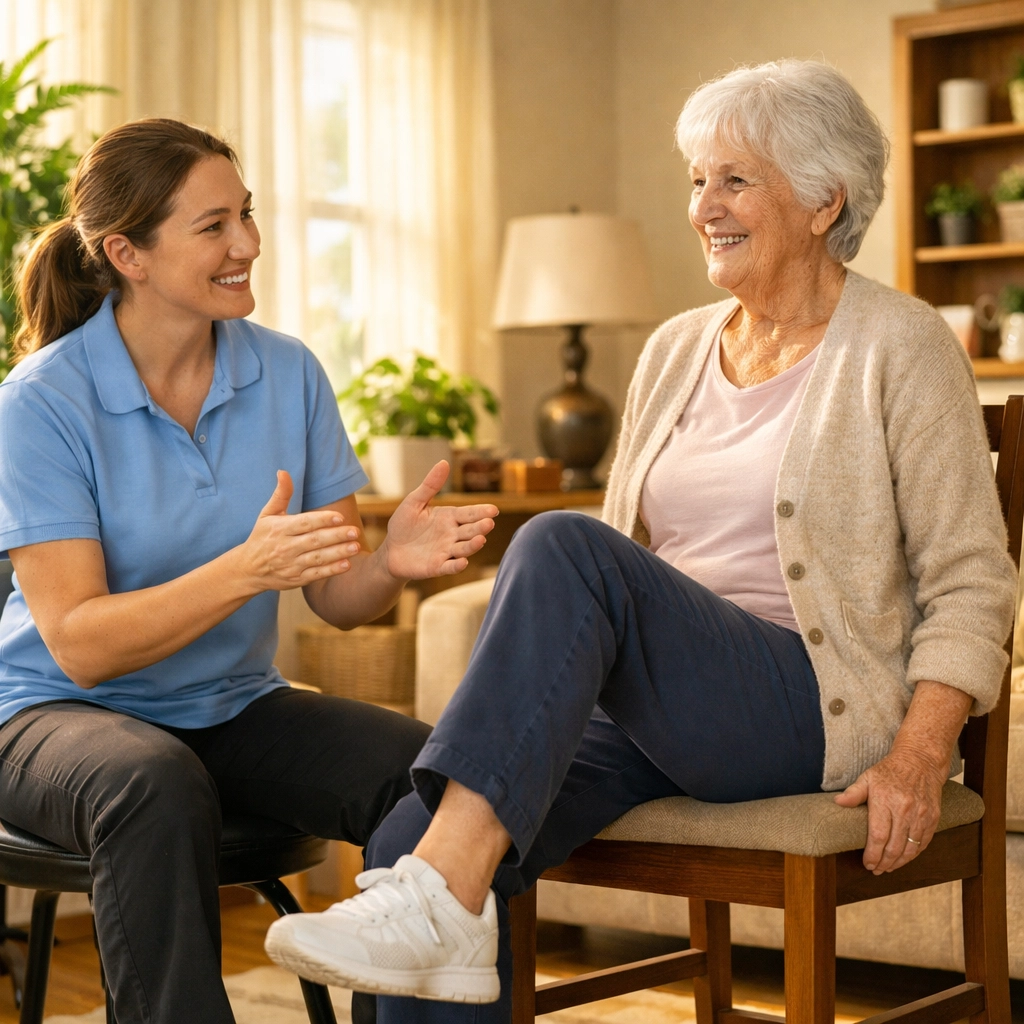
Working with a professional is highly recommended. A Physical Therapist (PT) can create a customized exercise plan that focuses on "dynamic balance": the ability to stay steady while moving. An Occupational Therapist (OT) can look at how your loved one performs daily tasks and suggest modifications to make those tasks safer.
Simple Home Exercises
If a PT isn't immediately available, low-impact activities can still make a difference:
- Chair Exercises: Lifting legs or doing "seated marches" helps maintain hip and thigh strength.
- Stretching: Gentle stretching keeps joints flexible, which helps with a more natural walking gait.
- Walking: Short, supervised walks in a familiar, well-lit environment are excellent for both physical health and mental well-being.
Assistive Devices: Using Tools Correctly
Walkers, canes, and rails are vital tools, but they are only effective if used correctly. In dementia care, "learning" to use a new device can be a challenge.
If you introduce a new mobility aid, like a walker, it requires "muscle memory." It’s best to introduce these tools in the earlier stages of dementia if possible, so the use becomes second nature. If the person is in a later stage, they may forget to reach for their walker before standing up. In these cases, environmental supports like wall-mounted handrails or floor-to-ceiling tension poles may be more effective because they are "fixed" and always in the same place.
Ensure all devices are checked regularly. Are the rubber tips on the cane worn down? Are the brakes on the walker working perfectly? A faulty device is often more dangerous than no device at all.
Managing Pain and Health Factors
Sometimes, a fall isn't caused by a trip or a slip, but by a physical sensation.
The Pain Connection
Individuals with dementia often have difficulty communicating when they are in pain. Chronic pain from arthritis or old injuries can cause a person to change their gait or shift their weight suddenly, leading to a fall. Regular pain screenings and management: whether through gentle exercise, heat therapy, or medication: are essential components of a fall prevention plan.
Vision and Footwear
- Vision Checks: Regular eye exams are crucial. Bifocals can sometimes be tricky for those with dementia, as the change in lens power can distort the floor as they look down to step. Talk to the eye doctor about the best lens options for someone with cognitive decline.
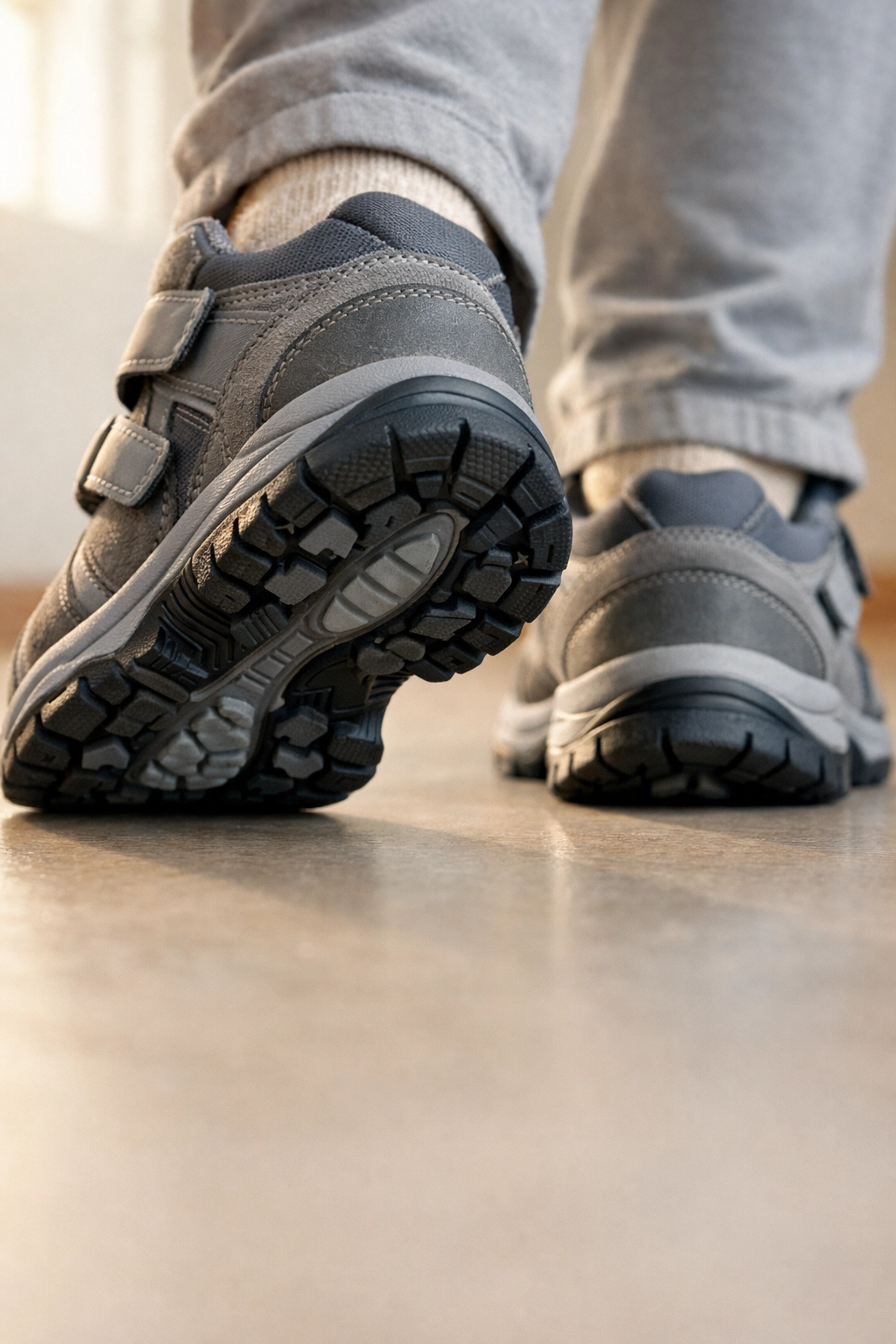
- Proper Footwear: Avoid slippers with no backs or shoes with thick, heavy soles. The best footwear is a sturdy, well-fitting shoe with a non-slip sole and a low heel. If your loved one prefers to be in socks, ensure they are "grip" socks with rubber treading on the bottom.
Implementing a Coordinated Strategy: The STEADI Approach
The CDC recommends a program called STEADI (Stopping Elderly Accidents, Deaths, & Injuries). While originally designed for clinical settings, its three pillars are perfect for home caregivers:
- Screen: Ask the simple questions. Has your loved one fallen in the last year? Do they feel unsteady when standing? Do they have a fear of falling?
- Assess: Identify the modifiable risks. Is it their medication? Is it the lighting in the hallway? Is it a lack of Vitamin D?
- Intervene: Take action on the risks you found. Install the bars, start the exercises, and talk to the doctor about medication reviews.

A Note on Post-Fall Recovery
If a fall does happen, the first priority is medical safety. But once the physical injuries are addressed, it’s important to look at the "post-fall" psychological impact. Falling can cause a "fear of falling," which leads the person to stop moving altogether. This inactivity leads to weakness, which actually increases the risk of another fall.
After a fall, reassure your loved one. Avoid being overly restrictive or "grounding" them to a chair. Instead, revisit your prevention plan, see where the gap was, and gently encourage them to return to their safe, supervised activities.
Final Thoughts
Fall prevention in dementia care is about finding the "sweet spot" between safety and independence. It requires a watchful eye, a bit of home DIY, and a lot of patience. By focusing on clear visibility, physical strength, and a clutter-free environment, you aren't just preventing an accident: you are giving your loved one the freedom to move through their home with confidence.
Remember, you don't have to change everything overnight. Start with one room: perhaps the bathroom or the bedroom: and build your "safety net" one step at a time. Your proactive care is the strongest tool in the house.

