
Maintaining independence as we get older is something we all value. Whether it’s continuing to live in the home you love or staying active enough to keep up with the grandkids, mobility is at the heart of a fulfilling life. However, one of the biggest hurdles to that independence is the risk of falling.
It’s a topic that can feel a bit heavy, but it doesn't have to be. Preventing falls isn't about limiting your life; it’s about empowering yourself with the right environment and habits so you can keep moving with confidence. This guide is designed to walk you through everything you need to know about fall prevention, from simple home tweaks to building the physical strength that keeps you steady on your feet.
Understanding the Risk: Why Fall Prevention Matters
Falls are not an inevitable part of aging. While changes in our bodies: like vision shifts or a slight decrease in muscle mass: can make us more susceptible, many falls are caused by factors we can actually control.
The first step in prevention is awareness. Take a moment to think about your current situation. Have you felt a bit dizzy lately when standing up? Do you find yourself "furniture surfing" (grabbing onto chairs or walls as you walk through a room)? Or perhaps you’ve had a minor trip that didn't result in an injury but shook your confidence?
Recognizing these signs early allows you to take action before a serious fall occurs. If you are a caregiver, look for these subtle changes in your loved ones. Often, a senior won’t mention a near-miss because they don't want to worry anyone or lose their independence. By opening up a calm, reassuring conversation about safety, you can work together to create a plan.
Creating a Safe Sanctuary: A Room-by-Room Guide
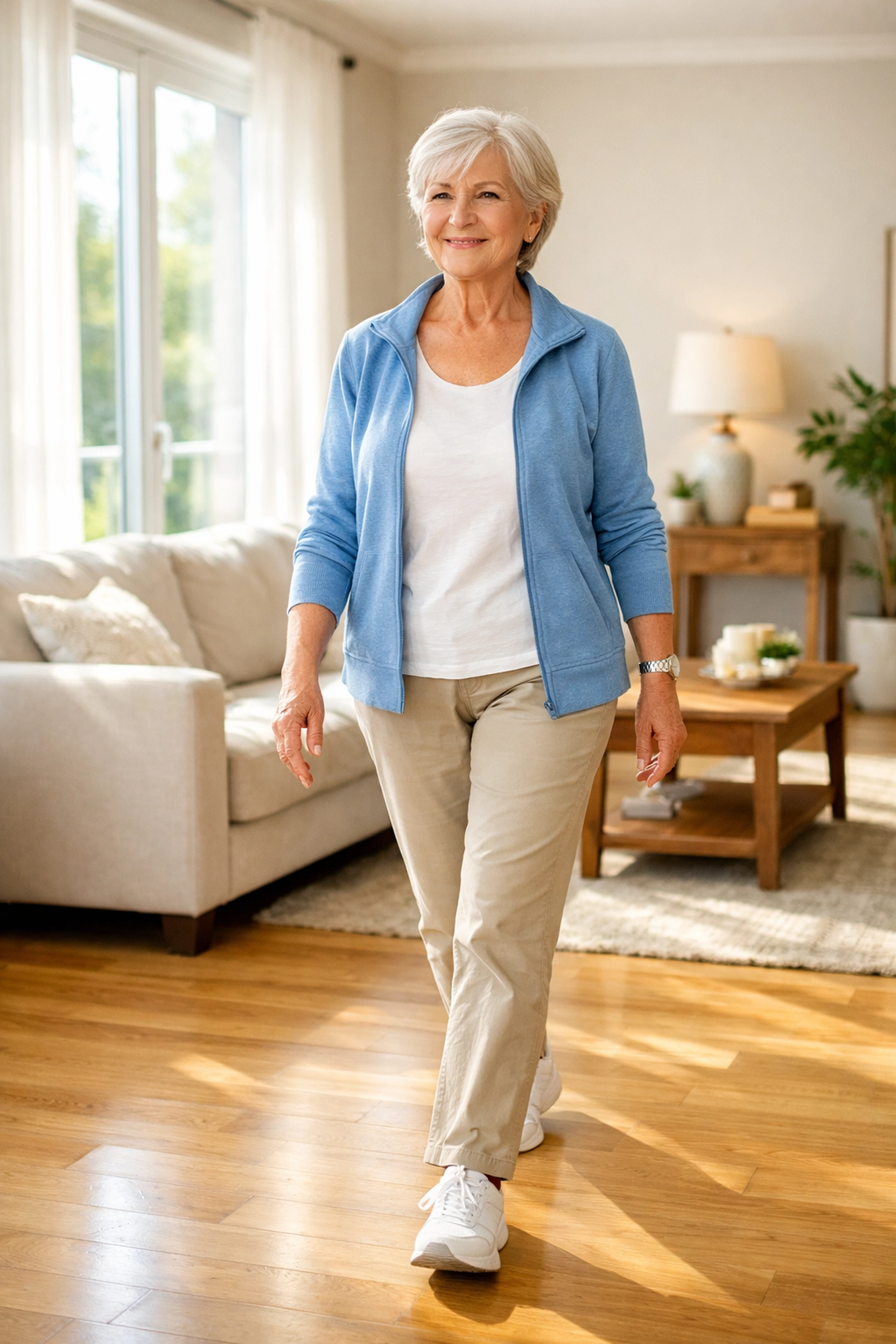
Our homes are our retreats, but they can also be full of "hidden" hazards that we’ve grown so used to we don’t even see them anymore. Let’s look at how to optimize each area of the house for safety.
The Living Room and Hallways
These are high-traffic areas where clutter often accumulates.
- Clear the Path: Ensure there is a wide, clear walkway through every room. Remove low coffee tables, plant stands, or magazine racks from common walking paths.
- Secure the Rugs: Throw rugs are one of the most common causes of trips. If you can’t live without them, use double-sided tape or non-slip backing to secure them firmly to the floor. Ideally, removing them altogether is the safest bet.
- Manage Cords: Keep electrical and phone cords tucked away along walls and never stretched across a walkway.
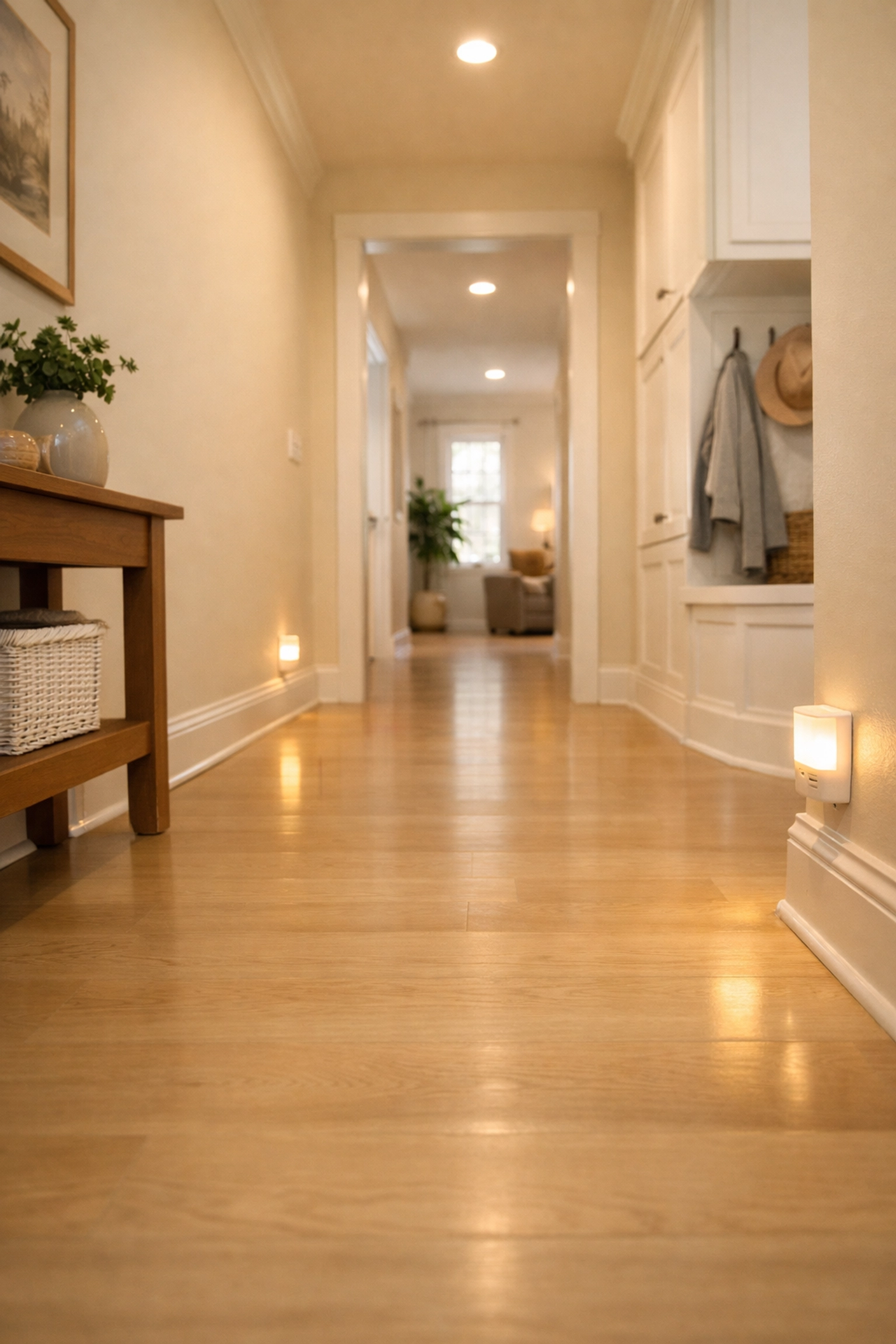
- Lighting is Key: As we age, our eyes need more light to see clearly. Use high-wattage bulbs (within the fixture's safety rating) and consider adding motion-sensor nightlights in hallways so you never have to walk in the dark.
The Bathroom
The bathroom is often considered the most hazardous room in the house due to slippery surfaces and low seating.
- Grab Bars: These are essential. Unlike towel racks, which aren't designed to support body weight, professional-grade grab bars are bolted into the wall studs. Place them near the toilet and both inside and outside the shower.
- Non-Slip Mats: Use rubber mats or non-slip adhesive strips on the floor of the tub or shower.
- Raised Toilet Seats: If the toilet is low, it can be difficult to stand up safely. A raised seat can significantly reduce the strain on your knees and hips.
The Kitchen
- Keep It Reachable: Move the items you use most frequently: like your favorite mug or the heavy cast-iron skillet: to the waist-level shelves.
- Avoid Step Stools: If you must use a step stool, ensure it has a sturdy handrail. However, the best practice is to reorganize so that reaching for high items isn't necessary.
- Clean Spills Immediately: It sounds simple, but a few drops of water on a tile floor can be incredibly dangerous.
The Bedroom
- Bed Height: Your bed should be at a height where your feet touch the floor firmly when you sit on the edge.
- Light at the Bedside: Ensure there is a lamp within easy reach of the bed. If you need to get up in the middle of the night, having light immediately available prevents stumbling.
- Sturdy Footwear: Keep a pair of supportive slippers or shoes with non-slip soles right next to the bed. Avoid walking in socks or loose slippers.
Building Your Foundation: Strength and Balance
While environmental changes are vital, your body is your most important tool for fall prevention. Strength and balance aren't "all or nothing" traits; they can be improved at any age.
The Power of Leg Strength
Weakness in the legs is a primary risk factor for falls. When your leg muscles are strong, you are better able to recover if you do happen to trip.
- Sit-to-Stand Exercise: This is one of the most effective functional movements you can do. Sit in a sturdy chair with your feet flat. Lean slightly forward and use your leg muscles to stand up. If you need to use your hands on the armrests at first, that’s okay. Aim to do this 10 times, twice a day. As you get stronger, try doing it without using your hands.
Balancing Act
Balance is like a muscle: if you don't use it, it can get "rusty."
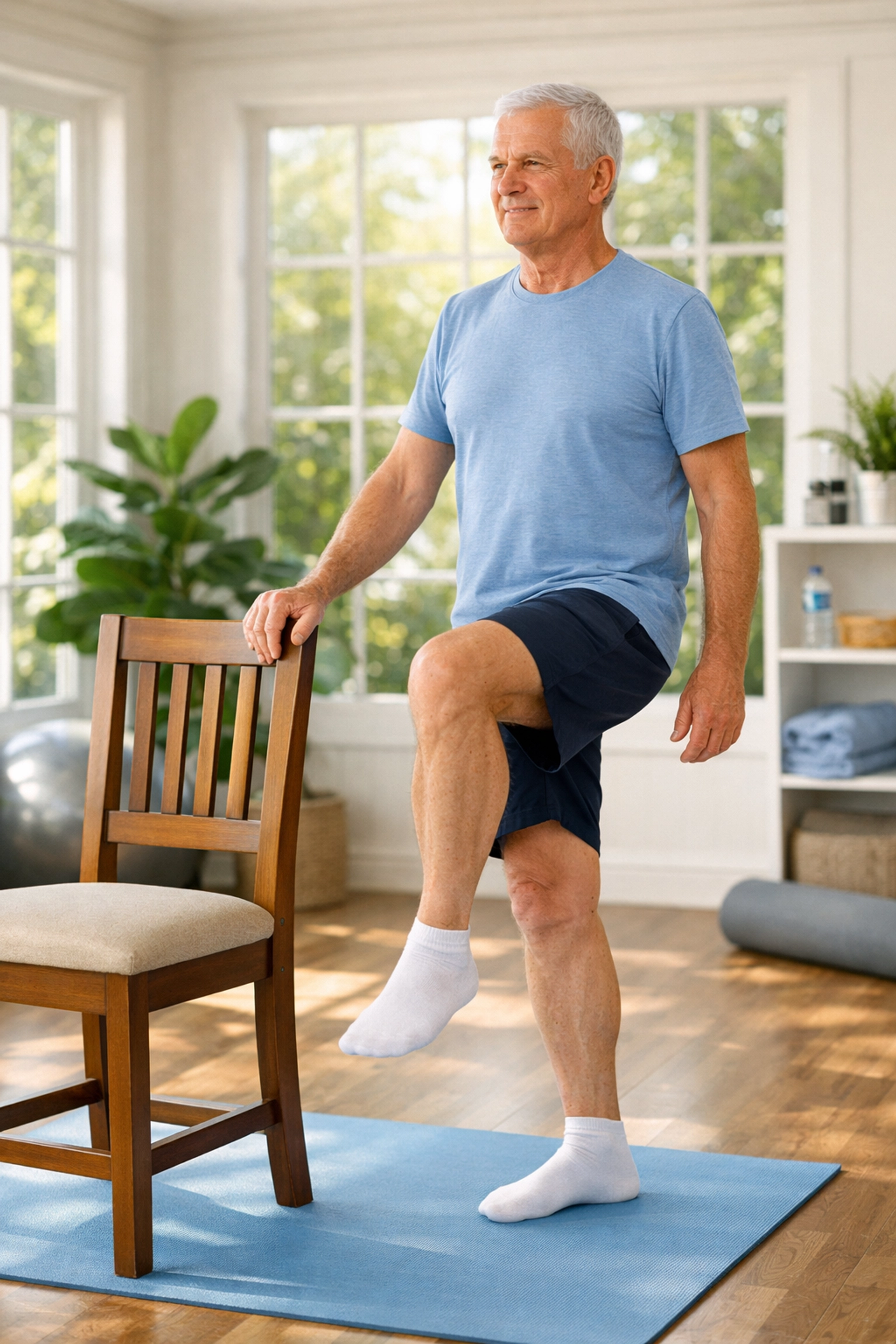
- Single-Limb Stance: Stand behind a sturdy chair and hold onto the back. Lift one foot and try to balance on the other for 10 to 15 seconds. Switch legs. As you improve, try holding on with only one hand, then just a finger, and eventually, no hands at all.
- Tai Chi: Often recommended by physical therapists, Tai Chi is a gentle form of exercise that focuses on slow, controlled movements and weight shifting. It has been shown in numerous studies to significantly reduce fall risk in seniors.
Flexibility and Stretching
Stiffness in the ankles and hips can change the way you walk, making your gait less steady. Incorporating gentle stretches into your morning routine can help maintain the range of motion needed to navigate uneven ground or stairs.
The Role of Medical Management
Sometimes, the risk of falling comes from the inside. It’s important to work closely with your healthcare team to manage these factors.
Medication Reviews
As we age, the way our bodies process medication changes. Some drugs, or combinations of drugs, can cause side effects like dizziness, sleepiness, or a drop in blood pressure when you stand up.
- Action Step: At least once a year, bring a list of all your medications (including over-the-counter supplements) to your doctor or pharmacist. Ask them to check for interactions that might affect your balance.
Vision and Hearing
Your brain relies on your eyes and ears to tell it where your body is in space.
- Vision: Get your eyes checked annually. Conditions like cataracts or glaucoma can creep up slowly. If you wear bifocals or trifocals, be extra careful on stairs, as the different lenses can distort your depth perception.
- Hearing: Inner ear issues can directly impact your balance. Even a buildup of earwax can sometimes make you feel slightly "off." Regular hearing checks are a key part of a prevention strategy.
Bone Health and Nutrition
Strong bones are less likely to fracture if a fall does occur.
- Vitamin D and Calcium: Talk to your doctor about whether you're getting enough of these nutrients. Vitamin D is especially important because it helps with muscle function as well as bone density.
- Hydration: Dehydration is a common cause of dizziness and lightheadedness in seniors. Make sure you are drinking enough water throughout the day.
Integrating Mobility Aids with Confidence
There is sometimes a stigma attached to using mobility aids, but we should view them as tools for freedom. A walker, a cane, or a support pole isn't a sign of "giving up": it's a proactive choice to stay mobile and safe.
If you find yourself holding onto furniture or feeling hesitant when moving from a sitting to a standing position, a mobility aid can provide that extra point of contact with the ground.
- Canes: Great for minor balance issues or if one side of your body is weaker than the other.
- Walkers: Provide a wider base of support and are excellent for those who feel unsteady while walking longer distances.
- Static Aids: Sometimes you just need a "steady hand" in a specific spot, like next to your favorite recliner or by the bed. Floor-to-ceiling poles or bedside rails can provide a solid grip exactly where you need it most.
The key to any mobility aid is making sure it is properly fitted. A cane that is too tall or a walker that is too low can actually cause more problems by hurting your posture. A physical therapist can help you choose the right tool and show you how to use it correctly.

What to Do if a Fall Happens
Even with the best preparation, accidents can happen. Knowing what to do can prevent a bad situation from becoming worse.
- Don't Rush Up: If you fall, stay still for a moment. Check yourself for pain or injury. Moving too quickly can cause a second fall or worsen an injury.
- The "Roll and Crawl" Technique: If you aren't badly hurt, roll onto your side, then get onto your hands and knees. Crawl to a sturdy piece of furniture (like a chair or sofa).
- Rise Slowly: Put your hands on the furniture, bring one foot forward so it's flat on the floor, and slowly push yourself up. Turn around and sit down.
- Carry a Phone: Always have a way to call for help. Whether it’s a cell phone in your pocket or a wearable medical alert device, being able to reach someone immediately provides immense peace of mind.
Encouragement for the Journey
Fall prevention is a marathon, not a sprint. It’s about making small, consistent changes that add up to a safer lifestyle. You don't have to fix every rug and start a new exercise routine all in one day.
Start with one thing: maybe today you check the lightbulbs in the hallway. Tomorrow, you might practice three sit-to-stands. By taking these steps, you are protecting your future and ensuring that you can continue to enjoy your home and your community for years to come.
Remember, you aren't doing this alone. Lean on your family, your friends, and your healthcare providers. We all want the same thing: for you to stay steady, stay strong, and stay independent.

