
Maintaining independence is one of the most important goals we have as we age. For many of us, that means staying in the homes we love, surrounded by the memories we’ve built. However, staying home safely requires a proactive approach to one of the most common risks seniors face: falling.
Falling isn’t an inevitable part of aging. It’s a preventable event that often stems from a combination of environmental factors and physical changes. By taking the time to audit our living spaces and make a few adjustments to our daily routines, we can significantly reduce the risk of accidents.
In this guide, we’re going to walk through every corner of the home. We’ll look at the small changes that make a big difference and the larger modifications that can provide lasting peace of mind. Our goal isn't to create a clinical environment, but rather a safe, comfortable sanctuary where you can move with confidence.
The Bathroom: Priority Number One
When we talk about fall prevention, the bathroom is usually the first place we start. Between wet floors, hard surfaces, and the physical transitions required to use the tub or toilet, it presents the highest concentration of hazards in any home.
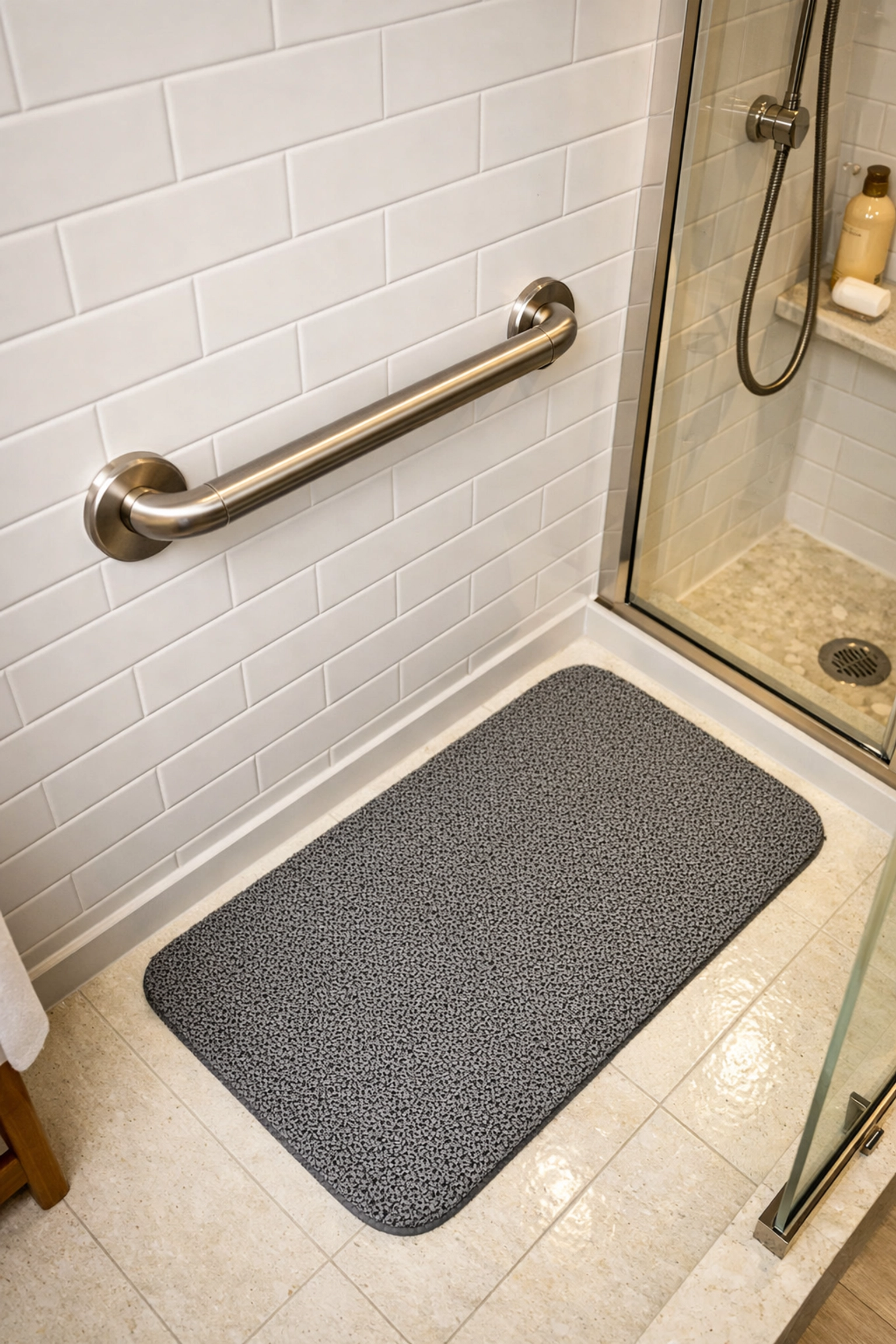
The most effective way to improve bathroom safety is by installing high-quality grab bars. It’s a common mistake to rely on towel racks for balance. Towel racks are designed to hold the weight of a piece of fabric, not the weight of a person. In an emergency, a towel rack will likely pull right out of the wall. Professional-grade grab bars, securely anchored into wall studs, provide the stability needed to navigate the shower and the toilet area safely.
Another key factor is traction. Standard bath mats can often be more of a hazard than a help if they aren't properly secured. Look for mats with strong suction cups or rubberized backing that won't slide when stepped on. In the shower or tub itself, non-slip strips or a high-quality rubber mat can prevent the "skating" effect that happens when soap and water meet smooth porcelain.
The Living Room: Clearing the Path
The living room is where we spend the most time, and because it’s a high-traffic area, it tends to collect "traffic jams" of clutter. The primary goal here is to create wide, clear pathways.
Start by looking at the furniture layout. Are there low coffee tables or ottomans in the middle of a walking path? These are easy to trip over, especially in low light. It’s often better to move furniture toward the perimeter of the room to ensure there is plenty of space for a walker or simply for a steady gait.
Area rugs are another major concern. We love them for their aesthetics and warmth, but they are notorious for curling at the edges or sliding across hardwood floors. If you can’t bear to part with a rug, ensure it is firmly secured with double-sided rug tape or a high-grip underlay. Better yet, consider removing throw rugs entirely in favor of wall-to-wall carpeting or bare floors with non-slip treatments.
Don't forget about cords. With more electronics in our lives, charging cables and lamp cords often stretch across walkways. Use cord organizers or simply tape them down along the baseboards to ensure they don't catch a toe.
The Kitchen: Working Smarter, Not Harder
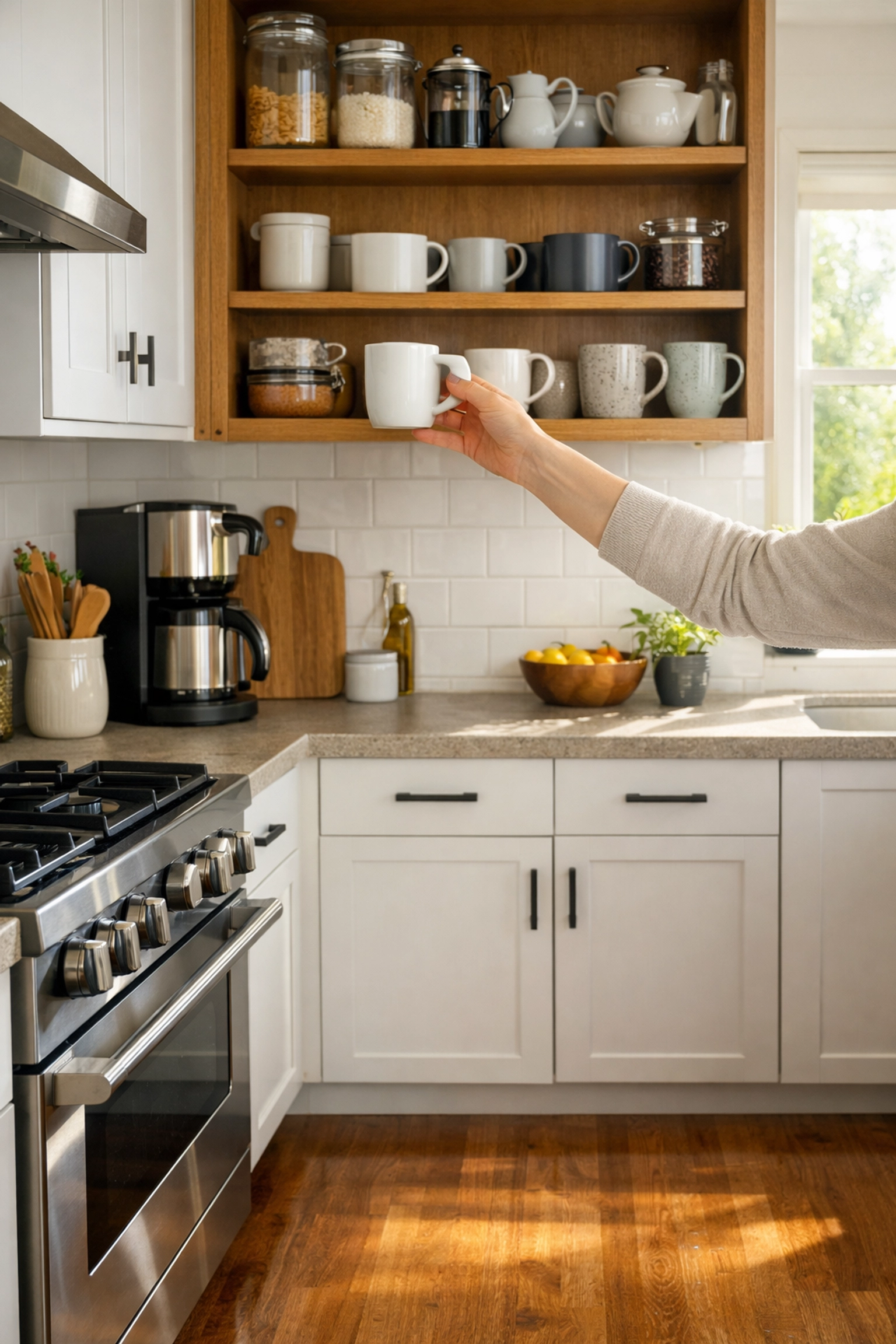
Kitchen safety is all about accessibility and organization. Most falls in the kitchen happen when someone is reaching for something too high or bending too low, causing a shift in center of gravity that leads to a loss of balance.
The "Golden Zone" for storage is between your waist and your shoulders. Move your most frequently used items: your favorite skillet, the coffee mugs, the plates you use every day: into this zone. This minimizes the need for step stools, which are inherently risky, and reduces the need to squat down and strain your knees and back.
Spills are also a major factor. In a kitchen, water, grease, or even a stray ice cube can turn a floor into a hazard. Keep a microfiber mop or a roll of paper towels handy to address spills immediately. If you find that standing for long periods to prep meals is tiring, consider doing your chopping and mixing while seated at the kitchen table. Fatigue is a subtle but significant contributor to falls.
Lighting: Seeing the Way Forward
Our vision naturally changes as we age, and it becomes harder for our eyes to adjust to shifts in light and shadow. This makes proper lighting one of the simplest and most effective tools in our fall prevention toolkit.
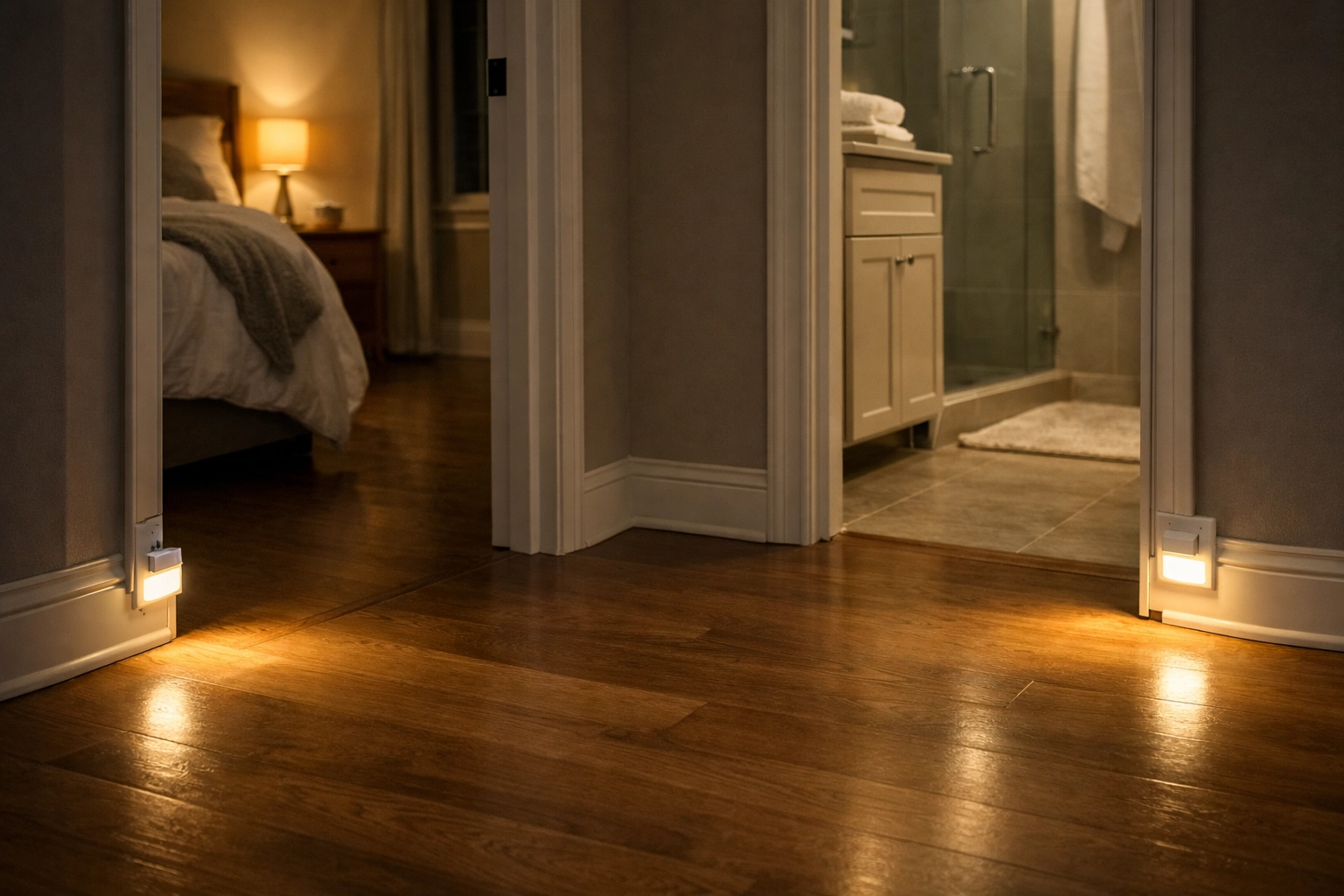
Every staircase, entrance, and hallway should be brilliantly lit. If your home has long hallways, ensure there is a light switch at both ends so you never have to walk into a dark space. For those middle-of-the-night trips to the bathroom or kitchen, motion-activated night lights are a game changer. They provide immediate illumination the moment you step out of bed, removing the need to fumble for a lamp switch in the dark.
Consider upgrading your bulbs to LEDs with a "daylight" color temperature. These provide a crisp, clear light that makes it easier to see changes in floor level or objects on the ground. Also, keep a flashlight near your bed and in your main living area in case of a power outage.
Stairs and Hallways: Navigating Levels
Stairs require the most physical effort and focus, making them a high-risk area. The first rule of stair safety is handrails. Ideally, you should have a sturdy handrail on both sides of every staircase, extending slightly past the top and bottom steps. This allows you to maintain a firm grip until you are safely on level ground.
If your stairs are wooden or tiled, they can be incredibly slippery, especially if you’re wearing socks. Adding non-slip treads or a carpet runner can provide the necessary traction to keep your feet planted firmly.
Keep stairs completely clear of objects. It’s a common habit to leave items on the bottom step to be carried up later, but this creates a serious tripping hazard. If you have trouble navigating stairs, it may be time to look into mobility aids that provide extra leverage or even consider moving your primary living space to the ground floor.
Personal Habits and Lifestyle Choices
While modifying the home is vital, fall prevention also involves looking at how we move and what we wear.
Footwear Matters
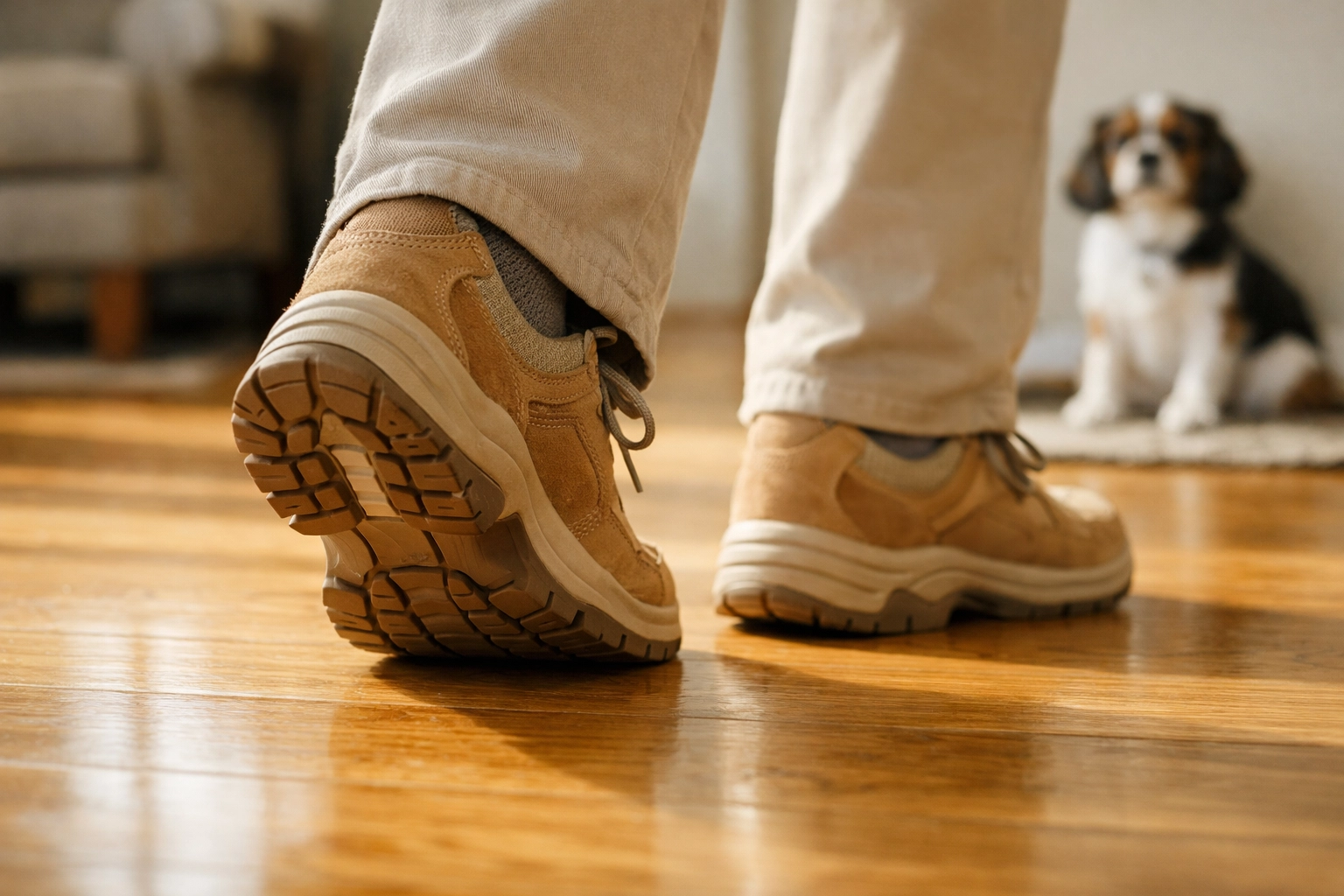
Walking around the house in socks, floppy slippers, or bare feet might be comfortable, but it doesn't offer the support or grip you need. The best footwear for inside the house is a sturdy, well-fitting shoe with a rubber sole and a closed back. If you prefer to keep "outside" dirt out, dedicate a specific pair of sneakers as your "inside-only" shoes.
Managing Pets
Our furry friends love to be where the action is, which often means they are right under our feet. Training your dog to stay in a specific spot while you are moving through the kitchen or using a baby gate to keep pets off the stairs can prevent those sudden, unexpected trips.
Clothing
Long, flowing robes or loose trousers can easily get caught on furniture or under your own heels. Opt for clothing that fits well and doesn't drag on the floor.
Physical Fitness: Strength and Balance
A safe home is only half the battle. Maintaining a strong, flexible body is the other half. Fall prevention exercises don't have to be intense. In fact, some of the most effective movements are very gentle.
Balance is like a muscle: if you don't use it, you lose it. Activities like Tai Chi are world-renowned for improving balance and coordination in seniors. Simple at-home exercises, such as standing on one leg while holding onto a sturdy chair or practicing "sit-to-stands" (repeatedly sitting down and standing up from a chair without using your hands), can build the lower body strength necessary to catch yourself if you do happen to stumble.
It’s also important to talk to your doctor about your medications. Some prescriptions can cause dizziness or drowsiness, which increases fall risk. A quick review of your med list can sometimes reveal simple adjustments that make a world of difference in how steady you feel on your feet.
Conclusion: Confidence in Every Step
Fall prevention isn't about living in fear; it's about living with confidence. By taking these steps to secure your environment and stay physically active, you are taking control of your independence.
Every home is unique, and every person has different needs. The key is to start today. Pick one room: perhaps the bathroom or the hallway: and make one change. Then move on to the next. Over time, these small adjustments add up to a home that supports you, protects you, and allows you to focus on what really matters: enjoying your life to the fullest.

