
When we talk about aging in place, we often focus on the comforts of home: the familiar chair, the family photos, and the neighborhood we know by heart. But as a founder in the mobility space, I’ve seen that the home can also be a place of hidden obstacles. Most falls don’t happen on icy sidewalks or steep public stairs; they happen in the kitchen, the bathroom, or while getting out of bed.
The good news is that falling isn’t an inevitable part of getting older. It is a manageable risk. By taking a proactive approach to home safety, physical health, and daily habits, you can significantly reduce the likelihood of a fall and maintain your independence for years to come.
In this guide, we’re going to walk through every room of the house, look at the lifestyle factors that contribute to balance, and discuss how to create a "safety-first" mindset. This isn't about fear; it’s about preparation and peace of mind.
The Foundation of Home Safety: A Room-by-Room Walkthrough
If you want to prevent falls, you have to look at your home through a different lens. What used to be a stylish decorative choice: like a plush throw rug: can quickly become a serious hazard. Let’s break down the house into the areas where most accidents occur.
The Bathroom: The Highest Risk Zone
Statistics show that the bathroom is the most dangerous room in the house. The combination of hard surfaces, water, and the physical transitions required (stepping into a tub or lowering onto a toilet) creates a "perfect storm" for slips.
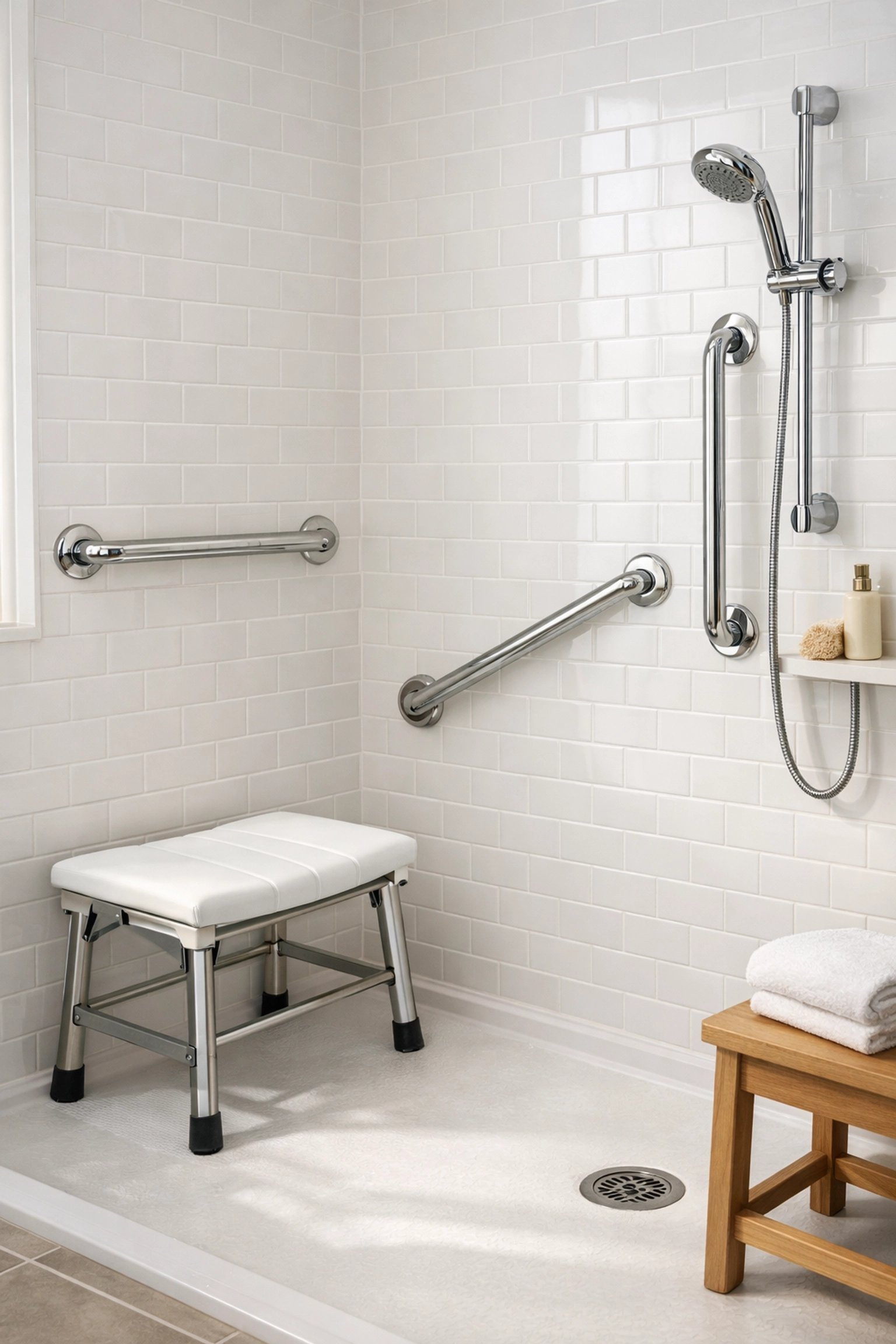
- Install Grab Bars: These are your best friends. A towel rack is designed to hold the weight of a damp towel, not a human being. Install professional-grade grab bars near the toilet and inside/outside the shower.
- Non-Slip Everything: Use high-quality non-slip mats both inside the shower and on the floor where you step out. Look for mats with strong suction or rubberized backing that won’t curl at the edges.
- Seated Options: Using a shower chair or a bench allows you to wash without worrying about losing your balance on a slick floor.
- Raised Toilet Seats: For many, the physical exertion of standing up from a low toilet can cause a momentary "head rush" or leg weakness. A raised seat reduces the distance you have to travel, keeping you more stable.
The Bedroom: Nighttime Navigation
We spend a third of our lives in the bedroom, but we often navigate it when we are at our most vulnerable: half-asleep, in the dark, or feeling stiff first thing in the morning.
- Lighting is Key: Keep a lamp within easy reach of the bed. Even better, install motion-activated night lights that illuminate the path from the bed to the bathroom.
- Clearing the Path: Ensure there are no cords, slippers, or furniture legs protruding into the walking path.
- The "Sit and Wait" Rule: Before standing up from bed, sit on the edge for 30 seconds. This allows your blood pressure to stabilize and ensures your feet are firmly planted before you put weight on them.
- A Sturdy Chair: Keep a firm chair in the bedroom for getting dressed. Trying to balance on one leg while putting on trousers is a high-risk activity that is easily avoided by sitting down.
The Kitchen: Accessibility and Spills
The kitchen requires a lot of reaching, bending, and moving. Small changes here can prevent a lot of strain.
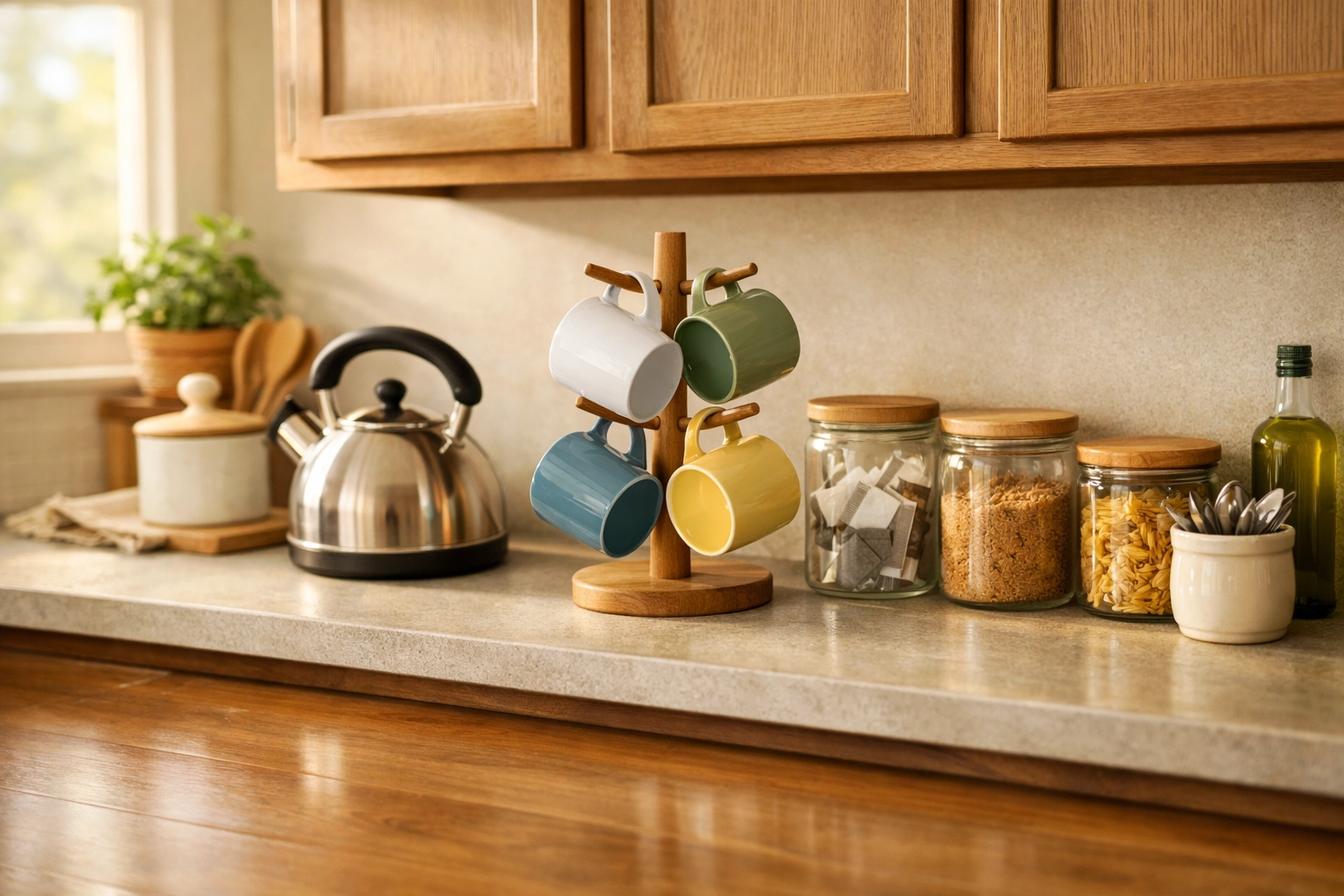
- The "Waist-to-Shoulder" Rule: Store the items you use most: your favorite coffee mug, the heavy cast iron skillet, the cereal box: between waist and shoulder height. Avoid using the very top or bottom shelves for daily needs.
- Say No to Step Stools: If you can’t reach it without a stool, consider moving it. If you must use a stool, ensure it has a high handrail and wide, non-slip steps. Never use a chair as a makeshift ladder.
- Immediate Cleanups: A single dropped ice cube or a splash of water from the sink can make a tile floor as slippery as a skating rink. Keep a microfiber mop or paper towels handy to dry spills the moment they happen.
Lighting: Your Invisible Safety Net
One of the most overlooked aspects of fall prevention is vision and lighting. As we age, our eyes need more light to see clearly, and we become more sensitive to glare.
- Increase Wattage: Replace dim bulbs with brighter LED options. Look for "warm white" rather than "cool blue" to keep the home feeling cozy rather than clinical, but don't compromise on brightness.
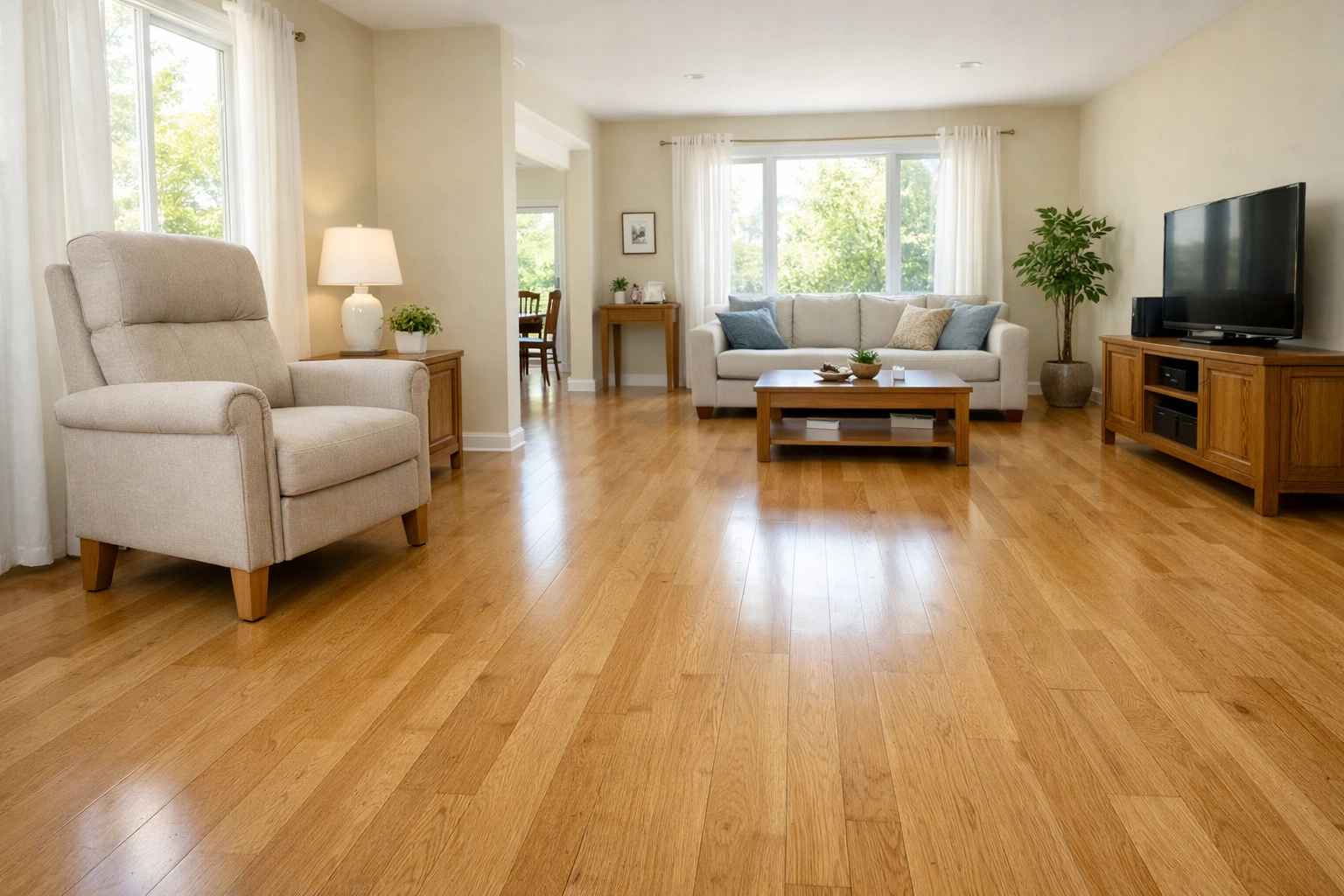
- Reduce Glare: Highly polished floors or glass tables can reflect light in a way that creates "blind spots." Use matte finishes or area rugs (firmly secured!) to reduce these reflections.
- Consistent Lighting: Ensure there are no "dark pockets" in hallways or transitions between rooms. Your eyes take longer to adjust to changes in light levels as you age, so keeping the lighting consistent throughout the house helps prevent tripping over shadows.
Living Areas: Removing the Trip Hazards
Your living room should be a place of relaxation, but it often houses the biggest culprits of falls: clutter and rugs.
- The Rug Debate: If possible, remove throw rugs entirely. If you can’t part with them, use double-sided carpet tape or "rug lockers" to ensure they are flush with the floor. A curled edge is a trip waiting to happen.
- Cable Management: We live in a world of gadgets. Use cord organizers or tape to keep electrical wires against the wall and away from walking paths. Never run a cord under a rug.
- Furniture Height: Low-profile sofas may look modern, but they are difficult to get out of. Choose furniture with firm cushions and sturdy armrests that provide leverage when you stand up.
Physical Health: Building Your Internal Stability
A fall-proof home is only half the battle. The other half is ensuring your body is as stable as possible. This involves three main pillars: strength, medication management, and sensory health.
Strength and Balance Exercises
You don’t need to be a marathon runner to prevent falls. Focused, gentle movements can make a massive difference.
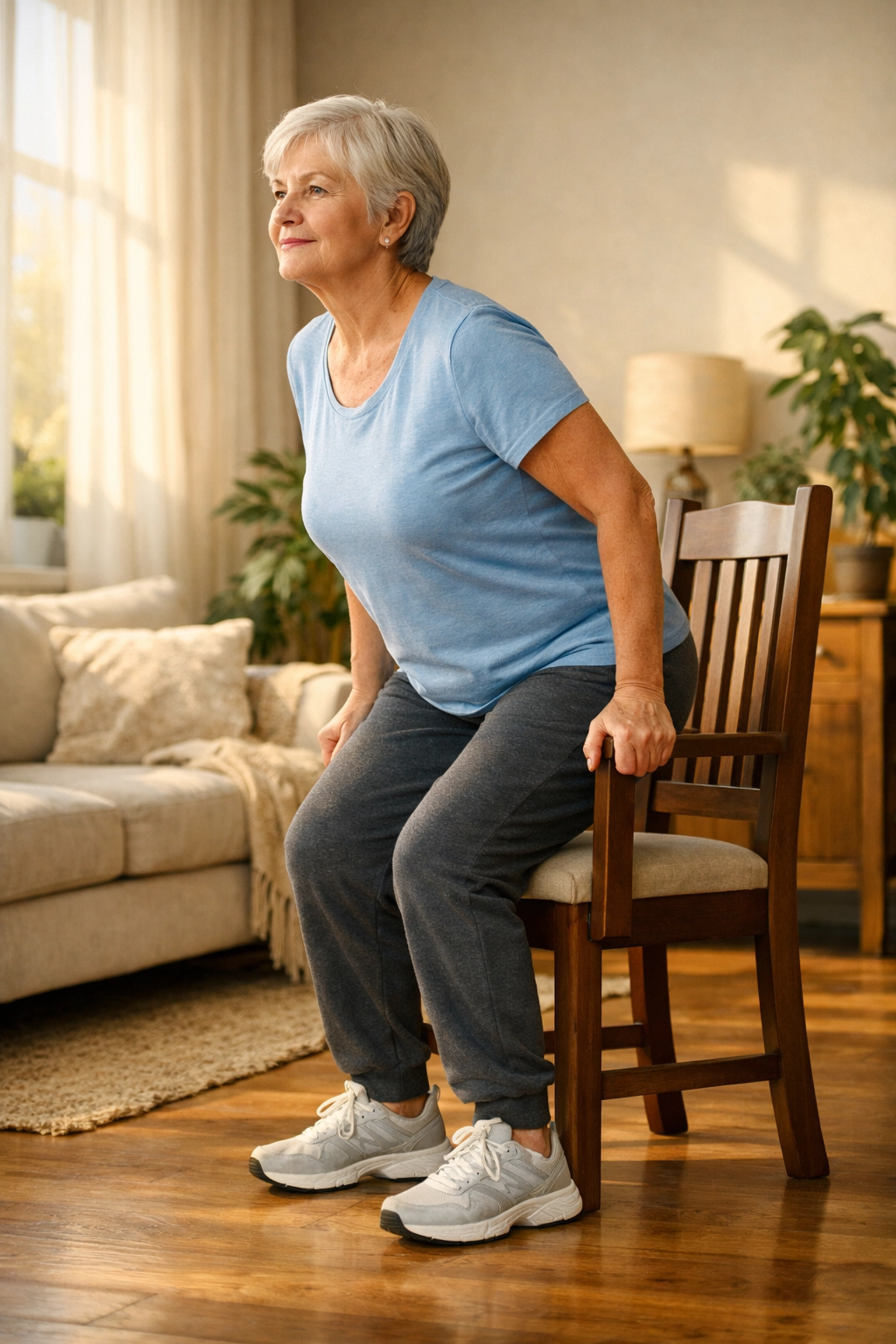
- Leg Strength: Exercises like "sit-to-stand" (repeatedly sitting and standing from a sturdy chair without using your arms) build the quadriceps and glutes, which are essential for stability.
- Balance Training: Activities like Tai Chi or Yoga improve your proprioception: your body's ability to sense its position in space.
- Consult a Pro: A physical therapist can provide a "balance assessment" and give you a customized routine. Even ten minutes a day can significantly lower your risk profile.
Medication Management
Many common medications: for blood pressure, sleep, or even allergies: can cause dizziness or drowsiness.
- The Review: Once a year, sit down with your doctor or pharmacist to review all your medications. Ask specifically: "Does any combination of these increase my risk of falling?"
- Watch the Timing: If a medication makes you dizzy, talk to your doctor about taking it right before bed so the effects wear off while you are sleeping.
Vision and Hearing
Your ears and eyes are your primary balance sensors.
- Regular Checkups: An outdated prescription can make it hard to judge distances or see changes in floor texture.
- The Ear Factor: The inner ear controls balance. If you notice any ringing or "fullness" in your ears, or if your hearing has declined, get it checked. Hearing aids have actually been shown to improve balance in many seniors.
Footwear and Clothing: The Foundations of Movement
What you wear matters just as much as where you walk.
- Ditch the Socks: Walking in socks on wood or tile is incredibly dangerous. If you don't like shoes in the house, opt for "gripper" socks or sturdy slippers with rubber soles and a closed back.
- Heel Support: Avoid flip-flops or backless slippers. You want a shoe that stays firmly attached to your foot.
- Hemlines: Ensure that nightgowns, robes, or trousers aren't so long that they bunch under your feet or catch on furniture.
Pet Management: Our Furry (and Trippy) Friends
We love our pets, but they are a major fall hazard. They tend to walk right under our feet or leave toys in the middle of the hallway.
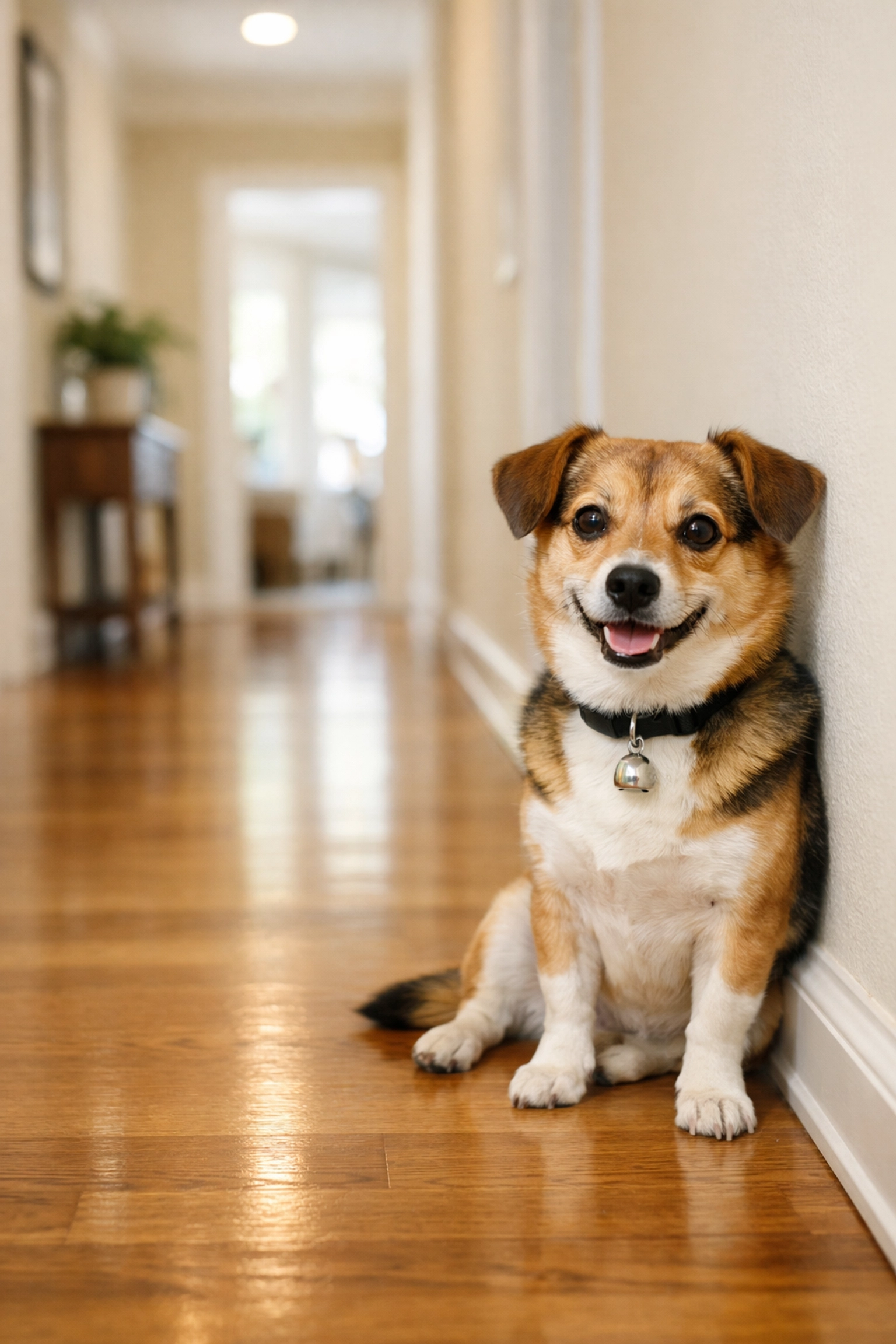
- Bell the Cat (or Dog): Placing a small bell on your pet’s collar allows you to hear them coming, even if they are in your blind spot.
- Training: Train dogs to wait at the bottom or top of the stairs rather than rushing past you.
- Toy Boxes: Keep a designated box for pet toys and make it a habit to clear the floor before bedtime.
Preparing for the Unexpected: The Emergency Plan
Even with the best preparation, accidents can happen. Being prepared for a fall can reduce the severity of the situation and the time spent waiting for help.
- Communication: Keep a phone within reach at all times. Many people find that a smartwatch or a wearable medical alert device provides a great deal of comfort.
- The "How to Get Up" Technique: Talk to a physical therapist about the safest way to get up after a fall. Usually, this involves crawling to a sturdy piece of furniture and using it for leverage.
- Emergency Contacts: Keep a list of emergency numbers in large print in several rooms of the house.
A Final Thought from Brian
Fall prevention isn't about giving up your lifestyle or turning your home into a hospital. It’s about making smart, reassuring adjustments that let you live with confidence. When we remove the hazards, we remove the worry.
Take it one room at a time. Start with the lighting today, maybe tackle the bathroom tomorrow. Every small change you make is an investment in your future independence. You’ve worked hard for your home; let’s make sure it remains the safest place for you to be.

