
Hi there. I’m Brian Kerr, the founder of Fall Guys Products. If you’re reading this, you’re likely looking for ways to keep yourself or a loved one safe at home. It’s a conversation we have every day, and I want to start by saying that falling isn't just an "inevitable part of aging." It is something we can actively work to prevent.
Taking control of your environment and your physical health can feel overwhelming at first, but it’s all about taking small, manageable steps. This guide is designed to be your comprehensive roadmap. We’ll look at everything from the shoes on your feet to the layout of your bathroom, all with the goal of helping you stay independent and confident in your own home.
Understanding Your Risk
Before we start moving furniture or buying new equipment, it’s important to understand why falls happen. Generally, we categorize fall risks into two groups: internal factors (what’s happening with your body) and external factors (what’s happening in your environment).
Intrinsic Factors
These are personal health-related risks. They include things like:
- Muscle weakness, particularly in the legs.
- Balance issues or gait (walking) changes.
- Vision impairment or changes in depth perception.
- Cognitive changes that might affect judgment.
- The side effects of certain medications, such as dizziness or drowsiness.
Extrinsic Factors
These are the hazards around you. Common ones include:
- Poor lighting.
- Clutter in walkways.
- Slippery surfaces.
- Lack of support structures like handrails or grab bars.
The best way to start is by talking to a doctor or a physical therapist. You can ask for a "Timed Up and Go" (TUG) test, which is a simple way for professionals to measure your mobility. Knowing your baseline helps you track your progress as you implement the safety measures we’re about to discuss.

Making Your Home a Safe Haven
Most falls happen in the place where we feel most comfortable: our own homes. Because we know our homes so well, we sometimes stop "seeing" the hazards. Let's take a room-by-room look at how to secure your living space.
The Living Room and Walkways
The living room is often the hub of the house, but it’s also full of obstacles.
- Clear the Path: Walk through your home and look for any furniture that forces you to "zigzag" through a room. You want clear, wide paths.
- Rethink the Rugs: Throw rugs are one of the biggest fall hazards. If you can, remove them entirely. If you must keep them, use double-sided tape or non-slip backing to secure them firmly to the floor.
- Tame the Wires: Extension cords and phone chargers should never run across a walkway. Tape them down along the baseboards or hire an electrician to add outlets where you need them.
- Lighting is Key: As we age, our eyes need more light to see clearly. Ensure every room has bright, non-glare lighting. Motion-activated night lights in hallways are a fantastic way to ensure you can see during those midnight trips to the kitchen or bathroom.
The Kitchen
The kitchen is a high-traffic area where spills are common.
- Keep it Within Reach: Store the items you use most: like your favorite coffee mug or heavy pots: on the counter or in bottom cabinets. Avoid using step stools.
- Immediate Clean-up: Keep a rag or paper towels handy to wipe up spills the moment they happen. Even a few drops of water on a tile floor can be incredibly slick.
- Sit Down to Prep: If you’re preparing a large meal, do your chopping and prepping at the kitchen table while sitting down. This prevents fatigue, which often leads to stumbles.
The High-Risk Zone: Bathroom Safety
Statistically, the bathroom is the most dangerous room in the house due to the combination of hard surfaces and water.
Shower and Tub Security
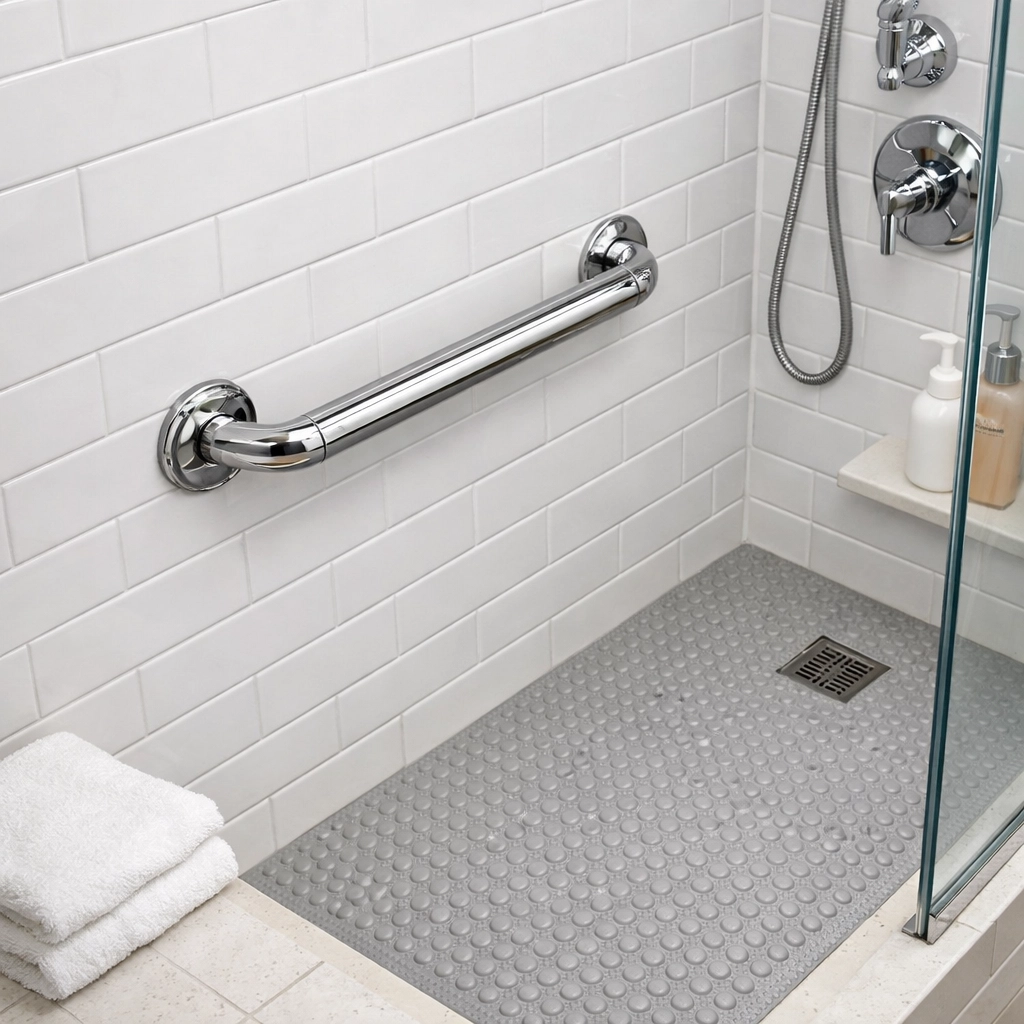
Stepping over the side of a bathtub requires a significant amount of balance. If you find this difficult, consider a walk-in shower or a tub transfer bench. Inside the shower, use non-slip mats or adhesive strips. Even if the floor feels "textured," it can become slippery when soapy.
Grab Bars vs. Towel Racks
One of the most common mistakes people make is grabbing a towel rack for balance. Towel racks are not designed to hold a person’s weight and will likely pull out of the wall if you fall. Instead, install professional-grade grab bars. They should be bolted into the wall studs near the toilet and inside the shower.
Stairs and Outdoor Spaces
Navigation becomes much harder when we introduce elevation.
Indoor Stairs
Check your handrails. Are they on both sides of the stairs? Are they sturdy enough to support you if you stumble? If the edges of your steps are hard to see, you can apply a strip of contrasting colored tape to the edge of each step to make them stand out.
Outside the Home
Don't forget the transition from the car to the front door.
- Check the Pavement: Look for cracked sidewalks or uneven patio stones. These are major tripping hazards.
- Handrails for Porches: Even if there are only two or three steps leading into your home, a sturdy handrail is essential.
- Weather Readiness: If you live in a climate with ice or snow, keep a bucket of salt or sand near the door so you can treat the walkway before you step out.
Building Strength and Balance
Environmental changes are half the battle; the other half is keeping your body ready for movement. You don't need to be an athlete to improve your balance.
The Power of Tai Chi
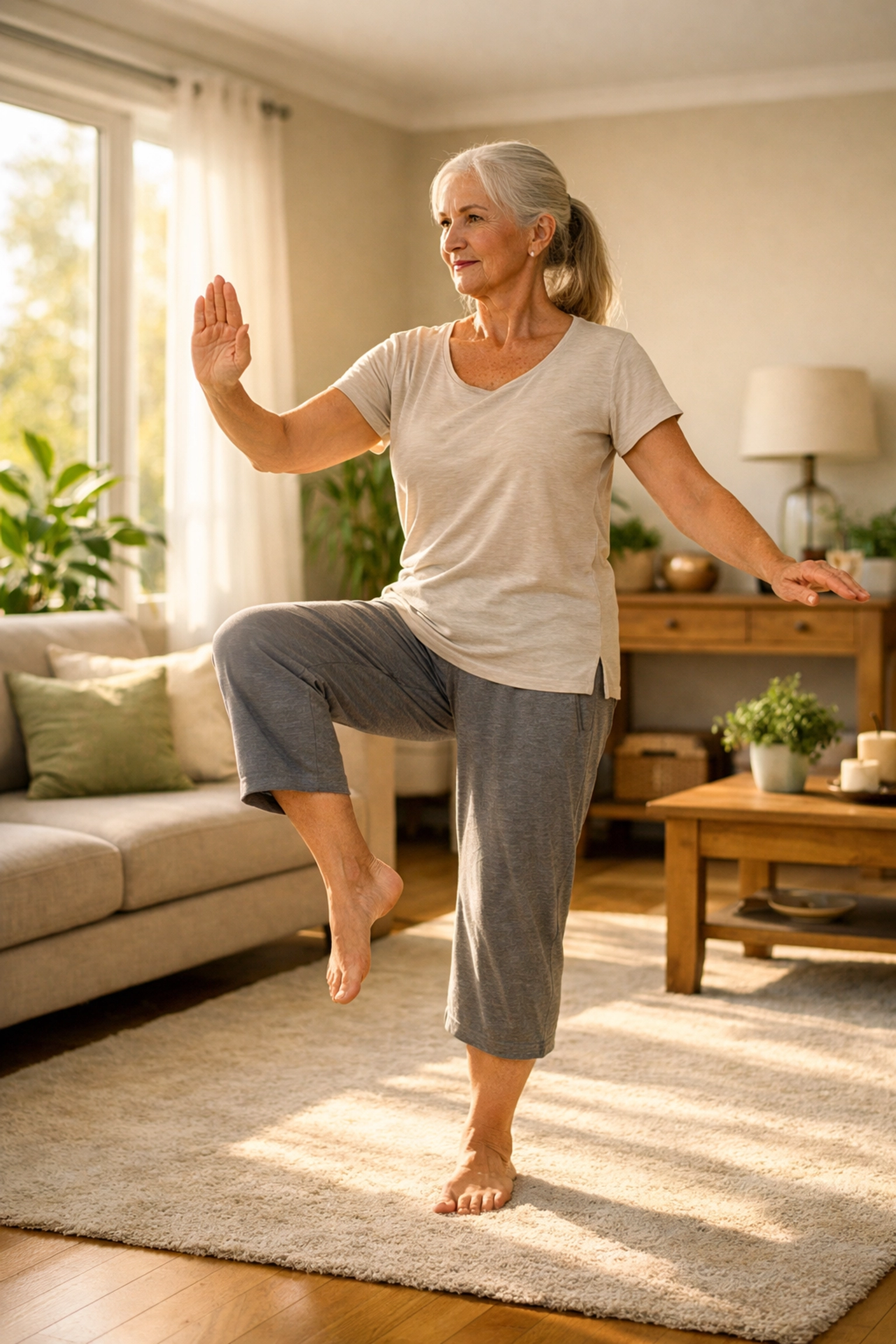
Tai Chi is often called "meditation in motion," and it is one of the most effective exercises for fall prevention. It focuses on slow, controlled movements and weight shifting, which directly improves your "proprioception": your body’s ability to sense where it is in space.
Simple Daily Exercises
You can build strength right in your living room.
- Sit-to-Stands: Sit in a sturdy chair and stand up without using your hands. Repeat this ten times. It builds the quadriceps and glute muscles, which are vital for stability.
- Single-Leg Stance: While holding onto a sturdy counter, try to balance on one foot for 10-15 seconds, then switch.
- The Otago Program: This is an evidence-based set of exercises specifically designed for older adults to do at home. Many physical therapists can teach you the routine so you can do it safely on your own.
Footwear and Personal Habits
What you wear on your feet matters just as much as what you walk on.
The Right Shoes
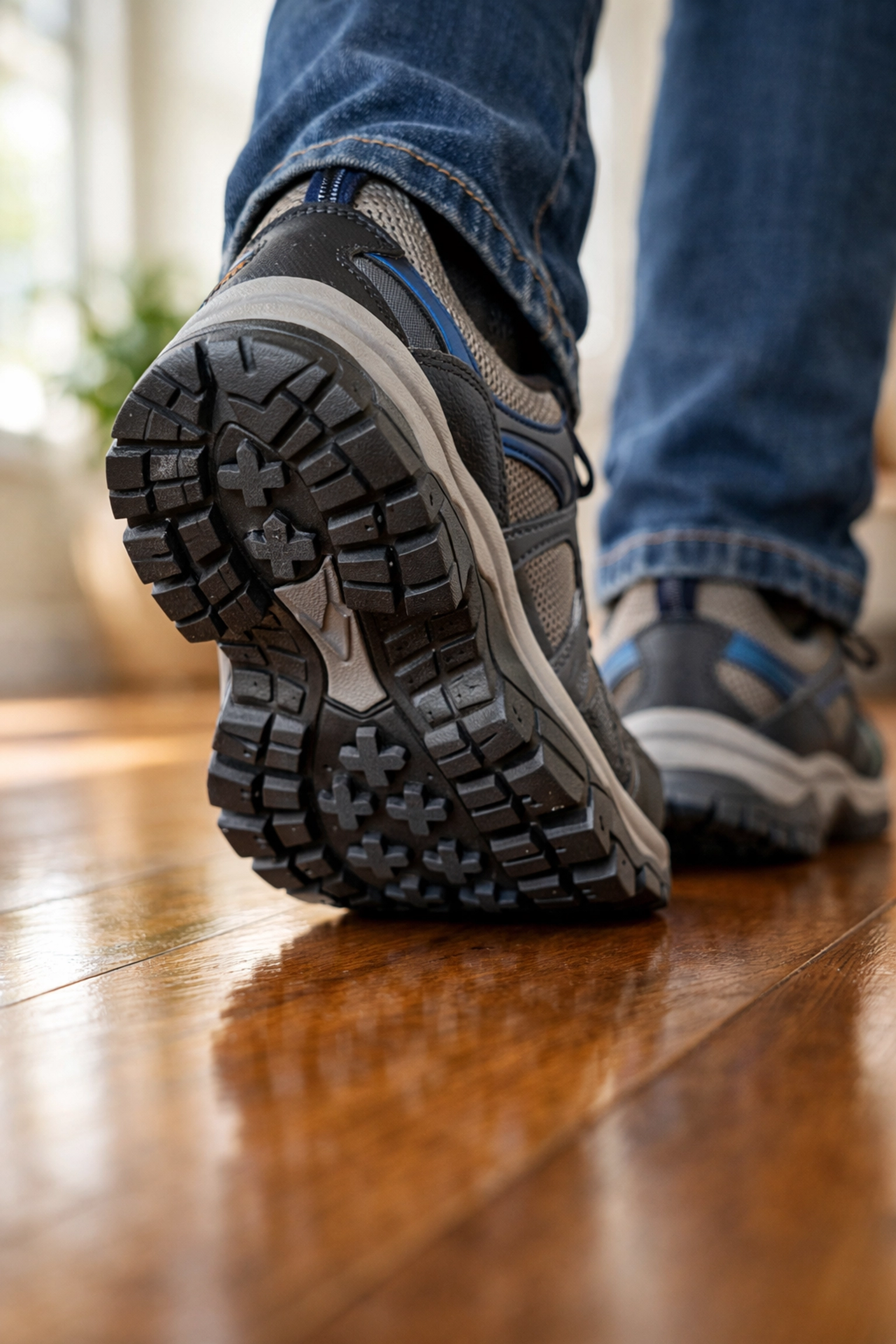
It might be tempting to walk around the house in socks or loose slippers, but these offer no support and very little grip. Look for shoes that have:
- Non-slip, rubber soles.
- Low heels (avoid platforms or high heels).
- A firm heel collar to keep your foot from sliding inside the shoe.
- Laces or Velcro to ensure a snug fit.
The "Count to 15" Rule
Many falls happen when people get up too quickly after sitting or lying down. This can cause a sudden drop in blood pressure, leading to dizziness. Get into the habit of sitting on the edge of the bed or chair for 15 seconds before you stand up. Give your body time to adjust.
Medication and Health Reviews
Some of the biggest fall risks are invisible. It is a good idea to have a "brown bag" review with your doctor or pharmacist. Put all your medications: including vitamins and over-the-counter supplements: in a bag and bring them to your appointment.
Some medications, especially those for blood pressure, sleep, or anxiety, can interact and cause dizziness. Your doctor may be able to adjust your dosage or the time of day you take them to reduce these side effects.
Vision and Hearing
If you can’t see a hazard, you can’t avoid it. Have your eyes checked once a year. If you wear bifocals, be extra careful on stairs, as the bottom lens can distort your depth perception. Similarly, our inner ears are responsible for balance. If you’ve noticed any changes in your hearing or feel "spinning" sensations, bring it up with a healthcare provider.
Technology and Professional Support
You don’t have to do this alone. There are professionals and tools designed to act as a safety net.
Physical Therapy
A physical therapist is an expert in movement. They can look at how you walk (your gait) and identify specific weaknesses you might not even know you have. They can also help you get fitted for mobility aids like canes or walkers. Using an aid that is the wrong height can actually increase your risk of falling.
Community Programs
Many senior centers and hospitals offer classes like "A Matter of Balance." These programs are great because they don't just focus on the physical aspect; they also help address the fear of falling. Often, people who are afraid of falling stop being active, which leads to muscle weakness, which then makes a fall more likely. These classes help break that cycle.
A Final Word of Encouragement
Fall prevention is a journey, not a one-time task. It’s about creating a lifestyle of awareness and safety. Start today by looking at one room in your house or making one appointment with your doctor.
At Fall Guys Products, we believe that safety is the foundation of independence. By taking these steps, you aren’t just preventing an accident: you’re ensuring that you can continue to enjoy your home, your hobbies, and your family for years to come. Stay safe, stay active, and remember that we’re all in this together.

