
Maintaining independence is one of the most important goals for seniors today. We all want to stay in our own homes, keep our routines, and enjoy our hobbies without fear. However, as we age, the risk of falling becomes a significant concern. According to health experts, one in four older adults falls each year, but here is the good news: falling is not an inevitable part of aging.
At Fall Guys Products, we believe that prevention is about empowerment, not restriction. By making a few intentional changes to your lifestyle and your environment, you can significantly reduce your risk and continue living life on your own terms. This guide covers everything from physical exercises to home modifications to help you or your loved ones stay steady on your feet.
Understanding Why Falls Happen
To prevent a fall, we first need to understand the factors that contribute to them. Usually, it isn't just one thing that causes a trip or a slip; it is a combination of biological, behavioral, and environmental factors.
Biological factors include things like muscle weakness, balance issues, or chronic conditions like arthritis or Parkinson’s. Vision changes also play a huge role: if you can’t see a hazard, you can’t avoid it. Behavioral factors might include taking certain medications that cause dizziness or rushing to answer the phone. Environmental factors are the things in your surroundings, like loose rugs, poor lighting, or lack of support in the bathroom.
By addressing all three areas, we create a "safety net" that keeps you upright and moving confidently.
The Foundation: Starting with Your Healthcare Provider
Before you start a new exercise routine or buy new equipment, your first stop should be your doctor’s office. A healthcare provider can offer a professional assessment that pinpoints your specific risks.
During a "fall risk assessment," a doctor or physical therapist will look at:
- Your Balance and Gait: How you walk and how steady you feel when standing still.
- Your Medications: Some prescriptions (and even over-the-counter meds) can cause side effects like drowsiness or low blood pressure, which leads to dizziness.
- Vision and Hearing: Your ears help with balance, and your eyes help you navigate. Regular check-ups are essential.
- Heart Health: Sometimes, a sudden drop in blood pressure when you stand up can cause a fall.
Be honest with your doctor. If you’ve had a "near miss" where you tripped but didn't fall, tell them. These are warning signs that shouldn't be ignored.
Building Strength and Balance
If you want to stay independent, you have to stay moving. Physical activity is perhaps the most effective tool in your fall prevention toolkit. When your legs are strong and your core is stable, your body is much better at catching itself if you do happen to stumble.
The Power of Balance Exercises
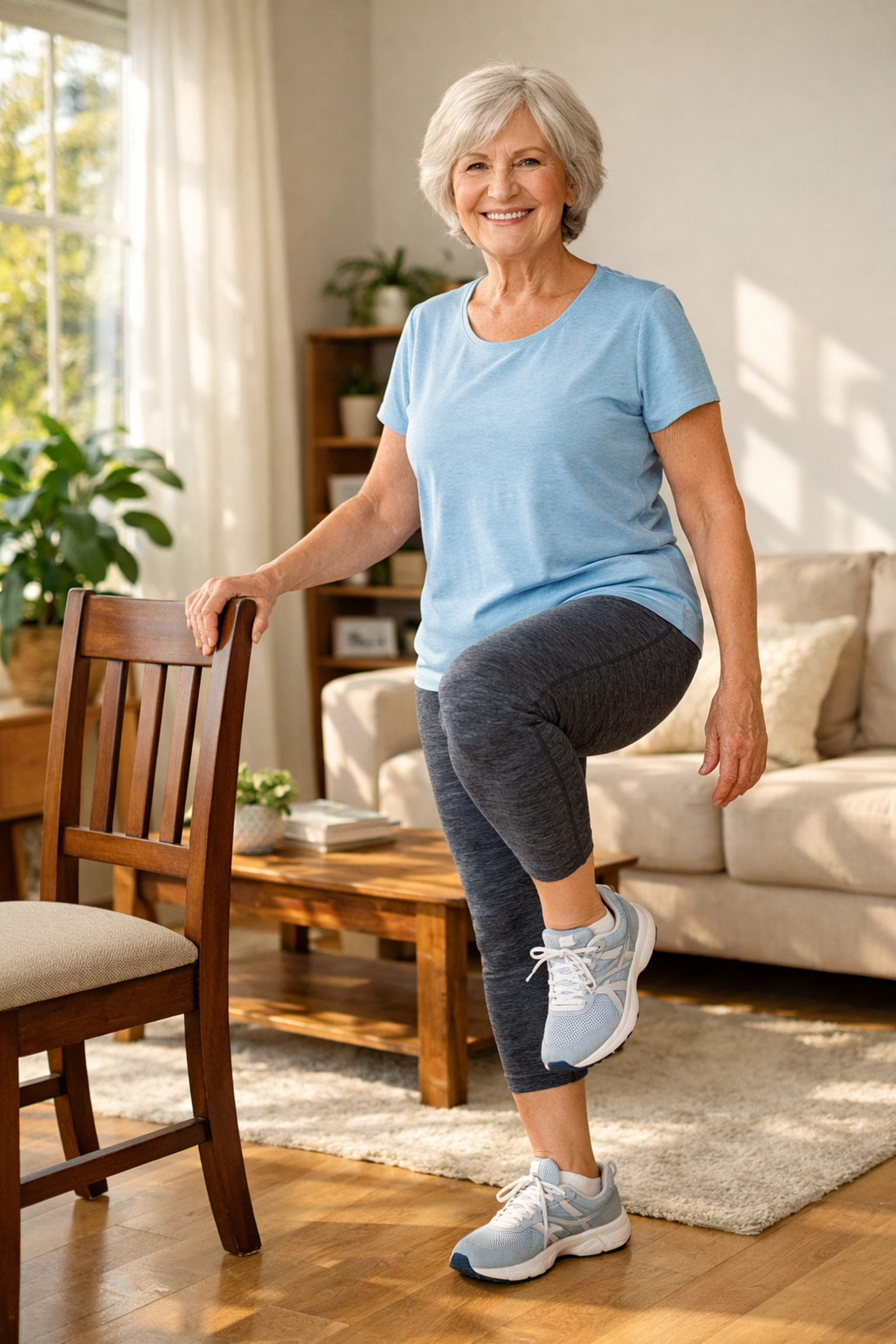
Research consistently shows that balance training is vital. Activities like Tai Chi are often cited as the "gold standard" for fall prevention because they focus on slow, controlled movements and shifting weight from one foot to the other. Yoga and Pilates are also excellent for building core strength.
Simple Exercises at Home
You don't need a gym membership to get stronger. Here are a few things you can do in your living room:
- Sit-to-Stands: Sit in a sturdy chair with your feet flat on the floor. Without using your hands, stand up straight, then slowly sit back down. Repeat this 10 times. This builds the quadriceps and glutes, which are essential for getting out of cars or off the sofa.
- Heel-to-Toe Walking: Imagine you are on a tightrope. Place the heel of one foot directly in front of the toes of the other. Take 10 to 20 steps this way while staying close to a wall for support.
- Single-Leg Stands: While holding onto a counter, try to stand on one foot for 30 seconds. Switch legs. As you get better, try doing it with just one hand on the counter, then eventually no hands.
Consistency is key. It usually takes about 12 weeks of regular exercise (at least three times a week) to see a significant reduction in fall risk.
Creating a Fall-Safe Home Environment
Your home should be your sanctuary, not a series of obstacles. Most falls happen in familiar places, often during routine activities. Doing a "home audit" can help you identify and fix hazards before they cause trouble.
The Living Area and Hallways
- Clear the Clutter: Walkways should be wide and free of books, shoes, or stacks of mail.
- Remove Throw Rugs: These are one of the biggest tripping hazards. If you must have them, use double-sided tape or non-slip backing to secure them firmly to the floor.
- Manage Cords: Keep electrical cords and phone lines tucked away against the wall. Never run a cord across a walkway.
Lighting: Shine a Light on Safety
As we age, our eyes need more light to see clearly.
- Increase Wattage: Use the highest-wattage bulbs recommended for your fixtures.
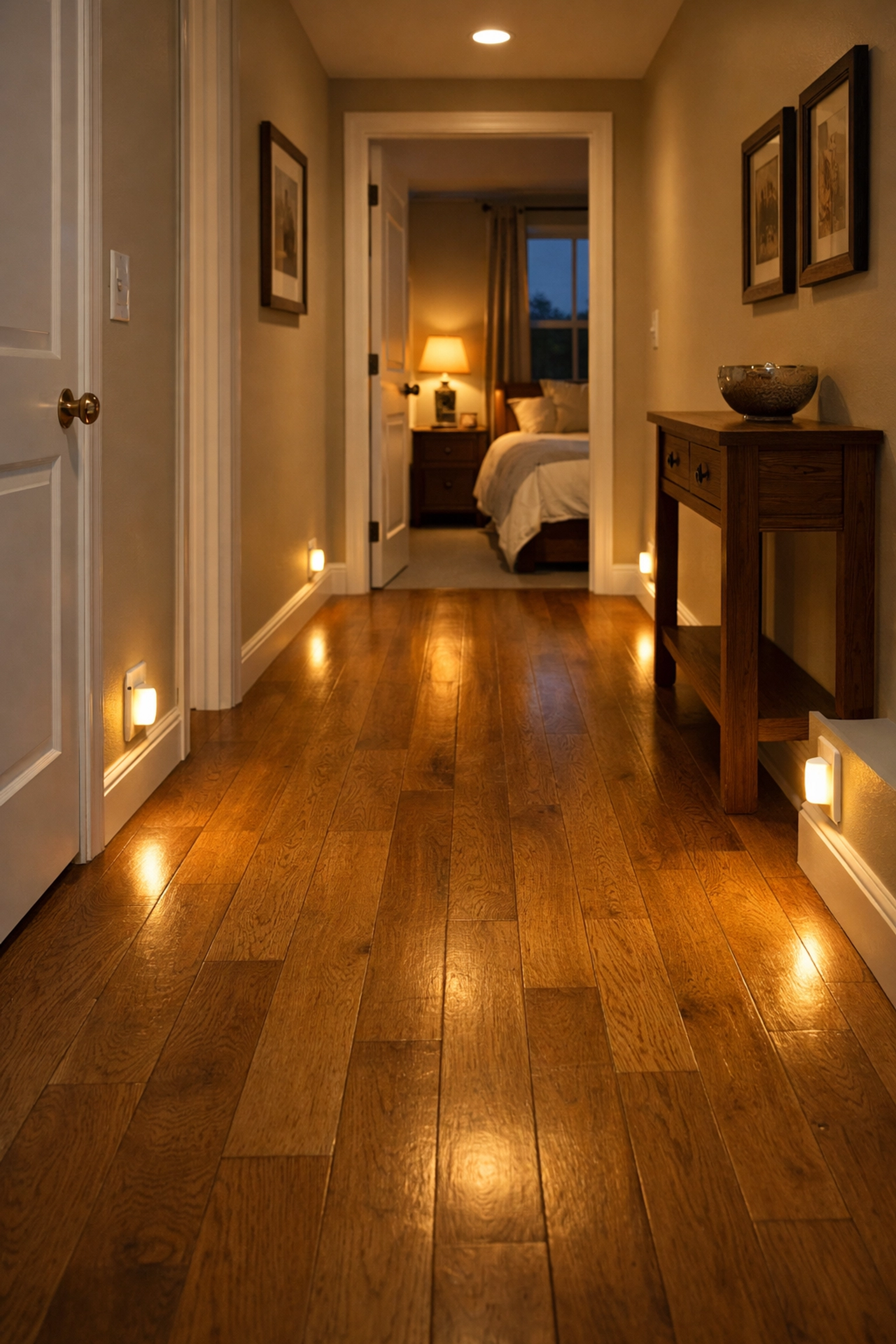
- Nightlights: Place motion-sensor nightlights in the bathroom, hallways, and bedroom.
- Easy Access: Make sure you can reach a lamp or light switch from your bed so you never have to walk in the dark.
Bathroom Safety: The High-Risk Zone
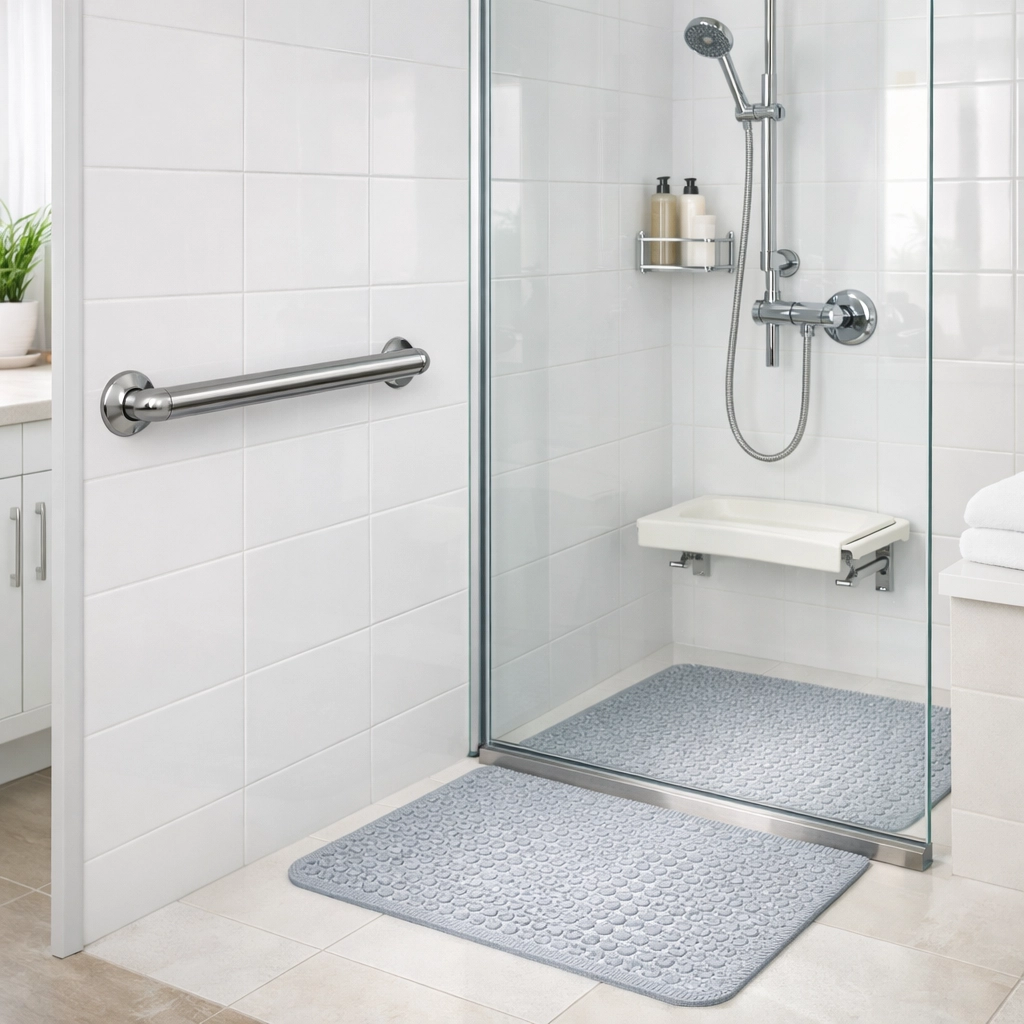
The bathroom is often the most dangerous room in the house because of slippery surfaces and the need to transition from sitting to standing.
- Grab Bars: Install professional-grade grab bars near the toilet and inside the shower. Towel racks are not designed to hold a person’s weight: do not rely on them for support.
- Non-Slip Mats: Use rubber mats inside the tub and non-slip rugs on the floor outside the shower.
- Raised Toilet Seats: These reduce the distance you have to travel to sit down, making it easier on your knees and hips.
Choosing the Right Footwear and Clothing
What you wear matters just as much as where you walk. While it’s tempting to walk around in socks or loose slippers, these offer very little grip.
- Shoes over Socks: Never walk around the house in just socks or smooth-soled slippers.
- Fit Matters: Choose shoes with rubber soles and low heels. Make sure they lace up or have Velcro straps so they stay snug on your feet.
- Avoid "Floppy" Footwear: Flip-flops and backless slippers can easily trip you up.
- Clothing Length: Ensure your trousers or robes aren't so long that they bunch up under your feet. Baggy clothing can also get snagged on furniture.
Using Mobility Aids Effectively
There is sometimes a stigma around using a cane or a walker, but we like to view these tools as "freedom extenders." They allow you to go further and stay out longer with less fatigue.
However, a mobility aid only works if it fits you correctly. If a cane is too tall, it won't provide the right support; if it's too short, it will cause you to lean over and hurt your back. Your healthcare provider or a physical therapist can help you size your equipment and teach you how to use it properly.
For those who need extra help getting in and out of bed or off the sofa, transfer poles are a great option. They provide a sturdy, vertical grab point that doesn't require permanent wall installation, making them versatile for different rooms.
Mindful Movement: Behavioral Changes
Sometimes, falls happen because we are in a hurry. Slowing down and being mindful of your movement can make a world of difference.
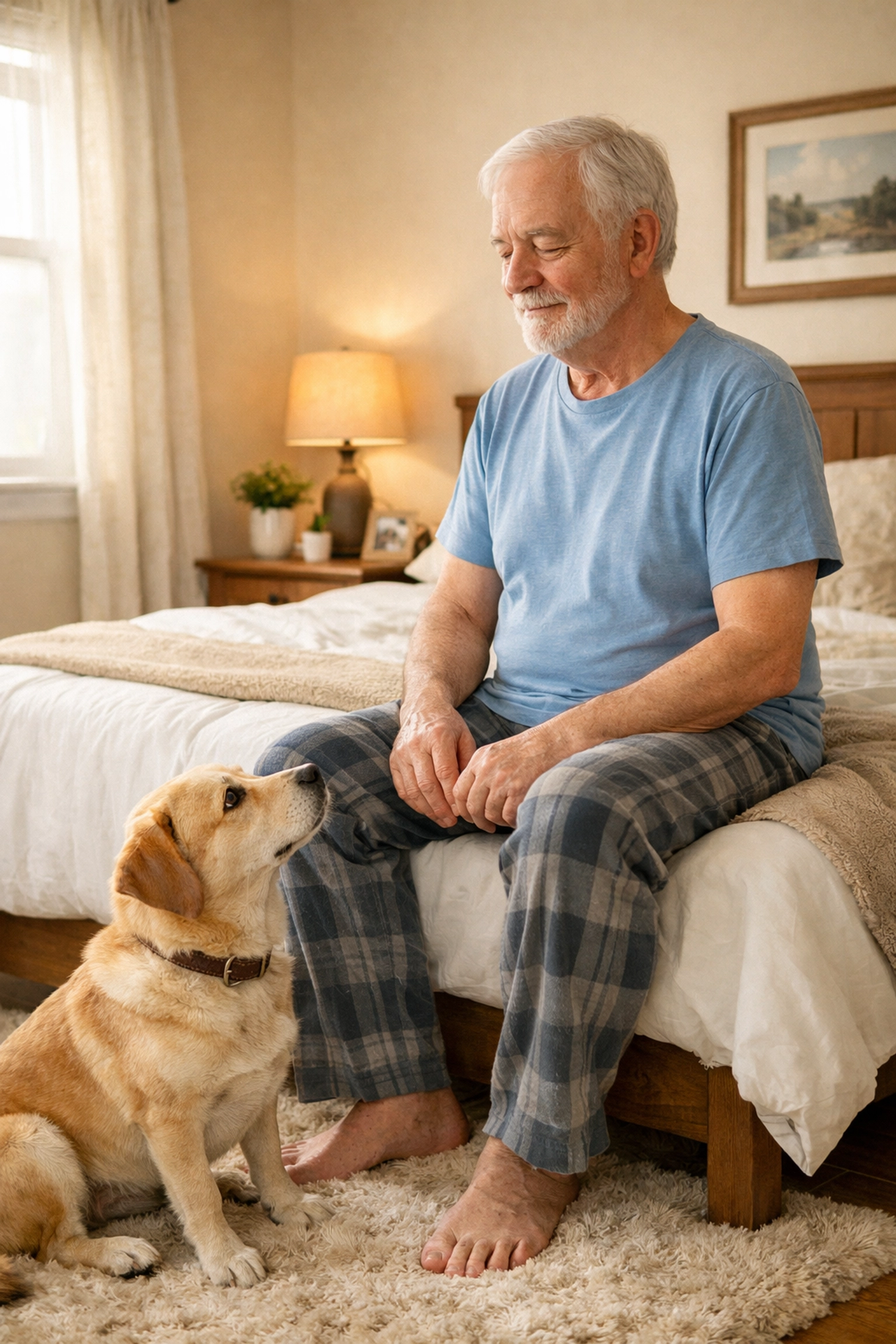
- The "Pause" Rule: When you stand up from a bed or chair, stay still for 30 to 60 seconds before you start walking. This gives your blood pressure time to stabilize and prevents that "head-rush" feeling.
- Stay Hydrated: Dehydration can lead to confusion and dizziness.
- Watch for Pets: Our furry friends love to be underfoot. Be extra careful when walking if you have a dog or cat that follows you closely.
- Avoid Ladders: If you need to change a lightbulb or reach a high shelf, wait for a friend, family member, or neighbor to help. Using a step stool is rarely worth the risk.
What to Do If a Fall Occurs
Even with the best preparation, accidents can happen. Knowing what to do can prevent further injury and reduce the time you spend on the floor.
If you fall:
- Stay Calm: Take a few deep breaths to get over the initial shock.
- Check for Injury: Move your arms and legs slowly to see if anything hurts or feels broken.
- The "Roll and Crawl" Method: If you aren't badly hurt, roll onto your side, then onto your hands and knees. Crawl to a sturdy piece of furniture (like a chair or sofa).
- Rise Slowly: Put your hands on the seat of the chair, bring one leg forward so your foot is flat on the floor, and slowly push yourself up.
If you are hurt and cannot get up, try to reach a phone or use a medical alert device. If you don't have one, try to make noise by banging on the floor or a wall to alert neighbors.
Final Thoughts: Taking the First Step
Fall prevention isn't about living in fear; it's about taking proactive steps to ensure your future is as active and independent as possible. Start small. Maybe today you'll clear the clutter from the hallway, and next week you'll look into a Tai Chi class or talk to your doctor about your medications.
By making your home safer and your body stronger, you are investing in your quality of life. Remember, staying independent means being prepared. You have the power to stay steady, stay safe, and keep doing the things you love.

