
Falls are one of the leading causes of injury among seniors, but here's the good news: most falls can be prevented. With some straightforward modifications to your home and a few lifestyle adjustments, you can significantly reduce fall risk and help your loved ones maintain their independence and confidence.
This guide walks you through everything families and caregivers need to know about creating a safer home environment. We'll cover practical room-by-room safety tips, the role of physical activity, and how to use assistive devices effectively.
Understanding the Three Pillars of Fall Prevention
Effective fall prevention isn't about a single solution: it's about combining three essential approaches:
- Eliminating home hazards that create tripping or slipping risks
- Maintaining physical strength and balance through regular activity
- Using assistive devices properly when mobility support is needed
When you address all three areas, you create a comprehensive safety net that works together to keep seniors stable and secure.
Removing Hazards from Floors, Stairs, and Walkways
Your first priority should be clearing walking paths throughout the home. This is where most falls happen, and it's also one of the easiest areas to improve.
Start by walking through your home and removing anything that could cause a trip: books, newspapers, shoes, electrical cords, and other clutter. Pay special attention to stairs: these should be completely clear at all times.
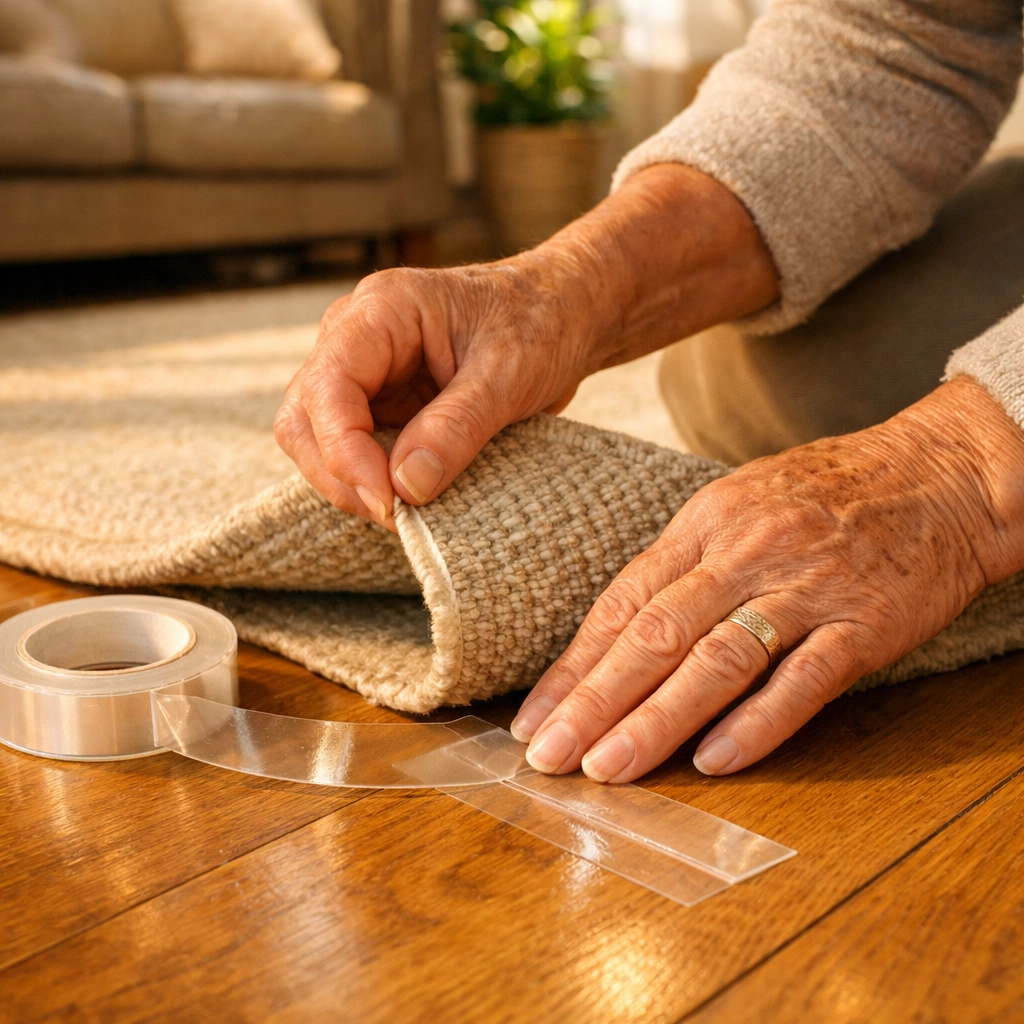
Rugs are a common culprit in fall incidents. If you have throw rugs or area rugs, secure them with double-sided tape or non-slip backing. Better yet, remove small rugs entirely if they're not absolutely necessary. For wall-to-wall carpeting, check that it's firmly attached to the floor with no loose edges or bumps. If you have tile or hardwood floors, consider adding no-slip strips in high-traffic areas.
Take a close look at your stairs and steps, both inside and outside the home. Any broken, uneven, or loose steps need immediate repair. Even a slight height difference between steps can be enough to cause a stumble.
Getting the Lighting Right
Good lighting is absolutely critical for fall prevention, yet it's often overlooked. Seniors need more light than younger adults to see clearly, especially as vision naturally changes with age.
Install bright lighting throughout your home, with particular attention to stairs and hallways. Every staircase should have light switches at both the top and bottom, so you never have to navigate stairs in the dark. Long hallways benefit from switches at each end as well.
Night lights are your friends. Place them in bedrooms, bathrooms, and hallways so there's always a safe path during nighttime bathroom trips. Motion-activated lights work especially well in stairwells and hallways: they turn on automatically when someone approaches, eliminating the need to fumble for switches in the dark.
Keep a lamp within easy reach of the bed. If the power goes out at night, also have a flashlight nearby that's easy to grab.
Installing Handrails and Grab Bars
Handrails and grab bars provide crucial support and should be installed strategically throughout the home.
Every staircase needs sturdy handrails on both sides. These should extend beyond the first and last steps to provide support when stepping on and off the stairs. Test handrails regularly to make sure they're securely mounted: a loose handrail is almost as dangerous as no handrail at all.
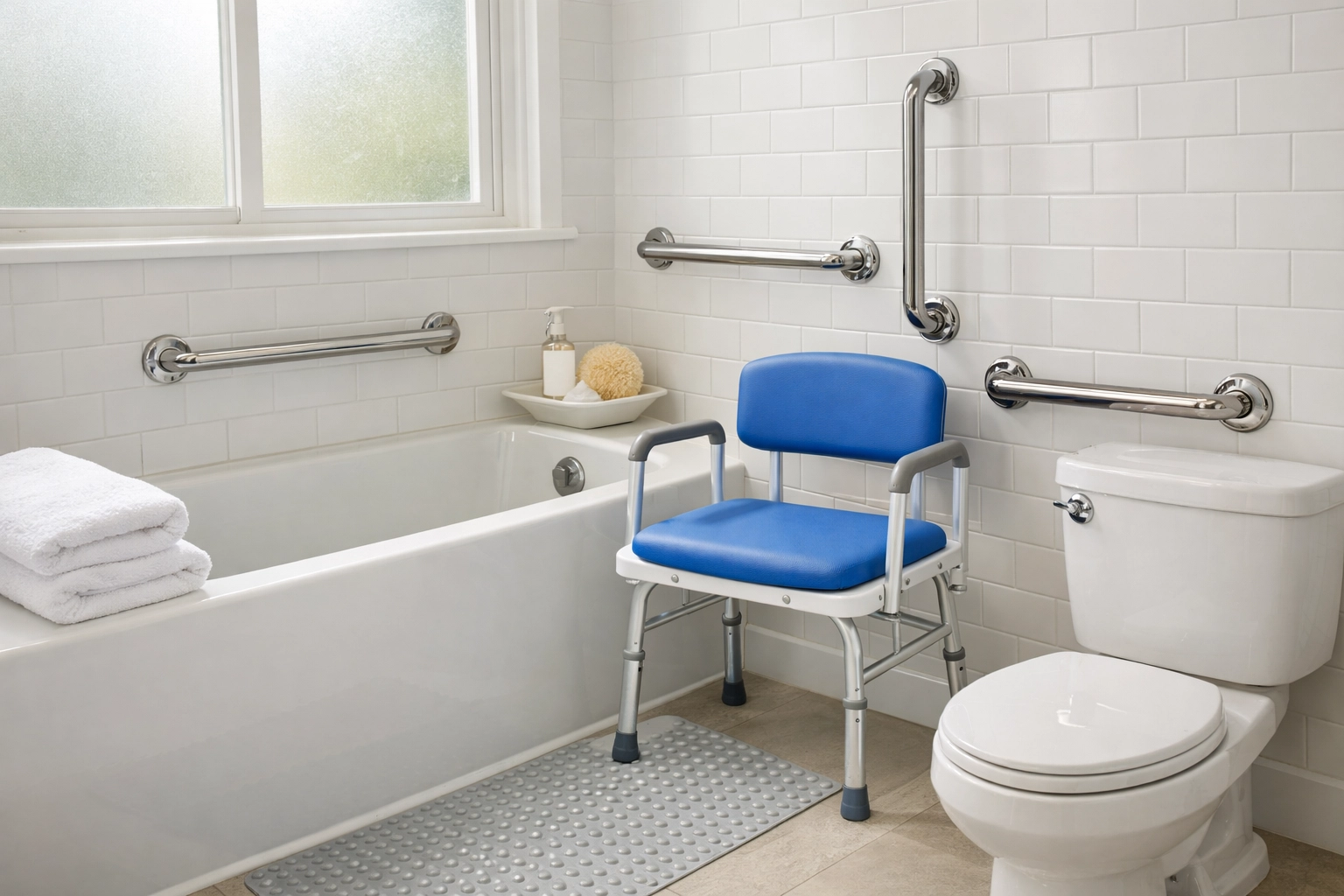
Grab bars belong in bathrooms near the tub, shower, and toilet. These aren't just for people who've already fallen: they provide preventive support that helps everyone maintain balance on wet, slippery surfaces.
Bathroom-Specific Safety Measures
Bathrooms are high-risk zones because they combine hard surfaces with water and soap. Beyond grab bars, there are several other modifications that make bathrooms safer.
Place non-slip mats in the bathtub and shower. These provide traction even when surfaces are wet and soapy. Consider adding a bath seat or shower chair: these allow seniors to sit while bathing, eliminating the risk of slipping while standing.
A raised toilet seat with armrests makes it easier to sit down and stand up, reducing strain and the risk of losing balance. Hand-held shower nozzles are another helpful addition, allowing someone to shower while seated comfortably.
Making Kitchens Safer
Kitchens present their own unique challenges, but a few simple changes make a big difference.
Store frequently used items at waist level or within easy reach. This eliminates the need to reach high or bend low, both of which can throw off balance. Climbing on chairs or step stools to reach high shelves is a common cause of serious falls.
Clean up spills immediately: a wet kitchen floor is an accident waiting to happen. Consider preparing food while seated when possible, especially for longer cooking tasks. This prevents fatigue that can lead to unsteadiness.
Keep a sturdy step stool with a handrail available if you absolutely must reach high items, and never use it unless someone else is home to provide assistance if needed. Better yet, reorganize your storage so everyday items are easily accessible.
Bedroom Safety Tips
Your bedroom should be a safe haven, not a hazard zone. Since many falls happen during nighttime trips to the bathroom, bedroom safety is particularly important.
Position your bed so that getting in and out is easy and doesn't require maneuvering around furniture. Keep a clear path from the bed to the bathroom, free of cords, rugs, or clutter.
Place a lamp and a phone within easy reach of the bed. In an emergency, you shouldn't have to get up to call for help. A landline phone or a fully charged mobile phone should always be on the nightstand.
Night lights are essential in bedrooms to illuminate the path to the bathroom. Some families find it helpful to use different colored night lights to help orient someone who's just woken up.
Outdoor Safety Considerations
Don't forget about outdoor spaces: porches, patios, decks, and walkways need attention too.
Keep outdoor areas clear of debris like fallen branches, leaves, and gardening tools. Repair any broken or uneven front steps immediately. Add non-slip material to outdoor stairs, especially in areas that might get wet from rain or morning dew.
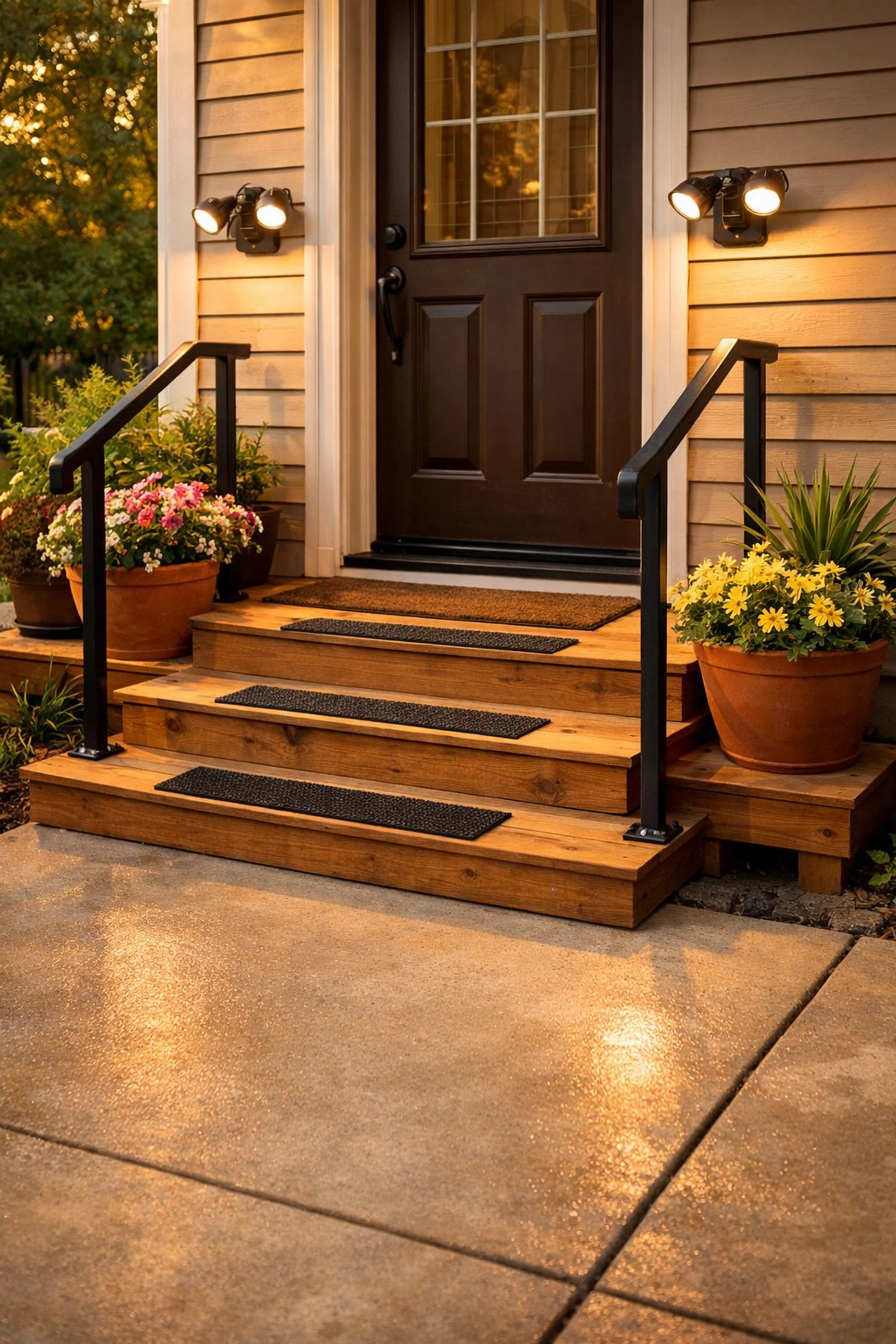
In winter, treat walkways with ice melt or sand before they become icy. Consider installing a grab bar near the front door to provide support when entering and leaving the home.
Turn on porch lights at night, and consider motion-activated outdoor lighting for extra security and visibility.
The Critical Role of Physical Activity
While home modifications are essential, physical fitness plays an equally important role in fall prevention. Regular exercise strengthens muscles, improves balance and coordination, and increases flexibility: all of which directly reduce fall risk.
Before starting any new exercise program, talk with a healthcare provider to make sure it's appropriate. Once you have the green light, consider activities like:
- Walking (indoors or outdoors)
- Water aerobics or swimming
- Tai chi (specifically studied for balance improvement)
- Yoga classes designed for seniors
- Physical therapy exercises
If fear of falling has made someone hesitant to exercise, a physical therapist can design a customized program that starts gently and builds confidence gradually. These programs often begin with seated exercises and progress at a comfortable pace.
The key is consistency. Even 15-20 minutes of daily activity can make a meaningful difference in strength and stability over time.
Using Assistive Devices Properly
There's no shame in using walking aids: they're tools that help maintain independence and safety. Canes and walkers provide steady support during movement and can dramatically reduce fall risk when used correctly.
The important word there is "correctly." An improperly fitted cane or walker can actually increase fall risk. Work with a physical therapist or healthcare provider to ensure any assistive device is:
- The right height for the user
- Appropriate for their specific mobility needs
- In good working condition with no loose parts
- Used with proper technique
Footwear matters too. Shoes should have low heels and non-slip rubber soles. Avoid walking in socks, slippers without backs, or shoes with smooth leather soles.
Vision and Health Checks
Poor vision significantly increases fall risk, often in ways we don't immediately recognize. Schedule regular eye exams and ensure prescriptions are up to date. Make sure there's adequate lighting for reading, watching television, and completing other daily tasks.
Certain medications can cause dizziness or drowsiness, increasing fall risk. Review all medications with a healthcare provider regularly, and report any side effects like lightheadedness or balance problems.
If someone has experienced a previous fall, ask their doctor about having an occupational therapist or physical therapist conduct a home safety assessment. These professionals can spot potential hazards you might miss and suggest specific modifications.
Creating Your Fall Prevention Action Plan
Prevention works best when it's systematic. Here's how to create an action plan:
- Conduct a room-by-room walkthrough of your home, noting hazards and needed modifications
- Prioritize high-risk areas like bathrooms, stairs, and primary walkways
- Make immediate changes that don't require installation or purchase (removing clutter, adjusting lighting)
- Plan for installations like grab bars and handrails: these may require professional help
- Schedule regular exercise and healthcare appointments
- Review and update your plan every few months
Keep emergency numbers in large print near all phones. Consider technology solutions like medical alert systems or smartwatches with fall detection if appropriate for your situation.
Moving Forward with Confidence
Fall prevention doesn't happen overnight, but every small change moves you in the right direction. Start with the modifications that are easiest to implement, then work your way through the more involved improvements.
Remember, the goal isn't to create a sterile, obstacle-free environment that feels institutional. It's to make thoughtful changes that preserve independence while reducing risk. With attention to home safety, commitment to physical activity, and appropriate use of assistive devices when needed, seniors can continue living confidently in their own homes.
Most importantly, involve your loved ones in these conversations. Fall prevention works best when everyone understands the importance of these changes and works together to maintain a safe, comfortable home environment.

