
Hey there. I’m Brian Kerr, the founder of Fall Guys Products. If you’ve spent any time looking into how to stay safe and independent as you age, you’ve probably heard the terms "balance" and "strength" thrown around a lot. They’re the bread and butter of fall prevention. But what do they actually mean in practice? And how can you improve them without feeling like you’re training for a marathon?
In our line of work, we see how much a single fall can change someone’s life. It’s not just about the physical injury; it’s about the loss of confidence. But here’s the good news: falling is not an inevitable part of aging. With the right focus on your physical foundation and a few smart adjustments to your environment, you can significantly lower your risk.
This guide is designed to be your roadmap. We’re going to dive deep into the mechanics of staying upright, the specific exercises that make a difference, and how to tie it all together with the right tools.
Why Balance and Strength are the Dynamic Duo
Think of your body like a high-end car. The "strength" is the engine and the brakes: it’s what allows you to move and, more importantly, what allows you to stop or catch yourself if you stumble. The "balance" is the onboard computer and the steering: it’s the system that tells the body where it is in space and how to react to a bump in the road.
If the engine is weak, the car won't move well. If the computer is glitchy, the car might veer off course. You need both working in harmony to stay on the road.
As we get older, our muscle mass naturally tends to decrease, and our sensory systems (vision, inner ear, and "proprioception" or touch) can get a little fuzzy. This combination is what leads to falls. But research shows that even well into our 80s and 90s, our bodies are incredibly capable of getting stronger and recalibrating that internal computer.
The Three Pillars of Fall Prevention
To truly succeed at preventing falls, we need to look at three key areas:
- Strength Training: Building the muscle power in your legs and core.
- Balance Exercises: Training your brain and nervous system to keep you steady.
- Mobility and Environment: Ensuring you can move through your range of motion and that your home isn’t working against you.
Let’s break these down into actionable steps.
Building a Stronger Foundation: Strength Training
When people think of "strength training," they often imagine heavy weights and gym memberships. For fall prevention, it’s much simpler than that. We are primarily concerned with your "functional strength": the ability to perform daily tasks like getting out of a chair, climbing stairs, or stepping over a curb.
The Power of the Lower Body
Your legs are your primary defense against a fall. Specifically, your quadriceps (thighs), glutes (buttocks), and calves are the muscles that keep you upright.
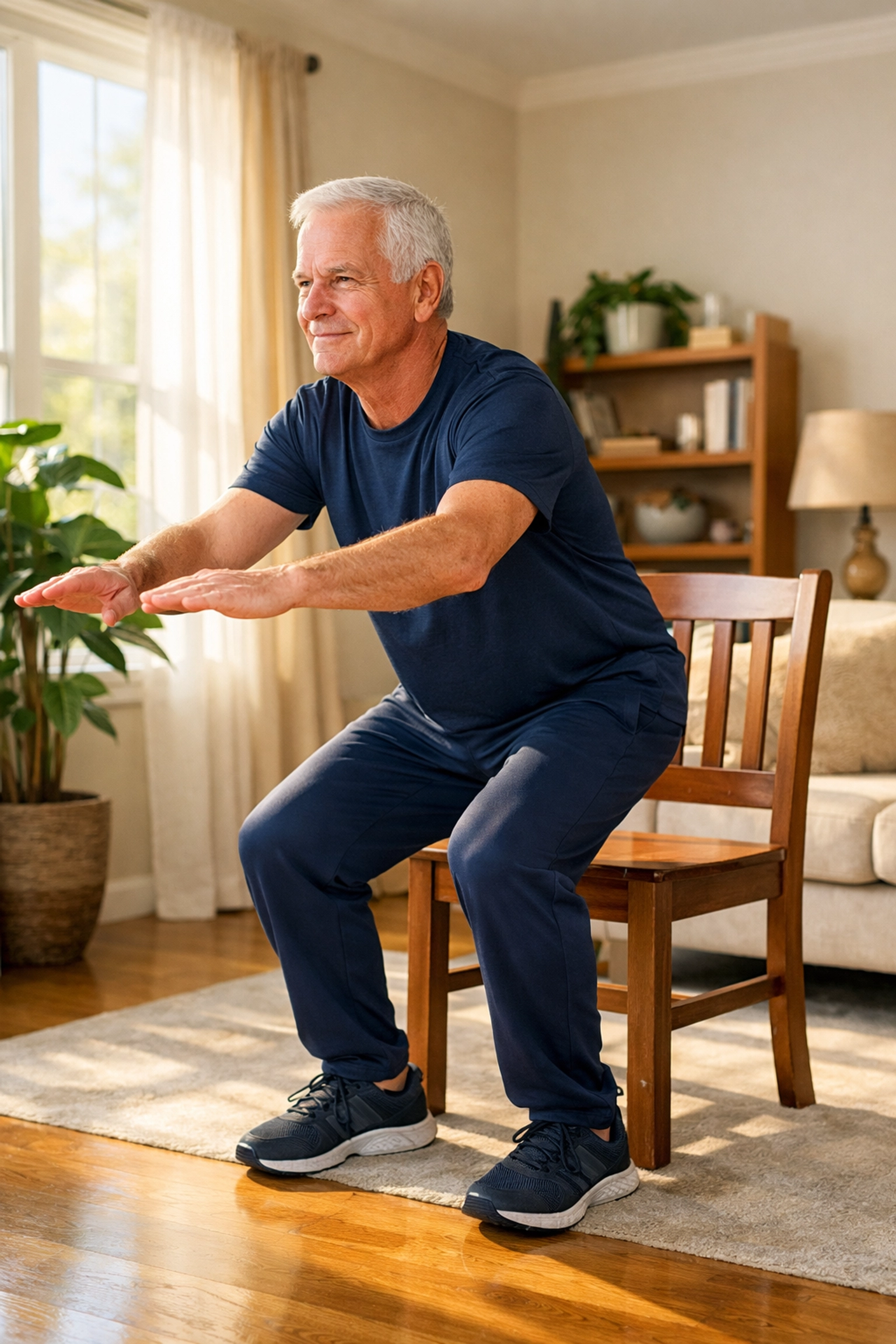
1. The Sit-to-Stand (The King of Exercises)
This is exactly what it sounds like. Sit in a sturdy chair with your feet flat on the floor. Without using your hands to push off (if possible), stand up straight. Then, slowly sit back down. Repeat this 10 times. This mimics the exact movement needed to get off a toilet or out of a car.
2. Heel and Toe Raises
Strong calves and ankles help you clear your feet while walking, which prevents tripping. Stand behind a sturdy chair or a kitchen counter for support. Slowly rise up onto your toes, hold for a second, and lower back down. Then, lift your toes off the ground so you’re balancing on your heels.
3. Side Leg Raises
Your hip abductors (the muscles on the side of your hips) are crucial for lateral stability. If you trip sideways, these muscles catch you. Stand tall and lift one leg out to the side, keeping your toe pointed forward. Lower it slowly.
Don't Forget the Core
Your core isn't just about "six-pack abs." It’s the entire midsection of your body that stabilizes your spine. A strong core helps you maintain your posture. When your posture is upright, your center of gravity is where it should be, making you much harder to knock over.
Simple movements like "marching in place" while standing (and holding onto something for safety) engage the core and the hip flexors simultaneously.
Sharpening Your Internal GPS: Balance Training
Balance is a skill. Just like playing the piano or knitting, your brain gets better at it the more you practice. The goal of balance training is to challenge your system in a safe, controlled way so that when a real-life challenge happens: like a slippery floor or a playful dog: your body knows what to do.
The Progression Model
Safety is the priority here. You should always perform these exercises near a counter or a sturdy piece of furniture that you can grab.
Level 1: Feet Together
Stand with your feet touching. This narrows your "base of support," making you slightly less stable. Try to hold this for 30 seconds.
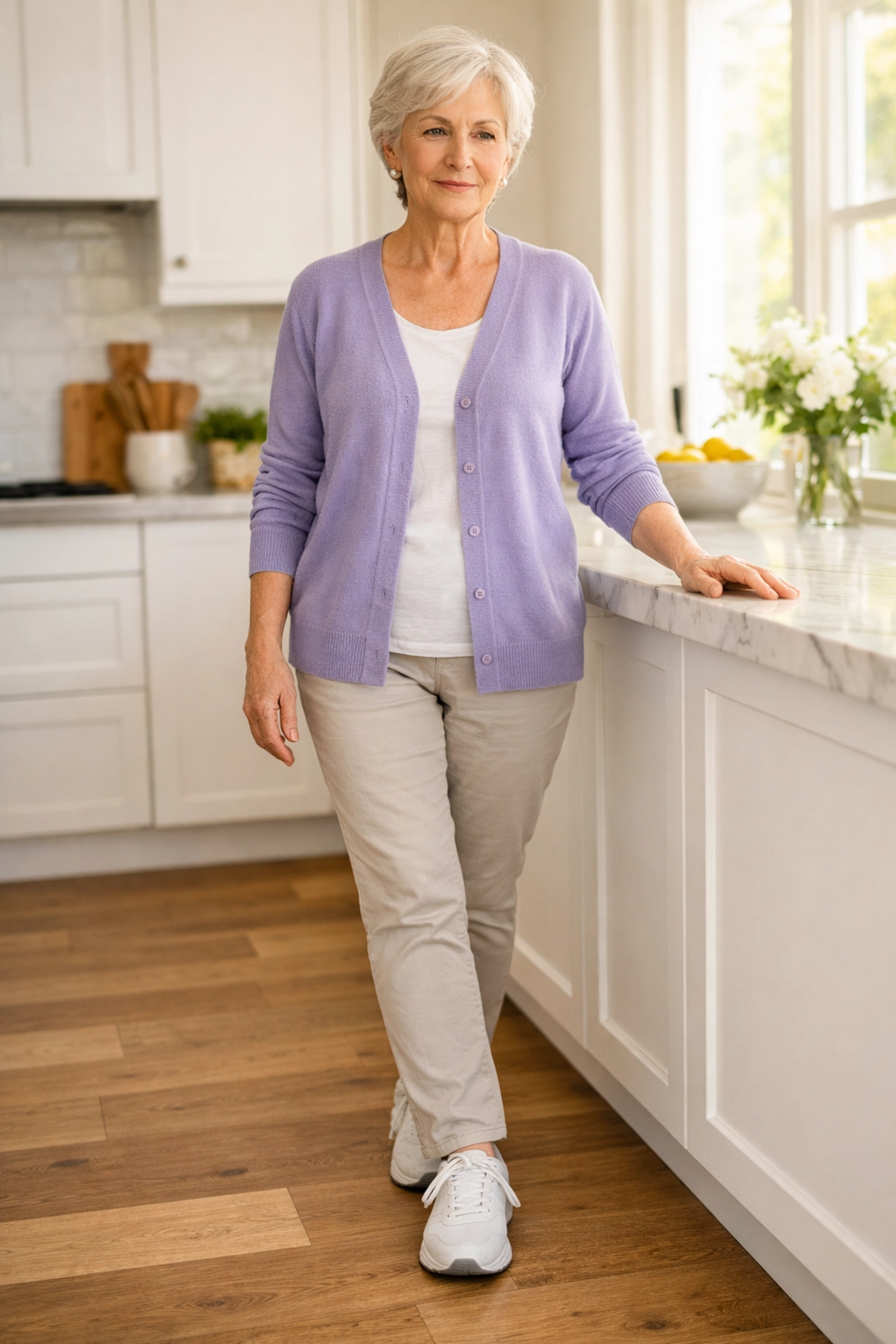
Level 2: Tandem Stance (Heel-to-Toe)
Place one foot directly in front of the other, like you’re walking on a tightrope. This is much harder than it looks! It forces your ankles to work hard to keep you steady.
Level 3: Single Leg Balance
Lift one foot off the ground. Try to hold for 10 seconds, then 20, then 30. This is the ultimate test of balance.
Advanced Techniques: Dual Tasking
In the real world, we rarely fall while we’re focusing purely on our balance. We fall while we’re talking to a friend, looking for our keys, or thinking about what to have for dinner.
"Dual tasking" involves doing a balance exercise while performing a cognitive task. Try standing on one leg while naming as many animals as you can that start with the letter "B." This trains your brain to maintain stability even when you’re distracted.
The Role of Mobility and Flexibility
You can be as strong as an ox, but if your joints are stiff, you’re still at risk. Mobility refers to how well your joints move through their intended range of motion.
For example, if your ankles are stiff, you might not be able to lift your toes high enough to clear a rug, leading to a trip. If your neck is stiff, you might not be able to look around effectively to spot hazards.
Gentle Stretching: Incorporating a daily stretching routine for your calves, hamstrings, and hip flexors can make movement feel "fluid" rather than "clunky." Think of it as oiling the hinges of a door.
Making the Home a Partner in Safety
While you work on your body, it’s equally important to look at your surroundings. Even the most balanced person can trip in a dark hallway or on a loose rug.
Lighting is Everything
Our eyes play a huge role in balance. As we age, we need more light to see clearly.
- Add motion-sensor nightlights in the bathroom and hallways.
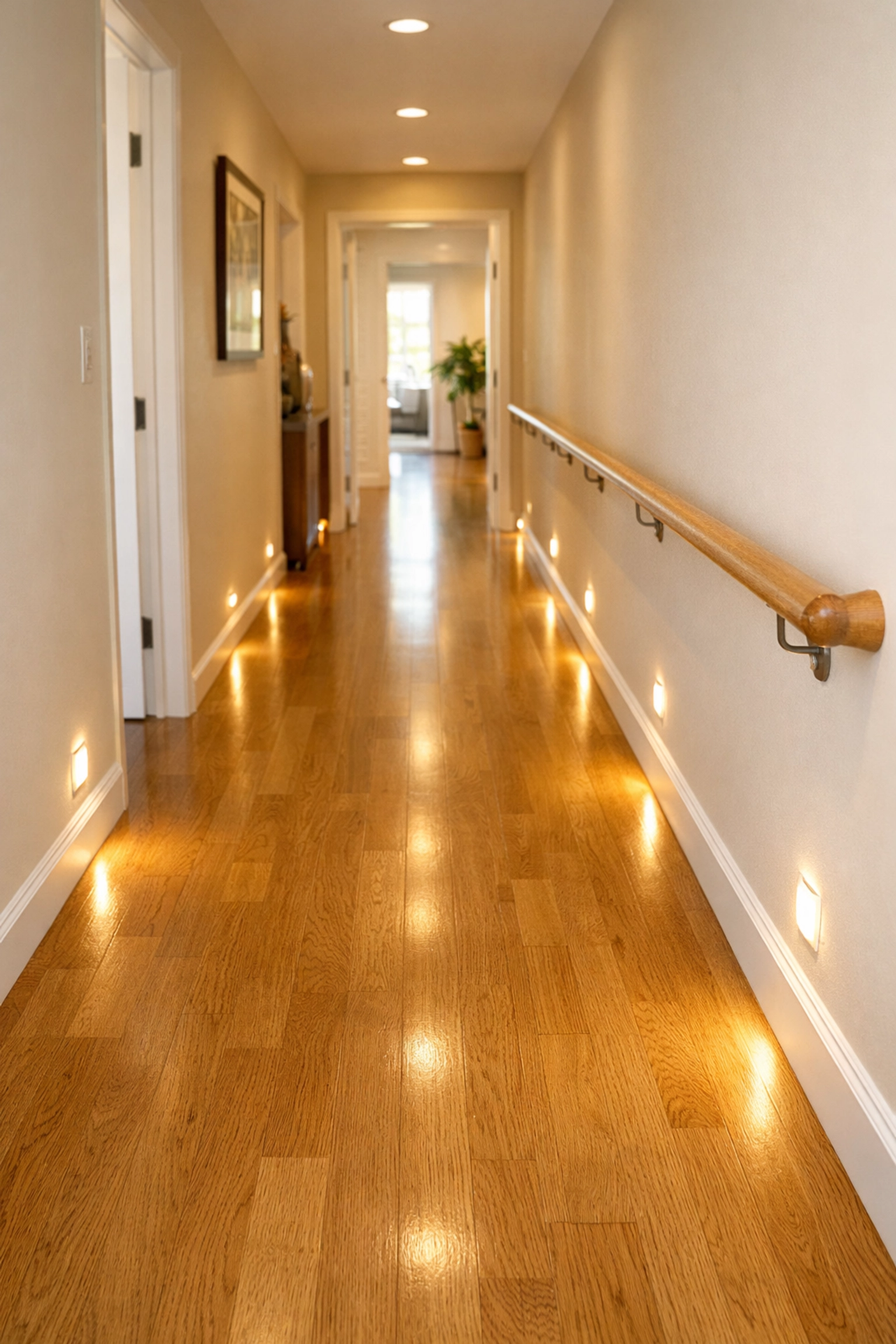
- Ensure stairways are brightly lit from top to bottom.
Clear the Path
Remove "booby traps" like:
- Throw rugs (either remove them or use double-sided tape to secure them).
- Cords crossing walkways.
- Piles of books or shoes on the floor.
Strategic Support
Sometimes, the best way to prevent a fall is to have something solid to hold onto. This is where mobility aids and home modifications come in. Grab bars in the bathroom and sturdy handrails on both sides of the stairs aren't "signs of aging": they’re smart safety features, just like seatbelts in a car.
When to Use Mobility Aids
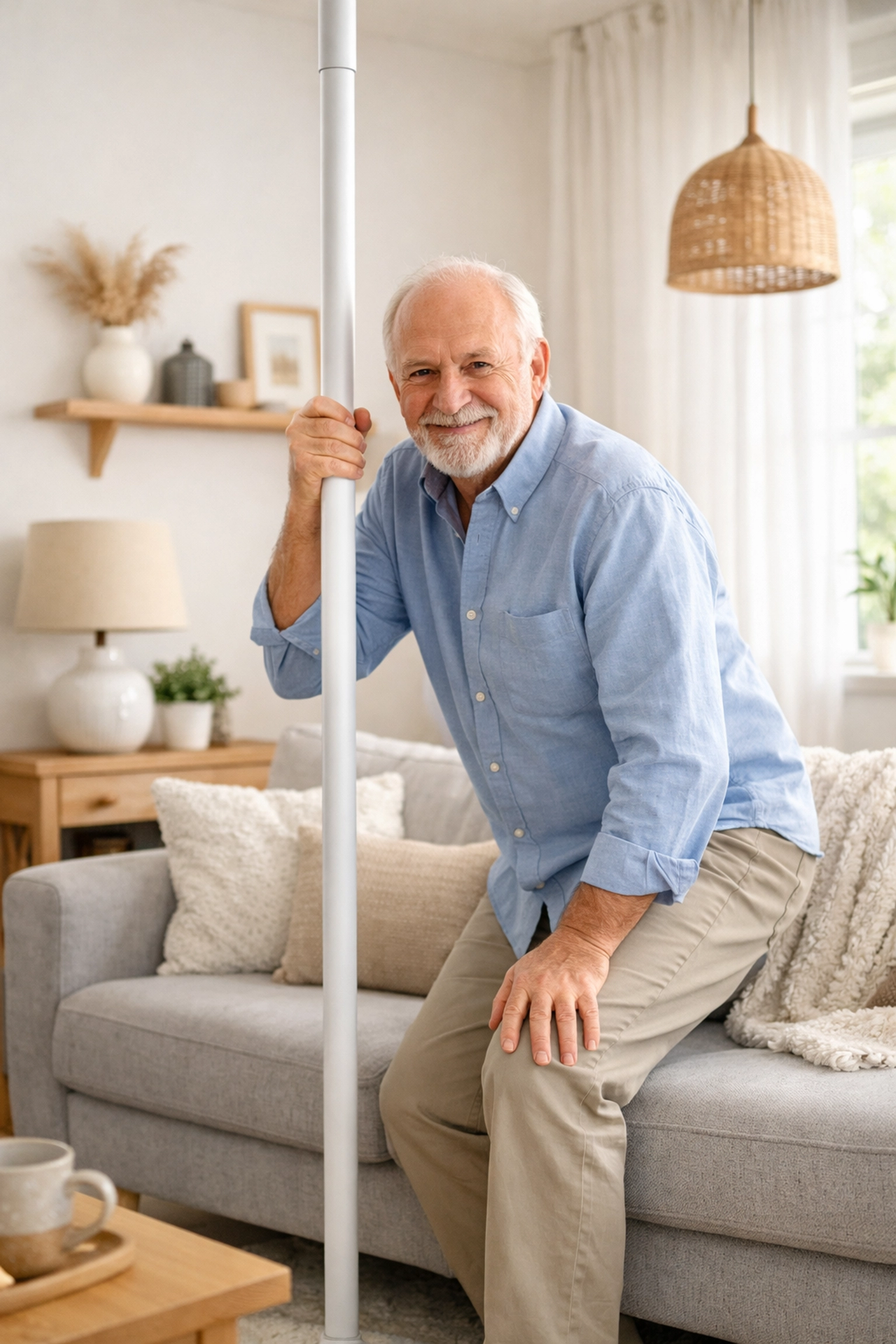
There is often a stigma around using canes, walkers, or safety poles. I want to challenge that. A mobility aid is a tool for independence. If using a cane or a sturdy floor-to-ceiling pole allows you to move around your home with confidence instead of fear, then that tool is a win.
The key is choosing the right aid for your specific needs:
- Canes: Great for minor balance issues or taking some weight off a painful joint.
- Walkers/Rollators: Provide a wider base of support and a place to sit if you get tired.
- Safety Poles: These are fantastic for "transitional" movements: like getting out of bed or off a couch: where many falls occur.
Using an aid doesn't mean you stop doing your exercises. In fact, the aid provides the safety you need to move more, which helps keep your muscles active.
Creating a Sustainable Routine
Consistency beats intensity every single time. You don’t need to do an hour of exercises once a week. You’ll see much better results doing 10 minutes of balance and strength work every single day.
Here is a simple way to bake it into your day:
- Morning: Do 10 sit-to-stands before you leave the kitchen after breakfast.
- Afternoon: Practice your tandem stance while the microwave is running or while you're on the phone.
- Evening: Do a few gentle stretches while watching the news.
A Note for Caregivers
If you are reading this because you’re worried about a parent or a loved one, the best approach is one of partnership. Avoid saying "You need to do this so you don't fall." Instead, try "I want to make sure you can keep doing the things you love, like gardening or walking the dog. Let’s try these exercises together to keep your legs strong."
Encouragement and participation go a long way. Maybe you can do the balance exercises with them: it’s good for people of all ages!
Summary: You've Got This
Preventing falls is about taking control. It’s about recognizing that while we can’t stop the clock, we can absolutely influence how our bodies respond to it.
By focusing on your lower body strength, sharpening your balance through daily practice, and making your home a safer place to move, you are building a fortress of safety around your independence.
Remember, it’s never too late to start. Whether you’re 65 or 95, your body is capable of improvement. Take it one step at a time, stay consistent, and don't be afraid to use the tools available to you. You’ve worked hard for your independence: let’s make sure you keep it.
Stay steady,
Brian Kerr

