
Most falls happen at home, in familiar places we walk through every single day. That coffee table you've navigated around for years? The bathroom mat that's always been there? These everyday items can become hazards as our balance, vision, or mobility changes over time.
The good news is that spotting these dangers doesn't require a professional assessment or hours of work. With a focused 20-minute walk-through, you can identify the most common fall risks in your home and start making simple changes that make a real difference.
This checklist focuses on the five highest-impact hazards: lighting, rugs, clutter, support features, and clear pathways. Let's walk through each room together.
Living Room and Common Areas
Your living room is likely where you spend most of your waking hours at home, which makes it a priority for fall prevention.
Start with the floor. Walk your usual pathways and look down. Are there newspapers, magazines, or stacks of mail near your walking routes? What about electrical cords from lamps, phones, or entertainment systems? These items might seem harmless, but they're trip hazards waiting to catch a toe or walker wheel.
Take a few minutes to clear any clutter from walkways. For cords that cross paths, fasten them to baseboards with cord clips or tape them down securely. If you have multiple cords in one area, consider a cord cover that creates a flat surface.
Check your rugs next. Area rugs add warmth and style, but they're also one of the top causes of falls. Flip up each corner and check whether it has non-slip backing. If it doesn't, add double-sided carpet tape or non-slip rug pads underneath. Better yet, consider removing throw rugs entirely, especially small ones that can slide easily.
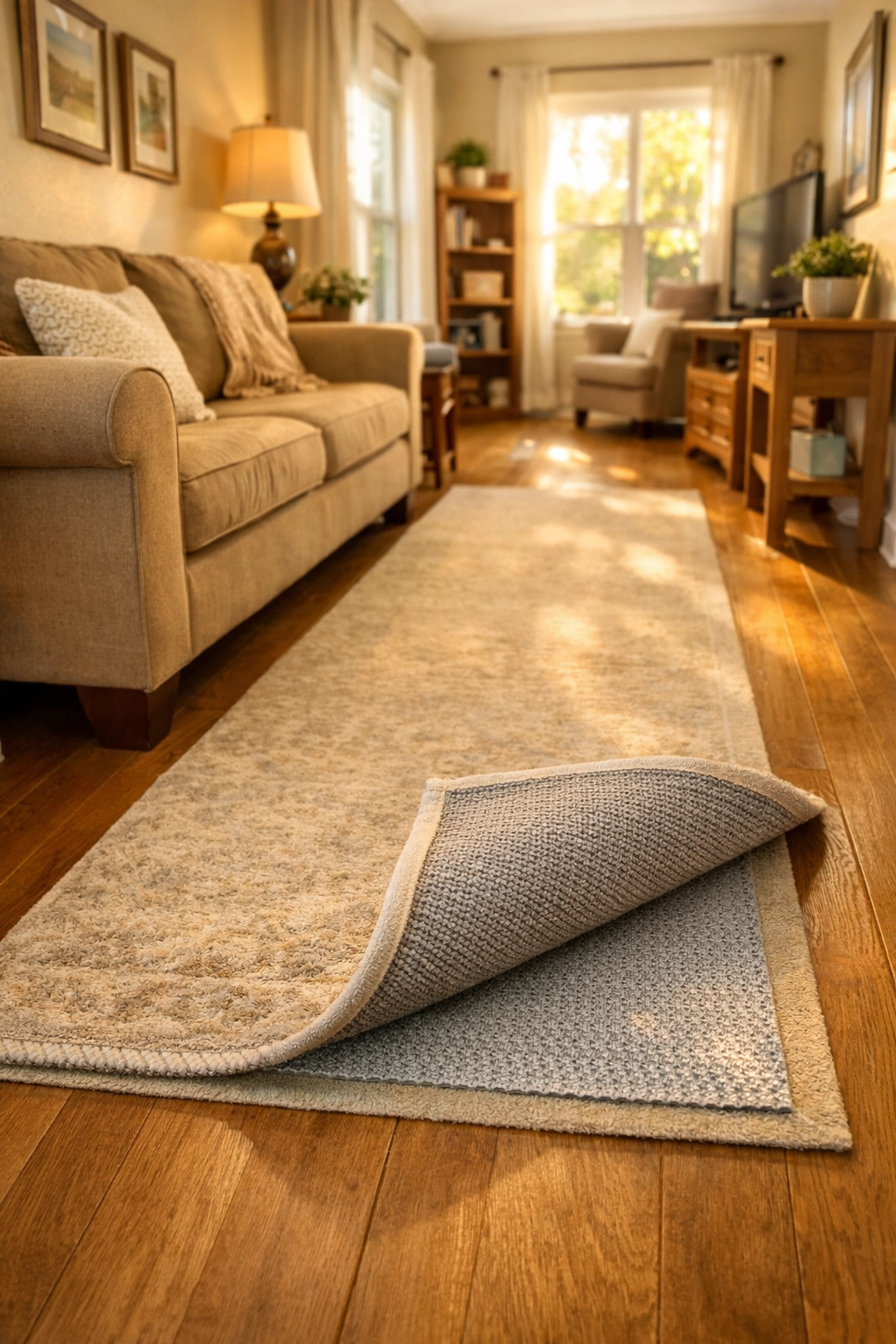
Look at your furniture arrangement. Low coffee tables, ottomans, and plant stands can be difficult to see, especially in dim lighting or when you're moving quickly. If possible, remove low furniture from main pathways or move it against walls. Check that chairs and sofas are sturdy when you grip them for support, and make sure they're high enough that you can stand from them without straining.
Test your lighting. Turn on all the lamps in the room. Are there any dark corners or shadowy areas? Replace any burned-out bulbs, and consider using brighter bulbs in areas where you read or do tasks. Light switches should be easy to reach when you enter the room so you're never walking through darkness.
Bedrooms
Your bedroom presents unique challenges because you move through it when you're drowsy, in the dark, and sometimes in a hurry.
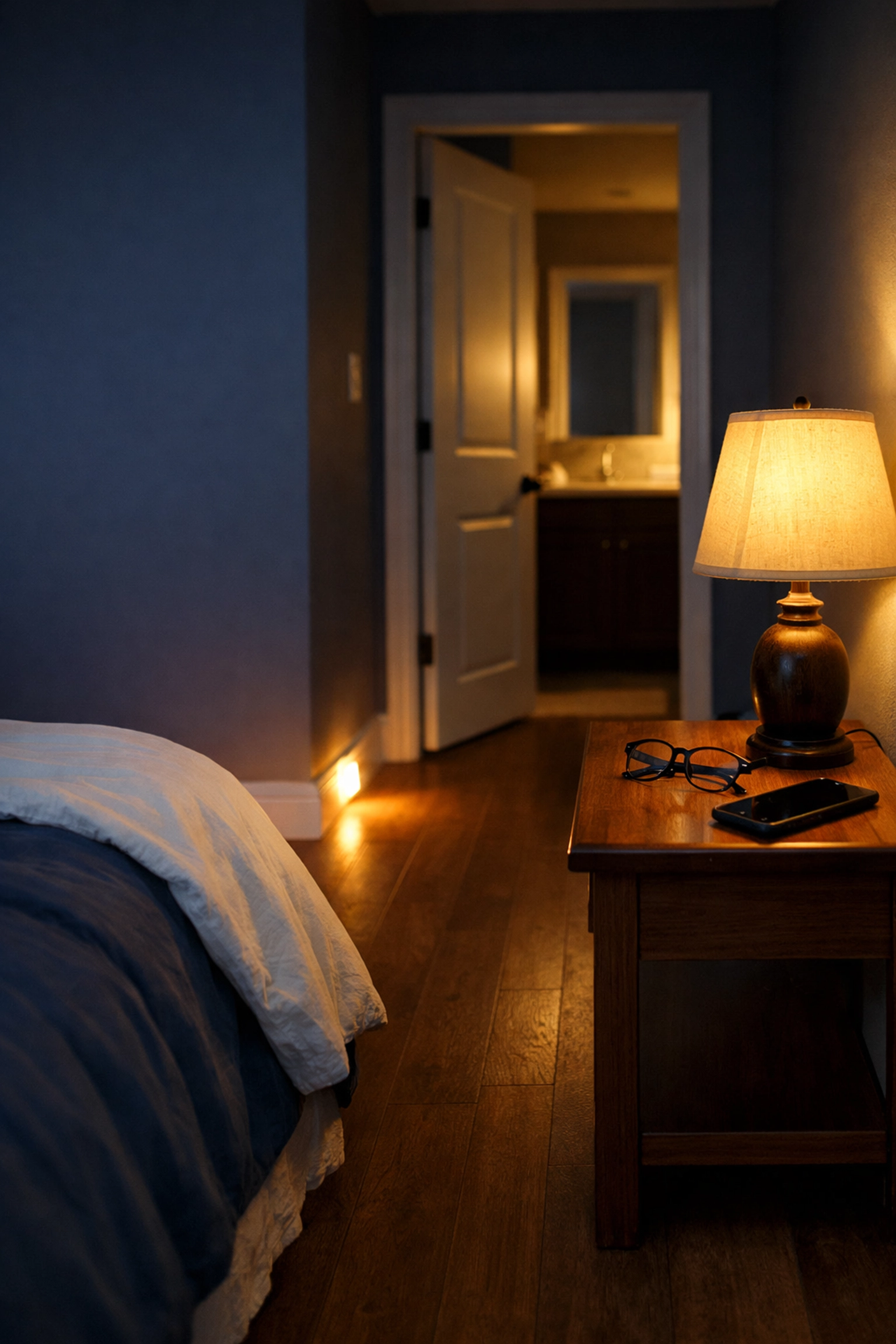
Map your nighttime path. Stand at your bedside and look toward the bathroom. Is the path wide and completely clear? Move anything that blocks this route, including shoes, laundry baskets, or furniture. This path should be at least three feet wide if possible.
Position your essentials. Your nightstand should have everything you might need during the night within arm's reach: a lamp with an easy-to-find switch, your phone, glasses, and any medications. You shouldn't need to stand up and walk anywhere to grab these items in the middle of the night.
Add nighttime lighting. Even with a bedside lamp, you need backup lighting for when you're half-asleep. Install motion-activated nightlights along the path to your bathroom and near light switches. These small lights provide just enough visibility to navigate safely without being so bright they wake you up completely.
Check your bed height. Sit on the edge of your bed as if you're about to stand up. Your feet should rest completely flat on the floor. If your bed is too high or too low, it's harder to stand safely. You might need bed risers to raise a low bed or consider a different mattress setup if your bed is too high.
Bathrooms
Bathrooms combine slippery surfaces with hard edges, making them particularly risky. But a few strategic additions can make them much safer.
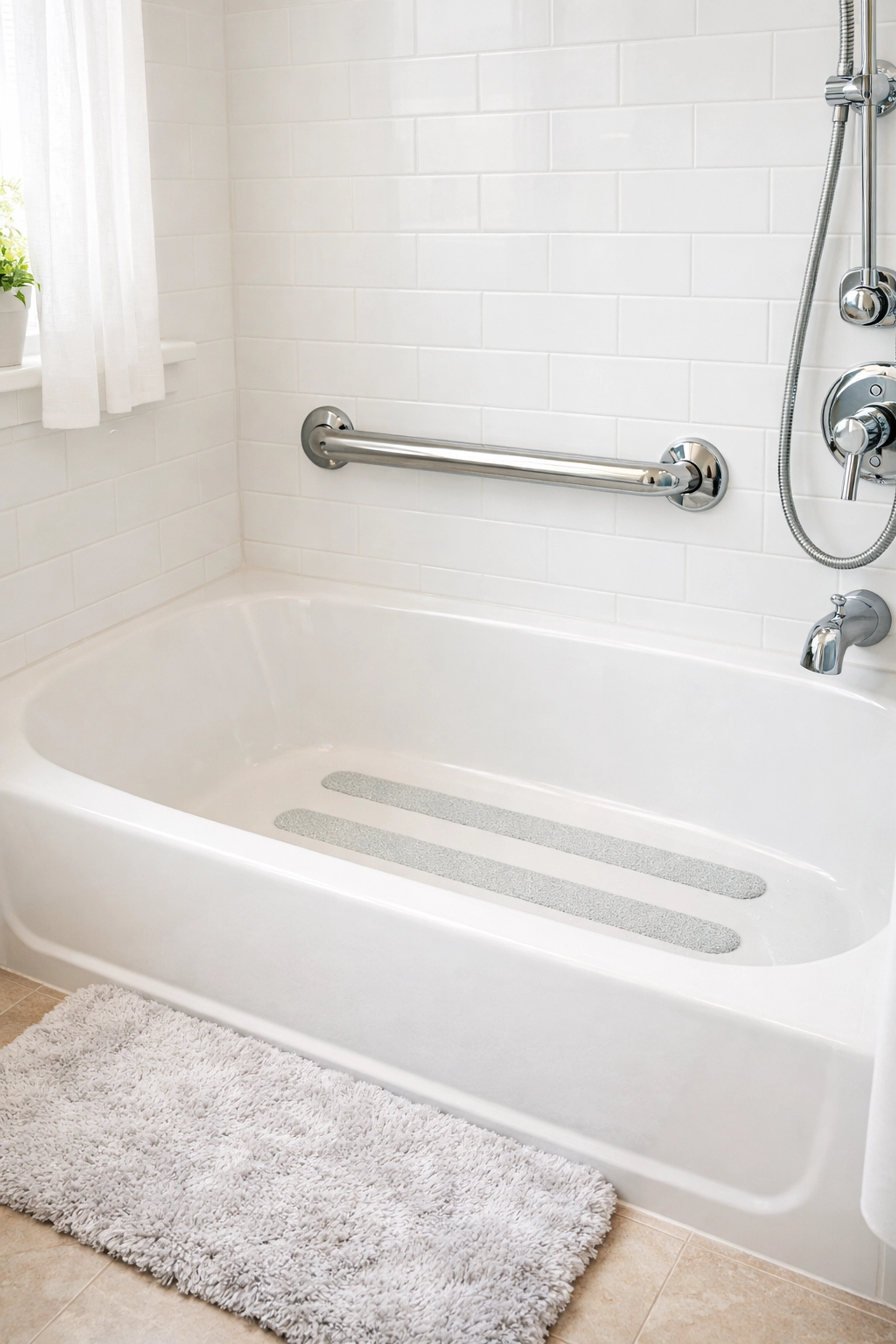
Evaluate your grab bar situation. Stand near your toilet and in your tub or shower. Where would you naturally reach if you started to lose balance? These spots need grab bars. Effective placement typically means grab bars near the toilet and on at least one side of the tub or shower, though having them on both sides is ideal.
If you're installing grab bars, they must be anchored into wall studs to support your full body weight. Suction-cup grab bars aren't secure enough and can fail when you need them most.
Address slippery surfaces. Place non-slip mats both inside and outside your tub or shower. For the tub floor itself, consider textured adhesive strips that provide traction even when wet. Test these surfaces by pressing down firmly: they should not shift at all.
Improve bathroom lighting. Bathrooms need bright, even lighting, especially around the mirror and shower area. Add a nightlight for those middle-of-the-night bathroom trips so you don't have to fumble for the main light switch in the dark.
Stairs and Steps
Even a single step can be dangerous if you're not paying attention or if the step isn't well-maintained.
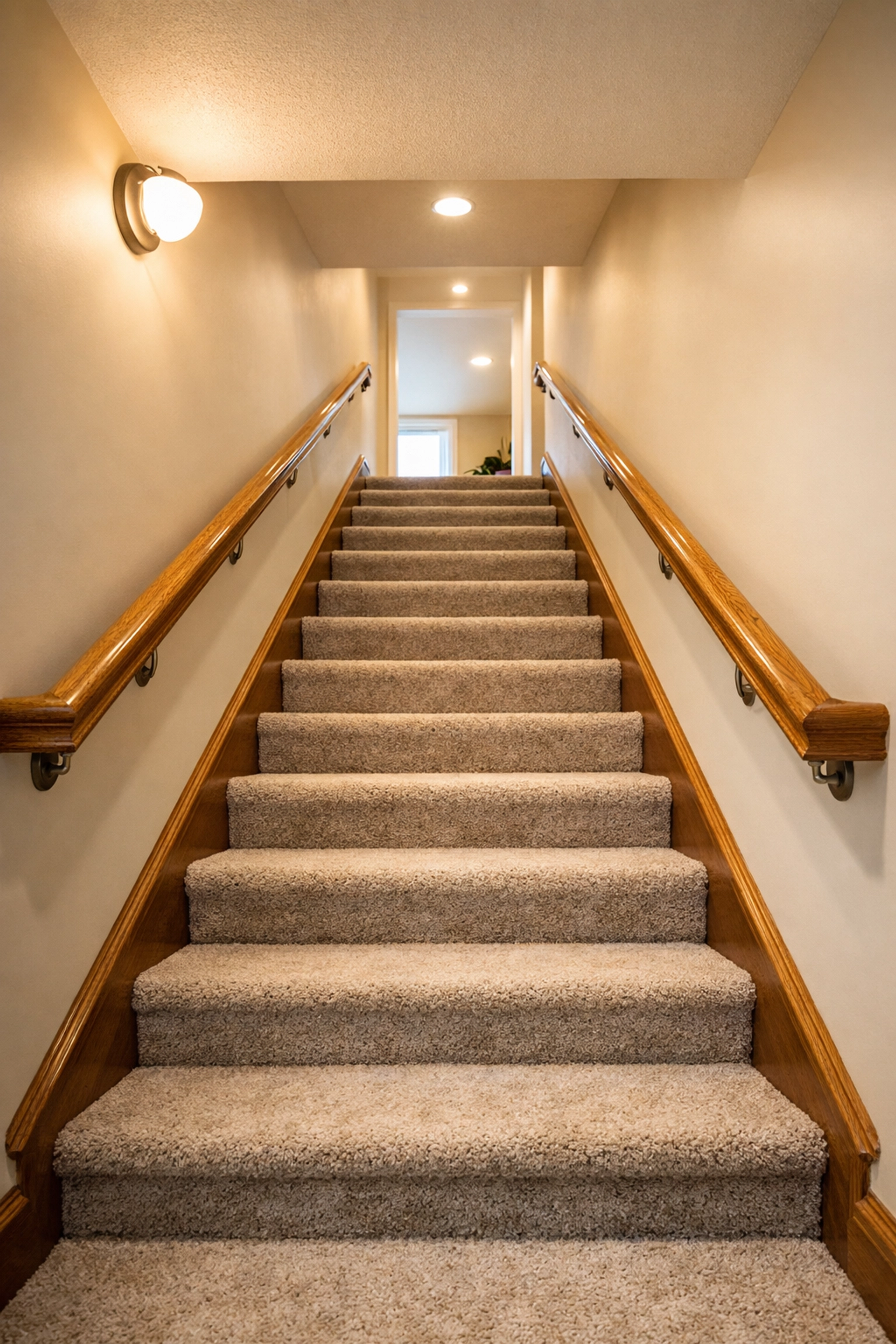
Test your handrails. Grip the handrails firmly and try to move them. They shouldn't budge at all. Handrails should run along both sides of the staircase if possible, and they should extend beyond the top and bottom steps so you have support when stepping on and off the stairs.
Inspect the stair surfaces. If your stairs are carpeted, check that the carpet is tightly secured with no loose areas, bumps, or worn spots where you might catch your foot. For hardwood or tile stairs, consider adding non-slip stair treads or textured strips to prevent slipping.
Check stairway lighting. You need bright lighting at both the top and bottom of stairs, with switches accessible at both ends so you never climb or descend in darkness. Motion-activated lights can be particularly helpful here.
Clear the stairs. This seems obvious, but it's easy to leave items on stairs as a reminder to take them up or down later. Never leave books, papers, shoes, or other objects on stairs, even temporarily.
Kitchen
Kitchen falls often happen because of wet floors, reaching for items, or fatigue while cooking.
Watch for spills. Make it a habit to wipe up any spills immediately, whether it's water, grease, or food. Even a small wet spot can be enough to cause a slip. Keep a towel handy specifically for floor spills.
Reorganize for easy reach. Items you use daily should be stored between waist and eye level. If you're reaching above your head or bending low to the ground regularly, you're increasing your fall risk. Move frequently used dishes, glasses, spices, and pantry items to middle shelves and cabinets.
Plan to sit when possible. Preparing meals while standing for long periods can lead to fatigue and instability. If you have a kitchen stool or chair, consider sitting for tasks like chopping vegetables or mixing ingredients. This reduces the strain on your legs and improves your overall stability.
Entryways and Outdoor Areas
The spaces where you enter and leave your home deserve attention too, as they bridge the indoor and outdoor environments.
Inspect all steps and thresholds. Check your front and back steps for cracks, unevenness, or any damage. Even small cracks can catch the toe of a shoe or a walker wheel. Look at the threshold between your door and the ground: if there's a significant lip, consider adding a small ramp or marking it with bright tape so it's more visible.
Ensure outdoor lighting works. Turn on your porch lights and verify they provide enough light to see clearly at night. Motion-sensor lights near doors are helpful since they automatically light your way when you approach.
Maintain walkways year-round. In winter, apply ice melt or sand to outdoor paths before they become slippery. In other seasons, clear debris like fallen branches, leaves, or newspapers that might hide an uneven surface.
Creating Your Action Plan
Now that you've completed your walk-through, you probably have a mental list of changes to make. Don't feel like you need to tackle everything at once.
Start with the quick wins: removing clutter, securing loose rugs, replacing burned-out bulbs, and clearing pathways. These changes take minutes but immediately reduce your fall risk.
Next, prioritize rooms where you move frequently or at night, particularly the bedroom-to-bathroom path. These high-traffic areas at vulnerable times deserve attention first.
For changes that require installation or purchase: like grab bars, better lighting, or non-slip surfaces: make a prioritized list based on which rooms feel most unstable to you. Trust your instincts about where you feel least confident.
Making These Changes Stick
The most important part of fall prevention isn't the initial check: it's maintaining these safer conditions over time.
Set a reminder to do a quick 10-minute safety scan once a month. Look for new clutter, check that grab bars are still secure, verify that nightlights are working, and ensure rugs haven't shifted.
If you live with others or have regular visitors, let them know about your safety priorities. Everyone who uses the space should understand why certain areas stay clear and why items belong in specific spots.
As your needs change, your home setup should adapt too. What works now might need adjustment in six months or a year. That's completely normal. The goal isn't perfection: it's creating an environment that supports your independence and safety for the long term.
Most falls are preventable with simple environmental changes. This 20-minute investment in checking your home can give you peace of mind and help you maintain your independence in the space you love.

