
When we talk about staying safe at home, many people immediately think about grab bars or removing throw rugs. While those are important, a Physical Therapist (PT) looks at the home through a much wider lens. To a PT, your home isn't just a building; it’s a "living lab" where your physical abilities meet your environment.
A home fall prevention assessment is a systematic evaluation designed to identify where a person's physical capabilities might be mismatched with their surroundings. The goal isn’t to point out what you can’t do, but rather to find ways to keep you doing what you love, safely. In this guide, we’ll walk through exactly how a PT conducts these assessments and what you can learn from the process.
The Starting Point: The Screening Conversation
Before a PT even looks at your stairs or checks your footwear, they start with a conversation. This screening process helps determine the level of risk and where the focus of the assessment should be. Most PTs use three primary questions to get started:
- Have you fallen in the past year? If the answer is yes, the PT will want to know the circumstances. Was it a trip? A dizzy spell? Did it happen in the dark?
- Do you feel unsteady when standing or walking? This addresses your subjective sense of balance. Often, our bodies tell us we are at risk before a fall actually happens.
- Are you worried about falling? Fear of falling is a significant risk factor itself. It often leads people to limit their activity, which causes muscle weakness and actually increases the likelihood of a fall later on.
During this initial talk, the therapist is also looking for "red flags" like recent changes in medication, new onset of dizziness, or changes in vision.
The Toolkit: Standardized Balance and Gait Tests
If the screening suggests there might be a risk, the PT moves into objective testing. These aren't "pass or fail" tests in the traditional sense. Instead, they provide a baseline of your current strength, balance, and gait (how you walk).
The Timed Up and Go (TUG) Test
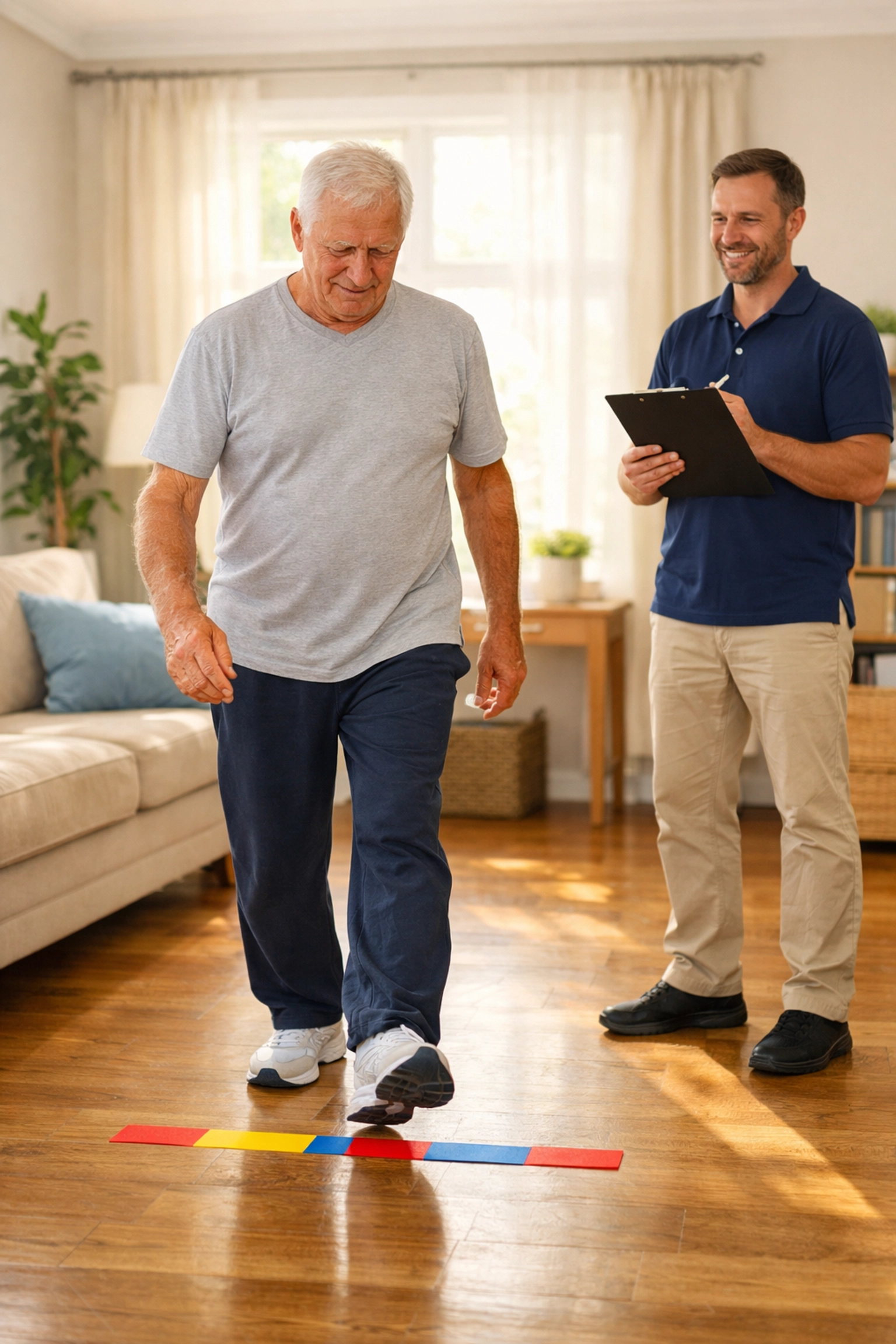
The TUG test is one of the most common tools in a PT’s kit. It’s simple but incredibly revealing. You start seated in a standard armchair, stand up, walk three meters (about 10 feet), turn around, walk back to the chair, and sit down.
The PT isn't just timing you; they are watching how you push off the chair, how steady your turn is, and whether you use your arms for balance. A time of over 12 seconds generally indicates a higher risk of falling, but the quality of movement is just as important as the speed.
The 4-Stage Balance Test
This test looks at static balance: your ability to stay upright while standing still. It involves four positions of increasing difficulty:
- Standing with feet side-by-side.
- The instep of one foot touching the big toe of the other (semi-tandem).
- One foot directly in front of the other, heel-to-toe (tandem).
- Standing on one leg.
The goal is to hold each position for 10 seconds. If a person cannot hold the tandem stance for at least 10 seconds, it’s a clear indicator that their balance needs focused attention.
The Berg Balance Scale
For a more comprehensive look, many therapists use the Berg Balance Scale. This is a 14-item list of tasks, including standing up from a seated position, reaching forward while standing, and turning 360 degrees. It provides a very detailed map of where a person’s balance is strongest and where it might be faltering.
The "Living Lab": A Room-by-Room Assessment
Once the PT understands your physical capabilities, they "merge" that data with your environment. They will often ask you to walk through your daily routine so they can see how you interact with your home.
The Entryways and Transitions
The assessment usually begins at the front door. Are there steps? Is there a sturdy railing? PTs look closely at transitions: moving from a carpeted living room to a tiled kitchen, for example. These "thresholds" are common places for trips to occur because the change in surface friction requires the brain to adjust the walking pattern quickly.
The Living Room
In the living room, a PT looks at furniture height. A sofa that is too soft or too low can be a trap. If it takes three tries to stand up, that fatigue increases the risk of a fall the moment you finally get on your feet. They also look for "furniture walking": the habit of touching tables and chair backs for balance. If you're doing this, it’s a sign that your environment is currently your primary mobility aid, which isn't always safe.
The Bathroom: The High-Risk Zone
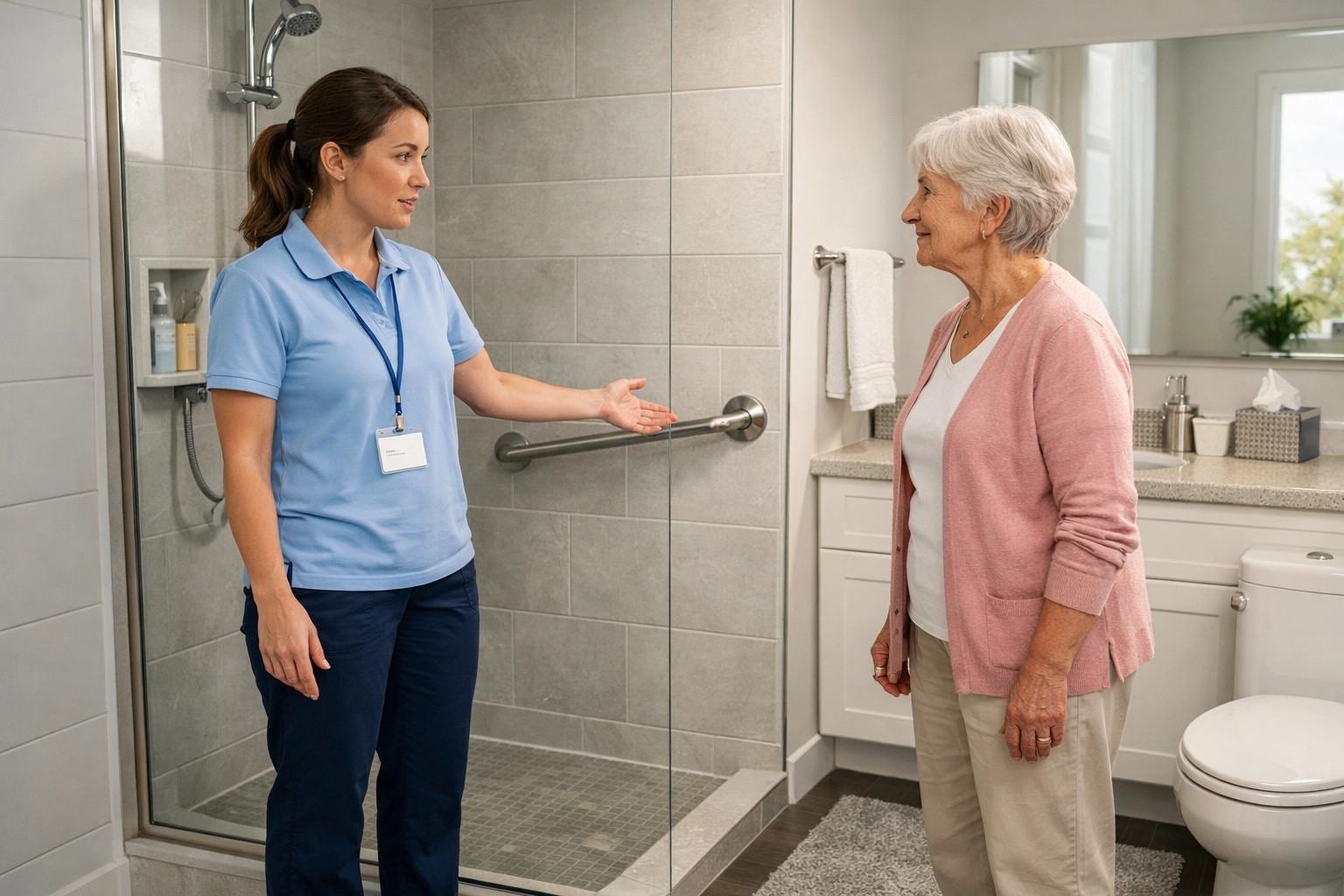
The bathroom is often the most critical part of the assessment. Because surfaces are often wet and hard, the consequences of a fall here are higher. A PT will look at:
- The Toilet: Is it too low? Is there something secure to grab?
- The Shower/Tub: How high is the step-in? Is there a slip-resistant mat?
- The Sink: Do you lean on the vanity for support?
The Bedroom
Most falls in the bedroom happen at night or in the early morning. The PT will check the path to the bathroom. Is it clear of clutter? Is there adequate lighting that can be reached from the bed? They will also check the height of the bed; your feet should be flat on the floor when you sit on the edge.
Assessing "Secondary" Risk Factors
A physical therapist’s assessment goes beyond muscles and floorboards. They also look at physiological factors that contribute to instability.
Orthostatic Hypotension
This is a fancy term for a drop in blood pressure when you change positions. A PT may check your blood pressure while you are lying down, then again immediately after you stand up. If your blood pressure drops significantly, it can cause a "head rush" or dizziness, which is a major cause of falls when getting out of bed.
Vision and Contrast Sensitivity
While a PT isn't an eye doctor, they understand how vision affects balance. They check for "contrast sensitivity": the ability to see the edge of a white step against a white floor. If you struggle to see these edges, they might suggest using high-contrast tape to mark the boundaries of stairs or transitions.
Feet and Footwear
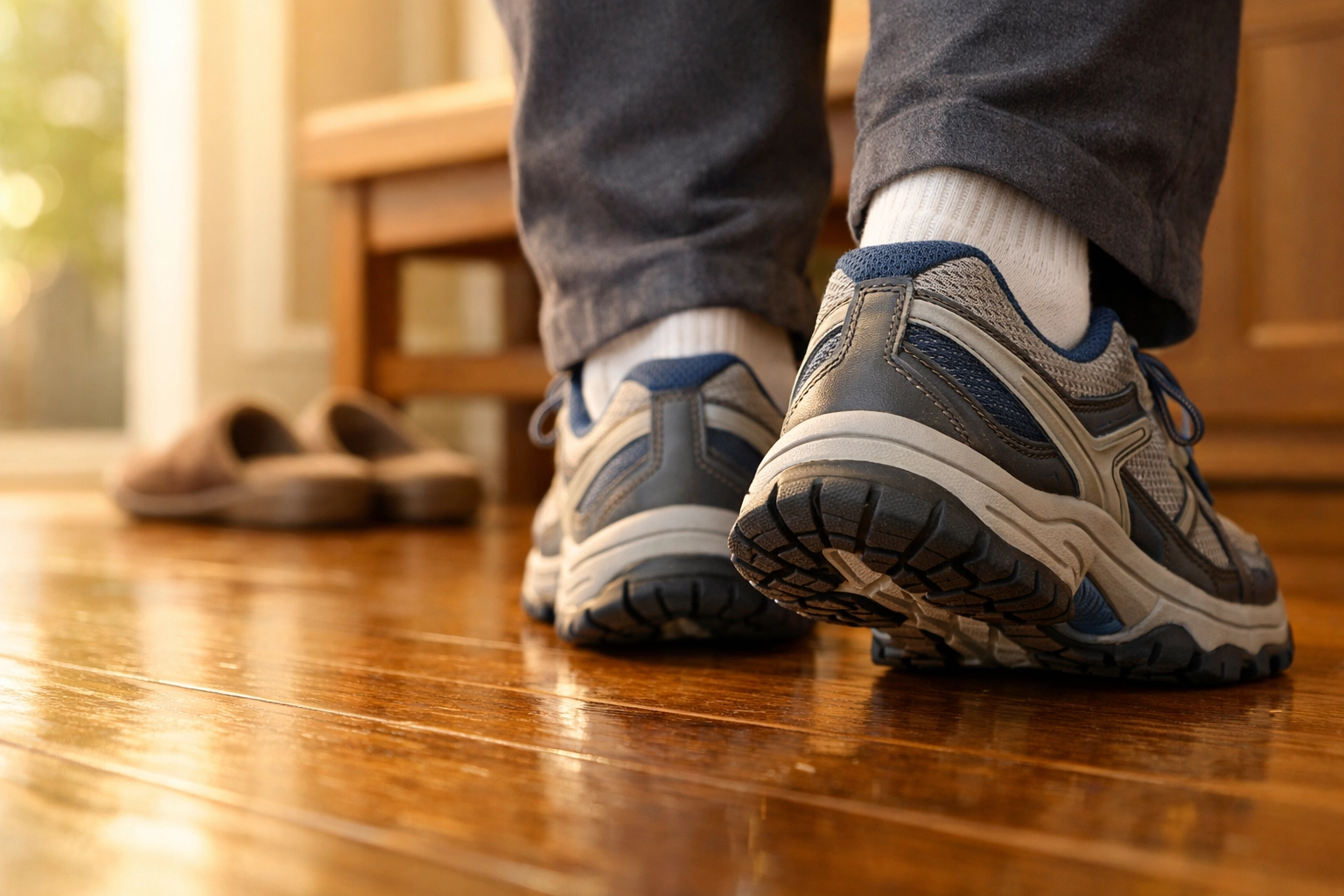
Your feet are your primary contact with the world. A PT will look for issues like numbness (common in neuropathy) or foot pain that might change how you walk. They also evaluate your shoes. Slippers with no backs, heavy rubber soles that "catch" on carpet, or walking in socks on hardwood floors are all habits a PT will help you navigate.
The Cognitive and Psychological Component
Safety isn't just about physical strength; it's about "dual-tasking." In a clinic, you might walk perfectly because you are focusing on your feet. At home, you are walking while carrying a laundry basket or talking on the phone.
A PT might perform a "Cognitive TUG," asking you to count backward by threes while performing the walking test. If your walking slows down significantly when your brain is busy, it shows that your balance isn't yet "automatic." This helps the PT design exercises that challenge your brain and body at the same time.
Creating the Intervention Plan
The assessment is only the first half of the story. The second half is the plan. Based on everything they’ve seen, the PT will create a personalized roadmap. This usually includes three pillars:
1. Physical Therapy Exercises
If the TUG test showed weakness in the legs, the PT will prescribe specific strengthening exercises, like "sit-to-stands." If the balance tests showed issues with stability, they might include "weight-shifting" drills. These exercises are medicine: they are designed to fix the specific physical deficits found during the assessment.
2. Environmental Modifications
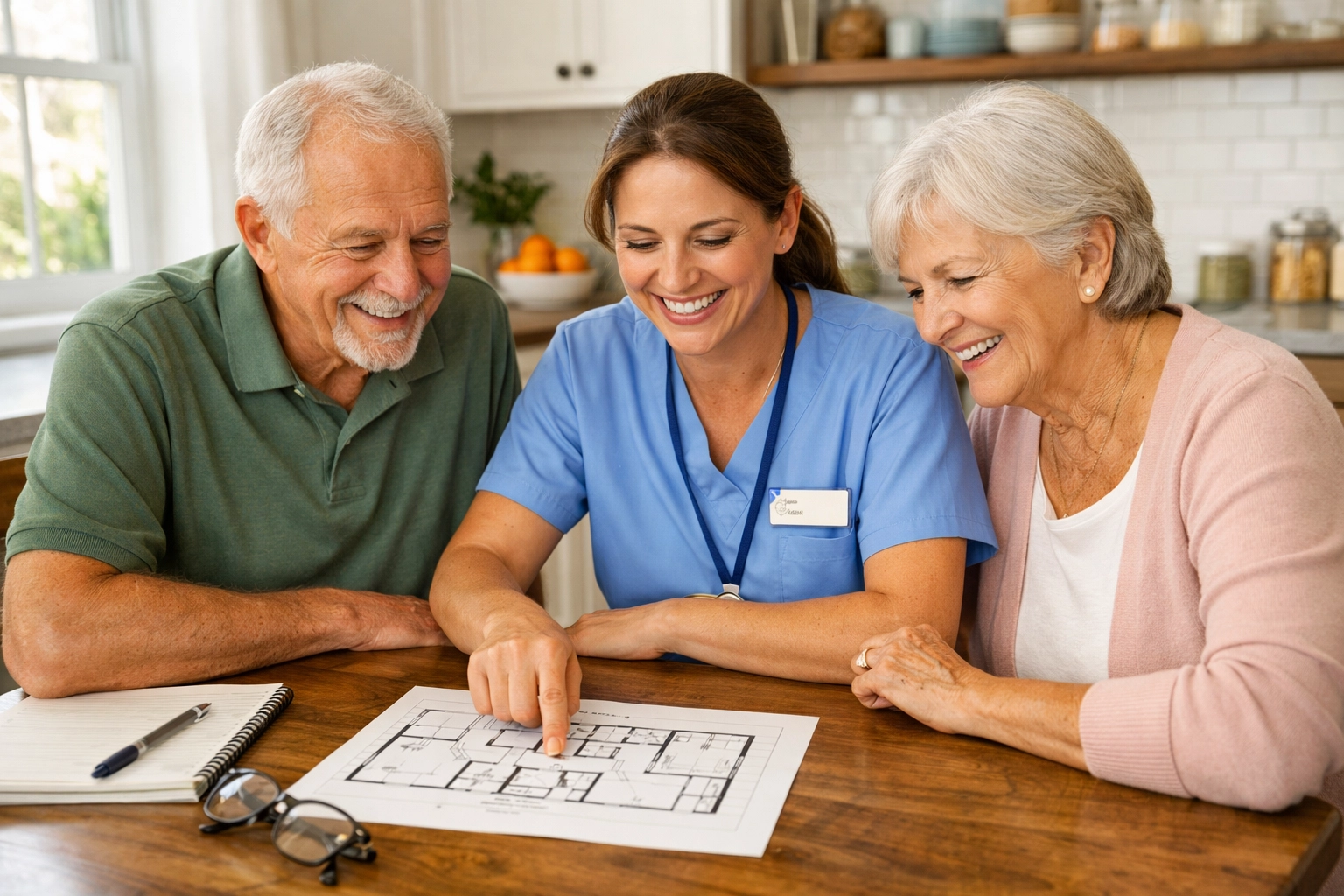
This is where the home assessment turns into action. The PT might recommend specific equipment like grab bars, a raised toilet seat, or better lighting. They might suggest rearranging furniture to create a wider "flight path" through the house.
3. Behavioral Changes
Sometimes the biggest safety improvements come from changing habits. A PT might teach you "segmental rolling" to get out of bed safely or suggest "strategic rest" during long walks across the house. They might also recommend talking to your doctor about a medication review if dizziness is a recurring theme.
The Value of Professional Insight
It’s easy to look at a rug and say, "That’s a trip hazard." It’s much harder to recognize that the reason you tripped on the rug was actually because your "toe clearance" has decreased due to hip weakness.
That is the value of a physical therapist’s assessment. They connect the dots between the environment and the body. By identifying the root cause of instability, they don't just put a "band-aid" on the problem; they provide a comprehensive strategy to keep you moving confidently.
A home assessment isn't a sign that you are losing independence. Quite the opposite: it is a proactive step to ensure you can remain in your home, on your own terms, for as long as possible. Whether you’ve had a fall or just want to make sure you’re as safe as you can be, a PT’s perspective is an invaluable tool in the journey of healthy aging.

