
Let's get something straight right from the start: falling is not just part of getting older. You might have heard people say "falls are inevitable as you age," but physical therapists will tell you that's simply not true. While statistics show that about 25% of older adults experience a fall each year, the good news is that most falls can be prevented with the right approach.
This guide brings together what physical therapists and healthcare professionals want you to know about staying steady on your feet. Whether you're concerned about your own safety or caring for someone else, understanding fall prevention can make a real difference in maintaining independence and quality of life.
Understanding Your Fall Risk
Before diving into prevention strategies, it's helpful to understand what actually increases fall risk. Physical therapists look at several factors when assessing someone's vulnerability to falls.
Muscle loss happens naturally as we age: without resistance training, you can lose muscle mass each year. This directly affects your stability and strength. But medications, vision changes, chronic joint pain, and certain medical conditions also play significant roles.
The key point here is that fall risk isn't about one single factor. It's usually a combination of things, which is why a comprehensive approach works best.
The Foundation: Why Balance and Strength Training Matter
Here's what physical therapists emphasize most: balance training is the single most important component of fall prevention. Not stretching. Not just walking more. Balance training specifically.
Why? Because balance exercises challenge your body to maintain stability and teach you how to recover when you start to lose your balance. That recovery ability is often what prevents an actual fall.
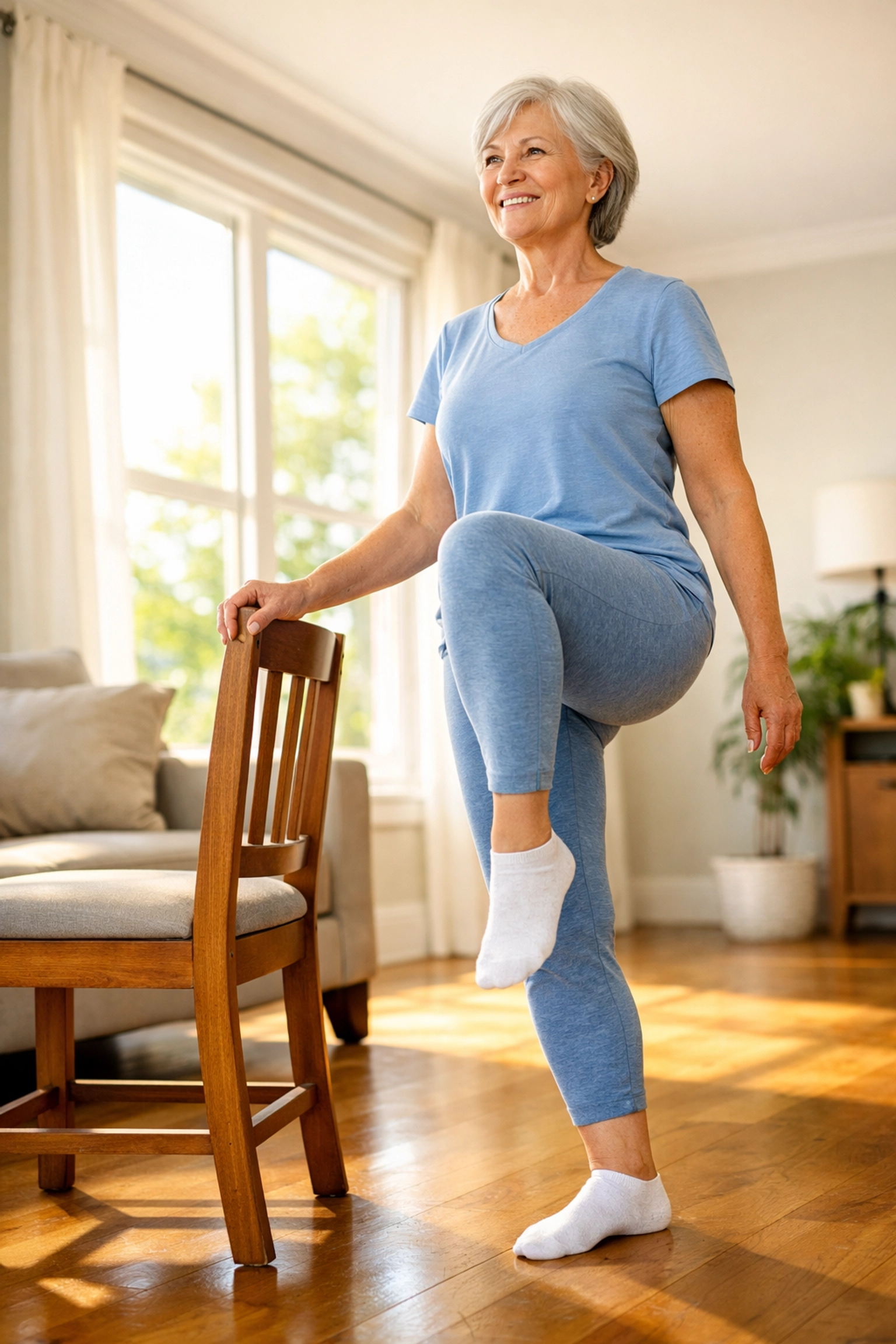
Strength training, especially for your lower body, is equally critical. Think of your legs as your foundation. The stronger they are, the more stable you'll be. Strong legs also make it easier to catch yourself if you start to stumble, and they give you the power to stand up from chairs, climb stairs, and navigate uneven surfaces safely.
The U.S. Preventive Services Task Force recommends multi-component programs that combine both balance and strength training. Activities like tai chi or water exercise often supplement these core components because they naturally incorporate both elements.
Exercises Physical Therapists Actually Recommend
Let's talk about specific exercises that work. These are the movements physical therapists commonly teach because they've been shown to improve balance and strength effectively.
Chair Stand Exercise
This builds leg strength and improves your ability to stand up easily: a crucial skill for daily life. Sit in a sturdy chair with your feet flat on the floor. Lean forward slightly, push yourself up to standing, then slowly lower back down. Start with 10 repetitions and work up to 15. As you get stronger, try doing them without using your hands for support.
Heel-to-Toe Walk
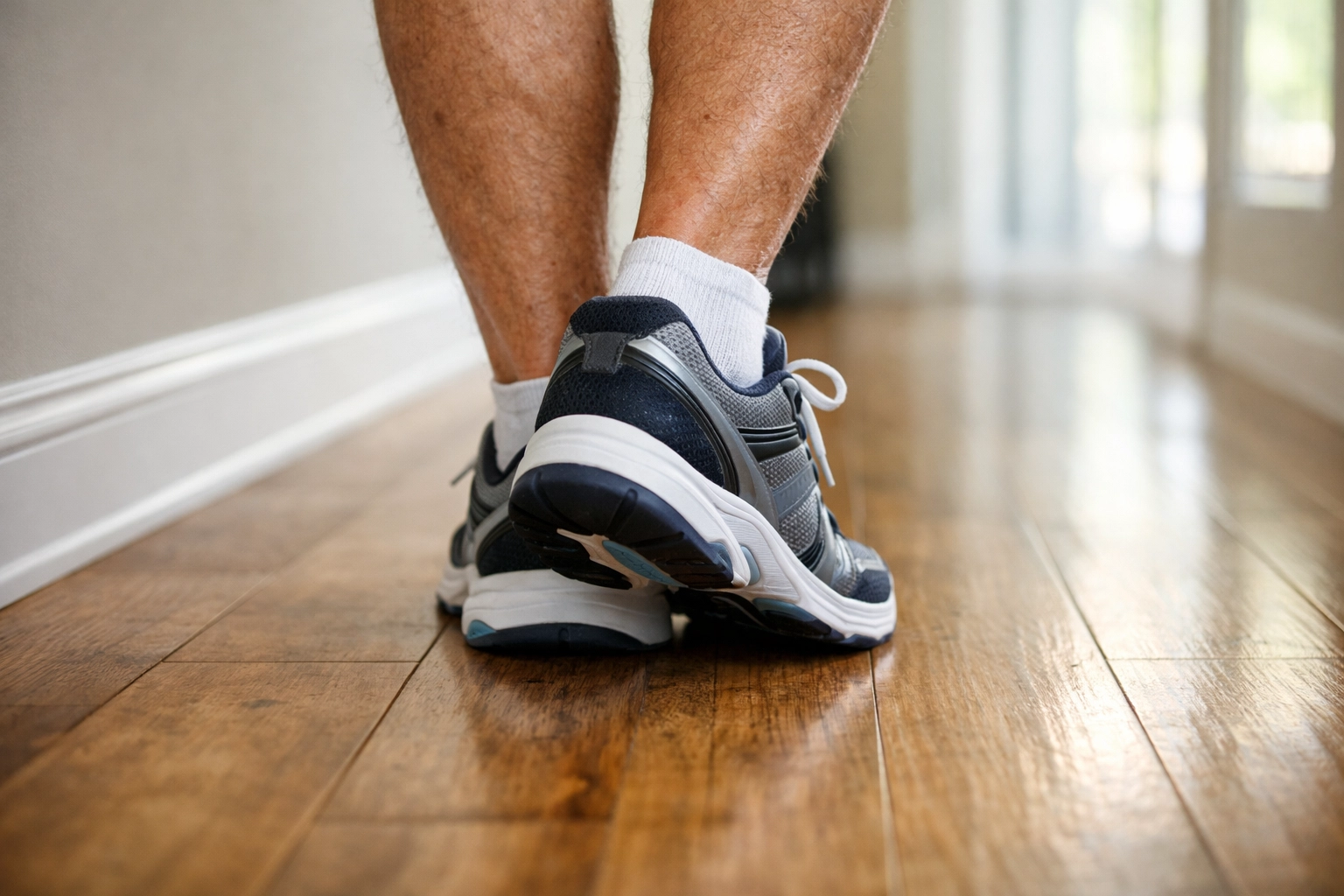
This improves coordination and balance. Place one foot directly in front of the other, heel touching toe, and walk in a straight line for 10 to 15 steps. You can do this along a wall initially so you have support if needed. It's harder than it looks, which is exactly the point: it challenges your balance system.
Single-Leg Stands
Hold onto a sturdy chair or counter. Lift one foot off the ground and try to hold for 10 to 30 seconds. Repeat on the other leg. As you improve, gradually reduce how much you hold onto the support. Eventually, you might only need a light fingertip touch or no support at all.
Side Leg Raises
Stand next to a chair or counter for support. Slowly lift one leg out to the side, keeping your toes pointed forward. Lower it back down with control. Do 10 to 15 repetitions on each leg. This strengthens the muscles that stabilize your hips: essential for preventing sideways falls.
Advanced Variations
Once you're comfortable with the basics, physical therapists might add challenges like standing with your eyes closed for 10 to 15 seconds, or doing chair rises without using your hands at all.
One important note: always have something sturdy nearby when you're practicing these exercises. If you feel unsteady, it's there for support. And before starting any new exercise program, check with your healthcare provider: especially if you have existing health conditions.
What Happens During a Physical Therapy Assessment
You might wonder what to expect if you see a physical therapist for fall prevention. Understanding this can make it less intimidating and help you get more out of the experience.
A physical therapist will start by testing your strength and balance through various movements and exercises. They'll assess your specific fall risks, including reviewing any medications you take, recent vision changes, and chronic conditions that might affect your stability.
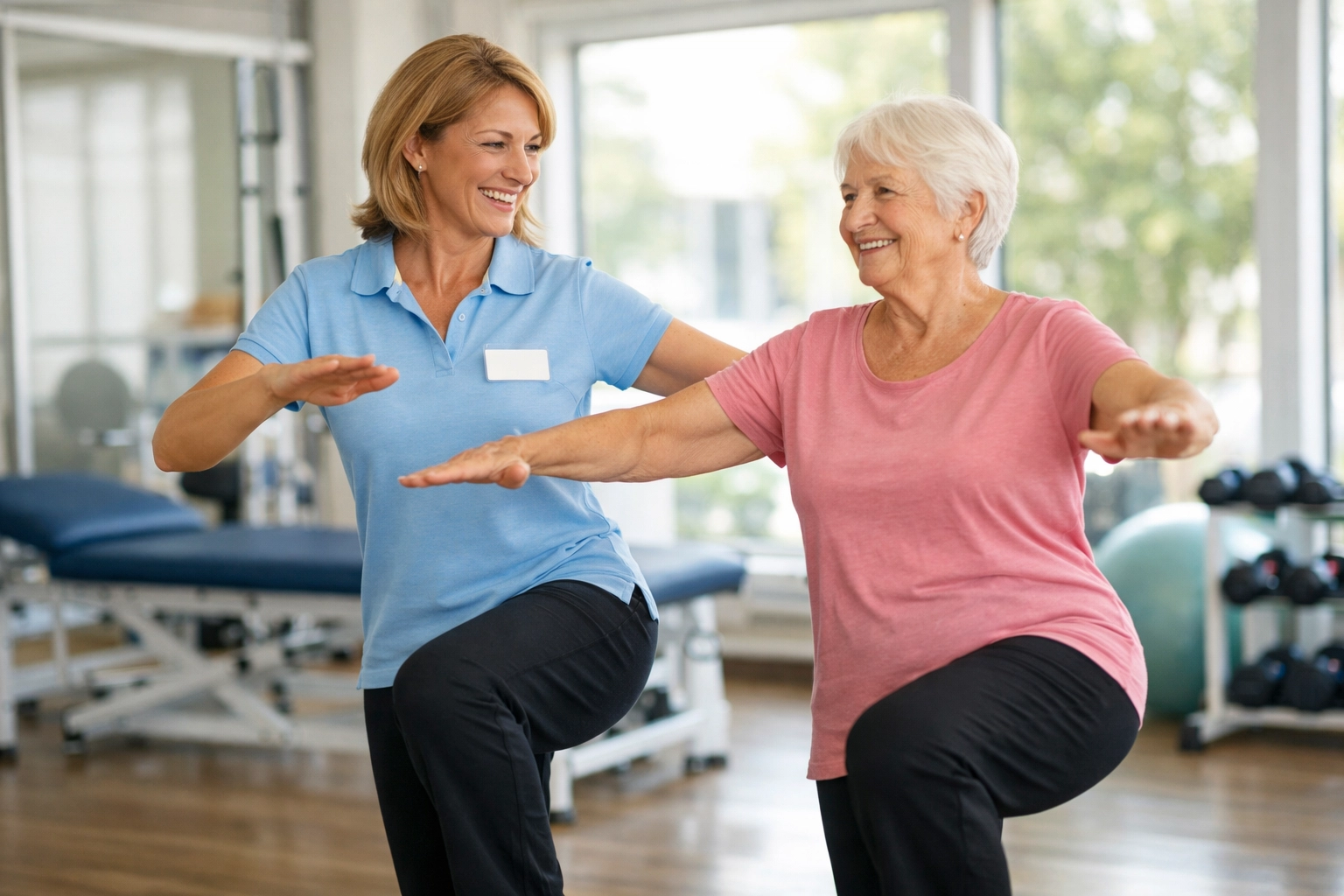
They'll also evaluate how you move: your walking pattern, how you turn, how you get up from chairs, and how you handle uneven surfaces or obstacles. This gives them a complete picture of where your vulnerabilities lie.
Based on this assessment, they create an individualized treatment plan tailored to your specific needs and symptoms. This might include:
- Targeted exercises to address your particular weak spots
- Training on how to move safely in your daily activities
- Teaching you techniques for getting up safely if you do fall
- Recommendations for appropriate assistive devices and how to use them properly
- Suggestions for community programs that can help you maintain your progress long-term
Your physical therapist may also coordinate with other healthcare providers to address underlying medical issues that could increase your fall risk, like blood pressure problems or medication side effects.
Making Your Home Safer
Even with great balance and strength, your environment plays a huge role in fall prevention. Physical therapists consistently recommend these practical home modifications.
In the Bathroom
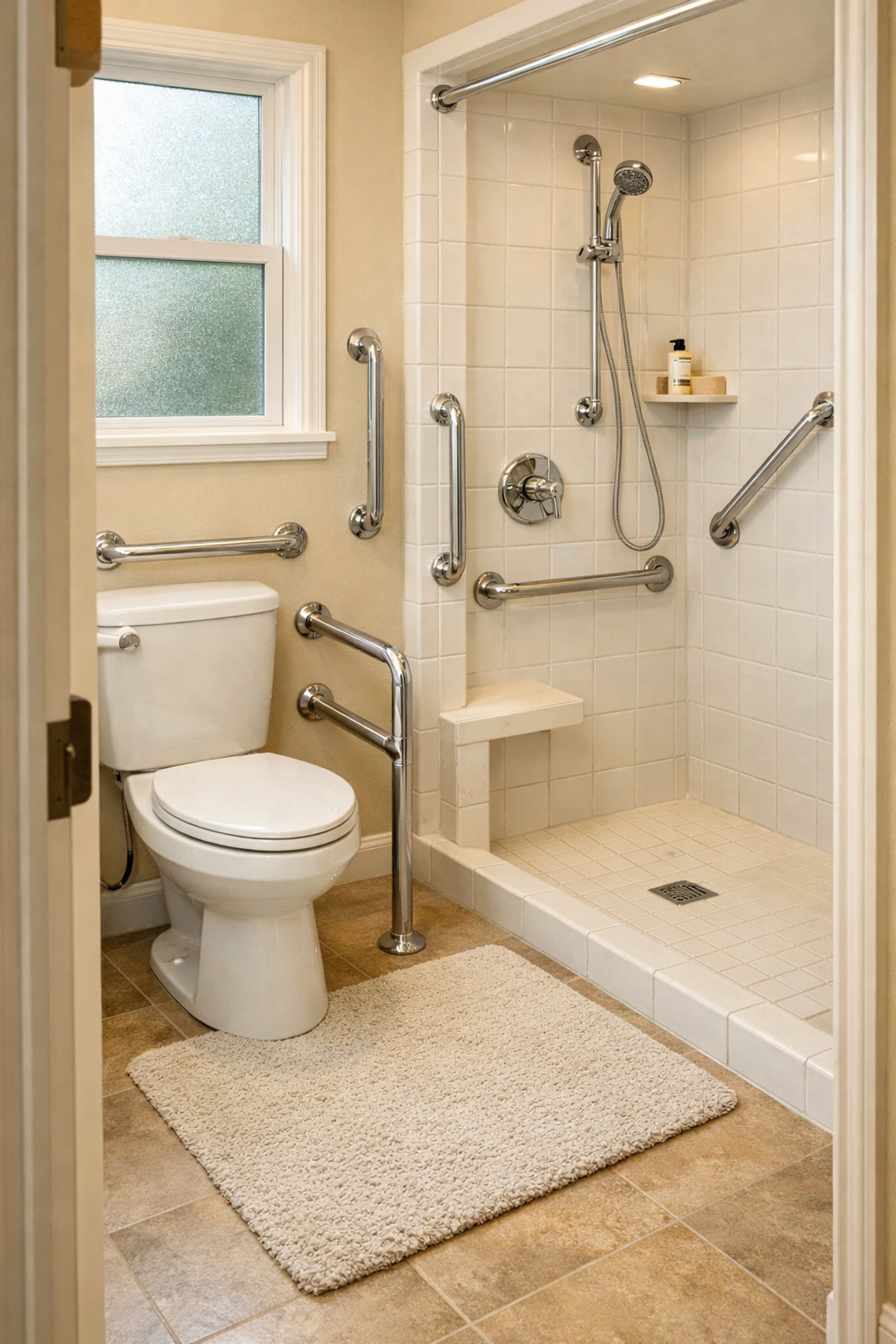
Install grab bars near the toilet and in the shower or tub. These provide crucial support when surfaces are wet and slippery. Make sure your bath mat has a non-slip backing or, better yet, consider a built-in non-slip surface.
Lighting
Improve lighting throughout your home, especially in hallways, stairways, and bathrooms. Night lights are helpful in bedrooms and bathrooms for those middle-of-the-night trips. Make sure light switches are easily accessible at the entrance to every room.
Floors and Pathways
Remove throw rugs or secure them with non-slip backing. Clear clutter, electrical cords, and other obstacles from walkways. This sounds simple, but tripping over everyday objects is one of the most common causes of falls at home.
Stairs
Ensure stairs are well-lit and have sturdy handrails on both sides. If possible, add a handrail to any single step you need to navigate regularly, like a step into the garage or down to a sunken living room.
Organization
Keep frequently used items within easy reach. You shouldn't need to use a step stool or reach overhead for things you use every day.
Beyond Exercise: Other Prevention Strategies
While balance and strength training form the foundation of fall prevention, other strategies support your overall stability and safety.
Stay Active Overall
Regular physical activity beyond your specific balance exercises helps maintain strength, coordination, and flexibility. Walking, water workouts, or tai chi classes provide both physical and social benefits. The key is consistency: staying active throughout the week rather than doing one big workout.
Address Pain Promptly
Don't ignore pain or injuries. Untreated problems can affect your gait and balance, creating a cycle where pain leads to instability, which leads to more risk of injury. Talk to your healthcare provider about pain management strategies that work for you.
Footwear Matters
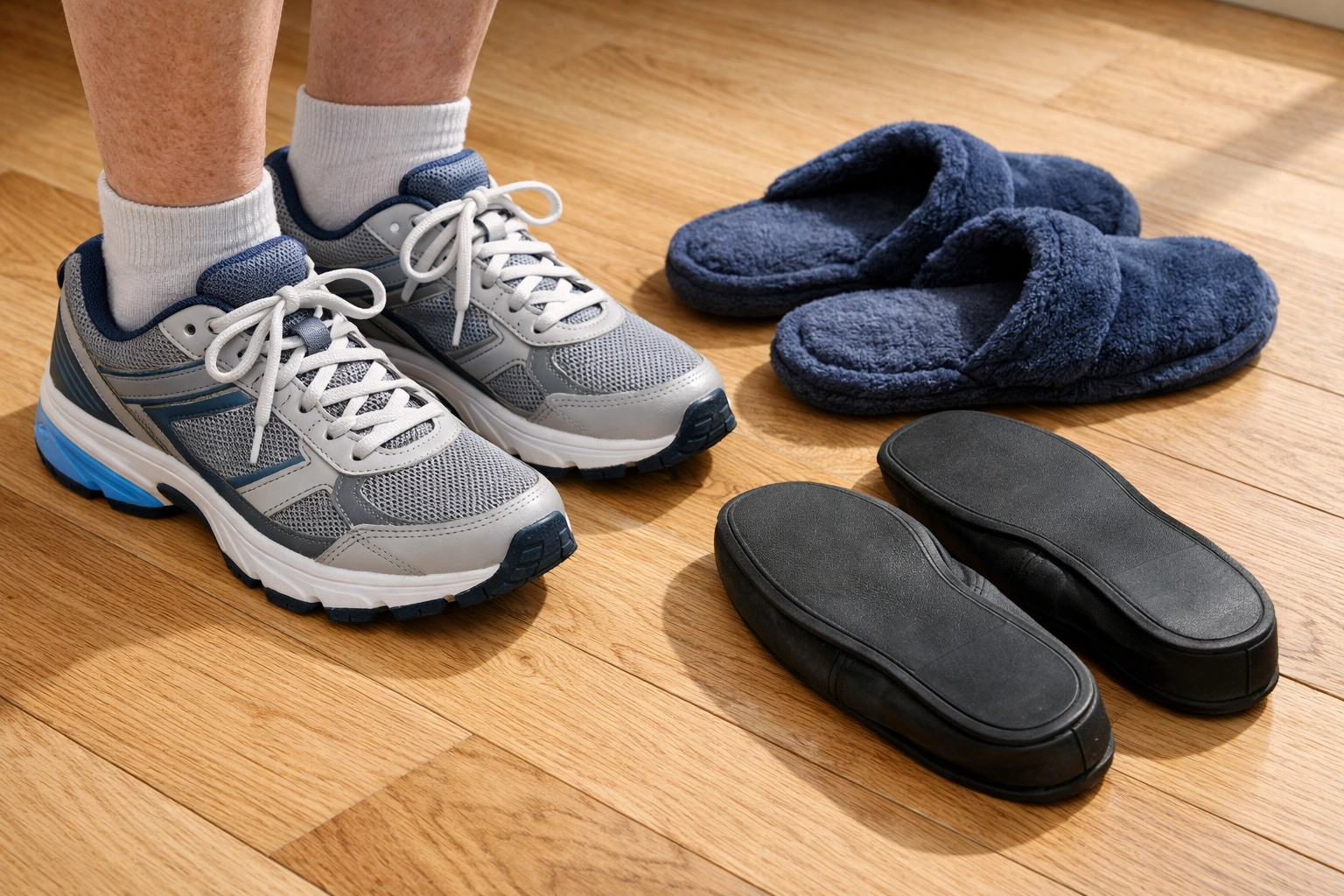
Wear supportive, well-fitting shoes with non-slip soles. Avoid walking around in socks, stockings, or floppy slippers. Your shoes should fit snugly without being tight, and they should have good traction. Save the fancy shoes for sitting occasions.
Vision Care
Have your vision checked regularly and update your glasses prescription as needed. Vision problems can significantly affect your ability to see obstacles, judge distances, and maintain balance. If you have bifocals, be extra careful on stairs since the lens change can make depth perception tricky.
When to Consider Mobility Aids
There's often resistance to using canes, walkers, or other mobility aids. Some people see them as a sign of giving up independence. But physical therapists view them differently: as tools that actually help you maintain independence by keeping you safe and mobile.
A physical therapist can assess whether you might benefit from a mobility aid and, crucially, teach you how to use it properly. Using a cane on the wrong side or setting a walker at the wrong height can actually increase your fall risk rather than reduce it.
Other helpful aids might include grab bars, transfer poles, or parallel support rails. These aren't about limiting what you can do: they're about doing what you want to do more safely.
The goal is always to support your independence and quality of life. If a tool helps you move around confidently, go shopping, visit friends, or tend your garden, then it's doing exactly what it should do.
Moving Forward with Confidence
Fall prevention isn't about living in fear or restricting your activities. It's about being proactive and informed so you can stay active and independent for years to come.
Start with one or two changes that feel manageable. Maybe that's beginning a simple balance exercise routine three times a week. Or perhaps it's finally installing those grab bars you've been thinking about. Small steps add up to significant improvements in safety.
If you're unsure where to begin, consider scheduling an assessment with a physical therapist who specializes in fall prevention. They can give you personalized recommendations based on your specific situation and goals.
Remember, falling is not inevitable. With the right combination of strength training, balance exercises, home modifications, and professional guidance, you can significantly reduce your risk and maintain the active, independent life you want to live.

