
As a caregiver, you see the risks. The loose rug in the hallway, the dim lighting in the bathroom, the clutter that's accumulated over years. You know falls are serious, and you want to protect your loved one. But there's a delicate balance between creating a safer home and making someone feel like they're losing control of their own space.
The truth is, many seniors resist safety modifications because they feel infantilizing or like admissions of decline. Your mother doesn't want to feel like she's being "managed." Your father doesn't want his home turned into a medical facility. These feelings are valid, even as the safety concerns remain real.
The good news is that fall prevention doesn't have to be overwhelming for either of you. With the right approach, you can make meaningful changes that protect your loved one while respecting their autonomy and dignity.
Understanding the Resistance
Before making any changes, it helps to understand why older adults often push back against safety modifications. It's rarely about stubbornness or denial.
For many seniors, their home represents independence and identity. It's filled with familiar objects, arrangements they've maintained for decades, and routines that provide comfort. Suggesting changes can feel like an attack on their competence or autonomy.
There's also a psychological component. Accepting safety equipment or modifications means acknowledging physical decline, which can be emotionally difficult. Your loved one may worry that one change will lead to many more, eventually turning their home into something unrecognizable.
Understanding these concerns helps you approach fall prevention with empathy rather than frustration. The goal isn't to prove you're right about the risks. It's to find solutions you both can live with.
Start with Conversation, Not Changes
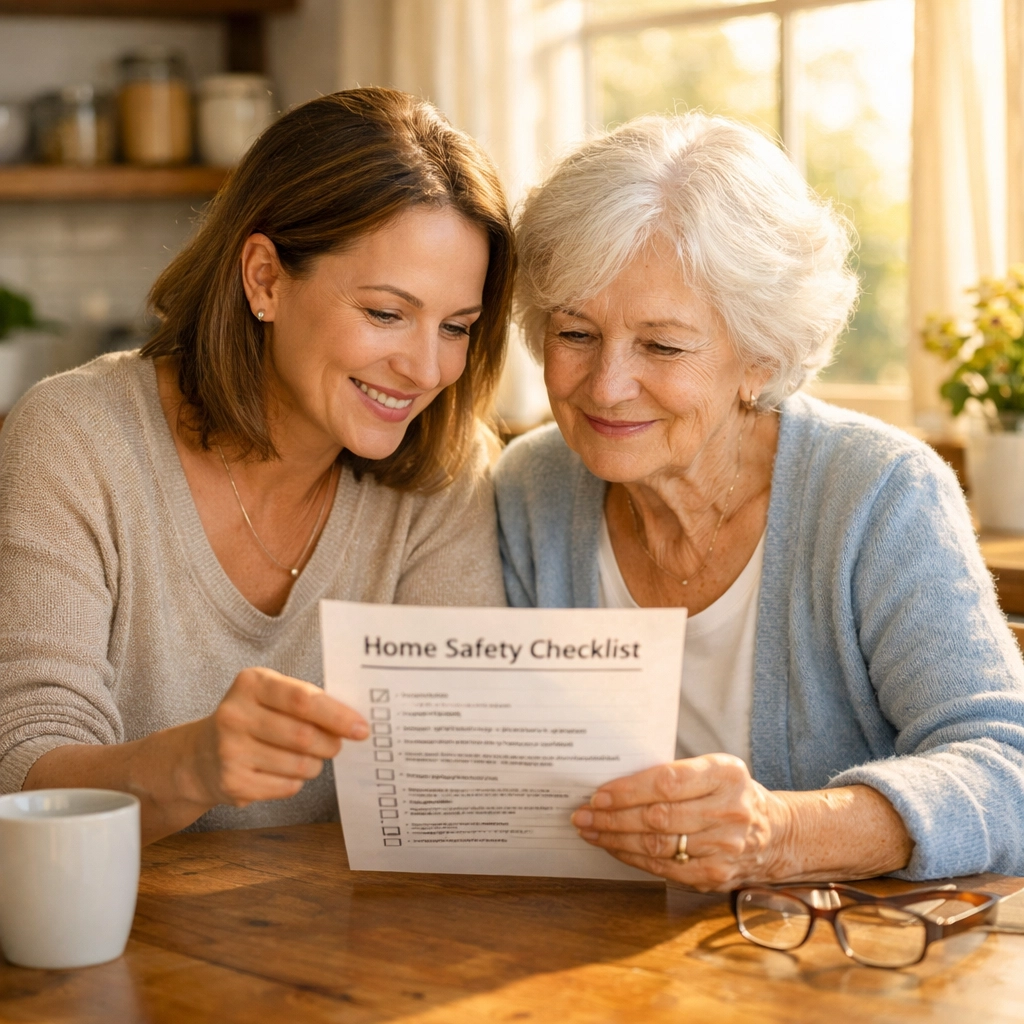
The biggest mistake caregivers make is implementing changes without discussion. Even if your intentions are good, rearranging someone's home without their input feels disrespectful and controlling.
Instead, start with conversation. Share your specific concerns without catastrophizing. Rather than "You're going to break your hip on these stairs," try "I worry when I think about you navigating these stairs at night without enough light."
Ask your loved one about their own concerns. Have they noticed themselves feeling less steady? Are there areas of the home where they feel less confident? Often, seniors are aware of changes in their balance or strength but haven't voiced them.
Frame the conversation around goals they value:
- Staying in their home longer
- Maintaining independence
- Avoiding the hospital
- Continuing activities they enjoy
When safety modifications support these goals rather than contradict them, resistance decreases.
Consider doing a home walkthrough together. Point out potential hazards, but ask questions rather than making demands. "What do you think about adding a grab bar here?" feels very different from "You need a grab bar here."
Prioritize the Highest-Risk Areas First
Trying to address every potential hazard at once will overwhelm both of you. Instead, focus on the areas where falls are most likely and most dangerous.
The bathroom tops this list. Hard surfaces, water, and the need to move between sitting and standing positions make bathrooms particularly hazardous. A fall here is more likely to result in serious injury than a fall on carpet.
Hallways and stairs, especially those used at night, are the next priority. Many falls happen when seniors get up during the night to use the bathroom, navigating in low light while still partially asleep.
The bedroom matters too, particularly the path from the bed to the bathroom and the area around the bed where your loved one transitions from lying to standing.
By concentrating on these high-impact areas first, you create meaningful safety improvements without requiring comprehensive home modifications. This approach also demonstrates results, making your loved one more receptive to additional changes later.
Make Changes Gradually and Collaboratively
Even in priority areas, implement changes in phases rather than all at once. This gives your loved one time to adjust to each modification and prevents them from feeling their home has been taken over.
A gradual approach might look like this:
Phase One: Lighting and Visibility
- Install brighter bulbs in key areas
- Add night lights along the path from bedroom to bathroom
- Ensure light switches are accessible at room entrances
These changes are relatively non-invasive and immediately helpful. Most seniors notice the improvement and appreciate it.
Phase Two: Clearing Pathways
- Remove or secure loose rugs
- Clear clutter from walkways
- Rearrange furniture to create wider, clearer paths
Frame this as organization rather than safety modification. Work together to decide what stays and what goes.
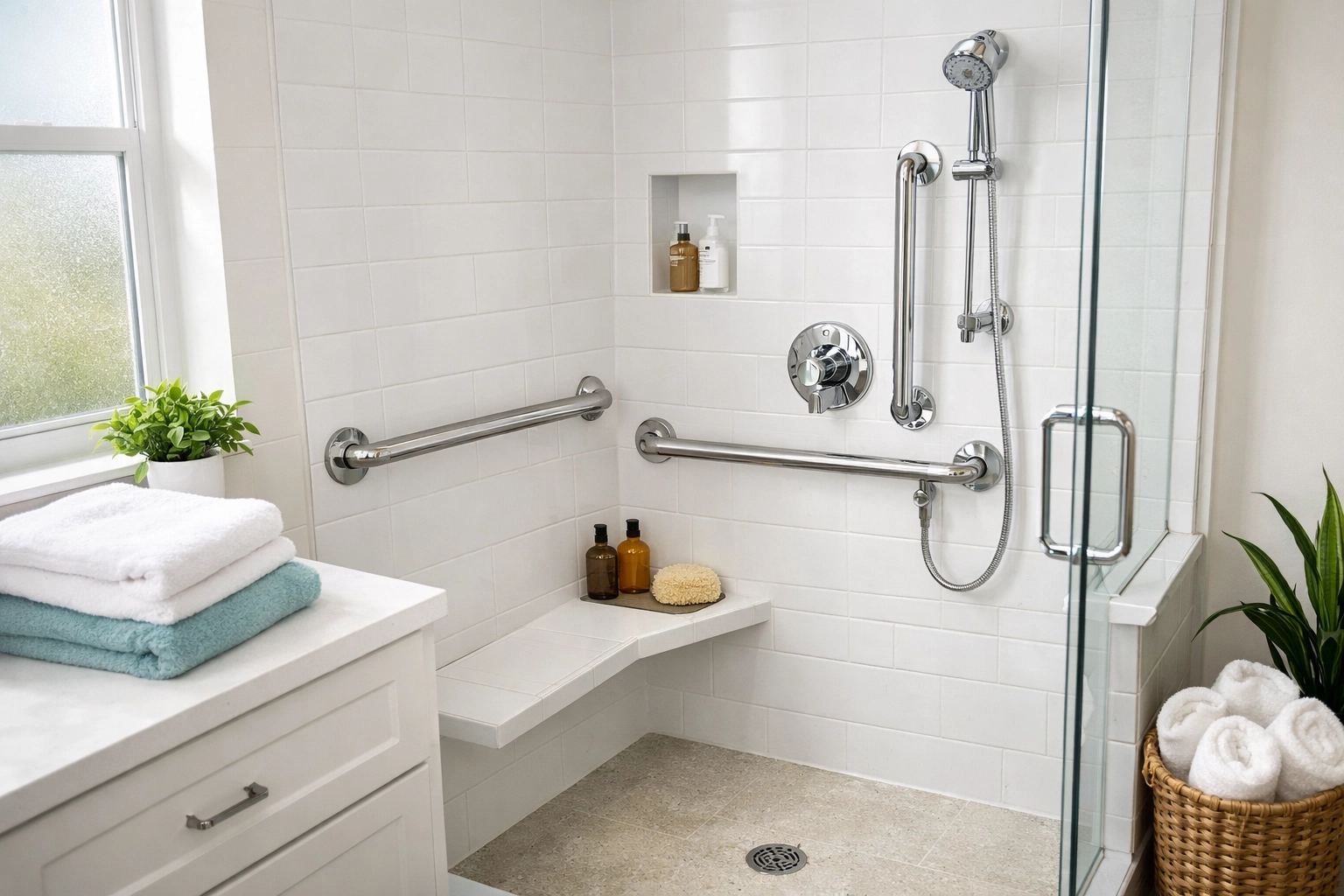
Phase Three: Grab Bars and Support
- Install grab bars in the bathroom
- Add handrails where needed
- Consider additional support near the bed
By this point, your loved one has experienced the benefits of earlier changes and may be more open to equipment that initially felt medical or institutional.
Throughout this process, involve your loved one in decisions. Let them choose which style of grab bar looks better, or where exactly a light should be placed. This maintains their sense of control and ensures modifications work for their specific needs and preferences.
Focus on Independence, Not Limitation
The most effective fall prevention changes are those that support continued independence rather than restricting it.
For example, improving lighting doesn't limit activities: it makes them safer and easier. Installing grab bars doesn't stop someone from bathing independently: it helps them continue doing so safely.
Frame modifications in terms of what they enable:
- "This grab bar will help you get in and out of the shower on your own"
- "Better lighting means you won't have to wait for help to navigate the hallway at night"
- "Clearing this path makes it easier to use your walker when you need it"
Also consider changes that reduce fatigue and strain, which indirectly prevent falls. Storing frequently used items at waist height rather than on high shelves or low in cabinets means less reaching, stretching, and bending. This isn't about restricting access: it's about making daily tasks easier.
Encourage activities that maintain strength and balance. Regular movement, even simple exercises or short walks, helps your loved one stay steadier on their feet. This gives them an active role in their own safety rather than making them feel like a passive subject of your modifications.
When to Bring in Professional Help
Sometimes your suggestions carry less weight simply because you're family. An adult child's concern may be dismissed as overreaction, while the same suggestion from a healthcare professional is taken seriously.
Consider requesting a home safety assessment from an occupational therapist or physical therapist. These professionals are trained to identify fall risks and recommend modifications. Their recommendations often feel less personal and more clinical, making them easier to accept.
Many insurance plans cover these assessments, especially if they're ordered by a physician. The assessment provides an objective evaluation and specific recommendations, taking some of the emotional weight off your relationship with your loved one.
Healthcare providers can also assess your loved one's physical capabilities, balance, and strength. If underlying medical issues contribute to fall risk: such as dizziness from medications, vision problems, or muscle weakness: a professional can address these root causes.
Physical therapy can be particularly valuable. Rather than just modifying the environment, therapy helps your loved one maintain or improve their physical capabilities. Many seniors respond better to this proactive approach than to environmental changes that feel like accommodations for decline.
The Most Important Changes That Feel Least Intrusive
If you can only address a few things, focus on modifications that have high impact but low disruption.
Lighting improvements top this list. Adding brighter bulbs, installing night lights, and ensuring adequate illumination in all areas where your loved one walks costs relatively little and doesn't change the fundamental character of the home. Motion-activated lights in hallways and bathrooms are especially helpful for nighttime safety.
Removing tripping hazards is another high-value, low-disruption change. Securing or removing loose rugs, clearing electrical cords from walkways, and organizing clutter doesn't require buying anything or making your loved one feel like they're using medical equipment.
Non-slip solutions in the bathroom provide significant safety benefits without looking institutional. Non-slip mats in the tub or shower, non-slip treads on steps, and even non-slip socks can reduce fall risk considerably.
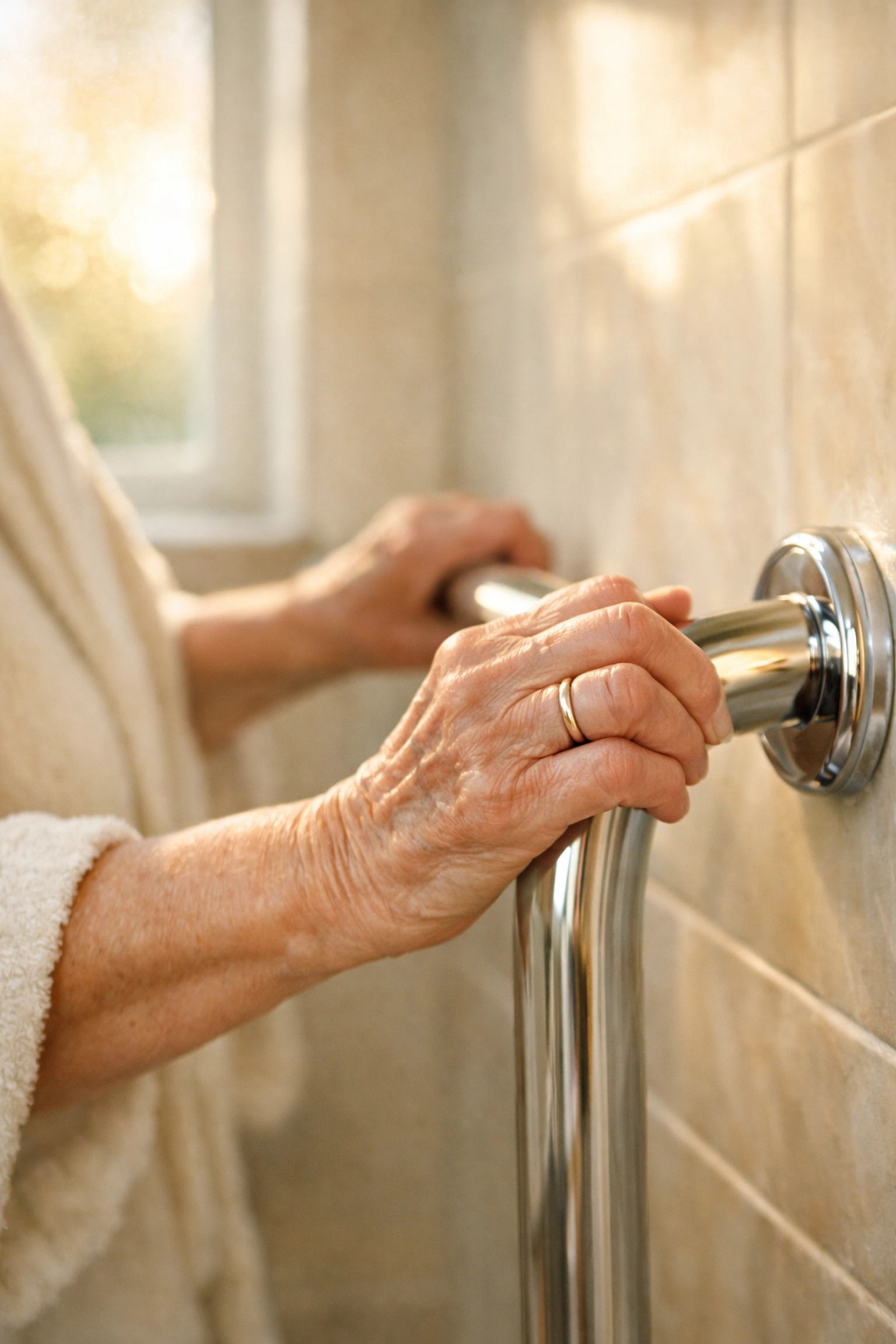
Grab bars in the bathroom are more visible and may feel more medical, but they're also among the most effective fall prevention tools available. If your loved one resists, start with just one in the shower or tub: the place where they're most likely to need support. Once they experience how helpful it is, they often become more open to additional bars.
Keeping floors dry matters tremendously, especially in the bathroom and kitchen. Make sure bath mats absorb water effectively, clean up spills immediately, and consider whether any household routines create wet floor hazards.
Moving Forward Together
Creating a safer home for your loved one doesn't have to be a battle or a source of resentment. When approached with respect for their autonomy, implemented gradually, and focused on supporting independence, fall prevention modifications become collaborative improvements rather than imposed restrictions.
Remember that this is a process, not a single conversation or weekend project. Your loved one's needs will change over time, and modifications that feel unnecessary now may become welcome later. By starting with small, impactful changes and building trust through collaboration, you create a foundation for addressing future needs together.
The goal isn't a perfect, hazard-free home: that's neither realistic nor necessary. The goal is meaningful risk reduction that your loved one participates in and supports, creating an environment where they can continue living safely and independently in the place they call home.

