
As a caregiver, you're doing one of the most important jobs there is. And when it comes to keeping your loved one safe at home, fall prevention sits at the top of the priority list. Physical therapists work with fall prevention every single day, and they've learned what actually works: not just in theory, but in real homes with real families.
This guide brings together the practical wisdom that physical therapists share with caregivers. No complicated jargon, no overwhelming lists. Just straightforward strategies you can start using today.
Understanding the Physical Therapist's Perspective on Fall Risk
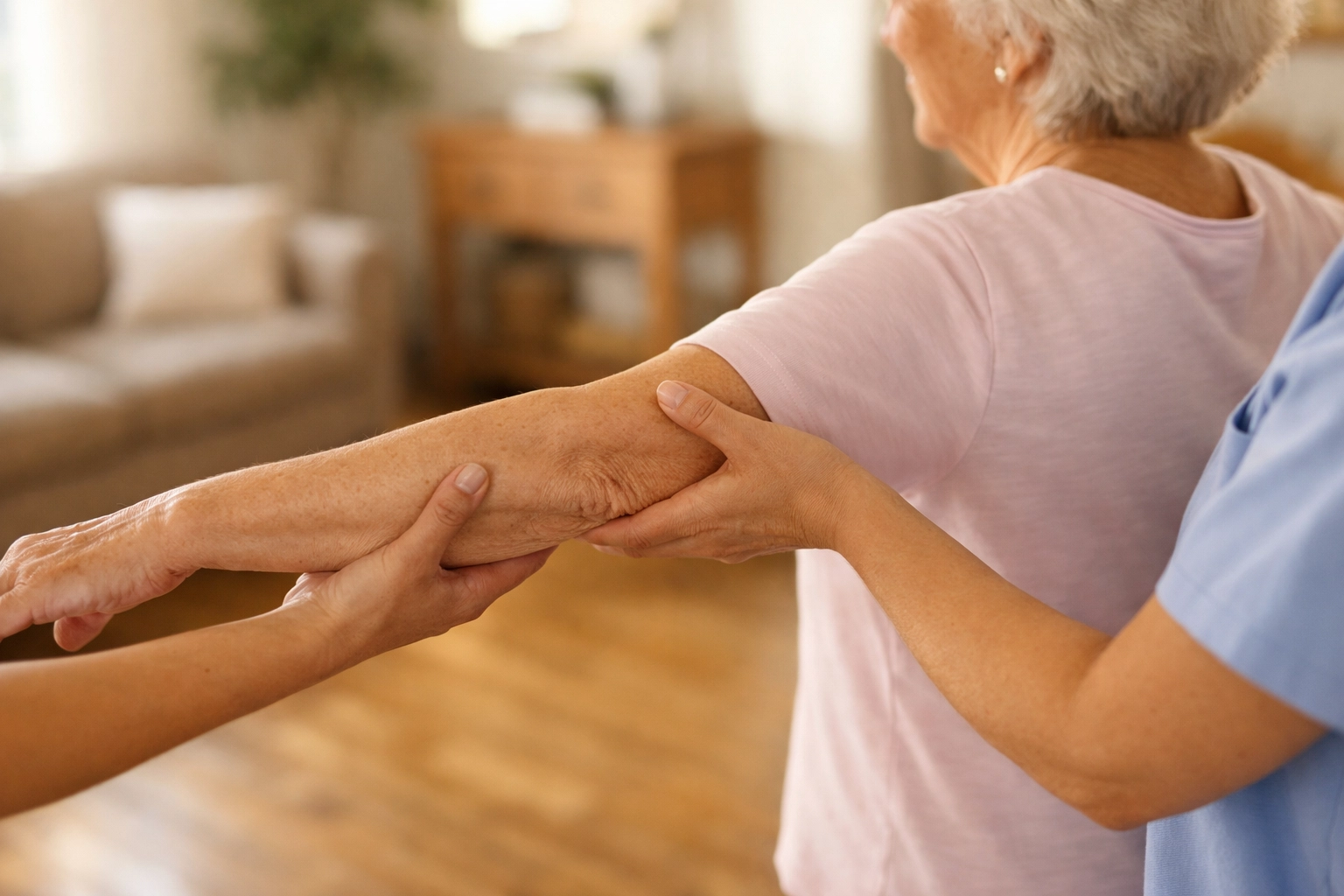
Physical therapists look at fall prevention differently than most people might expect. They don't just focus on installing grab bars or removing rugs. Instead, they assess the entire picture: how your loved one moves through their space, where their strength or balance might be compromised, and which environmental factors create the most risk.
When a physical therapist evaluates a home, they're watching for patterns. Does your loved one favor one side when walking? Do they reach for furniture to steady themselves? Are they avoiding certain rooms or routes through the house? These observations reveal where falls are most likely to happen.
The key insight from physical therapists is this: fall prevention isn't about creating a sterile, hospital-like environment. It's about thoughtfully modifying spaces while maintaining independence and dignity. Your goal is to reduce risk without reducing quality of life.
The High-Risk Zones Every Caregiver Should Address
Physical therapists consistently identify certain areas of the home as higher risk than others. By focusing your efforts on these specific zones, you can make the biggest impact with your time and resources.
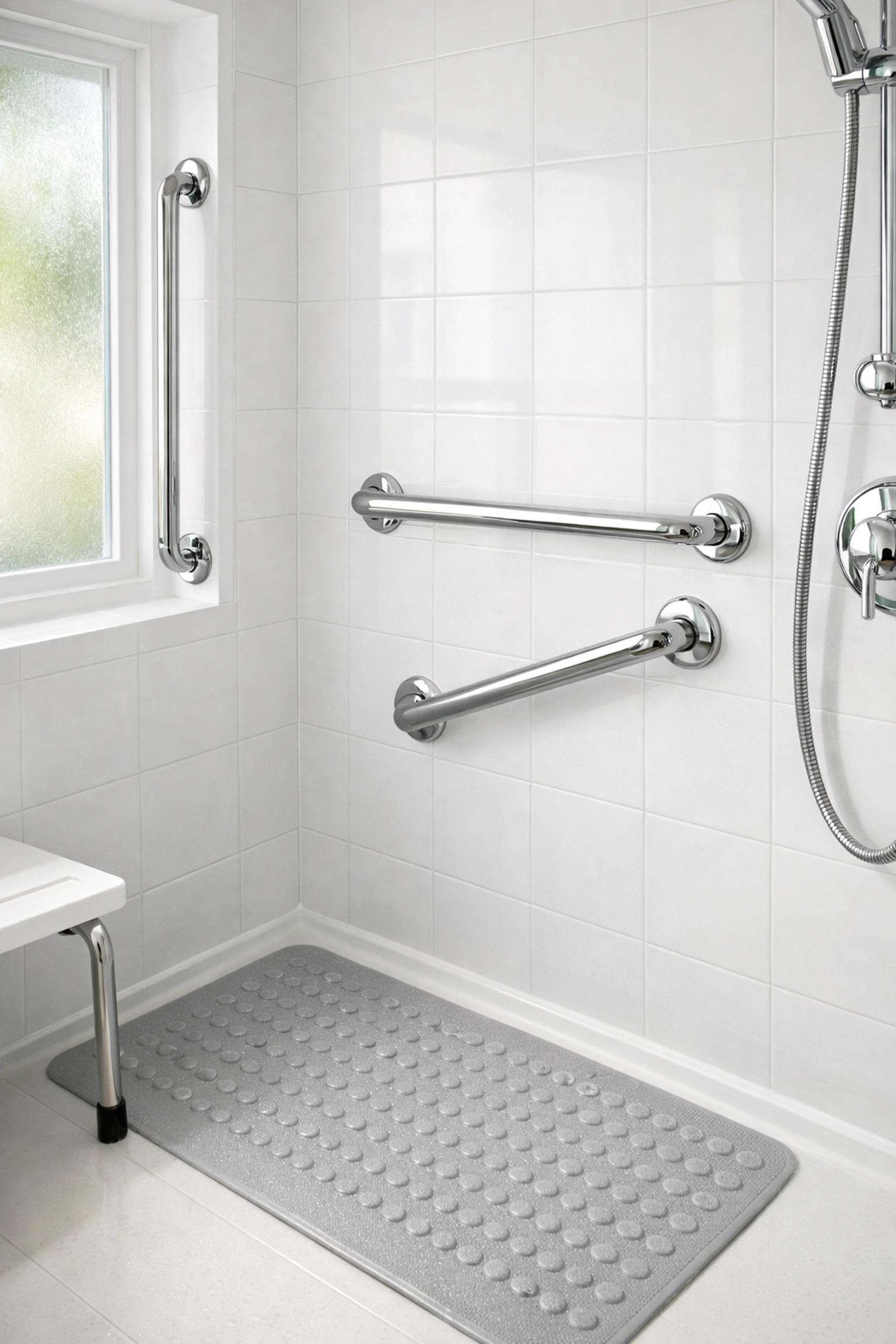
Bathrooms require immediate attention. The combination of hard surfaces, water, and frequent position changes makes bathrooms particularly dangerous. Install grab bars near the toilet and inside the shower or tub: not just tension rods, but properly mounted bars that can support full body weight. Use a non-slip mat on the shower floor, and consider a shower chair if your loved one has any balance concerns. A raised toilet seat with armrests can make sitting and standing much safer.
Staircases demand both equipment and vigilance. Handrails should be present on both sides of any staircase, and they should be sturdy enough to support your loved one's full weight if they stumble. Make sure light switches are positioned at both the top and bottom of stairs. Keep stairs completely clear of objects, even temporarily. One shoe left on a step can cause a serious fall.
Bedrooms need thoughtful setup. Position a lamp or light switch within easy reach of the bed. Keep a phone and flashlight on the nightstand in case of emergencies or power outages. The path from bed to bathroom should be completely clear and well-lit, since nighttime bathroom trips present significant fall risk.
Kitchens benefit from strategic organization. Store frequently used items at waist level to eliminate reaching overhead. Clean up spills immediately: even a small amount of water on tile or linoleum creates a slip hazard. If your loved one experiences fatigue while cooking, encourage sitting on a sturdy stool during food preparation.
Environmental Modifications That Physical Therapists Recommend
Beyond specific high-risk rooms, physical therapists emphasize certain modifications throughout the entire home. These changes create a foundation of safety that supports your loved one wherever they go.
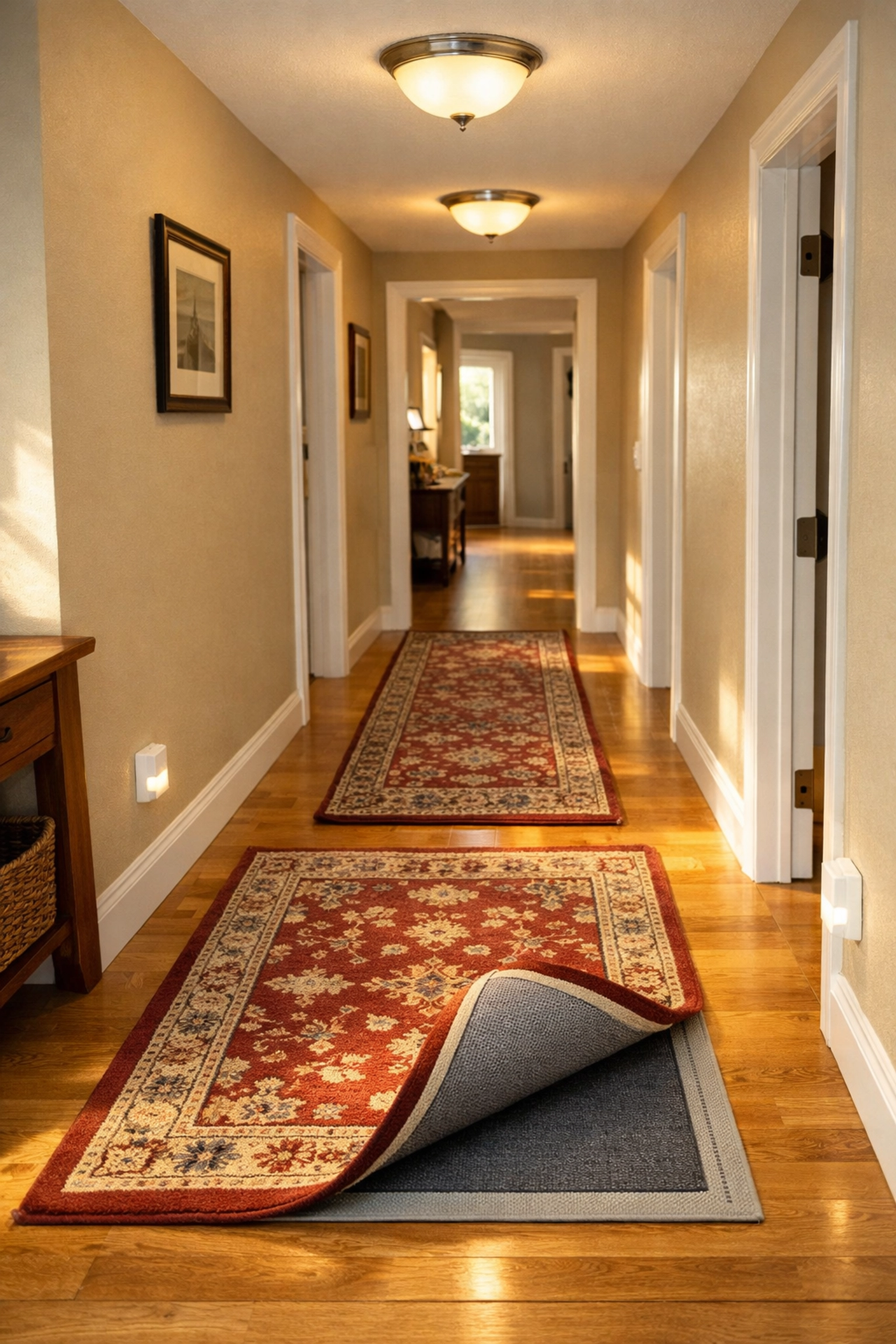
Lighting makes an enormous difference. Poor lighting contributes to more falls than most people realize. Install bright overhead lights in hallways and common areas. Use night lights in bathrooms, bedrooms, and hallways to illuminate nighttime paths. Consider motion-activated lights that turn on automatically when someone enters a room or hallway. Replace dim bulbs promptly, and use the highest wattage that fixtures safely allow.
Floor surfaces require regular assessment. Walk through each room looking specifically at flooring. Secure or remove throw rugs entirely: they're a leading cause of falls. If you keep area rugs, use non-slip backing and ensure edges lay completely flat. Check for loose tiles, damaged carpeting, or worn floorboards and repair them immediately. Hardwood floors should have non-slip treads, especially on stairs.
Clear pathways are non-negotiable. Arrange furniture to create wide, unobstructed walking paths through every room. Secure electrical cords along walls, never across walking areas. Remove low coffee tables, footstools, and other items that your loved one might trip over. Think about the route your loved one takes most frequently and make that path especially clear.
Outdoor areas need attention too. Check that front steps are level and in good repair. Install grab bars near exterior doors. In winter, treat walkways with ice melt or sand immediately after snow or ice. Ensure outdoor lighting illuminates the path from the car to the door.
Creating Sustainable Safety Routines
Physical therapists know that one-time modifications aren't enough. Effective fall prevention requires ongoing attention and regular routines.
Conduct weekly safety checks. Set aside fifteen minutes each week to walk through the home specifically looking for new hazards. Has anything been left on the stairs? Are any rugs bunching up? Do all grab bars feel secure? Are light bulbs still working? This regular inspection catches problems before they cause falls.
Test safety equipment regularly. Grab bars can loosen over time. Handrails can develop wobbles. Check these critical safety features monthly to ensure they remain sturdy and properly installed. If anything feels loose, repair or replace it immediately.
Keep emergency numbers visible. Post important phone numbers in large, clear print near the phone and on the refrigerator. Include your number, other family members, the doctor's office, and emergency services. In the stress of an incident, having this information visible can save crucial time.
The Physical Therapist's Approach to Footwear and Mobility Aids
What your loved one wears on their feet matters more than you might think. Physical therapists spend considerable time discussing proper footwear because it directly impacts balance and stability.
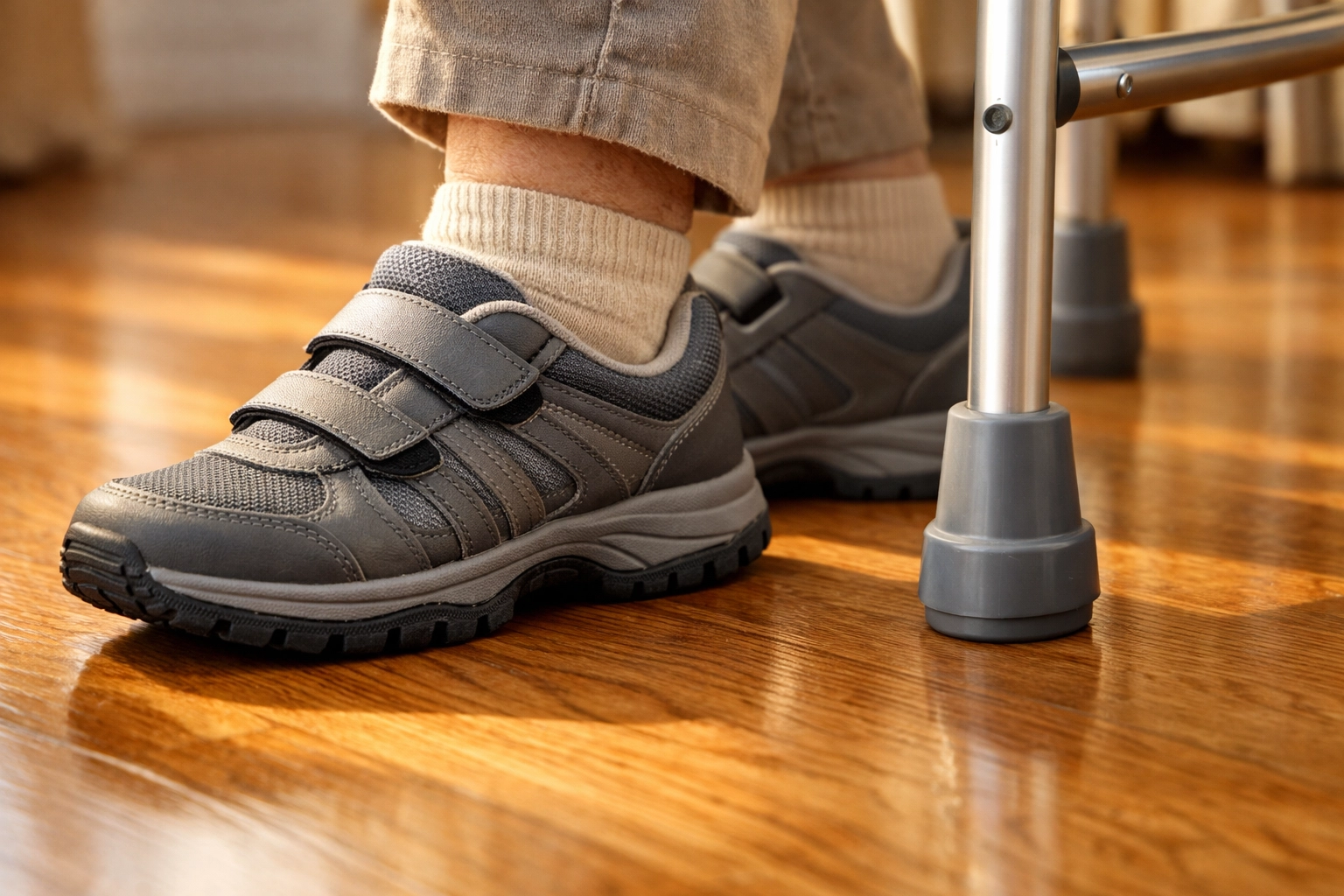
Appropriate footwear is foundational. Shoes should have non-slip soles, provide good support, and fit properly. Avoid shoes with smooth leather soles or high heels. Slippers should have backs and non-slip bottoms: slip-on styles can actually increase fall risk. Replace worn shoes when the tread gets smooth.
Mobility aids require proper fitting and use. If a physical therapist has recommended a cane or walker, ensure it's adjusted to the correct height and that your loved one uses it consistently. Many falls occur when someone leaves their walker in another room "just for a minute." Encourage use of mobility aids even for short distances.
Communication Strategies That Build Trust
The most effective caregivers develop communication approaches that encourage safety without creating resistance or reducing dignity.
Have ongoing conversations about safety. Rather than implementing changes without discussion, involve your loved one in fall prevention planning. Explain why certain modifications matter and ask for their input. This collaborative approach increases acceptance and compliance.
Observe without hovering. Pay attention to how your loved one moves through their space. Do they seem unsteady at certain times of day? Are they avoiding specific activities they used to enjoy? These observations can reveal emerging issues before they cause falls.
Discourage risky behaviors gently. If you notice your loved one using step stools, standing on chairs, or taking other risks, address it calmly. Offer alternatives: "Let me get that for you," or "Would it help if we moved those items to a lower shelf?"
Document close calls. If your loved one experiences a near-fall or minor stumble, note when and where it happened. Patterns often emerge that point to specific hazards or times of day when extra caution is needed.
Addressing the Psychological Aspects of Fall Prevention
Physical therapists understand that effective fall prevention involves more than physical modifications. The psychological dimension matters just as much.
Fear of falling can become self-fulfilling. If your loved one becomes overly cautious or fearful, they may actually increase their fall risk by moving too tentatively or avoiding movement altogether. Balance and strength require regular use. Encourage safe movement and activity rather than complete avoidance of all risk.
Independence must be balanced with safety. The goal isn't to do everything for your loved one. It's to create an environment where they can safely do things for themselves. This balance preserves both physical ability and emotional well-being.
Maintain normal routines as much as possible. While you're making safety modifications, try to keep daily routines and room layouts relatively familiar. Too much change at once can be disorienting and actually create new risks.
When to Seek Professional Assessment
Physical therapists recommend professional home safety assessments in specific situations. Consider arranging an evaluation if:
- Your loved one has experienced a fall or multiple close calls
- You've noticed changes in their balance, strength, or mobility
- They're recovering from an illness, injury, or surgery
- They're transitioning from hospital or rehabilitation to home
- You're unsure which modifications would be most helpful
Many insurance plans cover home safety assessments, and some community programs offer them at no cost. A professional can identify risks you might not notice and recommend specific modifications tailored to your loved one's needs.

Building Your Fall Prevention Action Plan
Start with the highest-risk areas and most critical modifications first. You don't need to tackle everything at once.
This week: Install grab bars in the bathroom, remove throw rugs, and improve lighting in hallways and stairways.
This month: Secure all remaining carpets, reorganize kitchen storage, and conduct your first comprehensive safety check.
Ongoing: Maintain weekly safety inspections, replace worn items promptly, and stay alert to changes in your loved one's mobility or balance.
Remember that fall prevention is an ongoing process, not a one-time project. As your loved one's needs change, your approach should adapt. What works today might need adjustment tomorrow, and that's completely normal.
The caregiving role comes with challenges, but creating a safer home environment is something you can control. By applying the strategies that physical therapists use every day, you're taking meaningful steps to protect your loved one while supporting their independence. That's exactly what good caregiving looks like.

