
Balance isn't something most of us think about until we need it. But as we age, maintaining good balance becomes one of the most practical ways to stay independent, confident, and safe at home. The good news? You don't need a gym membership or fancy equipment to improve your balance: just a willingness to move gently and consistently.
Low-impact exercises are especially effective for seniors because they strengthen the muscles, improve coordination, and build stability without putting stress on joints. Whether you're already active or just starting to prioritize balance, these exercises can fit into your daily routine.
Why Balance Matters as We Age
Balance is the body's ability to keep itself steady and upright. It relies on a combination of muscle strength, joint flexibility, vision, and the inner ear's sense of position. As we get older, these systems naturally change. Muscles lose some strength, joints become less flexible, and reaction times may slow down.
These changes don't mean falls are inevitable: they just mean balance needs a bit more attention. Regular balance exercises can help counteract these shifts and keep you moving confidently. Improved balance also supports other daily activities, from walking on uneven sidewalks to reaching for something on a high shelf.
Getting Started Safely
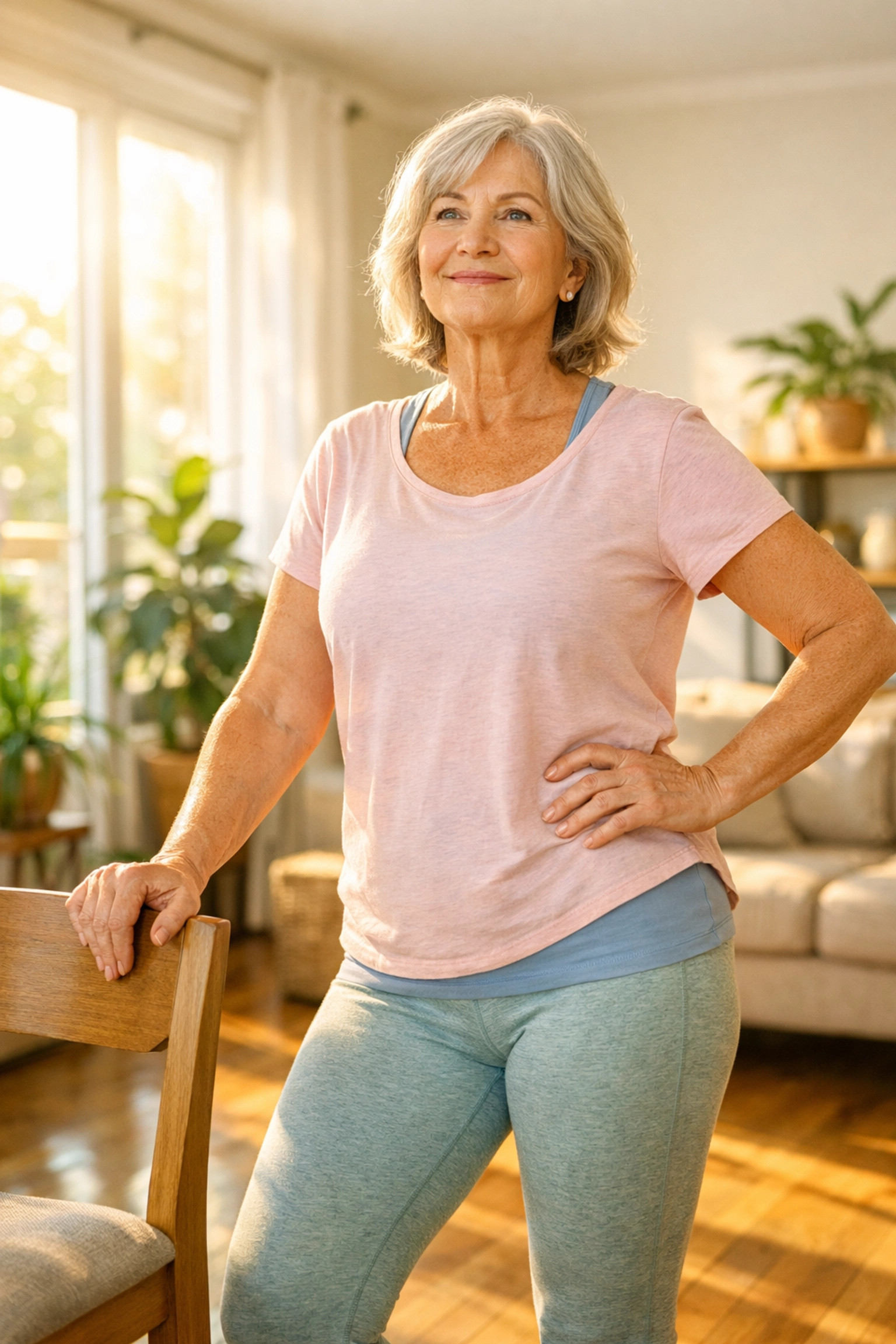
Before jumping into any new exercise routine, it's worth checking in with your doctor, especially if you have existing health conditions or concerns about mobility. They can help you understand which exercises are safest for your situation.
Here are a few tips to keep in mind as you begin:
- Start slowly. There's no rush. Begin with easier movements and shorter sessions.
- Use support. Keep a sturdy chair, counter, or wall nearby for balance.
- Listen to your body. If something feels uncomfortable or painful, stop and adjust.
- Wear supportive shoes. Good footwear with non-slip soles makes a difference.
- Practice regularly. Consistency matters more than intensity when building balance.
Foundational Balance Activities
These activities are gentle, accessible, and effective for improving balance over time. They can be done at your own pace and adapted to your fitness level.
Walking
Walking might seem too simple to count as a balance exercise, but it's one of the best places to start. Regular walking strengthens the legs, improves circulation, and helps your body practice maintaining balance with each step.
Start with short walks around your home or neighborhood. As you get more comfortable, try varying your pace or walking on slightly different surfaces like grass or gravel. The uneven terrain gently challenges your balance without high risk.
Tai Chi
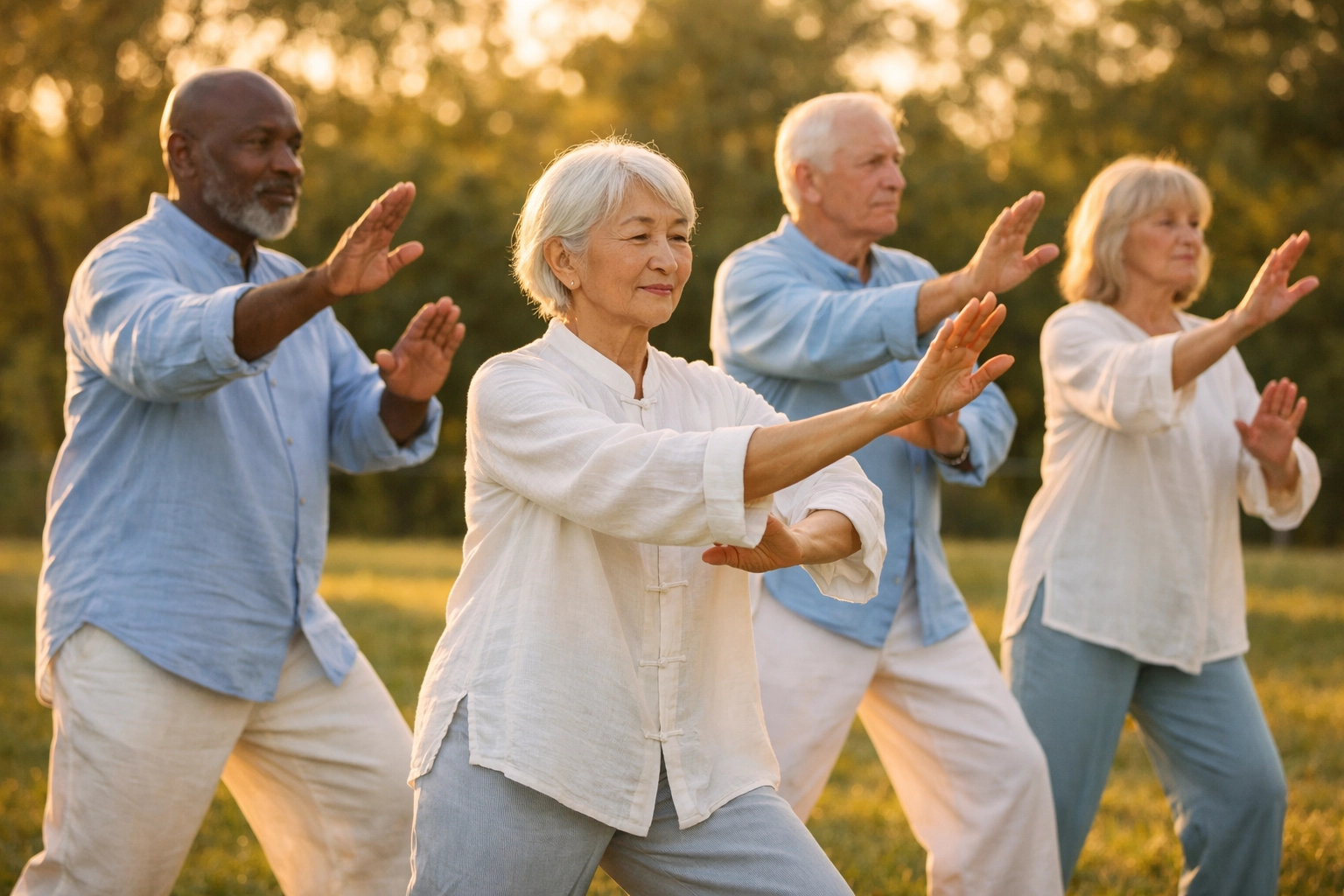
Tai chi is a series of slow, flowing movements combined with deep breathing. It's been shown to improve balance, flexibility, and strength, especially for older adults. Many community centers and senior programs offer tai chi classes designed specifically for beginners.
The beauty of tai chi is its gentle nature. There's no jumping or sudden movements: just controlled, mindful shifts from one position to another. It's also a great way to reduce stress while working on balance.
Yoga
Yoga offers modified poses that can be adapted to different fitness levels and physical abilities. Many poses focus on balance, core strength, and flexibility: all key components of stability.
Look for senior-friendly or chair yoga classes if traditional yoga feels too challenging. Even simple poses like tree pose (holding onto a chair) or standing forward bends can build strength and awareness over time.
Water Aerobics
Water aerobics takes advantage of water's natural resistance while reducing stress on joints. The buoyancy of water supports your body, making it easier to move and practice balance exercises that might feel difficult on land.
Most community pools offer water aerobics classes specifically for seniors. These classes often include balance-focused movements like marching in place, leg lifts, and side steps: all done in the shallow end where you can stand comfortably.
Standing Balance Exercises
Once you're comfortable with foundational activities, you can add targeted standing exercises that directly improve balance and coordination.
Single Leg Stance
This exercise is straightforward but effective. Stand behind a sturdy chair and hold the back for support. Lift one foot off the ground and balance on the other leg for as long as you comfortably can: aim for 10 to 30 seconds. Then switch to the other foot.
As you get stronger, try letting go of the chair for brief moments, or hold your lifted foot higher off the ground. You can also challenge yourself by closing your eyes for a few seconds (only if you feel stable).
Heel-Toe Raises
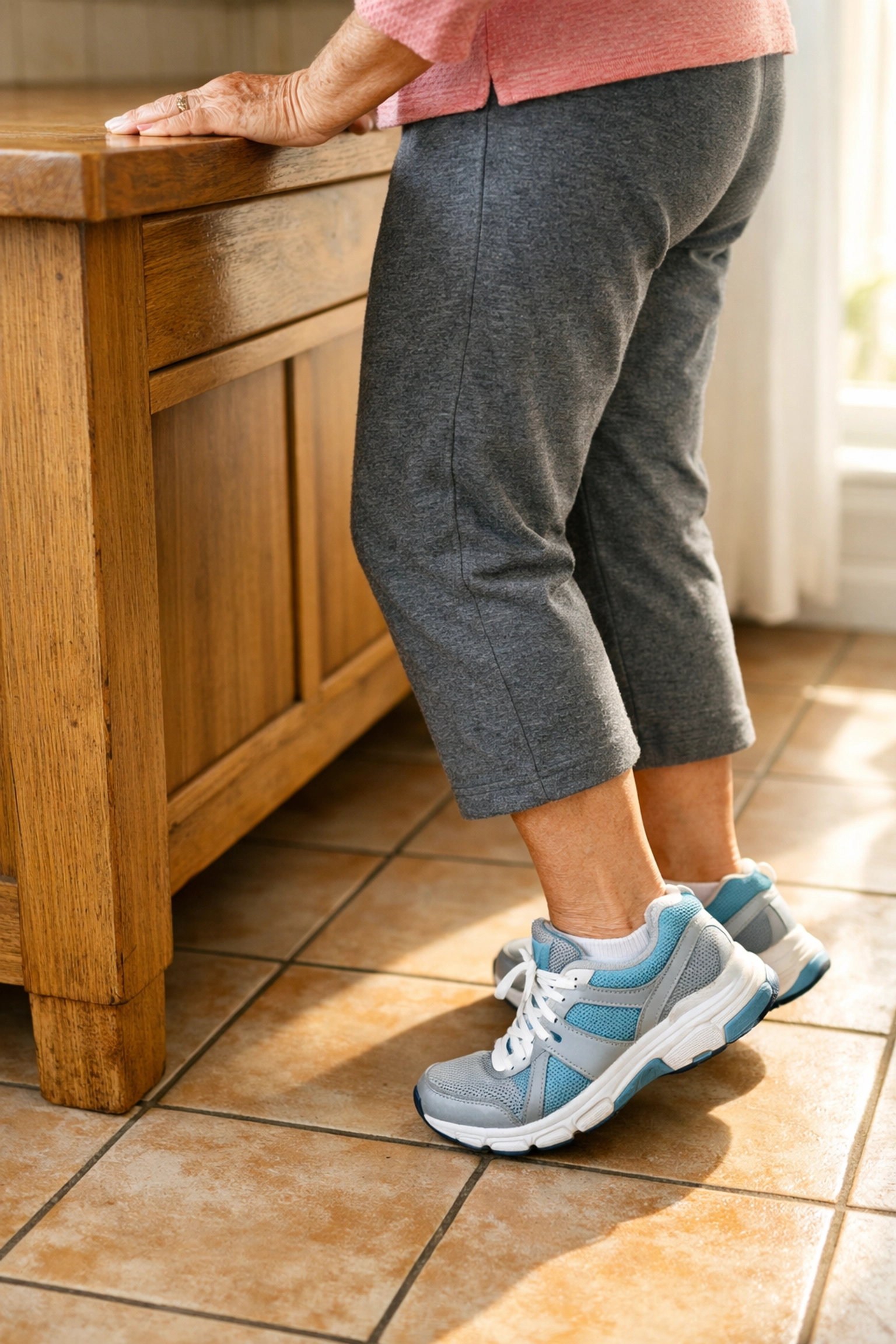
This exercise strengthens your calves and ankles, which are crucial for maintaining balance. Stand behind a chair or next to a counter for support. Rise up onto the balls of your feet, lifting your heels off the ground. Hold for three seconds, then lower back down.
Next, shift your weight to your heels and lift your toes off the ground. Hold for another three seconds. Repeat this sequence 10 to 20 times. The movement might feel small, but it builds the ankle strength needed for steady walking.
Balance Walking
Find a clear path in your home or hallway. Lift your arms out to shoulder height for balance. Walk slowly forward, lifting one leg at a time and holding it briefly before taking the next step. Keep your eyes focused on a point straight ahead rather than looking down at your feet.
Another variation is heel-to-toe walking. Place one foot directly in front of the other so your heel touches the toes of your back foot. Walk this way for 15 to 20 steps. It's trickier than it looks, but it's excellent for improving coordination.
Standing Marches
Stand next to a counter or chair for support. March in place by lifting one knee at a time to a comfortable height. Focus on slow, controlled movements rather than speed. Try to keep your back straight and your core engaged as you march.
Start with 20 to 30 marches, and gradually increase as you build strength. This exercise improves hip flexibility and leg strength while practicing the weight shifts that happen naturally when you walk.
Chair-Based Balance Exercises
Not everyone feels comfortable with standing exercises, and that's perfectly fine. Chair exercises can be just as effective for improving balance, flexibility, and strength.

Seated Knee Lifts
Sit upright in a sturdy chair with your feet flat on the floor. Hold the sides of the chair for support. Slowly lift one knee toward your chest, hold for a few seconds, then lower it back down. Repeat with the other leg. Aim for 10 to 15 lifts per leg.
This movement strengthens your hip flexors and core, both of which play a role in maintaining balance when you stand and walk.
Seated Marches
Similar to standing marches, but done from a seated position. Sit tall with your feet flat on the floor. Lift one foot a few inches off the ground, then lower it and lift the other. Continue alternating for 30 to 60 seconds.
You can add a challenge by lifting your arms overhead as you march, which engages your core and improves coordination.
Ankle Circles
Sit comfortably and extend one leg slightly off the floor. Rotate your ankle slowly in a circular motion: 10 circles in one direction, then 10 in the other. Switch to the other foot.
Ankle flexibility is often overlooked, but it plays an important role in balance. This simple movement keeps the ankle joints mobile and responsive.
Building a Consistent Routine
The key to improving balance is regular practice. You don't need to set aside hours each day: even 10 to 15 minutes of focused movement can make a difference over time.
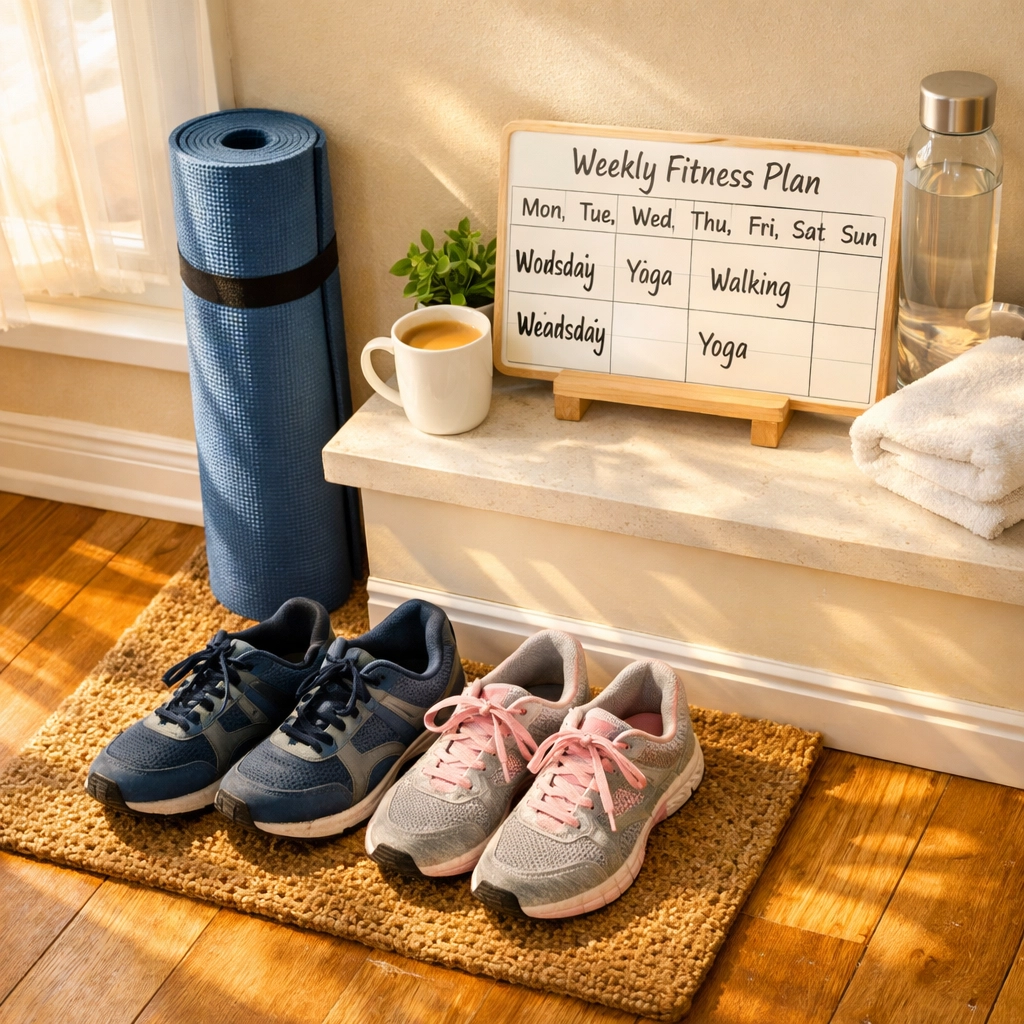
Here's a simple weekly plan to get started:
- Monday, Wednesday, Friday: Practice standing balance exercises (single leg stance, heel-toe raises, balance walking).
- Tuesday, Thursday: Do chair-based exercises or water aerobics.
- Saturday: Go for a walk or try a tai chi or yoga session.
- Sunday: Rest or do gentle stretching.
As you build strength and confidence, you can increase the duration or add more challenging variations. The goal isn't perfection: it's progress.
Moving Forward with Confidence
Improving balance doesn't happen overnight, but every small step counts. Whether you're practicing single leg stands in your kitchen or joining a tai chi class at the community center, you're investing in your independence and well-being.
Balance exercises work best when they become part of your regular routine, just like brushing your teeth or taking a walk. The more you practice, the more natural these movements will feel: and the more confident you'll be moving through your day.
Start with what feels manageable, use support when you need it, and celebrate the progress you make along the way. Your balance is worth the effort.

