
As we get older, our relationship with our environment changes. The stairs might feel a little steeper, the hallway a bit longer, or the bathroom floor a little more slippery than it used to. For many seniors and their families, the topic of "mobility aids" can feel heavy. There is often a misconception that using a walker or a cane is a sign of decline.
At Fall Guys Products, we see it differently. We believe mobility aids are tools of liberation. They are the keys that unlock the front door, allowing you to keep going to the park, the grocery store, and family gatherings with confidence.
If you or a loved one are beginning to explore these options, there is a lot of information to sift through. To help you navigate this transition, here are ten essential things you should know about mobility aids for seniors.
1. Mobility Aids Are About Independence, Not Limitation
The most important thing to understand is the "why" behind these devices. Many seniors resist using a cane or a walker because they feel it makes them look "old" or "frail." However, the reality is exactly the opposite.
A mobility aid provides the stability necessary to continue living an active life. Without one, a person who is unsteady on their feet might choose to stay home, avoid social events, or stop performing daily tasks like cooking or gardening. By incorporating the right aid, you are choosing to stay engaged with the world. It is a proactive step toward maintaining your lifestyle for as many years as possible.
2. There Is No "One Size Fits All" Solution
One of the biggest mistakes people make is grabbing a random cane from a pharmacy shelf or borrowing a neighbor’s old walker. Mobility aids are highly specialized.
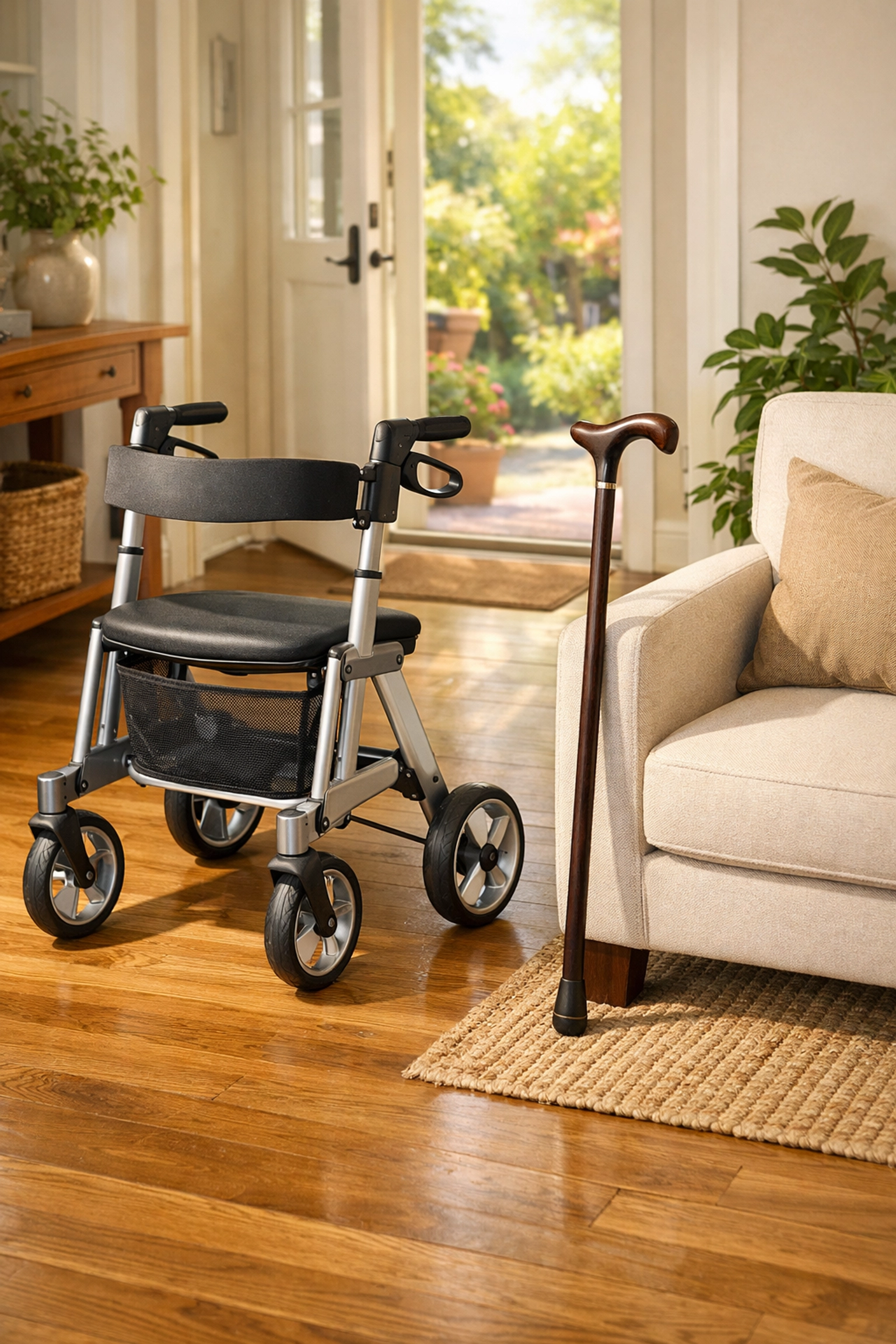
A single-point cane is excellent for someone who needs just a bit of balance assistance or has minor pain in one leg. A quad cane (with four feet at the base) provides more stability for those with more significant balance issues. Walkers come in various forms: standard walkers (no wheels), front-wheeled walkers, and rollators (four wheels with a seat and brakes).
Each device serves a specific level of physical need. Using the wrong one can actually increase your risk of falling or cause secondary pain in your back and shoulders because you aren't supported correctly.
3. Professional Assessments are Non-Negotiable
Before you purchase or start using a mobility aid, it is vital to consult with a professional, such as a physical therapist (PT) or an occupational therapist (OT).
These experts perform what is known as a "gait assessment." They look at how you walk, your muscle strength, your range of motion, and your cognitive processing. A PT doesn’t just tell you which device to use; they also ensure it is adjusted to the correct height. If a cane is too high, it will strain your shoulder; if it’s too low, it will make you stoop, leading to back pain. A professional fitting ensures the tool works with your body, not against it.
4. They Significantly Reduce the Risk of "The Big Fall"
Falls are the leading cause of injury among older adults, often leading to hip fractures or head injuries that can permanently alter a person’s quality of life. Mobility aids act as a "third leg" or a wider base of support.
By providing extra points of contact with the ground, these devices help manage the natural changes that occur with aging, such as slowed reflexes or decreased "proprioception" (your body’s ability to sense where it is in space). Having that extra stability gives your brain more time to react if you trip on a rug or a curb.
5. Modern Innovations Have Changed the Game
If you haven't looked at mobility aids in a decade, you might be surprised by how much they have evolved. We are no longer in the era of heavy, clunky metal frames that are difficult to lift.
Today, many rollators and walkers are made from lightweight materials like carbon fiber or high-grade aluminum, often weighing less than 15 pounds. Many are designed to fold up with one hand, making them easy to put into the trunk of a car or a bus. Some even feature "all-terrain" wheels designed specifically for gravel paths or grassy parks, ensuring that your mobility isn't limited to smooth indoor floors.
6. Mobility Aids Protect Your Joints
Many seniors suffer from osteoarthritis in the knees, hips, or ankles. Every step taken on a painful joint causes micro-trauma and inflammation.
Mobility aids help by "unloading" the weight from these joints. When you use a cane or a walker correctly, a portion of your body weight is transferred through your arms and into the device. This reduces the pressure on your lower extremities, which can significantly decrease daily pain and allow you to walk further than you could otherwise.
7. Psychological Confidence Is Half the Battle
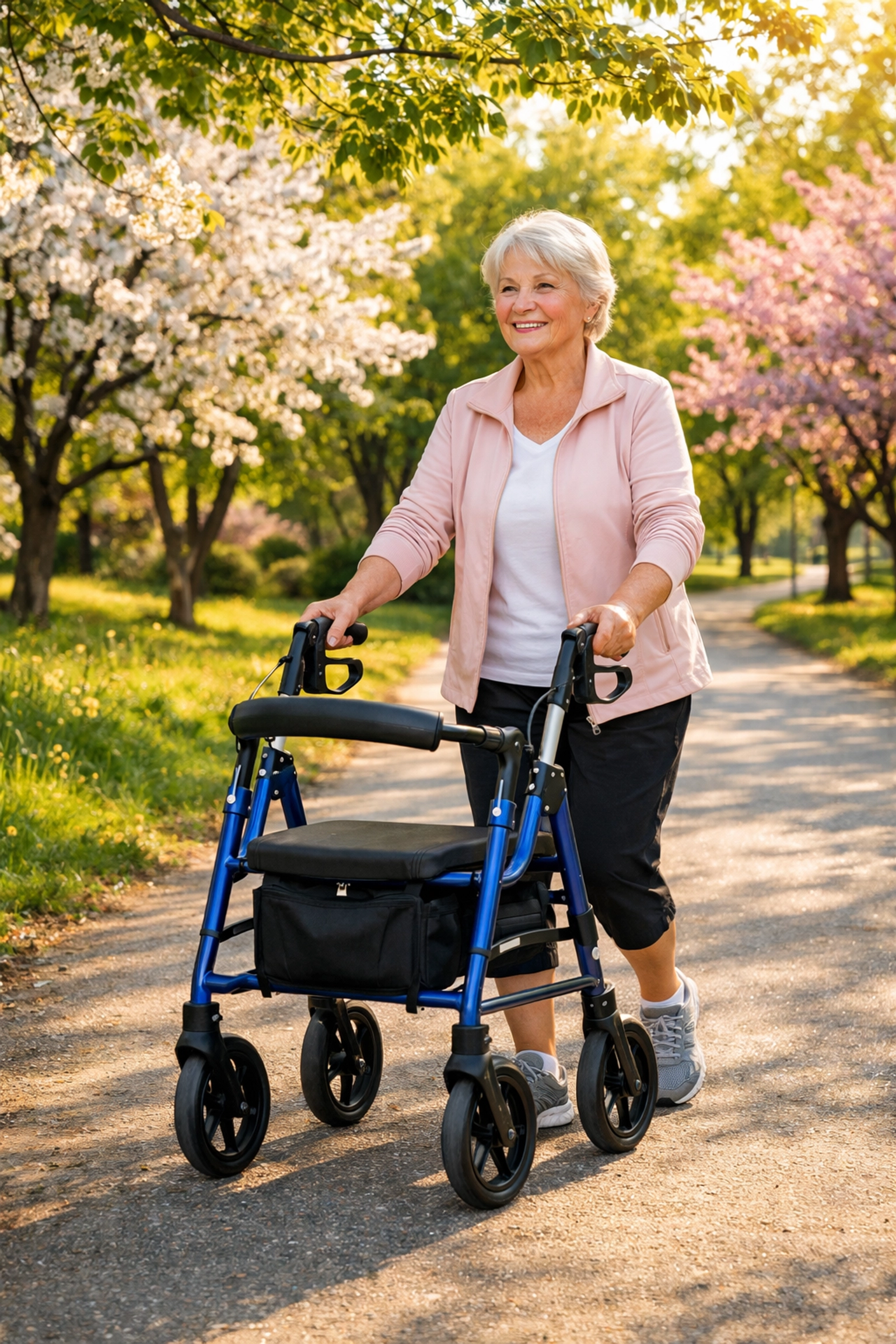
There is a documented phenomenon called "Fear of Falling" (FOF). When a senior has a near-miss or a minor fall, they often develop an intense fear of it happening again. This fear leads to "activity curtailment," where they stop moving to stay safe. Ironically, the less they move, the weaker their muscles become, which actually increases their risk of falling.
A mobility aid breaks this cycle. It provides the psychological reassurance that you are stable. When you feel safe, you are more likely to take that walk around the block, which keeps your muscles toned and your balance sharp.
8. Consider Your Environment: Indoor vs. Outdoor
Where you plan to use the aid matters just as much as why you are using it.
- Indoors: You need something with a tight turning radius to navigate hallways and bathroom doors. A standard walker or a compact rollator usually works best here.
- Outdoors: You need larger wheels (usually 8 inches or more) to handle uneven sidewalks, cracked pavement, or grass. Small wheels can get stuck in cracks, which can actually cause a fall.
Many people find that they eventually need two different solutions: perhaps a sturdy rollator for trips to the park and a more streamlined aid for moving around the house.
9. Maintenance is Essential for Safety
A mobility aid is a piece of equipment, and like a car, it requires regular "tune-ups."
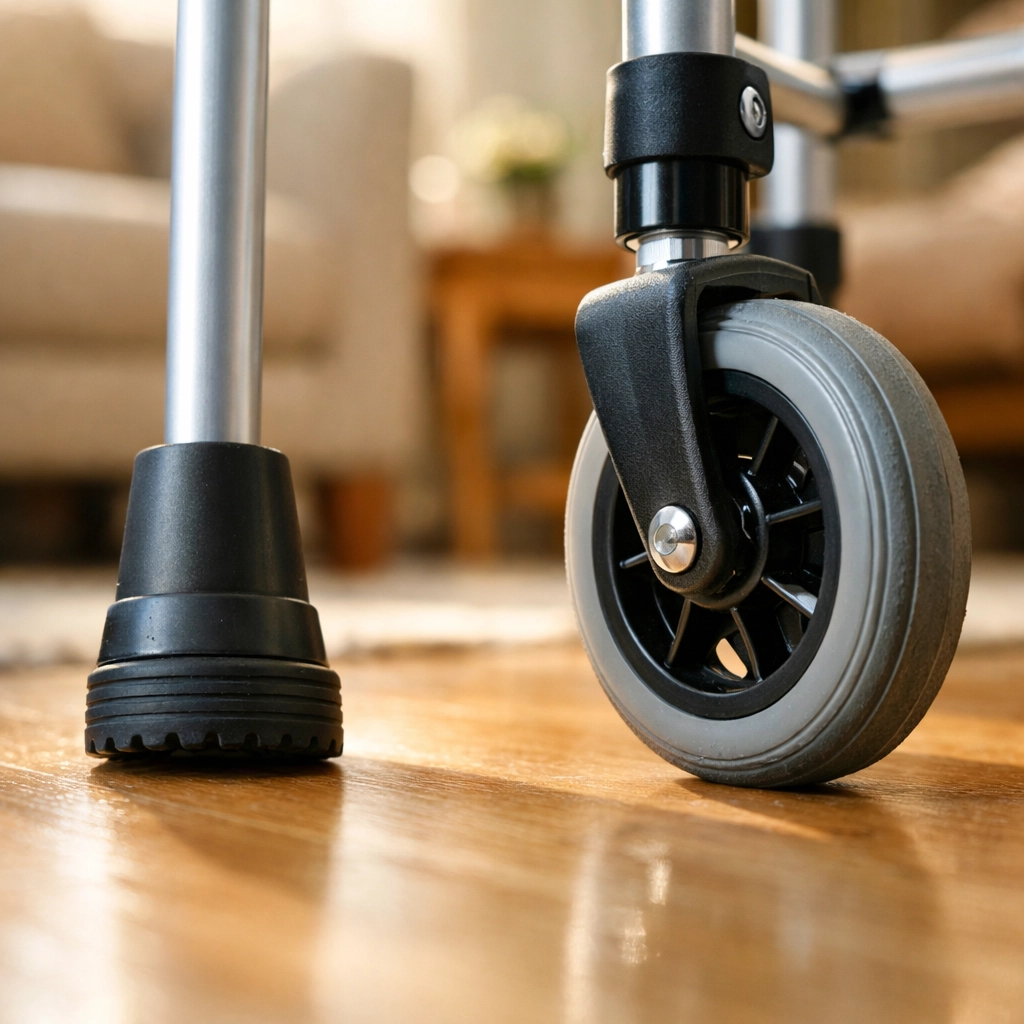
- Tips and Glides: The rubber tips on canes and the glides on the back of walkers wear down over time. Once the rubber is smooth, it loses its grip on slippery floors. These should be inspected monthly and replaced when they show signs of wear.
- Brakes: If you use a rollator, the brakes must be snappy and firm. If you lock the brakes to sit down and the walker still slides, it is a major safety hazard.
- Fasteners: Check for loose screws or clicking sounds, which could indicate the frame is becoming unstable.
10. They Work Best as Part of a Comprehensive Plan
A mobility aid is a powerful tool, but it shouldn't be your only tool for fall prevention. To truly stay safe and mobile, the aid should be paired with other strategies:
- Strength Training: Exercises that focus on leg strength and core stability (like Tai Chi or chair yoga) complement the use of a walker.
- Home Modifications: Even with a walker, a home filled with loose rugs, poor lighting, and no grab bars is dangerous. Ensuring your environment is "fall-proof" allows your mobility aid to do its job effectively.
- Vision and Medication Checks: Since balance is tied to your sight and your inner ear, regular check-ups ensure that your mobility challenges aren't being caused by something that could be treated medically.
How to Start the Conversation
If you are a caregiver looking to suggest a mobility aid to a parent or loved one, remember to focus on the "positives." Instead of saying, "You're getting unsteady and need a walker," try saying, "I want to make sure you can keep coming to the grandkids' soccer games comfortably. Let's look into a rollator with a seat so you can rest whenever you need to."
Framing the device as a tool for adventure and activity: rather than a symbol of age: makes the transition much smoother.

Final Thoughts
The journey toward choosing a mobility aid is a personal one. It requires honesty about your current physical state and a vision for how you want to live your life. By understanding that these devices are designed to support your health, reduce your pain, and keep you connected to your community, you can approach the decision with confidence.
Remember, the goal isn't just to stop falls; the goal is to keep you moving through life with grace and independence. If you’re unsure where to start, reach out to a healthcare professional for a mobility assessment. It’s the first step toward a safer, more active future.

