
Hi there. I’m Brian Kerr, the founder of Fall Guys Products. When folks start looking into fall prevention, they often feel a mix of emotions. There’s a bit of worry, sure, but there’s also a real desire to keep living life on their own terms. Whether you’re looking for yourself or for a loved one, the world of medical equipment and home modifications can feel a bit like learning a new language.
The good news is that the right tools, used the right way, can make a world of difference. It’s not just about "staying safe": it’s about having the confidence to walk across the living room to grab a book or getting out of bed in the morning without a second thought.
If you’re just starting this journey, here are ten essential things you should know about fall prevention products and the strategies that make them effective.
1. Not All "Rails" Are Created Equal: Bed Rails vs. Assist Rails
One of the most common points of confusion is the difference between a bed rail and an assist rail. While they might look similar at a glance, they serve very different purposes.
Standard bed rails are often designed to prevent someone from rolling out of bed. They typically run a significant length of the mattress. However, in a home setting, these can sometimes pose risks if not installed correctly, such as entrapment between the rail and the mattress.
Assist rails, on the other hand, are smaller and designed specifically for leverage. Think of them as a sturdy handle that helps you transition from lying down to sitting up, or from sitting to standing. They provide a fixed point of stability to pull against. When choosing between them, it’s important to consider if the goal is "containment" or "assistance with movement." For most active seniors, an assist rail is the preferred choice because it encourages independence while providing a safety grip.
2. No-Drill Grab Bars Can Be a Game Changer
Many people hesitate to install safety equipment because they don’t want to drill holes into expensive bathroom tile or they live in a rental property where permanent modifications aren't allowed. This is where "no-drill" technology has really stepped up.
There are two main types of no-drill solutions: suction-cup bars and tension-mounted bars.
- Suction Bars: These are great for travel or temporary stability, but they require a perfectly smooth, non-porous surface (like large, smooth tiles). They also need to be checked frequently to ensure the vacuum seal is still tight.
- Tension-Mounted Bars: These often come in the form of floor-to-ceiling poles (often called transfer poles). They use a heavy-duty tension screw to stay securely in place without any screws.
While permanent, bolted-in grab bars are the "gold standard" for weight-bearing, modern no-drill options provide excellent alternatives when permanent installation isn't an option.
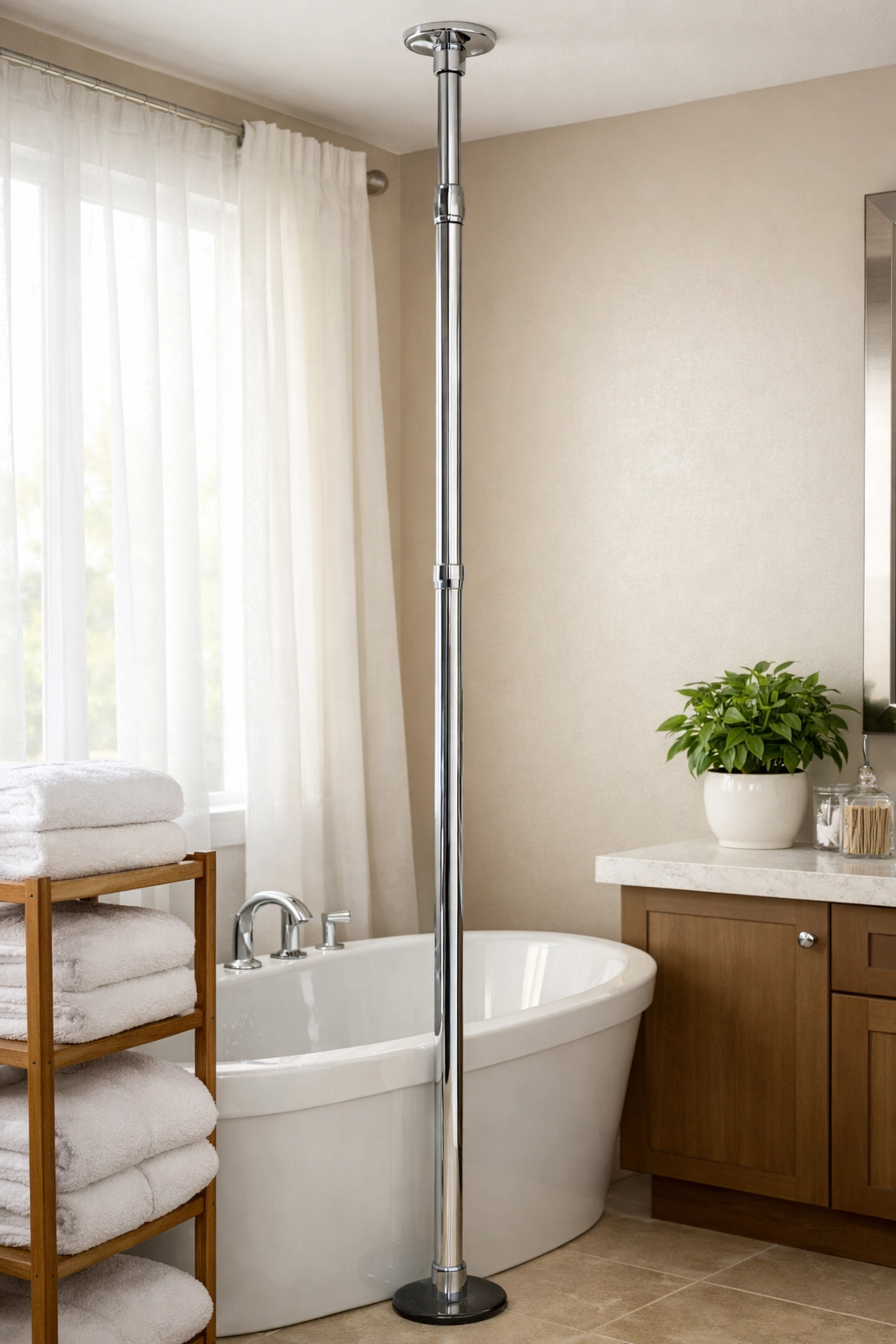
3. Transfer Poles Offer 360-Degree Support
While grab bars are fixed to a wall, a transfer pole is a vertical bar that can be placed almost anywhere in a room: next to a recliner, beside the bed, or even near the bathtub.
The beauty of a transfer pole is its versatility. Because it's a vertical bar, it allows you to maintain a natural "hand-over-hand" movement as you stand up. Many models also include a horizontal pivoting arm that can lock into various positions. This allows a person to have support through every stage of a transition, like moving from a wheelchair to a toilet or from a bed to a walker.
4. Bathroom Safety Is About More Than Just the Shower
When we think of falls in the bathroom, we usually think of the slippery shower floor. While that is a high-risk area, the toilet is another critical zone. Many falls occur when a person is lowering themselves onto a seat that is too low, or trying to stand up without proper support.
Bathroom safety rails (also known as toilet safety frames) provide handles on both sides of the toilet. This allows for even weight distribution and prevents the "plopping" effect, which can lead to loss of balance. Combined with a raised toilet seat, these rails can significantly reduce the physical strain on knees and hips.
5. A Professional Assessment Is the Best First Step
Before you buy a single piece of equipment, consider talking to a Physical Therapist (PT) or an Occupational Therapist (OT). These professionals are experts in "mobility assessments."
They don't just look at the house; they look at how you move within the house. A PT might notice that you lean slightly to the left when you stand up, which means a grab bar on the right side wouldn't be as helpful as one on the left. They can provide a personalized roadmap, ensuring you spend your money on the things that will actually help, rather than a generic kit that might not fit your specific needs.
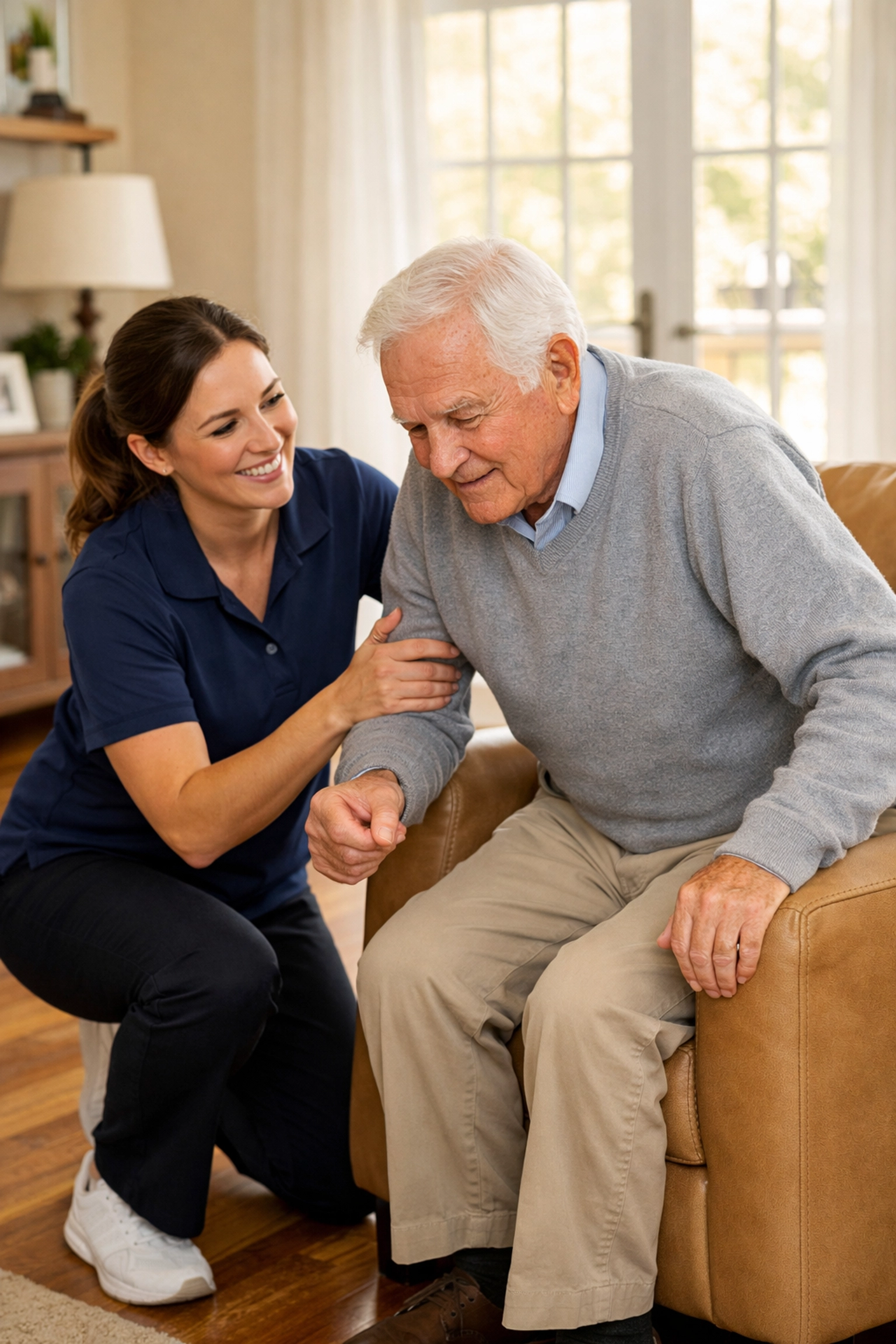
6. Entryways and Transitions Are High-Risk Zones
We often focus on the big rooms, but the small transitions: like the single step up from the garage into the house or the threshold between the bedroom and the bathroom: are where many trips happen.
Safe entryways involve more than just a sturdy railing. They require "threshold ramps" for small rises and high-contrast markings. If you have a grey stone step leading into a grey-floored house, it can be hard for the eyes to perceive the change in depth, especially in low light. Applying a simple strip of high-visibility tape can make a world of difference.
7. The Role of Footwear and Surface Friction
You can have the best grab bars in the world, but if you’re walking on a hardwood floor in silk socks, you’re at risk. Footwear is technically a "fall prevention product" in its own right.
Look for shoes with firm soles and good tread. Avoid "floppy" slippers that don't secure the heel. Inside the home, if you prefer not to wear shoes, non-slip socks with rubberized grips on the bottom are a must. Additionally, look at the friction of your floors. Non-slip mats should be used anywhere water might collect, but they should also be low-profile so they don't create a tripping hazard themselves.
8. Vision and Lighting: The Silent Safety Factors
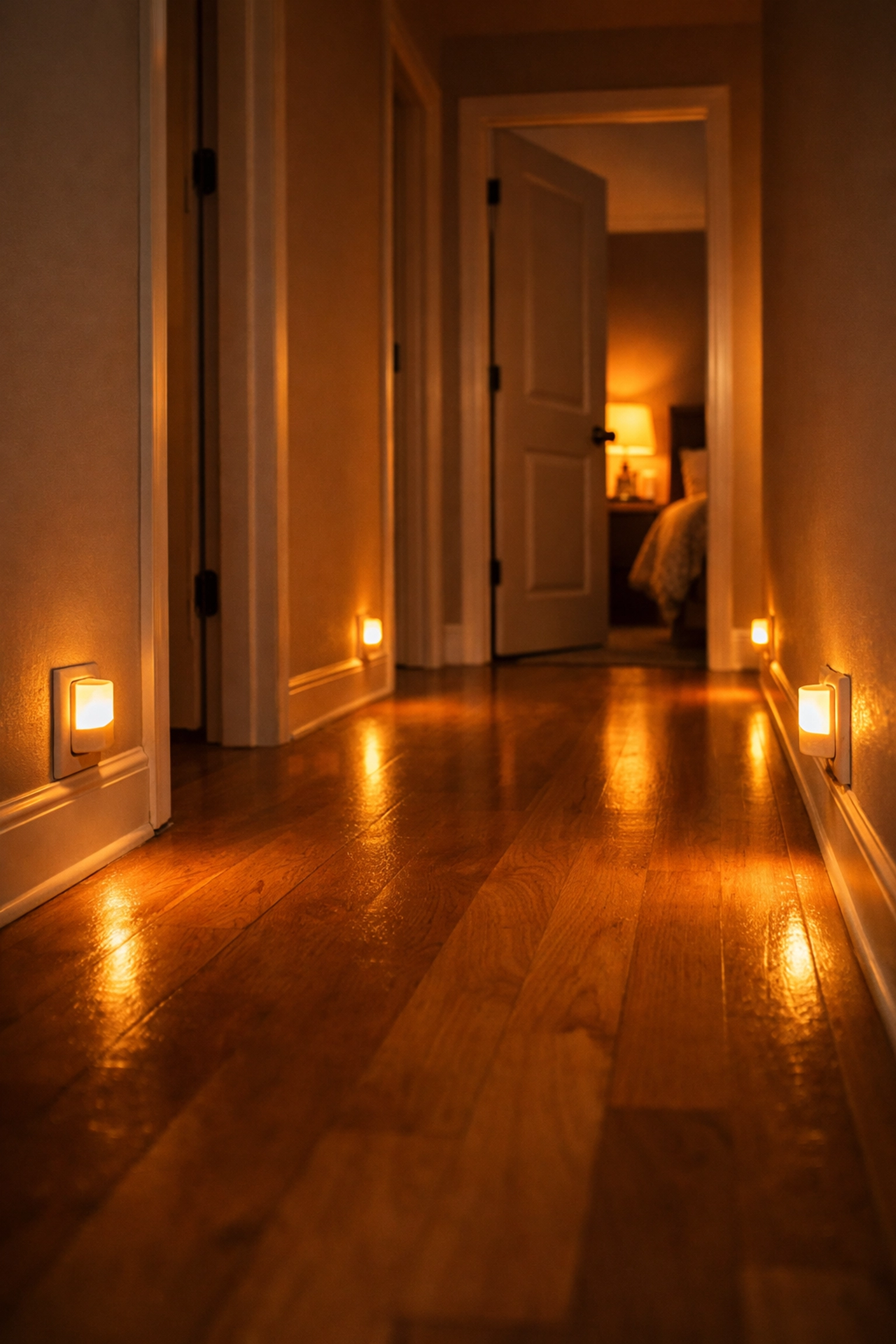
As we age, our eyes need more light to see clearly, and our ability to perceive depth can diminish. Fall prevention equipment includes lighting solutions like motion-activated nightlights.
Placing these along the path from the bed to the bathroom ensures that if you have to get up in the middle of the night, you aren't fumbling for a switch in the dark. Clear vision allows your brain to properly coordinate your movements with the safety rails and walkers you’re using.
9. Dementia-Specific Considerations
For those caring for a loved one with dementia, fall prevention requires a slightly different approach. Cognitive changes can affect how a person perceives space. For example, a dark rug might look like a hole in the floor to someone with advanced dementia, causing them to step over it awkwardly and lose their balance.
In these cases, "visual cues" are vital. Using brightly colored grab bars (like red or blue) can help them stand out against a white wall. Reducing clutter is also more important than ever, as a "busy" environment can be overstimulating and distracting, leading to missteps.
10. Post-Fall Recovery: Having a Plan
Even with the best products, falls can still happen. Part of fall prevention is knowing how to recover safely. This includes having an alert system: whether it’s a wearable pendant, a wall-mounted button, or a smartphone: that can be reached from the floor.
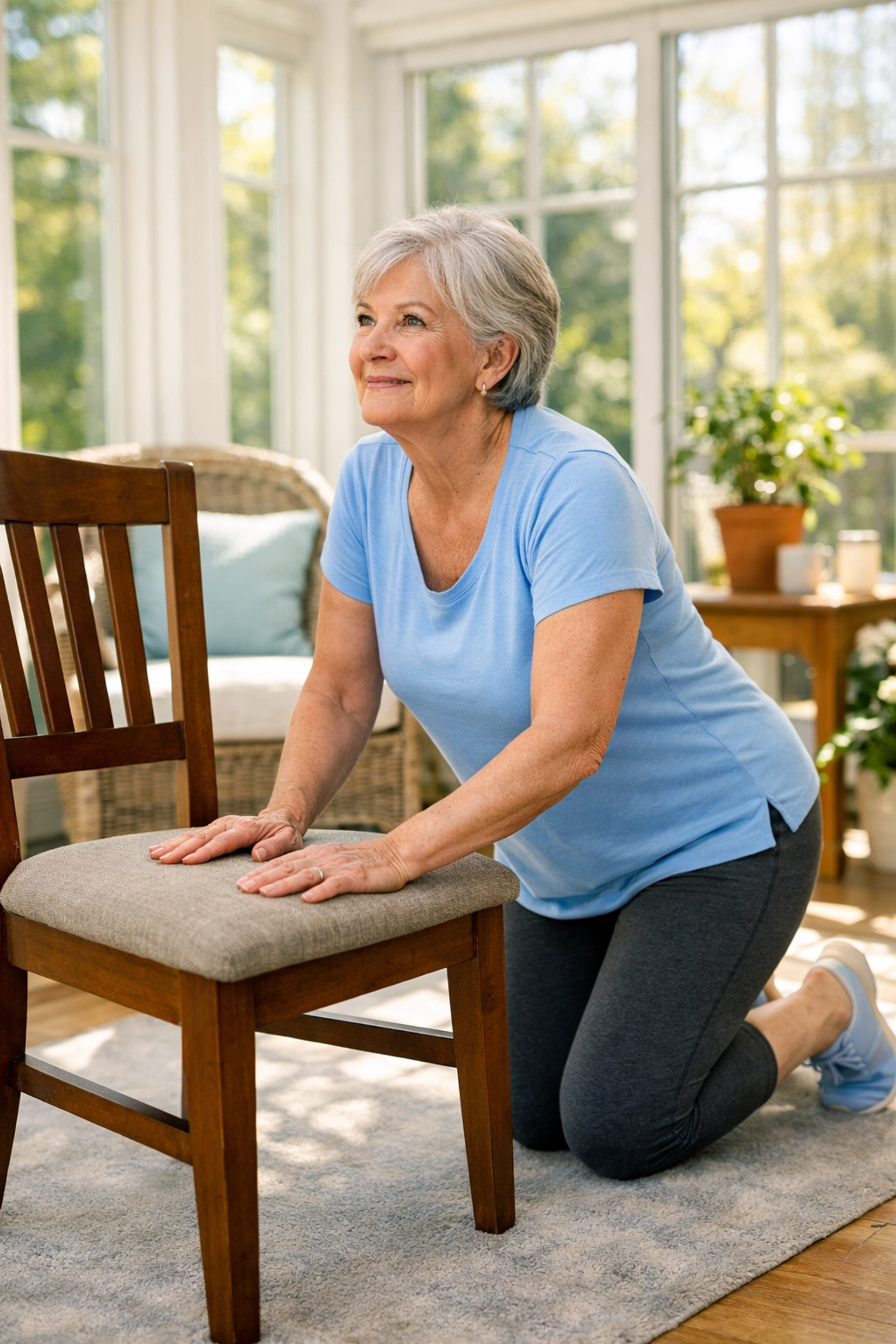
There is also a specific technique for "getting up after a fall" that involves rolling to your stomach, getting onto all fours, and using a sturdy piece of furniture (like a chair) to slowly push yourself up. Practicing this movement when you are healthy can build the muscle memory needed to stay calm and safe if a fall does occur.
Building a Holistic Safety Plan
If there’s one thing I want you to take away, it’s that fall prevention isn't about one single product. It’s about creating a "safety net" made of several different layers.
- Physical Layer: Using walkers, canes, and grab bars correctly.
- Environmental Layer: Removing rugs, adding lighting, and using non-slip mats.
- Biological Layer: Maintaining bone health through diet (Vitamin D and Calcium) and staying active to keep your muscles strong.
- Behavioral Layer: Taking your time when standing up and wearing the right shoes.
It’s also worth noting that activities like Tai Chi have been shown in numerous studies to be incredibly effective for balance. It teaches you how to shift your weight mindfully, which is the exact skill you need to navigate your home safely.
When you look at fall prevention products, don't see them as a sign of "getting old." See them as tools of empowerment. A walker isn't something that holds you back; it's the tool that allows you to walk to the park. A grab bar isn't a hospital fixture; it's the handle that lets you enjoy a relaxing shower with total peace of mind.
Take it one step at a time. Start with the biggest risks: usually the bathroom and the stairs: and work your way through the house. Talk to your doctor, consult a physical therapist, and most importantly, keep moving. Safety is a journey, and we’re here to help you navigate it with confidence.

