
When we think about fall prevention, we often focus on the bathroom or the stairs. Those are high-risk areas, certainly, but we often overlook the most transitional space in the entire house: the entryway. This is the "airlock" of your home. It’s where the chaos of the outside world meets the sanctuary of your living space.
For many seniors, the entryway is a site of high activity. You’re coming in with groceries, fumbling for keys, shedding a heavy coat, or trying to kick off shoes while balancing on one foot. It’s a lot to manage at once. The good news is that you don’t need a weekend-long renovation project to make this area safer. In fact, most of the major trip hazards in an entryway can be identified and neutralized in about five minutes of focused attention.
Let’s walk through a quick audit that you or a loved one can perform today to ensure that coming home remains a joyful, safe experience.
The 60-Second Lighting Check
Vision is our primary source of balance information. As we age, our eyes require more light to see clearly, and they take longer to adjust to changes in brightness. When you step from a bright, sunny afternoon into a dimly lit foyer, your eyes are effectively "blind" for several seconds. Those few seconds are when most trips occur because you simply cannot see the threshold or the stray shoe on the floor.
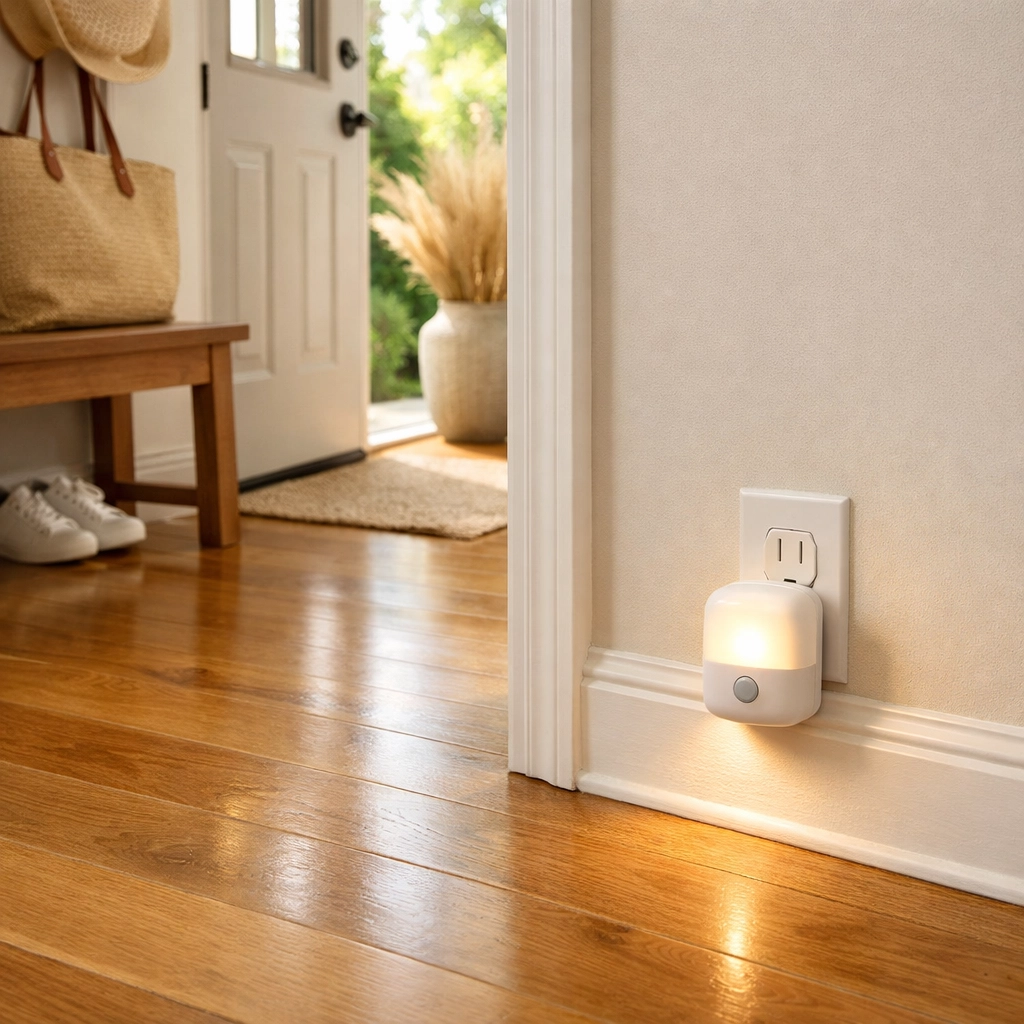
To fix this, start by checking your bulbs. Are they at the highest wattage the fixture safely allows? If you have a single, dim ceiling light, consider adding a plug-in motion-sensor light. These are incredibly effective because they illuminate the path the moment you open the door, removing the need to fumbling for a switch in the dark.
The Throw Rug Reality Check
If you ask any physical therapist what the number one enemy of senior safety is, they will likely say "throw rugs." We love them because they catch dirt and add color, but they are essentially landmines for someone with a shuffling gait or limited mobility.
Take two minutes to walk through your entryway. If there is a rug that isn't heavy-duty and securely fastened to the floor, it needs to go. Even "non-slip" rugs can have edges that curl up over time, creating a "lip" that catches the toe of a shoe or the tip of a walker.
If you absolutely must have a mat for wet shoes, ensure it is a low-profile, heavy rubber mat that lies completely flat and has beveled edges. If the rug moves even half an inch when you nudge it with your foot, it is a hazard. In the world of fall prevention, bare floors are almost always safer than carpeted ones in transition zones.
The "Landing Strip" Strategy
One of the biggest reasons people fall in the entryway is because they are distracted or over-encumbered. You’re holding mail, a bag of groceries, and a set of keys, all while trying to close the door behind you.
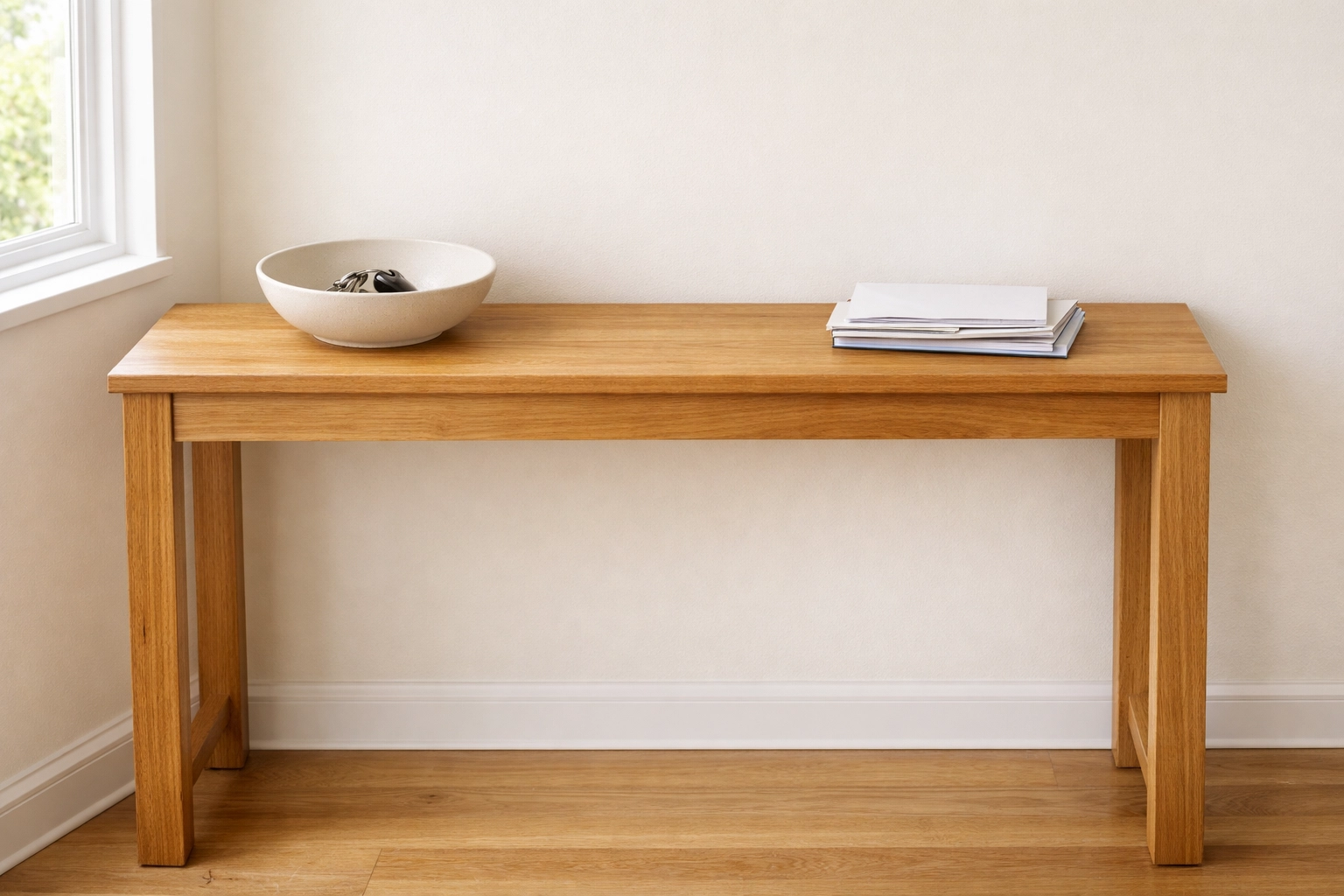
Create a "landing strip": a sturdy table or shelf located at waist height immediately inside the door. This allows you to set down your items the moment you walk in. Once your hands are free, your center of gravity stabilizes, and you can focus on moving your feet safely.
This table shouldn't just be for mail; it should be a functional station. However, keep the area under the table clear. Many people tuck baskets or shoes under entryway tables, which then spill out into the walking path. A clear path is a safe path.
Managing the Shoe Scramble
Shoes are a double-edged sword in the entryway. On one hand, many people prefer a "no-shoes" house to keep floors clean. On the other hand, the act of taking off shoes: especially if done while standing: is a major balance risk. Furthermore, shoes left in a heap by the door are the ultimate tripping hazard.
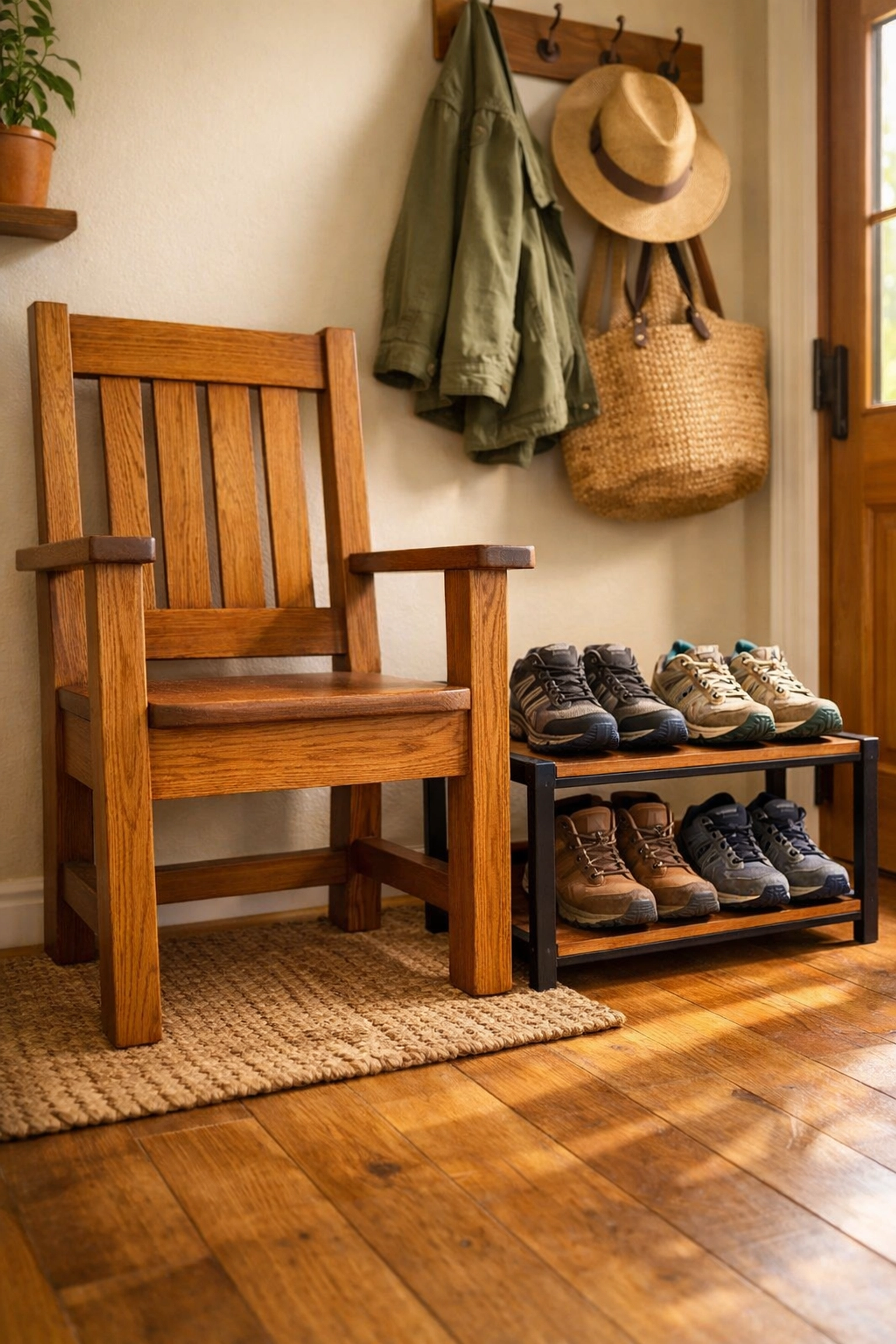
Spend sixty seconds organizing the floor. If there are shoes scattered about, move them to a dedicated rack that is out of the primary walking path. Better yet, place a sturdy chair with armrests in the entryway. This encourages you to sit down to remove or put on footwear. Sitting down eliminates the balance challenge entirely and ensures that your footwear is secure before you begin moving through the rest of the house.
The Threshold Transition
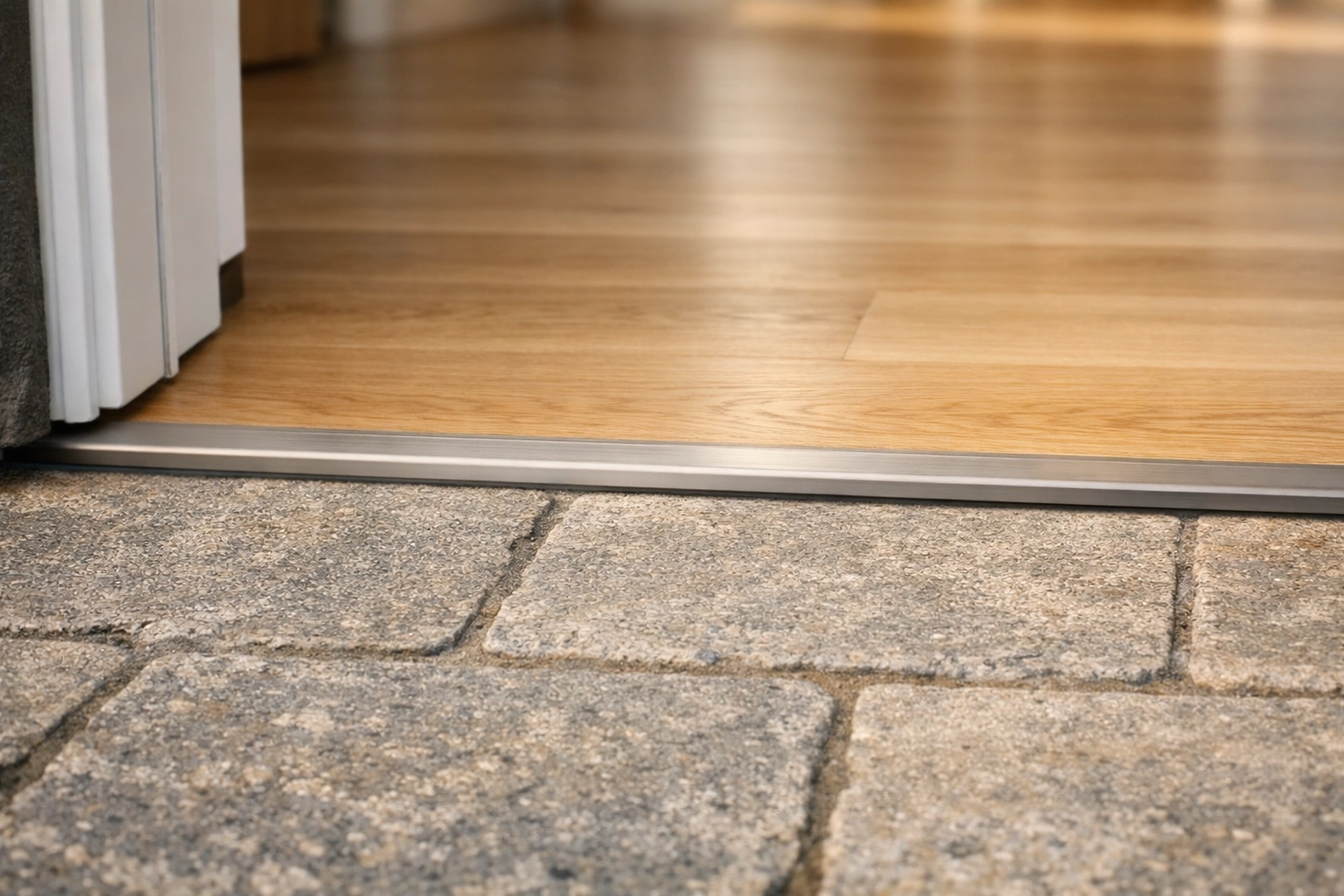
The threshold is the literal line between outside and inside. In many older homes, this transition involves a wooden or metal strip that sits an inch or two above the floor. For someone who uses a cane or a walker, or someone who doesn't lift their feet as high as they used to, this small bump can be enough to cause a stumble.
Look closely at your doorway. Is the transition smooth? If there is a significant "lip," it might be worth marking the edge with a strip of high-contrast tape (like bright orange or yellow). This provides a visual cue to the brain to "lift the feet here."
While you're at the door, check the door handle itself. Is it a round knob that’s hard to turn if your hands are full or if you have arthritis? A lever-style handle is much easier to operate and allows you to keep one hand free for balance support if needed.
Beyond the Five-Minute Fix
While these quick changes significantly lower your risk, it’s important to look at the "big picture" of your entryway over time.
Weather and Surfaces
The entryway’s safety changes with the weather. Rain, snow, and even morning dew can make a smooth tile foyer as slick as an ice rink. If your entryway floor is made of polished stone or tile, consider applying a non-slip floor treatment. These are clear liquids that increase the "coefficient of friction" (grip) of the floor without changing its appearance.
The Importance of Contrast
As our depth perception changes, surfaces that are the same color can blend together. If you have a grey porch leading to a grey threshold and a grey carpet, your brain may struggle to identify where one ends and the other begins. Using contrasting colors: such as a dark mat on a light floor: helps the brain map the environment more accurately.
The Exterior Approach
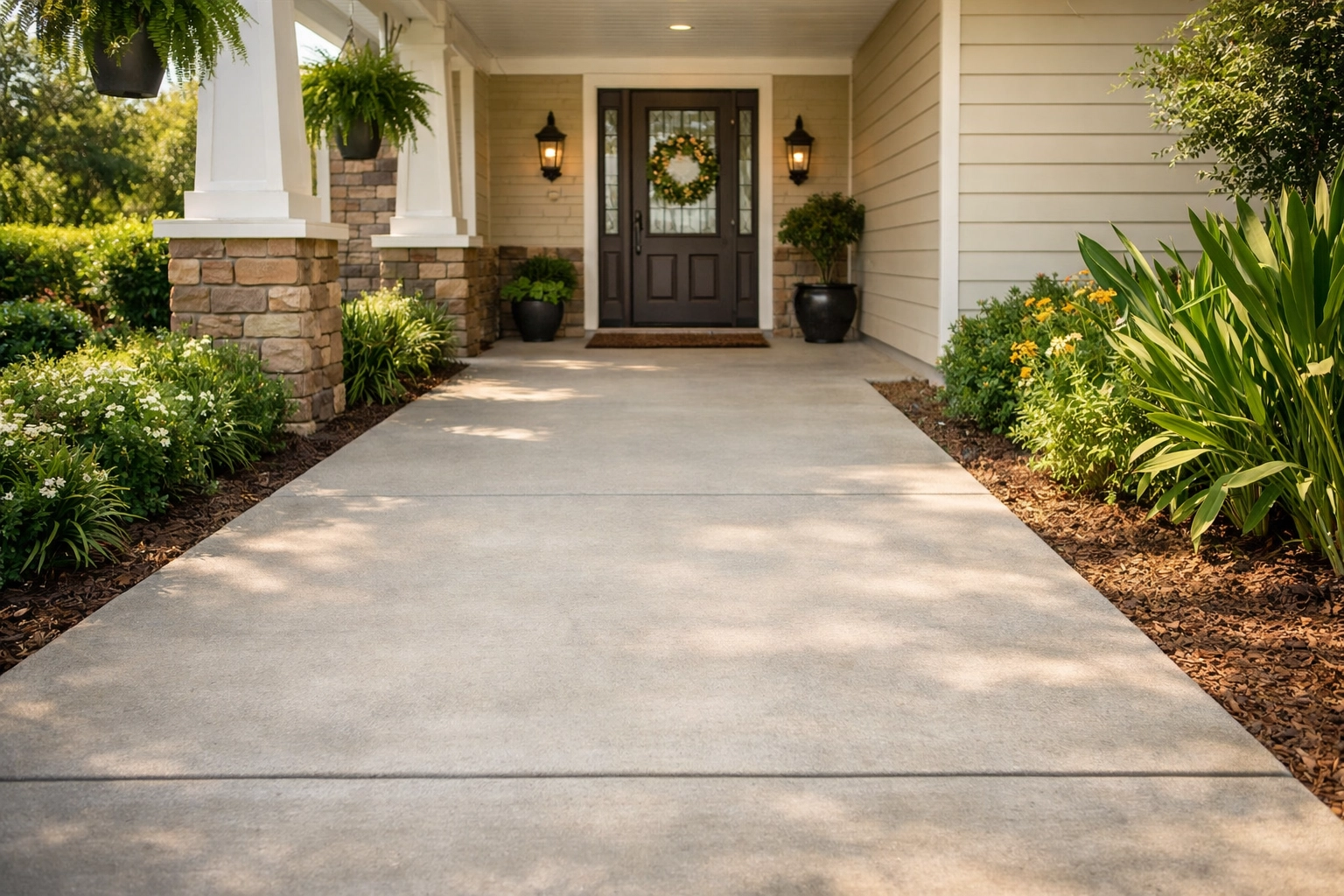
Safety doesn't start at the door; it starts at the sidewalk. While this blog post focuses on the interior entryway, take a quick peek outside. Are there leaves or pine needles accumulating on the porch? These act like ball bearings under a shoe. Is the outdoor lighting sufficient? A well-lit path to the door is just as important as a well-lit foyer.
The Psychology of a Safe Entryway
There is a psychological component to fall prevention that we rarely discuss. When an entryway is cluttered, dark, and disorganized, it creates a sense of "hurry." We want to get through the mess and into the comfort of the living room. Rushing is one of the leading behavioral causes of falls.
By spending five minutes to clear the path, brighten the lights, and create a place to set your belongings, you are creating a "calm zone." When you walk into a clear, bright space, your heart rate stays lower, your movements become more intentional, and you are much more likely to navigate the space without incident.
A Final Walk-Through
To wrap up your five-minute audit, perform what we call the "Environmental Scan." Stand outside your front door, close it, and then enter as if you just arrived home from the store.
- Can you see the floor clearly the moment you step in?
- Is your path to the nearest piece of furniture or the landing table completely unobstructed?
- Do you have a place to sit if you feel fatigued or need to change shoes?
- Are there any "loose" items (rugs, cords, shoes) that could catch a toe?
If you can answer "yes" to the first three and "no" to the last one, you have successfully transformed your entryway.
Fall prevention doesn't always require expensive equipment or professional contractors. Most of the time, it’s about awareness and small, tactical adjustments. Your entryway is your first point of contact with your home every single day. Making it a trip-free zone ensures that every time you come home, you’re stepping into safety.
Remember, safety is a habit, not a one-time event. Re-check these five points once a month, especially as the seasons change and different types of clutter (like umbrellas in the spring or heavy boots in the winter) begin to accumulate. A few minutes of prevention today can truly protect your independence for years to come.

