
When we think about home safety, we often jump straight to the bathroom or the stairs. Those are definitely important, but there is one area that often gets overlooked despite being used every single day: the entryway.
The entryway is the bridge between the world and your home. It’s where we transition from the unpredictable outdoors to the comfort of our living space. For many seniors or those with mobility challenges, this transition is actually one of the most high-risk moments of the day. You’re often carrying groceries, fumbling for keys, or dealing with a heavy door: all while moving from one surface type to another.
The good news? You don't need a construction crew or a massive budget to make a significant difference. In fact, you can drastically reduce the risk of a tumble in about five minutes. Here is how you can perform a "safety sprint" to secure your entryway today.
Why the Entryway is a High-Risk Zone
Before we get into the "how," let’s talk about the "why." Why is the front door such a hotspot for trips and slips?
First, there is the issue of lighting. Moving from bright afternoon sun into a shaded hallway can cause temporary "vision lag" as the eyes adjust. During those few seconds of adjustment, a stray shoe or a rug corner becomes a major hazard.
Second, the entryway is a "task-heavy" area. We aren't just walking; we are multitasking. We are trying to balance a bag of mail, pull a door handle, and perhaps navigate a raised threshold all at once. When our cognitive focus is on finding a key, our physical balance often takes a backseat.
Finally, there is the weather. Rain, mud, and snow don't stay outside; they hitch a ride on our shoes and create slick spots right where we need the most traction.
The 5-Minute Safety Sprint: Immediate Actions
If you have five minutes right now, here is exactly what you should do to make your entryway safer.
1. Clear the Path (2 Minutes)
It sounds simple, but clutter is the number one cause of entryway falls. We tend to treat the area behind the front door as a "drop zone."
- Move the shoes: Kick-off shoes are a classic tripping hazard. Move them to a closet or a dedicated rack that is out of the direct walking path.
- Check the cords: Look for any extension cords or holiday light strings running across the threshold or along the baseboards where a toe could catch.
- Remove "decor": That heavy decorative umbrella stand or the large potted plant might look nice, but if it narrows the walking path, it has to go. You want a clear, wide "runway" into the house.
2. Flip the Switch (1 Minute)
Shadows are the enemy of stability.
- Check the bulbs: Flip the porch light and the interior entry light on. If a bulb is flickering or dim, it needs to be replaced with a high-lumen LED.
- Consistency: If you have a dark hallway leading away from the door, turn those lights on too. Eliminating dark pockets helps the eyes adjust faster as someone enters the home.
3. Inspect the Threshold and Surfaces (2 Minutes)
The physical ground beneath your feet needs a quick audit.
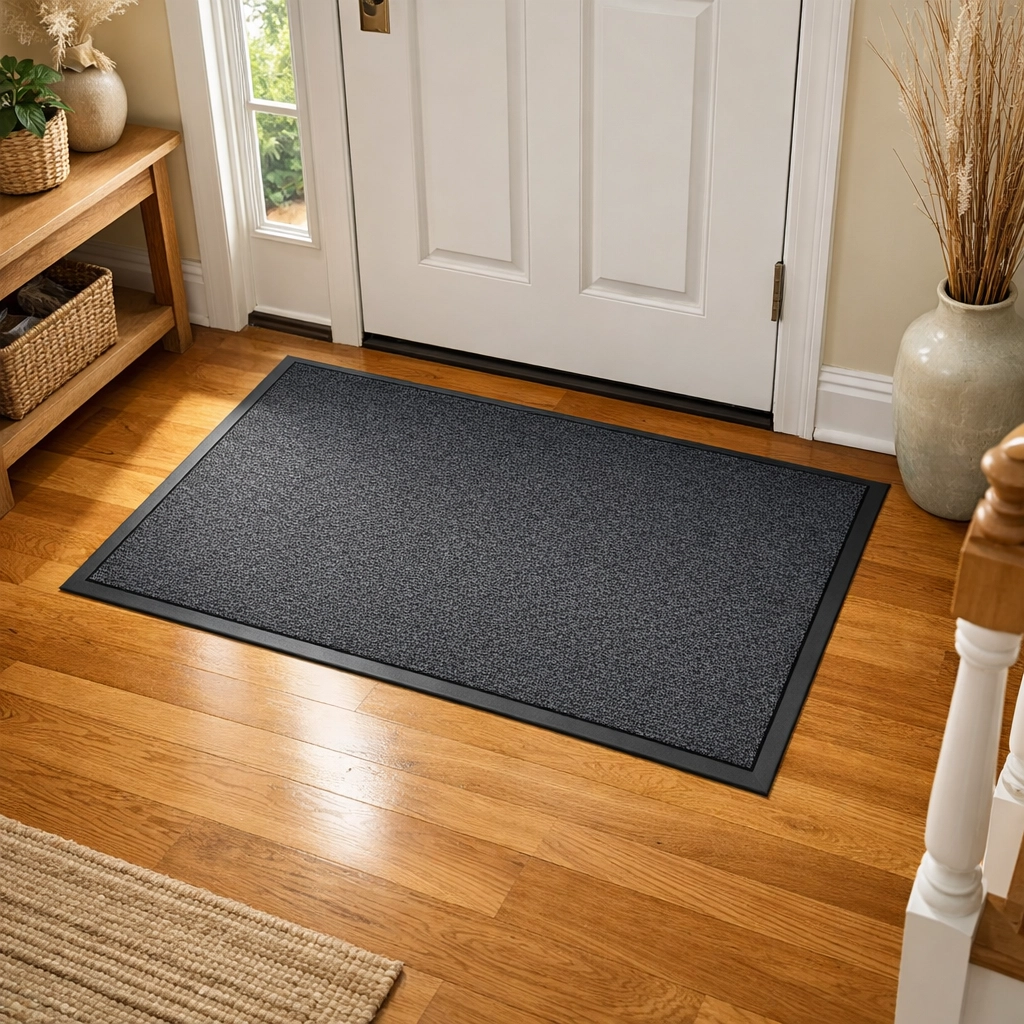
- The Door Mat Check: Give your entryway mat a kick. Does it slide? Does the corner curl up? If it isn't heavy-duty with a rubberized, non-slip backing, it’s safer to remove it entirely until you can get a better one.
- Surface Sweep: Use a broom or even your foot to clear away any loose gravel, leaves, or grit from the front step. These tiny particles act like ball bearings under a shoe, causing a foot to slide out from under you.
Understanding the "Entryway Transition"
Safety isn't just about removing objects; it’s about understanding how the human body moves through space. When we enter a home, we perform a series of complex biomechanical movements.
We often have to step "up and over" a threshold. This requires single-limb support: essentially standing on one leg for a split second while the other foot clears the door frame. If someone has a weakened gait or poor balance, this split second is when they are most vulnerable.
Furthermore, the door itself can be a hazard. A heavy door that closes quickly can "push" a person forward before they are ready, or a door that is hard to open might require a person to lean back, shifting their center of gravity precariously.
Beyond the 5 Minutes: Long-Term Entryway Solutions
Once you’ve done the quick fixes, you might realize that your entryway needs a bit more permanent attention. These improvements take longer than five minutes but offer years of protection.
Lighting Upgrades: Motion and Dusk-to-Dawn
Relying on someone to remember to flip a switch isn't always reliable.
- Motion Sensors: Installing motion-activated lights outside and inside ensures that as soon as someone approaches the door, the area is bathed in light. This is especially helpful when arriving home after dark with hands full of groceries.
- Dusk-to-Dawn Bulbs: These are inexpensive bulbs that automatically turn on when the sun goes down and off when it rises. They ensure the porch is never dark.
Structural Stability: Handrails and Grab Bars
If there is even a single step leading into the house, there should be a handrail.
- The "Two-Hand" Rule: Ideally, a person should be able to have at least one hand on a stable surface at all times.
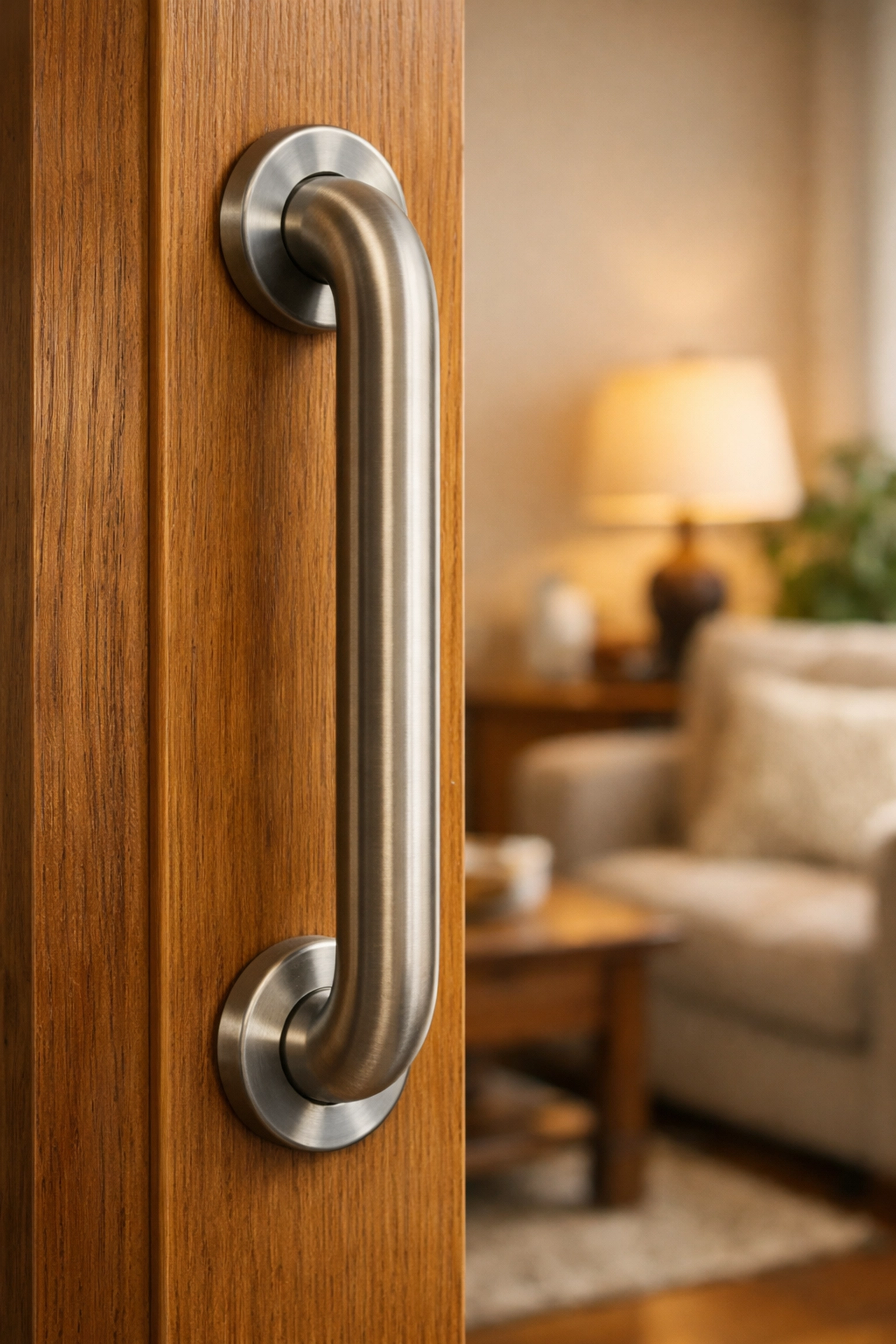
- Entry Grab Bars: A small, weather-resistant grab bar mounted on the door frame (on the side with the handle) provides a stable point to hold onto while leaning forward to insert a key. This prevents the "swaying" that often leads to a loss of balance.
Threshold Management and Ramps
Standard door thresholds can be an inch or two high. While that doesn't seem like much, it is a significant "trip lip" for someone who doesn't lift their feet as high as they used to.
- Threshold Ramps: These are small, rubber or aluminum wedges that sit against the door frame. They turn a sharp "step over" into a gentle "roll over" or "walk over," which is much safer for walkers and wheelchairs.
- Non-Slip Strips: For wooden or concrete steps that get slick when wet, clear or grit-textured non-slip adhesive strips can provide essential traction.
Designing the Perfect "Landing Zone"
Inside the door, you should create what we call a "landing zone." This is a dedicated space where a person can immediately set down their items so they can focus entirely on their balance.
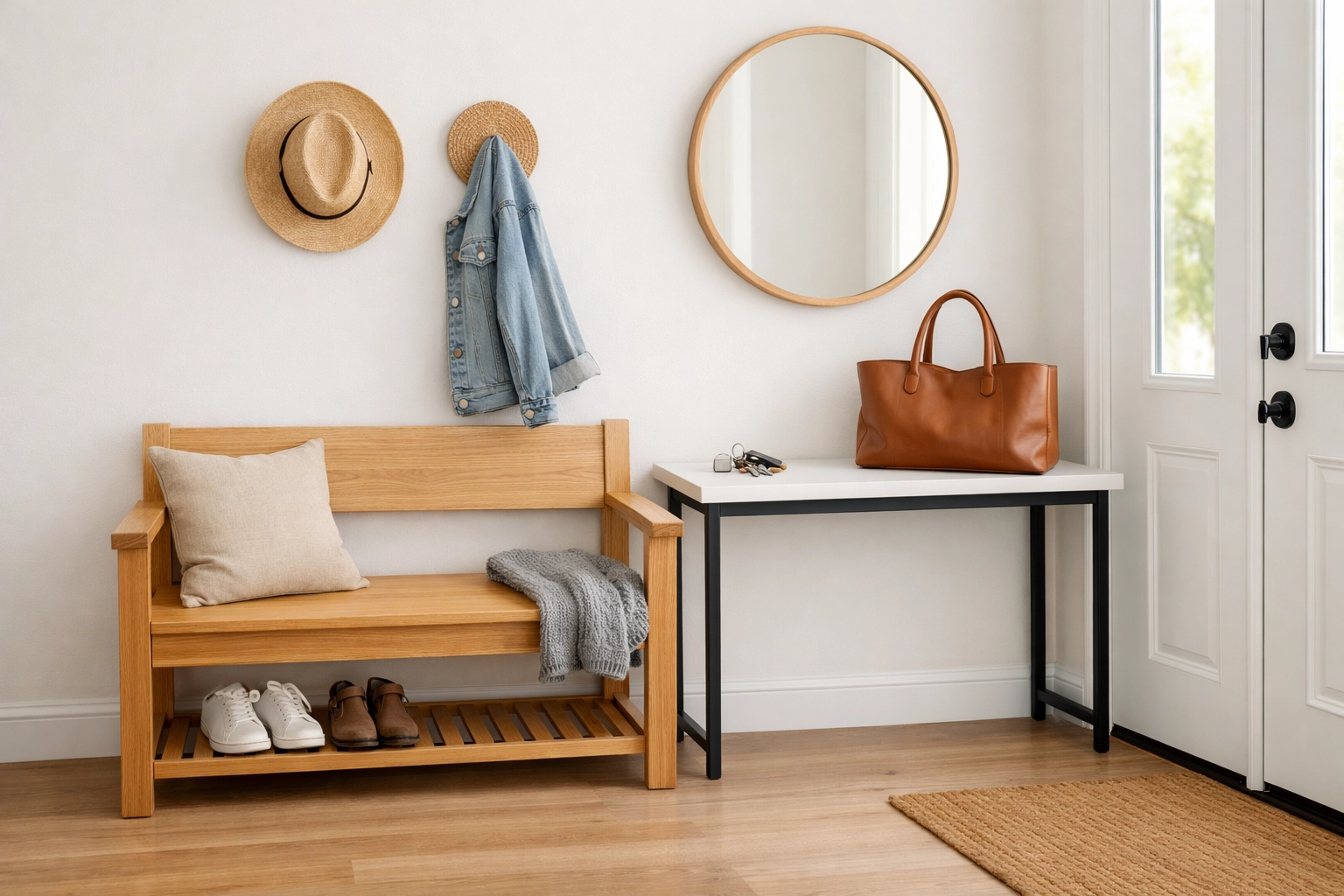
A sturdy, waist-high table placed just inside the door is a game-changer. Instead of carrying heavy bags into the kitchen, the person can set them on the landing table, take a breath, close the door, and then move into the home unencumbered.
If space allows, a sturdy bench with arms is also a great addition. It gives someone a place to sit while they take off their outdoor shoes, preventing the dangerous "balancing on one leg" act that often happens in hallways.
Seasonal Safety: Adapting to the Weather
Safety is a moving target that changes with the seasons.
- In the Rain: Keep a dedicated umbrella stand outside the door or in a contained tray just inside so water doesn't pool on the floor.
- In the Winter: Keep a small container of salt or sand near the door so you can treat the steps before you even step outside.
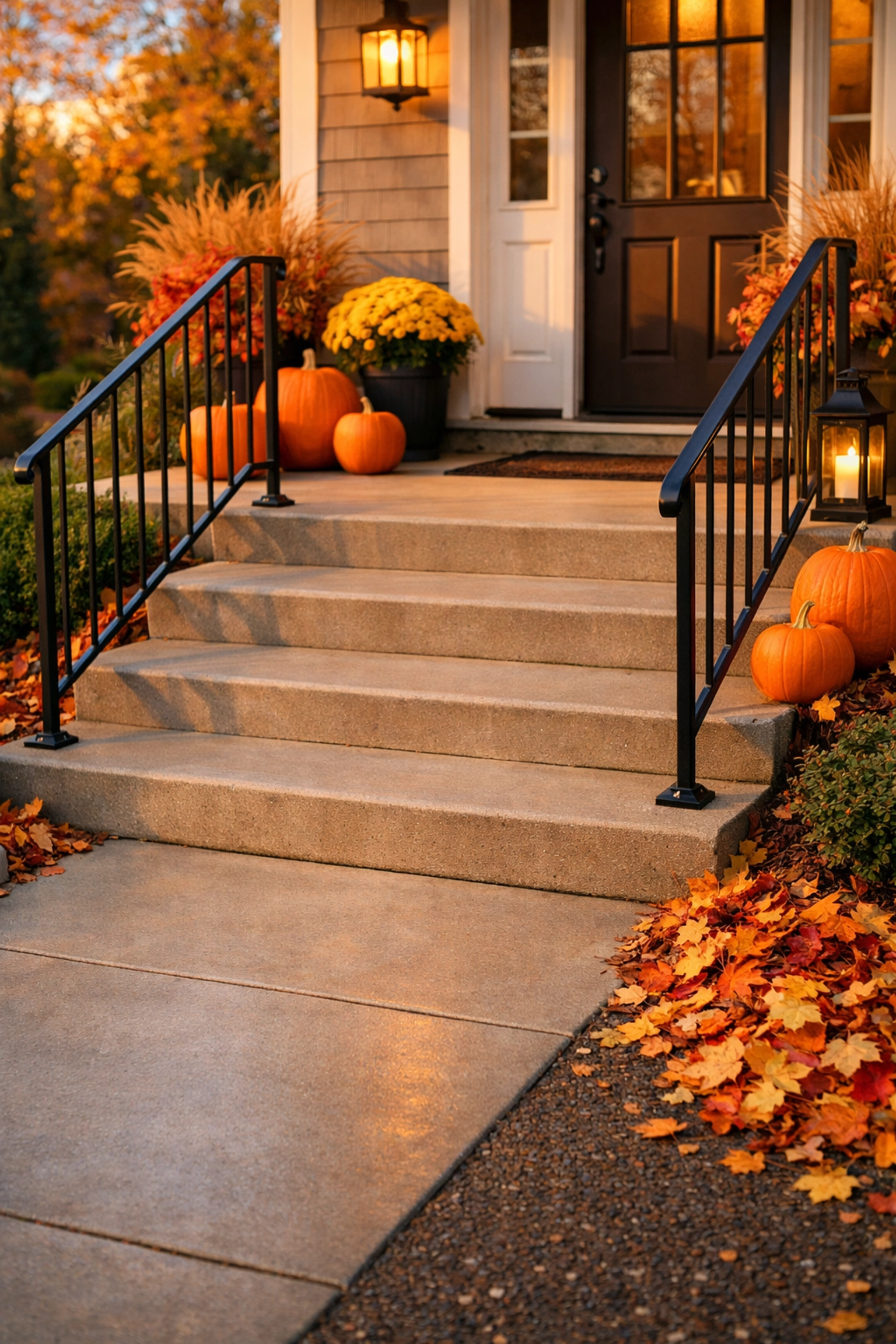
- In the Fall: Wet leaves are just as slippery as ice. Frequent sweeping is the best fall prevention tool you have during the autumn months.
A Family Approach to Home Safety
Creating a fall-safe home is often a team effort. If you are a caregiver or a family member visiting a loved one, you can perform these 5-minute checks every time you visit.
Make it a habit. When you walk in, look down. Is the rug bunched up? Is there a pile of mail on the floor? Are the shoes scattered? By quietly tidying these things during your visit, you are actively participating in your loved one’s independence.
Safety doesn't have to be a scary or clinical topic. It’s really just about making the home as comfortable and navigable as possible. A clear entryway is more than just a safety measure; it’s a welcoming, stress-free way to start and end the day.
Final Thoughts on Entryway Safety
The entryway sets the tone for the rest of the house. When it is cluttered, dark, and slippery, it creates anxiety and physical risk. When it is clear, bright, and stable, it provides a sense of security and ease.
Take those five minutes today. Walk outside your front door, turn around, and walk back in with a critical eye. What catches your toe? What feels dim? What makes you feel unsteady? Addressing those small things now is the best way to prevent a big problem later.
Remember, the goal isn't to change the way you live; it's to make sure you can keep living safely in the home you love. Stay safe out there, and keep those pathways clear.

