
If someone you love has dementia, you've probably noticed how quickly things can change. One day they're moving around confidently, and the next, they're unsteady on their feet. Falls are incredibly common among dementia patients, and they're one of the most serious risks families face. But here's the good news: with the right strategies, you can dramatically reduce that risk.
Let's talk about what actually works.
Why Dementia Increases Fall Risk
Before we dive into solutions, it helps to understand what's happening. Dementia doesn't just affect memory, it impacts physical abilities, judgment, and awareness in ways that directly increase fall risk.
Physical changes are often the most visible. People with dementia may develop slower reflexes, shuffling gaits, or poor balance. Muscle weakness can creep in, especially if someone becomes less active. Arthritis and other age-related conditions compound these issues, making movement more challenging.
Cognitive decline creates invisible hazards. Someone with dementia might forget they need a walker. They may not recognize a step-down or a slippery surface. They might lose the ability to judge distances accurately, reaching for a countertop that's further away than they think.
Unmet needs drive risky behavior. When someone feels hungry, thirsty, or needs the bathroom, they may get up without waiting for help, even if they normally use assistance. Confusion and wandering, particularly at night, often lead to falls in dimly lit hallways or unfamiliar rooms.
Understanding these factors helps you see why a single solution won't cut it. Fall prevention for dementia patients requires a comprehensive approach.
Creating a Safer Environment
Your home environment is where you have the most control, and it's often where you'll see the biggest impact.
Clear the Clutter
Walk through your home as if you're seeing it for the first time. Look for:
- Loose rugs or mats that can slip or catch feet
- Electrical cords crossing walkways
- Stacks of newspapers, books, or boxes
- Low furniture like ottomans that create tripping hazards
- Pet toys or food bowls in walking paths
Remove everything that isn't essential. Yes, this might mean your home looks more sparse than you'd like, but clear pathways are worth it.
Light It Up
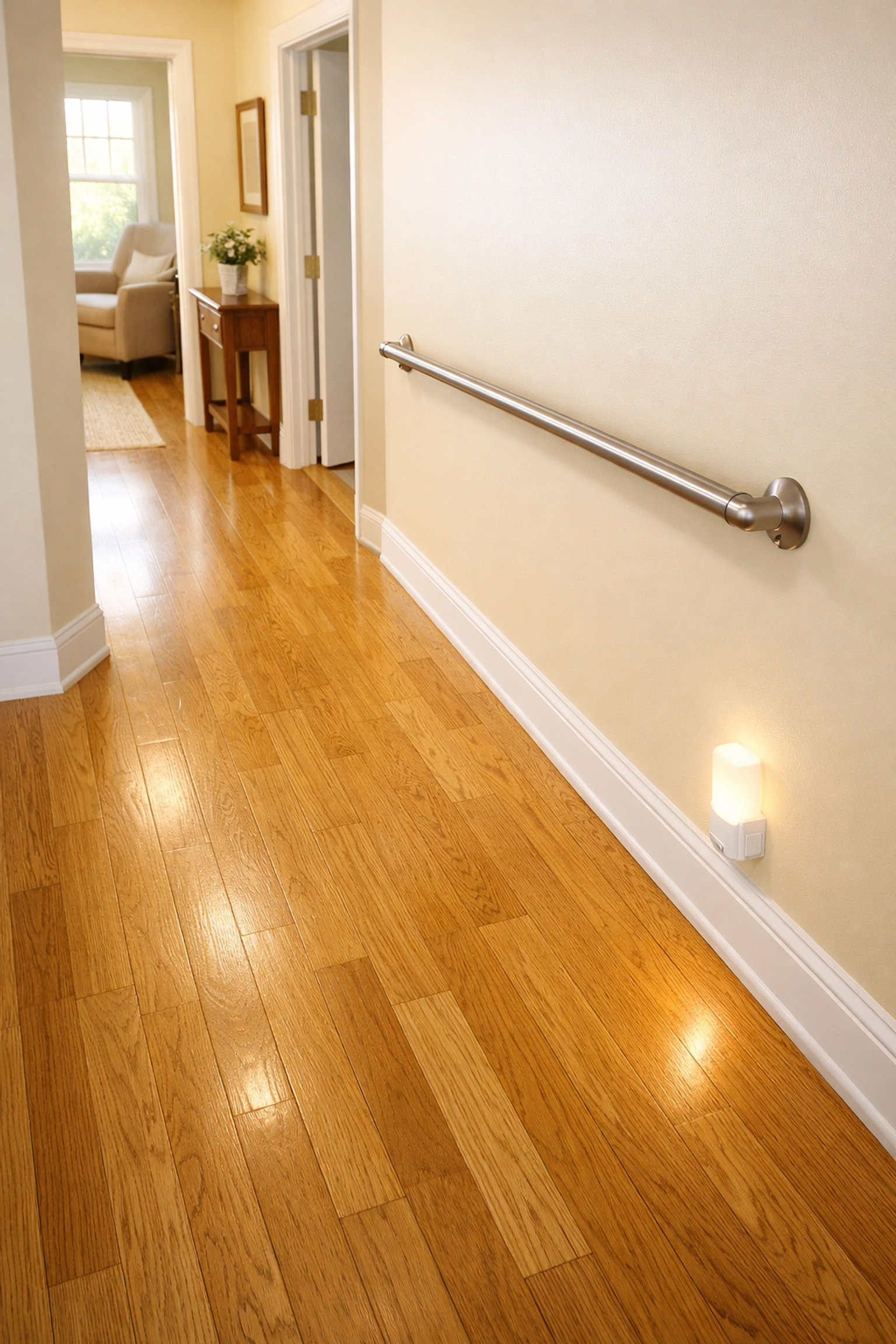
Dementia affects depth perception and the ability to see contrasts. Poor lighting makes everything worse. Install bright bulbs in every room, add nightlights along hallways and in bathrooms, and consider motion-sensor lights that automatically turn on when someone gets up at night.
Natural light helps too. Keep curtains open during the day: it also helps regulate sleep-wake cycles.
Use Color Strategically
Here's something not everyone knows: contrasting colors help people with dementia distinguish objects and surfaces. A white toilet against a white wall might be nearly invisible to someone with cognitive decline. Consider:
- Colored toilet seats that contrast with the floor and walls
- Dark rugs or mats in front of light-colored furniture
- Contrasting tape on the edges of steps
- Different colored towels against bathroom walls
These small visual cues make a big difference in spatial awareness.
Install Grab Rails and Support
Strategic placement of grab bars provides security where it's needed most:
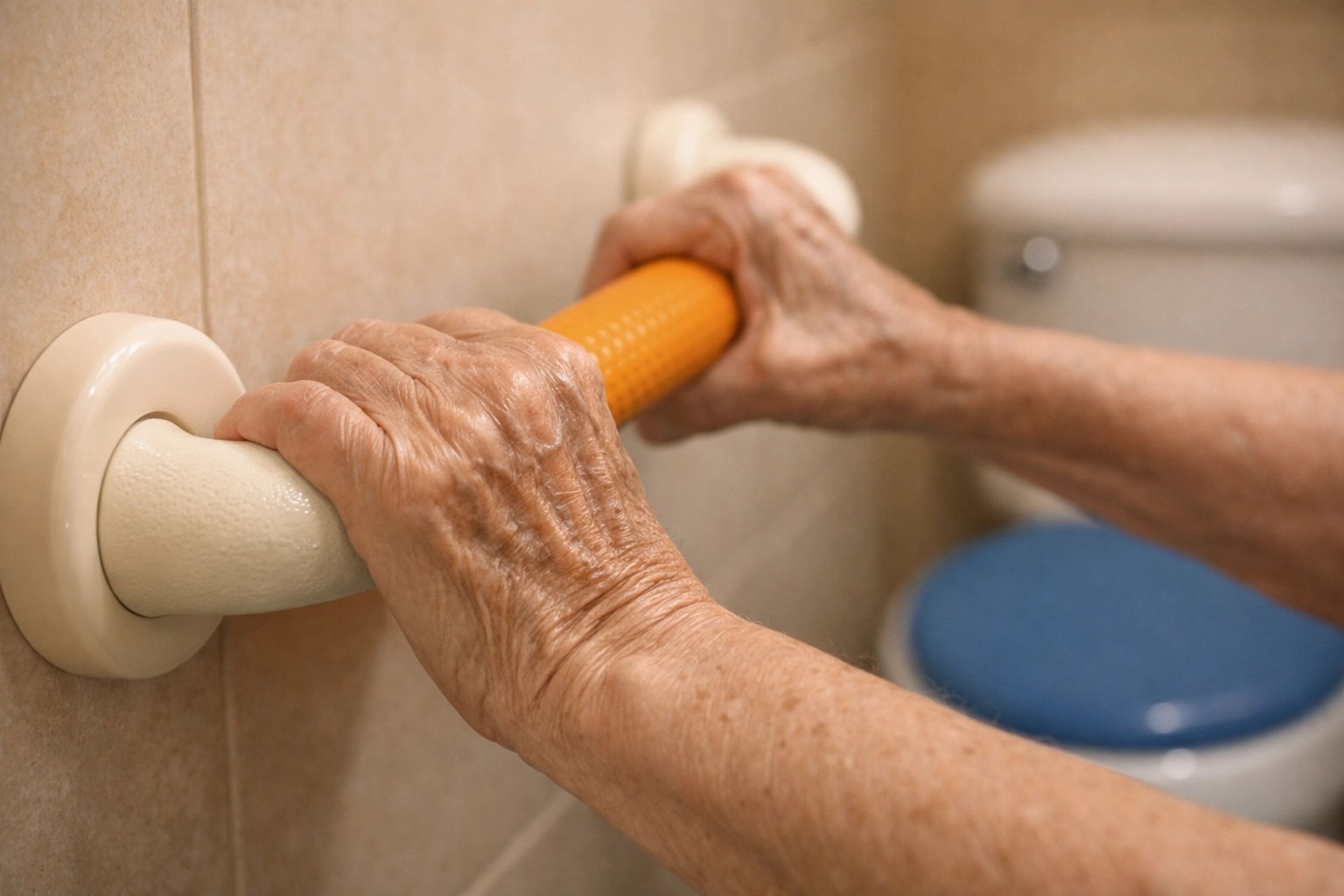
- Next to the toilet
- Inside and outside the shower or tub
- Along hallways, especially long ones
- Near the bed for support when standing
Make sure any rails are properly installed and can support significant weight. A poorly mounted grab bar that pulls loose can cause the very fall it was meant to prevent.
Physical Activity and Strength Building
It might seem counterintuitive, but one of the best ways to prevent falls is to keep someone moving. Regular exercise builds strength, improves balance, and maintains coordination.
The Right Type of Exercise
Not all exercise is created equal for fall prevention. Focus on activities that specifically target balance and leg strength:
Tai Chi has been extensively studied and shows remarkable results: some research indicates it can reduce falls by up to 45%. The slow, controlled movements improve balance and body awareness without putting stress on joints.
Water aerobics offers another excellent option. The water provides resistance for strength building while supporting the body, reducing fall risk during the activity itself.
Chair exercises work well for those with limited mobility. Simple movements like seated leg lifts, ankle circles, and arm raises maintain muscle tone and flexibility.
How Much Exercise?
Aim for balance and strength activities at least three to four times per week. Even 15-20 minutes per session makes a difference. The key is consistency rather than intensity.
Work with a physical therapist when possible. They can design a program tailored to your loved one's specific abilities and limitations.
Establishing Helpful Routines
Dementia thrives on predictability. A consistent daily routine reduces confusion, anxiety, and the risky behaviors that lead to falls.
Create Structure
Establish regular times for:
- Waking up and going to bed
- Meals and snacks
- Bathroom breaks
- Activities and exercise
- Quiet time or rest
When someone knows (or their body knows) what comes next, they're less likely to wander or get up impulsively.
Use Visual Cues
Environmental cues help with wayfinding and reduce confusion. Try:
- Picture symbols on doors (a toilet picture on the bathroom door)
- Colored tape or strips on the floor leading to frequently used areas
- Labels with both words and pictures
- Nightlights marking the path to the bathroom
These adaptations help someone navigate independently while reducing fall risk.
Managing Medications and Medical Factors
Some falls stem directly from medical issues or medication side effects. Regular check-ins with healthcare providers are essential.
Medication Review
Many common medications increase fall risk through dizziness, drowsiness, or blood pressure changes. Have a doctor or pharmacist review all medications regularly, including:
- Sleep aids
- Blood pressure medications
- Pain relievers
- Anti-anxiety medications
- Antidepressants
Sometimes adjusting timing or dosage significantly reduces fall risk without sacrificing symptom management.
Address Orthostatic Hypotension
Many older adults experience blood pressure drops when standing up, causing dizziness or lightheadedness. Encourage your loved one to:
- Sit on the edge of the bed for a moment before standing
- Rise slowly from chairs
- Hold onto something stable when standing
- Stay well hydrated throughout the day
These simple habits give the body time to adjust and prevent that dizzy, unsteady feeling.

Using Assistive Devices Properly
Walkers, canes, and other assistive devices help: but only when used correctly and consistently.
Proper Fitting Matters
An ill-fitting walker or cane can actually increase fall risk. Make sure devices are:
- Adjusted to the right height (typically wrist level when arms hang naturally)
- Appropriate for the person's strength and coordination
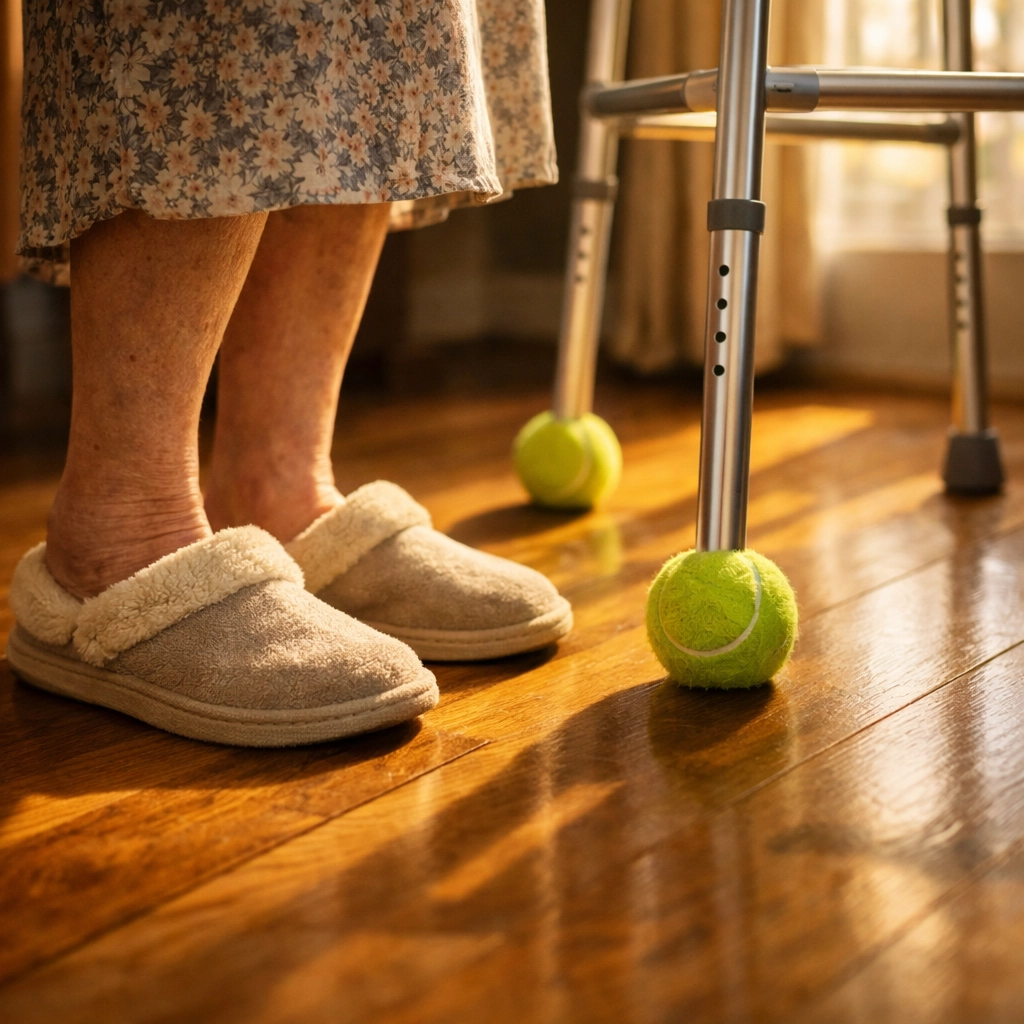
- Kept in good repair with stable tips
A physical or occupational therapist can ensure proper fit and teach correct usage techniques.
The Challenge of Compliance
Here's a tough reality: many people with dementia forget to use their assistive devices or don't understand why they need them. Strategies that help include:
- Keeping devices within easy reach
- Using simple verbal cues ("Get your walker first")
- Gentle physical guidance to the device
- Accepting that supervision may be necessary
Don't expect perfect compliance: focus on harm reduction rather than perfection.
Supervision and Alert Systems
As dementia progresses, supervision becomes increasingly important.
Strategic Monitoring
You can't watch someone 24/7, but you can make monitoring easier:
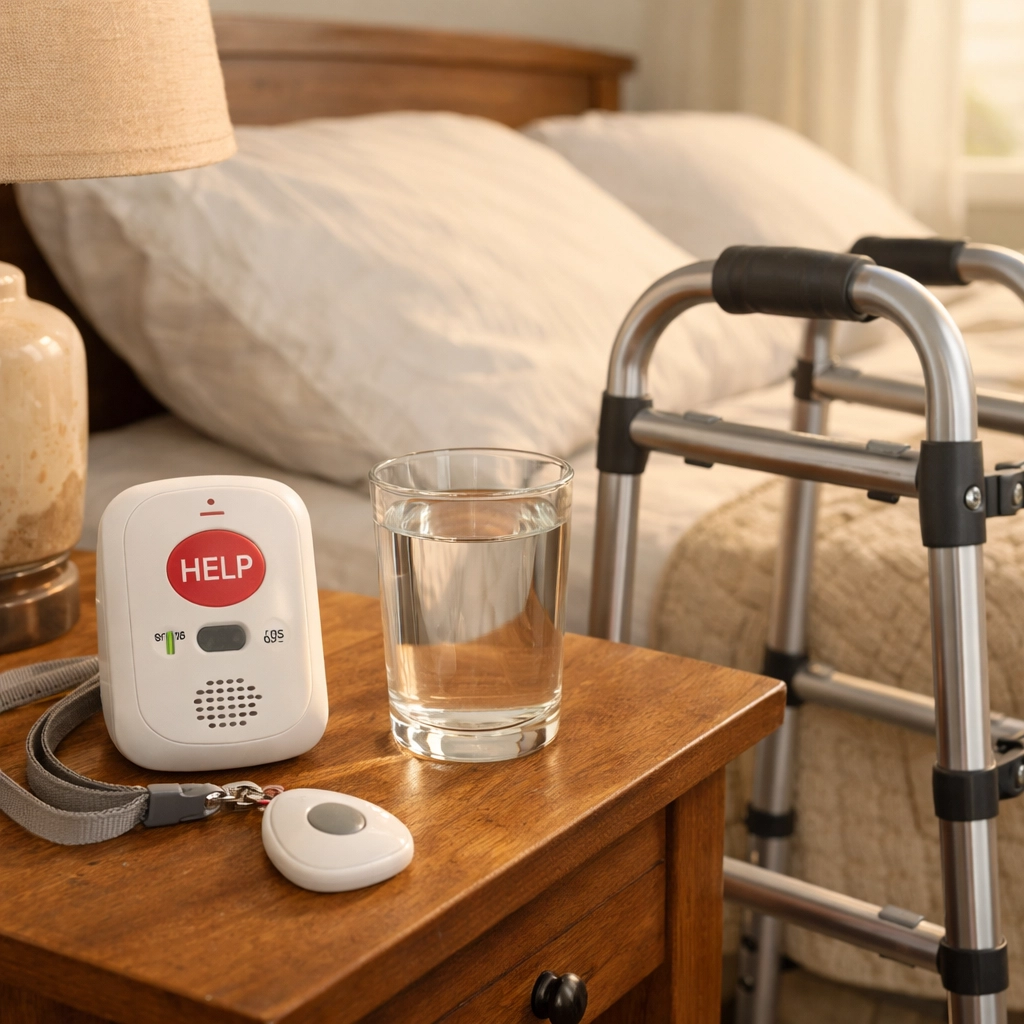
- Personal fall alarms that alert caregivers when activated
- Motion sensors that notify you when someone gets out of bed
- Baby monitors for audio awareness
- Door alarms that signal wandering attempts
These tools don't prevent falls directly, but they ensure quick response when falls occur.
Building a Support Network
Share caregiving responsibilities when possible. Multiple family members, professional caregivers, or adult day programs provide the supervision needed while preventing caregiver burnout.
After a Fall: What to Do
Despite your best efforts, falls may still happen. Having a plan reduces panic and ensures proper response.
First, assess for injuries before moving the person. Call for medical help if there's any pain, inability to move, or loss of consciousness. If the person seems uninjured, help them get up slowly and carefully, or wait for emergency services if you're uncertain.
Every fall should be reported to the person's doctor. Falls often signal disease progression or new medical issues that need attention. A recent fall significantly increases the risk of future falls, making professional assessment crucial.
Putting It All Together
Fall prevention for dementia patients isn't about finding one magic solution: it's about creating multiple layers of protection. Environmental modifications reduce hazards. Regular exercise maintains physical capability. Consistent routines provide cognitive structure. Medical management addresses underlying risks. Supervision fills the gaps.
Start with the changes that feel most manageable. Maybe that's removing tripping hazards today and installing grab bars next week. Small steps forward are still forward movement.
Remember, you're not just preventing falls: you're preserving independence, maintaining dignity, and supporting quality of life for someone you love. That's worth the effort.

