
Hi there, I’m Brian Kerr, the founder of Fall Guys Products. If you’re reading this, you’re likely looking for ways to make your home: or the home of someone you love: a bit safer. Whether you’ve had a "close call" recently or you’re just thinking ahead, I want to start by saying: you’re doing the right thing.
A lot of people think about fall prevention as a series of restrictions. They worry it means losing their style, their freedom, or their dignity. But at Fall Guys Products, we see it differently. Fall prevention isn't about what you can't do; it’s about ensuring you can keep doing exactly what you love for as long as possible. It’s about mastering independence.
In this guide, we’re going to walk through the basics of creating a fall-safe environment. We’ll cover everything from simple lighting tweaks to the psychology of using mobility aids. Think of this as your roadmap to a more confident, worry-free life at home.
Understanding the "Why" Without the Fear
It’s a well-known fact that as we age, our bodies change. Our balance might not be what it once was, our vision might dim slightly, and our reaction times can slow down. In the medical world, they call these "intrinsic factors." When you combine those with "extrinsic factors": like a loose rug or a dark hallway: the risk of a fall goes up.
However, the goal isn't to live in a bubble. The goal is to identify these risks and manage them. When we talk about fall prevention, we aren't just talking about avoiding an injury; we’re talking about preserving your quality of life. A home that is easy to navigate is a home that stays comfortable and welcoming for years to come.
The Foundation: Lighting the Way
One of the most effective, yet often overlooked, ways to prevent falls is simply to improve the lighting in your home. As we get older, we need more light to see clearly. Shadows can hide tripping hazards, and sudden changes in light levels can cause momentary disorientation.
Brighten the Transitions
Ensure that all entryways, hallways, and staircases are well-lit. If you have a long hallway, consider installing light switches at both ends so you never have to walk into a dark space to reach a switch.
The Magic of Motion Sensors
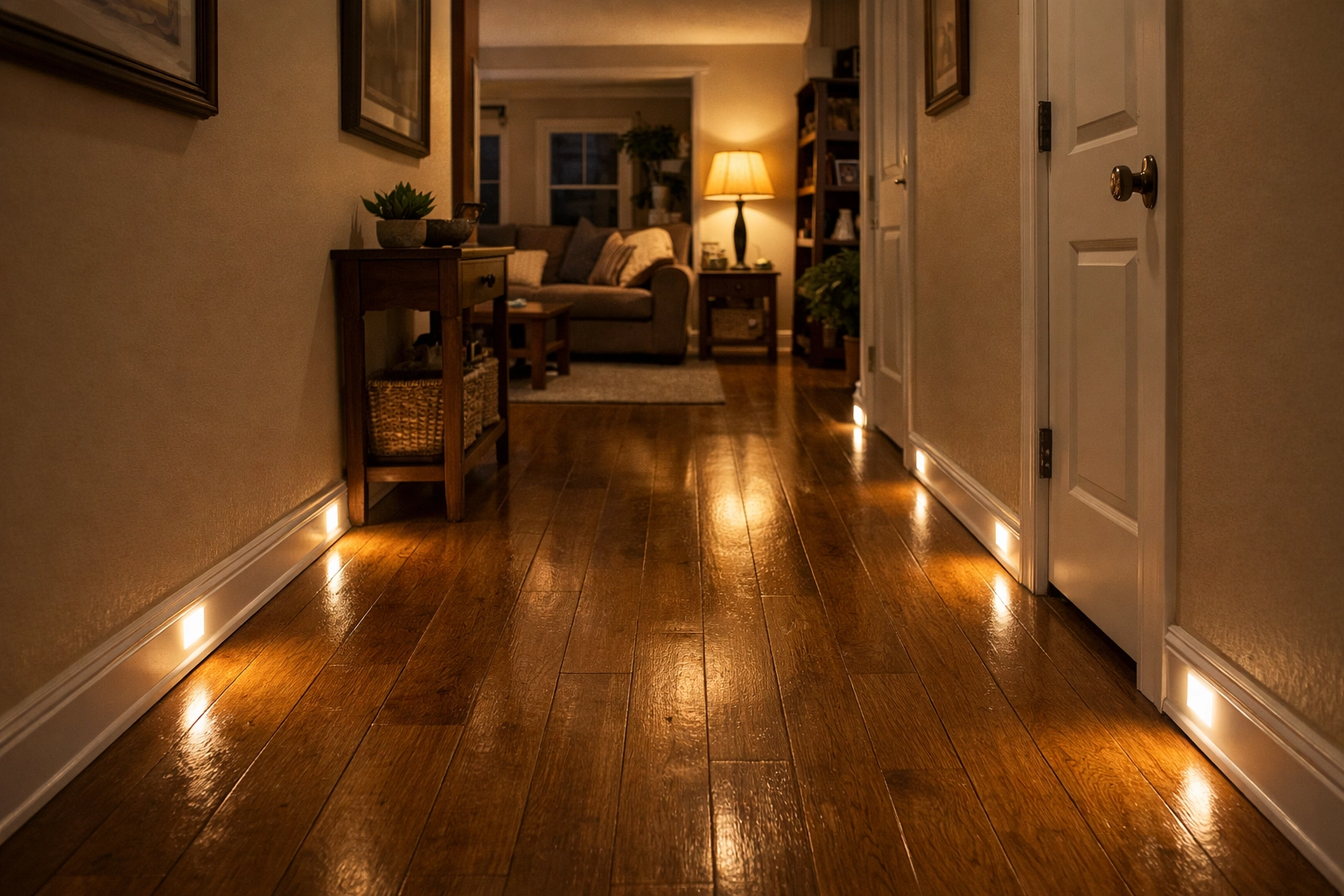
We’re big fans of motion-activated lighting. You can find inexpensive, battery-operated LED lights that stick to walls or plug into outlets. These are perfect for the path between the bedroom and the bathroom at night. When you swing your feet out of bed, the light gently illuminates the floor, guiding your way without you having to fumble for a lamp.
Night Lights Are Not Just for Kids
A simple night light in the bathroom and kitchen can make a world of difference. It provides enough ambient light to help you orient yourself without the jarring glare of a bright overhead light that might disrupt your sleep cycle.
Clearing the Path: Removing the Obstacles
Your home should have clear "traffic lanes." Think about the paths you take most often: from the bed to the bathroom, the couch to the kitchen, and the front door to the living room.
The "Rug" Talk
I know, I know. That Persian rug in the living room has been there for thirty years and it's beautiful. But loose rugs and "throw rugs" are some of the biggest culprits when it comes to tripping. If you aren't ready to part with them, make sure they are secured to the floor with double-sided rug tape or high-quality non-slip backing. Better yet, consider removing them entirely in high-traffic areas.
Managing Clutter
It’s easy for things to pile up. Shoes by the door, stacks of magazines on the floor, or dog toys scattered across the rug. Make it a habit to clear these paths every evening. If you have low-profile furniture, like coffee tables with thin legs that stick out, consider moving them or replacing them with something more visible and sturdy.
Cord Control
In our digital age, cords are everywhere. Extension cords, phone chargers, and lamp wires can easily catch a toe. Use cord organizers or simple plastic ties to keep wires tucked away against the baseboards and out of the walking path.
The Bathroom: Your Safety Priority Number One
Statistically, the bathroom is the most dangerous room in the house. It’s a place where we are often dealing with wet surfaces, low light, and the physical transitions of sitting and standing.
Grab Bars: The Ultimate Anchor
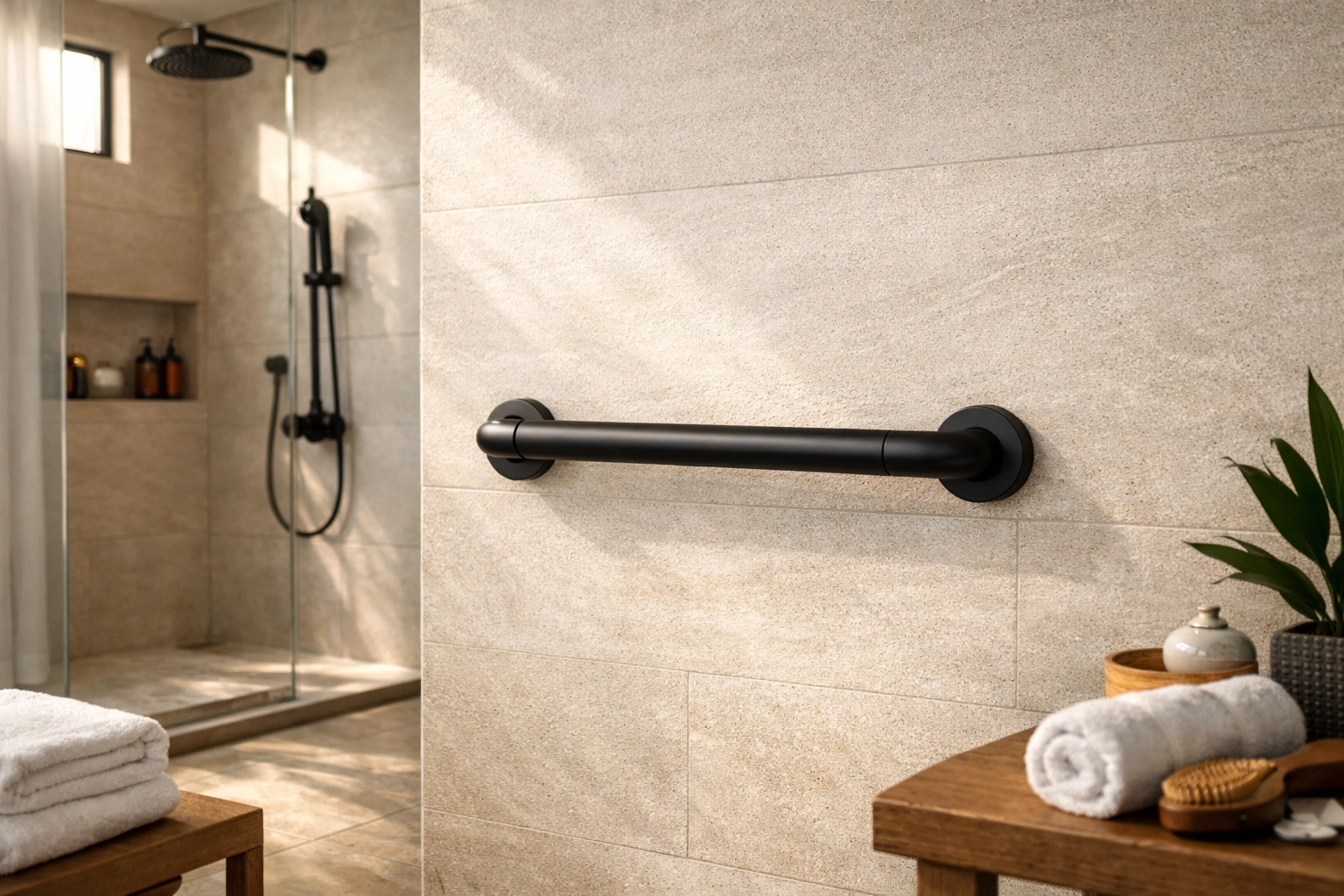
Forget about using the towel rack for support. Towel racks are designed to hold the weight of a piece of fabric, not a human being. Professionally installed grab bars are essential. You want them near the toilet to assist with sitting and standing, and inside the shower or bathtub. Modern grab bars come in many finishes: brushed nickel, matte black, or classic chrome: so they don't have to look "medical."
Non-Slip Surfaces
The bottom of your tub or shower should have a non-slip texture. If yours is smooth, add a high-quality rubber mat or non-slip adhesive strips. Outside the tub, use a bath mat with a solid rubber backing that won't slide when you step onto it.
Raising the Bar
A raised toilet seat can significantly reduce the strain on your knees and hips. It makes the transition from sitting to standing much easier and more controlled, which is key to maintaining balance.
Footwear: The Tires of the Human Body
Think of your shoes like the tires on a car. If the tread is worn out or they don't fit right, you’re going to have a hard time staying on the road.
Skip the Slippers
Loose-fitting slippers or "scuffs" might feel cozy, but they offer very little support. Even worse, they can easily slide off your foot mid-stride. Opt for a sturdy house shoe with a closed heel and a rubber sole that provides good grip.
The Danger of Socks
Walking in socks on hardwood or tile floors is like walking on ice. If you prefer not to wear shoes inside, invest in high-quality grip socks that have rubberized treads on the bottom.
Fit Matters
Ensure your shoes are properly sized. Feet can change shape over time, and shoes that are too big can cause you to stumble, while shoes that are too tight can cause pain that alters your natural gait.
Strength and Balance: The Internal Toolkit
While modifying your environment is crucial, working on your physical self is just as important. You don't need to be a marathon runner to improve your stability.
Simple Exercises
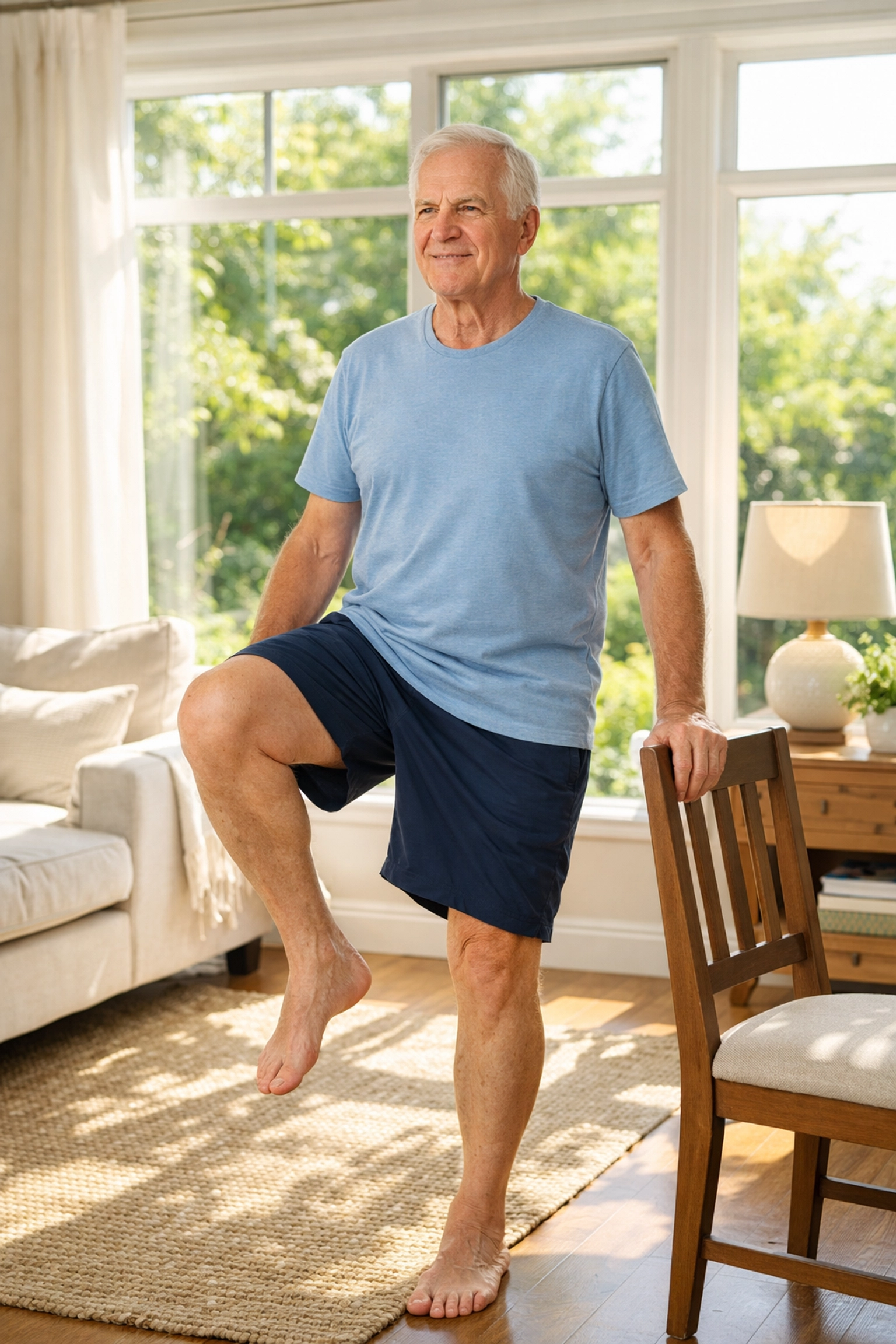
Activities like walking, Tai Chi, or even seated leg lifts can strengthen the muscles that keep you upright. Balance is a skill that can be practiced. Try standing on one leg while holding onto a sturdy kitchen counter for 30 seconds a day.
Consult the Pros
Talk to your doctor or a physical therapist. They can provide a personalized exercise plan that targets your specific needs. Sometimes, a fall risk is related to something as simple as a vitamin D deficiency or a side effect of a medication. Regular check-ups are a vital part of fall prevention.
Embracing Mobility Aids
There is often a stigma attached to using a cane or a walker. Many people see it as a sign of "giving up." I want to challenge that perspective.
A mobility aid is a tool, much like a pair of glasses or a hearing aid. If you can’t see clearly, you wear glasses so you can continue to read and drive. If your balance is unsteady, a cane or walker provides the support you need to keep going to the grocery store, visiting your grandkids, and walking through the park.
Choosing the Right Tool
Not all mobility aids are created equal. A cane might be enough for someone who needs a little extra stability, while a rollator (a walker with wheels and a seat) is better for someone who needs to take frequent breaks. The key is to have the device properly fitted to your height so you aren't leaning too far forward or straining your wrists.
The Role of Technology
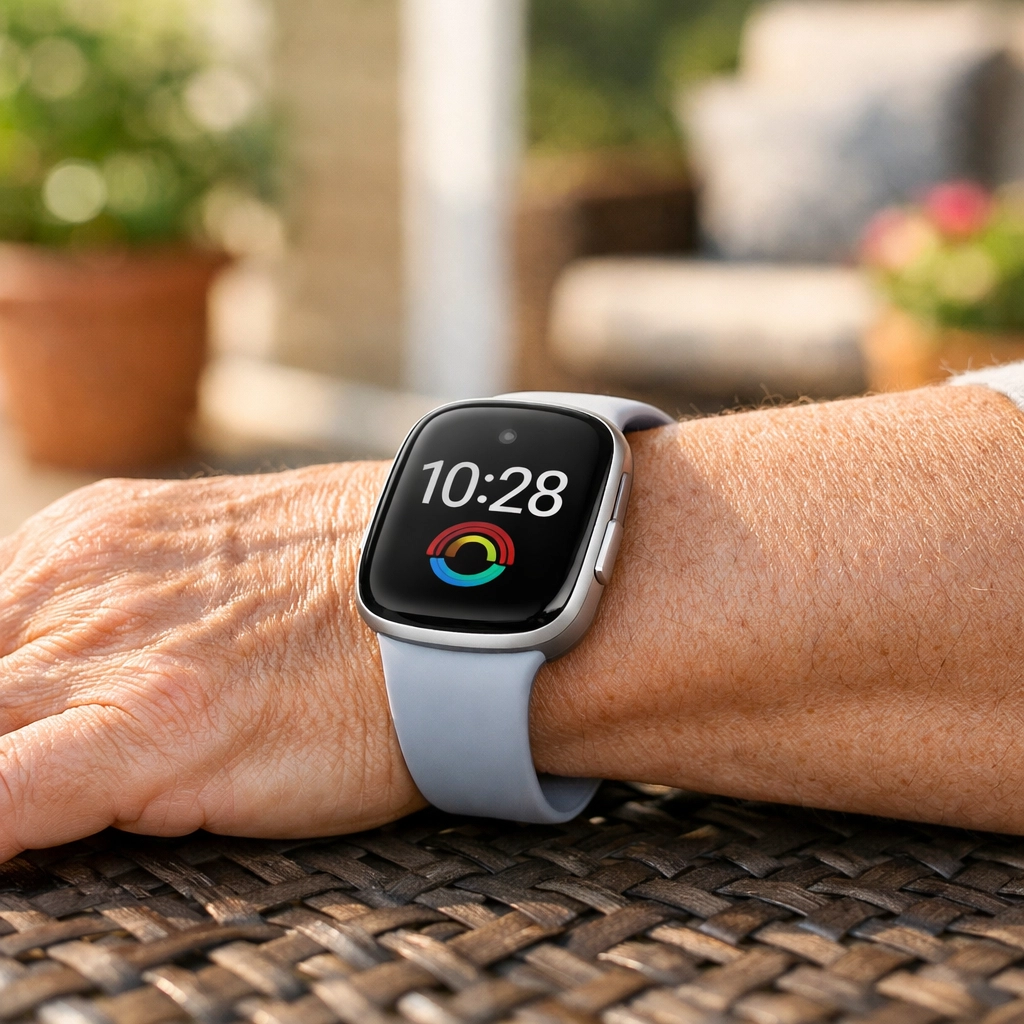
In 2026, we have more tools than ever to help us stay safe. Medical alert systems have evolved far beyond the "I've fallen and I can't get up" buttons of the past. Many smartwatches now have built-in fall detection that can automatically call for help if they sense a sudden impact.
Smart home systems can also be programmed to turn on lights when they detect motion or to allow you to lock doors and adjust the thermostat via voice command, reducing the need to get up and walk across the room if you’re feeling tired.
Daily Habits for a Safer Life
Finally, let’s talk about how you move through your day. Small changes in habits can lead to big improvements in safety.
- Take Your Time: Many falls happen when we’re in a rush: running to answer the phone or the doorbell. Let it ring. Your safety is more important than a phone call.
- The "Sit and Stand" Rule: When getting out of bed or a chair, sit on the edge for a moment before standing up. This allows your blood pressure to stabilize and prevents that "head rush" feeling that can lead to a fall.
- Keep It Within Reach: Store the items you use most: your favorite coffee mug, your medications, the TV remote: at waist level. Avoid using step stools or reaching for high shelves whenever possible.
- Pet Awareness: We love our pets, but they are notorious for being underfoot. Be mindful of where they are before you start walking, and consider putting a bell on their collar so you can hear them coming.
A Reassuring Step Forward
Creating a fall-safe home doesn't happen overnight. It’s a process. Start with the "low-hanging fruit": change a few lightbulbs, secure a loose rug, and talk to your doctor about your balance.
At Fall Guys Products, our mission is to provide you with the knowledge and the tools to feel secure in your own space. We believe that aging is a privilege, and your home should be the place where you feel most empowered.
By taking these steps today, you aren't just preventing a fall; you’re investing in your future independence. You’ve got this, and we’re here to help you every step of the way. Stay safe, stay confident, and keep moving forward.

