
Hi there, I’m Brian Kerr, the founder of Fall Guys Products. If you’re reading this, you’re likely looking for ways to make your home: or the home of someone you love: a bit safer. First, I want to tell you that you’re doing the right thing. Often, we don't think about home safety until after a close call or a minor stumble. But the best time to think about fall prevention is right now, while things are calm.
Home should be a place of comfort and sanctuary, not a place where you have to navigate an obstacle course just to get a glass of water. When we talk about "fall prevention," it can sometimes sound a bit clinical or even a little scary. My goal today is to strip away that clinical feel and give you a straightforward, reassuring guide on how to master home safety.
This isn't about turning your house into a hospital; it’s about making smart, simple adjustments that help you maintain your independence and peace of mind for years to come.
Why a Proactive Approach Matters
Before we dive into the "how," let’s talk briefly about the "why." As we age, our bodies naturally change. Our reflexes might slow down slightly, our vision might shift, and our balance might not be quite what it was in our thirties. These are natural parts of life.
However, our homes don't always change with us. We still have that deep-pile rug we’ve loved for twenty years, or that dim lightbulb in the hallway that we’ve "meant to change" for months. Fall prevention is simply the process of aligning our environment with our current physical needs. It’s an act of self-care and respect for our own autonomy.
Phase 1: The Walkthrough
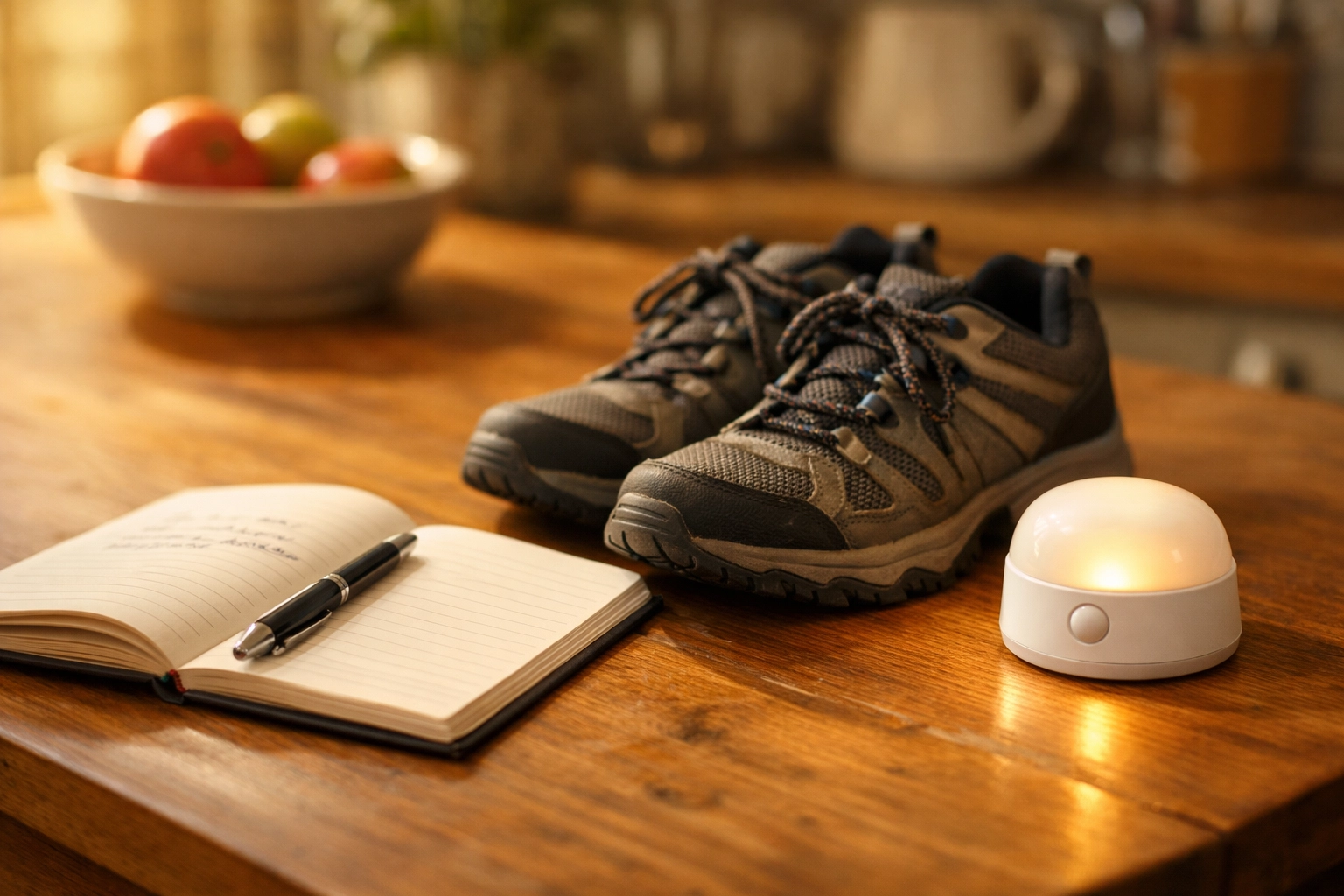
The best way to start is with a "safety walk." Grab a notebook and a pen. Walk through your front door and move through every room exactly as you would on a normal day. Imagine you’re seeing the space for the first time. Look for things that could catch a toe, cause a slip, or force you to overreach.
The Living Room and Hallways
These are high-traffic areas where most of our daily life happens. They are also, unfortunately, the places where clutter tends to accumulate.
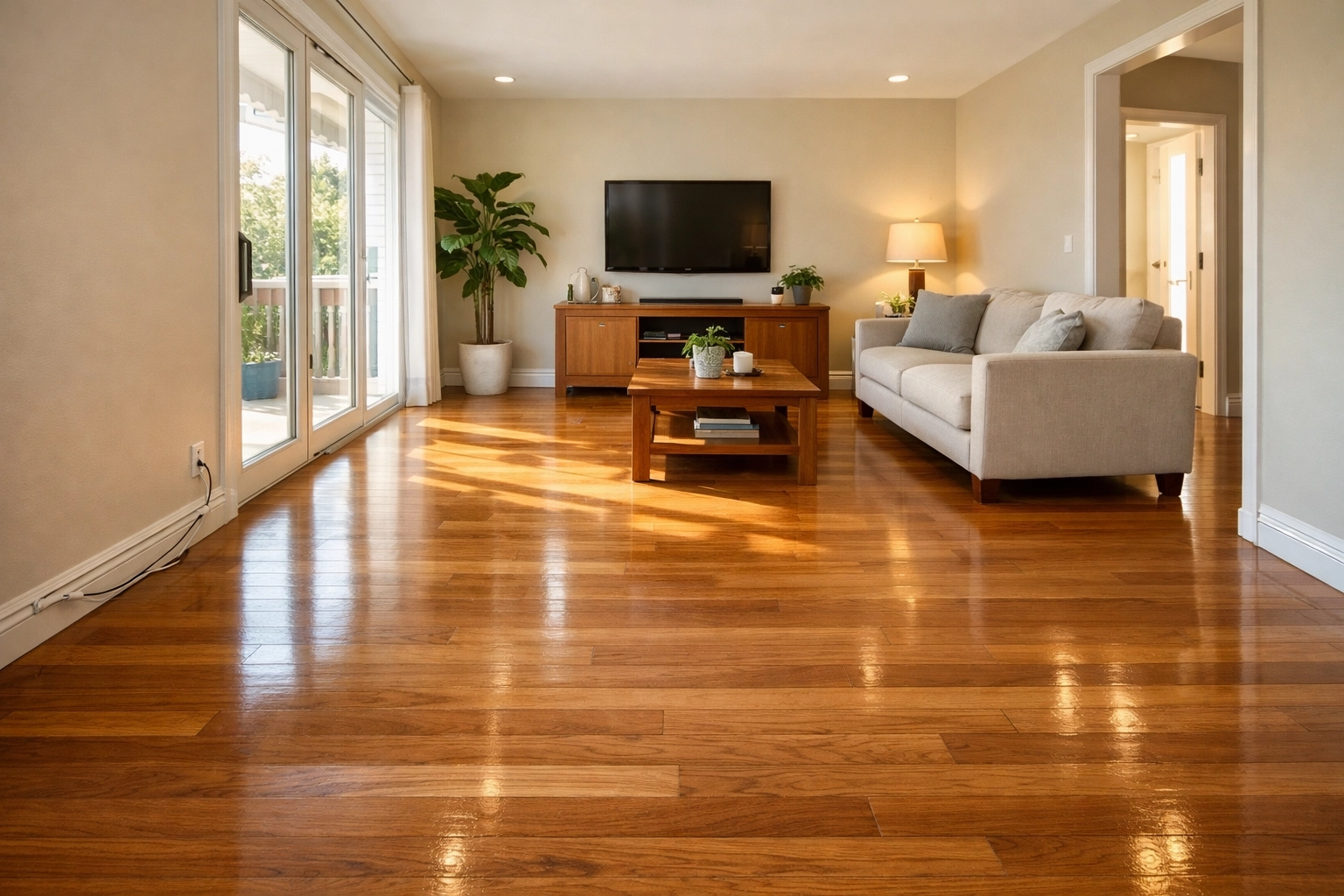
- The Throw Rug Trap: I’ll be honest with you: throw rugs are one of the biggest hazards in any home. If you can live without them, it’s best to remove them entirely. If you truly love them, ensure they are secured with high-quality, double-sided rug tape or a non-slip rubber backing. If the edges are curled or frayed, it’s time to let them go.
- Clear the Path: Walkways should be at least 30 to 36 inches wide. Look for low coffee tables, plant stands, or baskets that sit in the natural flow of traffic.
- Cord Management: We live in a digital age, which means we have chargers and lamps everywhere. Ensure that electrical cords are coiled tightly and secured against the wall. Never run a cord under a rug or across a walking path.
Phase 2: Lighting the Way
One of the most effective tools in your fall-prevention toolkit is something you use every day: light. As we get older, our eyes require more light to see clearly and to judge distances or changes in floor levels.
- Upgrade Your Bulbs: If you’re still using 60-watt bulbs in your hallways or work areas, consider switching to 100-watt equivalent LED bulbs. They provide a much brighter, crisper light that makes it easier to spot hazards.
- The "Two-Way" Rule: Every staircase and long hallway should have a light switch at both ends. You should never have to walk through the dark to turn on a light.
- Night Lights are Essential: Place motion-activated night lights in the bedroom, the hallway leading to the bathroom, and the bathroom itself. This prevents that disoriented feeling when you wake up in the middle of the night.
- Glow-in-the-Dark Tape: For steps or changes in floor height, a small strip of reflective or glow-in-the-dark tape on the edge of the step can provide a vital visual cue.
Phase 3: The Kitchen – Reorganizing for Reach
The kitchen is the heart of the home, but it often requires us to reach high or bend low: two movements that can easily throw off our balance.
- The Waist-High Rule: Identify the items you use every single day: your favorite skillet, the coffee maker, the plates you use for lunch. Move these items to counters or shelves that sit between your waist and shoulder height.
- Ditch the Step Stool: If an item is high enough that you need a stool to reach it, it might be time to store that item elsewhere or ask for help moving it down. Using a stool, especially one without a handle, is a high-risk activity.
- Spill Response: Keep a roll of paper towels or a dedicated mop in a visible, easy-to-reach spot. If you drop an ice cube or spill some water, clean it up immediately. Polished kitchen floors become incredibly slick with even a tiny amount of moisture.
Phase 4: The Bathroom – High Risk, High Reward
Statistically, the bathroom is where the majority of home falls occur. Between the hard surfaces and the presence of water, it’s a room that deserves extra attention.
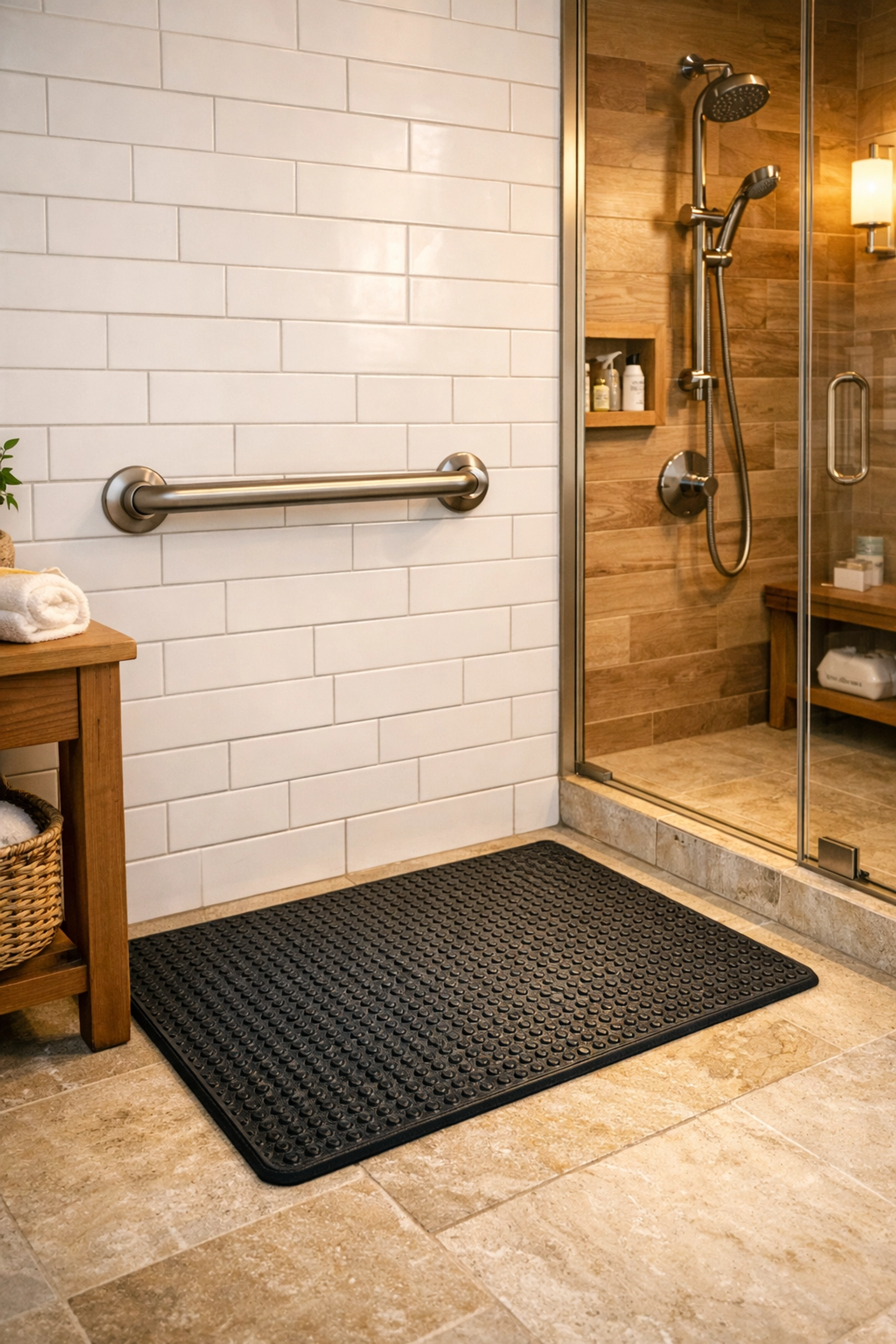
- Grab Bars are Not Just for "Old People": I want to challenge the stigma around grab bars. They are incredibly practical tools for everyone. Install them near the toilet to assist with sitting and standing, and both inside and outside the shower or tub. Ensure they are professionally anchored into the wall studs: towel racks are not designed to hold your weight and will pull out of the drywall if you lean on them.
- Non-Slip Surfaces: Use high-traction rubber mats inside the tub or shower. On the floor outside the tub, use a rug with a heavy rubber backing that won't slide when you step onto it with wet feet.
- Shower Seating: If you ever feel fatigued or dizzy while standing in the shower, consider a sturdy shower chair or bench. It allows you to take your time and wash safely without the risk of losing your balance.
Phase 5: The Human Factor – Staying Strong
While we spend a lot of time talking about the house, we also need to talk about the person living in it. Your physical health is your most important asset in preventing falls.
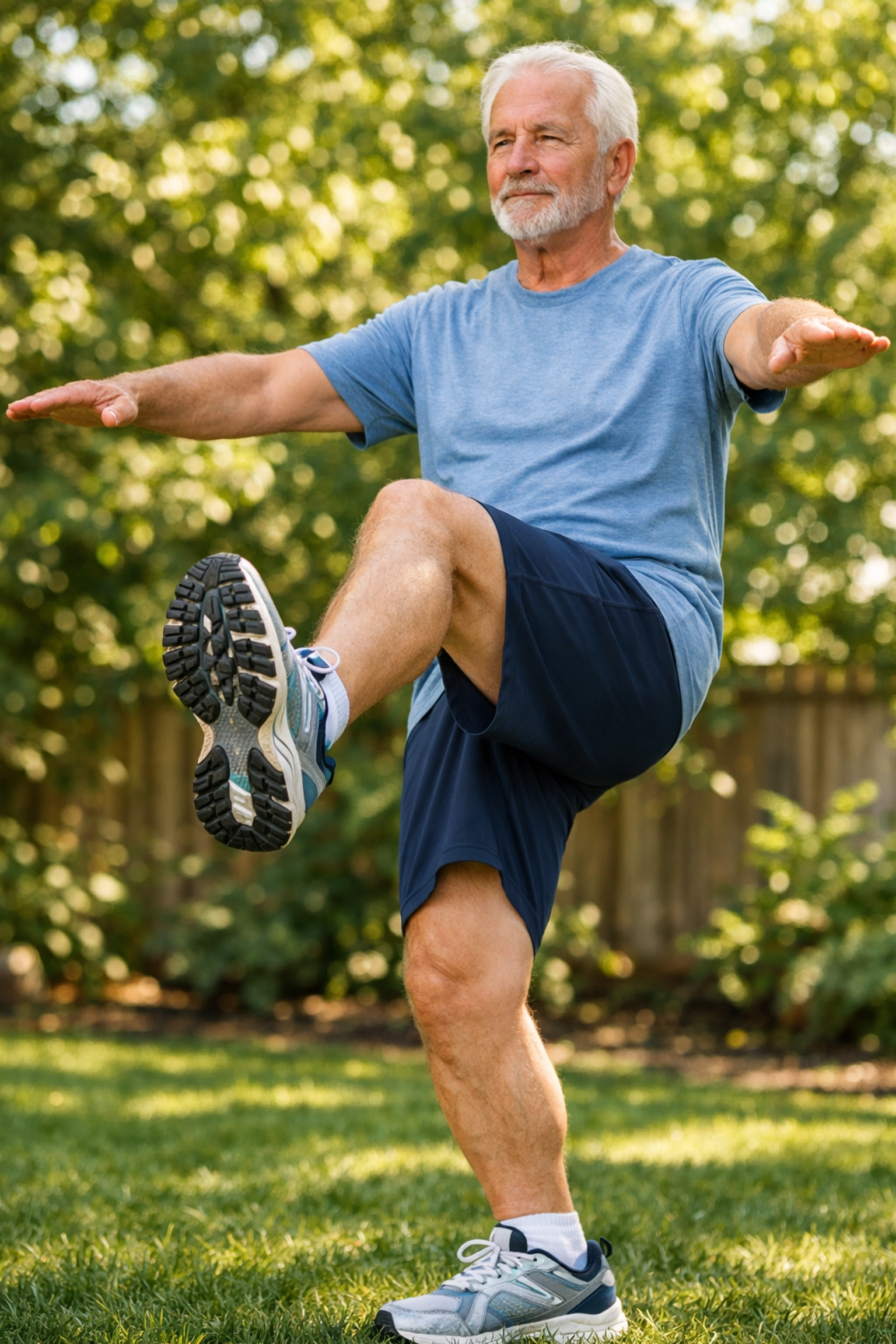
- Keep Moving: Physical activity is the "secret sauce" of fall prevention. You don’t need to run marathons. Simple activities like walking, gentle strength training, or Tai Chi can significantly improve your balance and leg strength. Think of your muscles as the suspension system on a car: the stronger they are, the better they can handle bumps in the road.
- Footwear Matters: Inside the house, it’s tempting to walk around in socks or loose slippers. However, socks on wood or tile floors are essentially skis. Wear supportive, well-fitting shoes with non-slip soles, even indoors.
- Review Your Medications: Some medications, or combinations of medications, can cause side effects like dizziness or drowsiness. Once a year, sit down with your doctor or pharmacist and review everything you’re taking. They can help you identify if any of your prescriptions might be affecting your stability.
- Vision and Hearing: Your ears and eyes are your primary balance sensors. If your vision is blurry or your inner ear is affected by a hearing issue, your brain isn't getting the information it needs to keep you upright. Regular check-ups are a vital part of safety.
Phase 6: Creating an Emergency Plan
Even with the best preparation, accidents can happen. Being prepared for a fall is just as important as trying to prevent one.
- The "Phone in Pocket" Rule: Try to get into the habit of keeping a mobile phone or a cordless phone in your pocket as you move through the house. If you do happen to fall and can't get up, having a way to call for help immediately is a lifesaver.
- Medical Alert Systems: If you live alone, consider a wearable medical alert button. Many modern versions are stylish and discreet, and they provide an instant connection to help at the push of a button.
- Practice Getting Up: Talk to a physical therapist about the safest way to get up from the floor. Knowing the technique: crawling to a sturdy piece of furniture and using your arms to help lift: can reduce panic if a fall occurs.
A 7-Day Action Plan for Beginners
Tackling a whole house can feel overwhelming. Don't try to do it all in one afternoon. Instead, follow this simple 7-day plan to get started:
- Day 1: Conduct your "Safety Walkthrough" with your notebook.
- Day 2: Remove all unsecured throw rugs and clear walkway clutter.
- Day 3: Replace dim lightbulbs and add night lights to the hallways and bathrooms.
- Day 4: Reorganize your most-used kitchen and bathroom items to waist-height.
- Day 5: Schedule an eye exam and a medication review with your doctor.
- Day 6: Inspect your footwear. Toss out worn-out slippers and buy a pair of supportive indoor shoes.
- Day 7: Research grab bar installation for your bathroom.
Final Thoughts
Fall prevention isn't about restriction; it’s about expansion. By making these changes, you’re expanding your ability to live confidently in your own space. You’re removing the "what-ifs" that can sometimes hold us back from enjoying our homes.
At Fall Guys Products, we believe that every senior deserves to feel secure. Whether you start by moving a rug or by installing a grab bar, every single step you take makes a difference. Take it slow, stay consistent, and remember that home safety is a journey, not a destination.
Stay safe and stay active. We’re here with you every step of the way.

