
The kitchen is often called the heart of the home, but it's also one of the most common places for falls and accidents to occur. Between moving from the refrigerator to the sink, carrying hot pots to the counter, and reaching for items in cabinets, there are countless opportunities for trips and stumbles. The good news? A thoughtfully designed kitchen layout can dramatically reduce these risks while making cooking and cleanup easier and more enjoyable.
A no-trip kitchen layout isn't about sacrificing style or functionality. It's about working smarter, not harder. By minimizing unnecessary movement and creating intuitive pathways between key areas, you can make your kitchen safer and more efficient: whether you're cooking for one or hosting family gatherings.
Why Kitchen Layout Matters for Safety
Most people don't think much about their kitchen layout until mobility becomes a concern. But the way your kitchen is organized affects every single meal you prepare.
Consider a typical cooking scenario: You open the refrigerator, grab ingredients, walk to the counter to chop them, carry them to the stove, return to the refrigerator for more items, walk back to the sink to rinse something, and so on. If these stations are far apart or awkwardly positioned, you're taking dozens of extra steps: and each step is a potential opportunity for a fall, especially when carrying heavy or hot items.
A no-trip kitchen reduces these risks by:
- Minimizing the distance between frequently used areas
- Creating clear, unobstructed pathways
- Reducing the need to carry items long distances
- Eliminating awkward turns and pivots
- Providing adequate workspace at each station
The goal is simple: fewer steps mean less fatigue, less risk, and more energy to enjoy cooking.
Understanding the Work Triangle
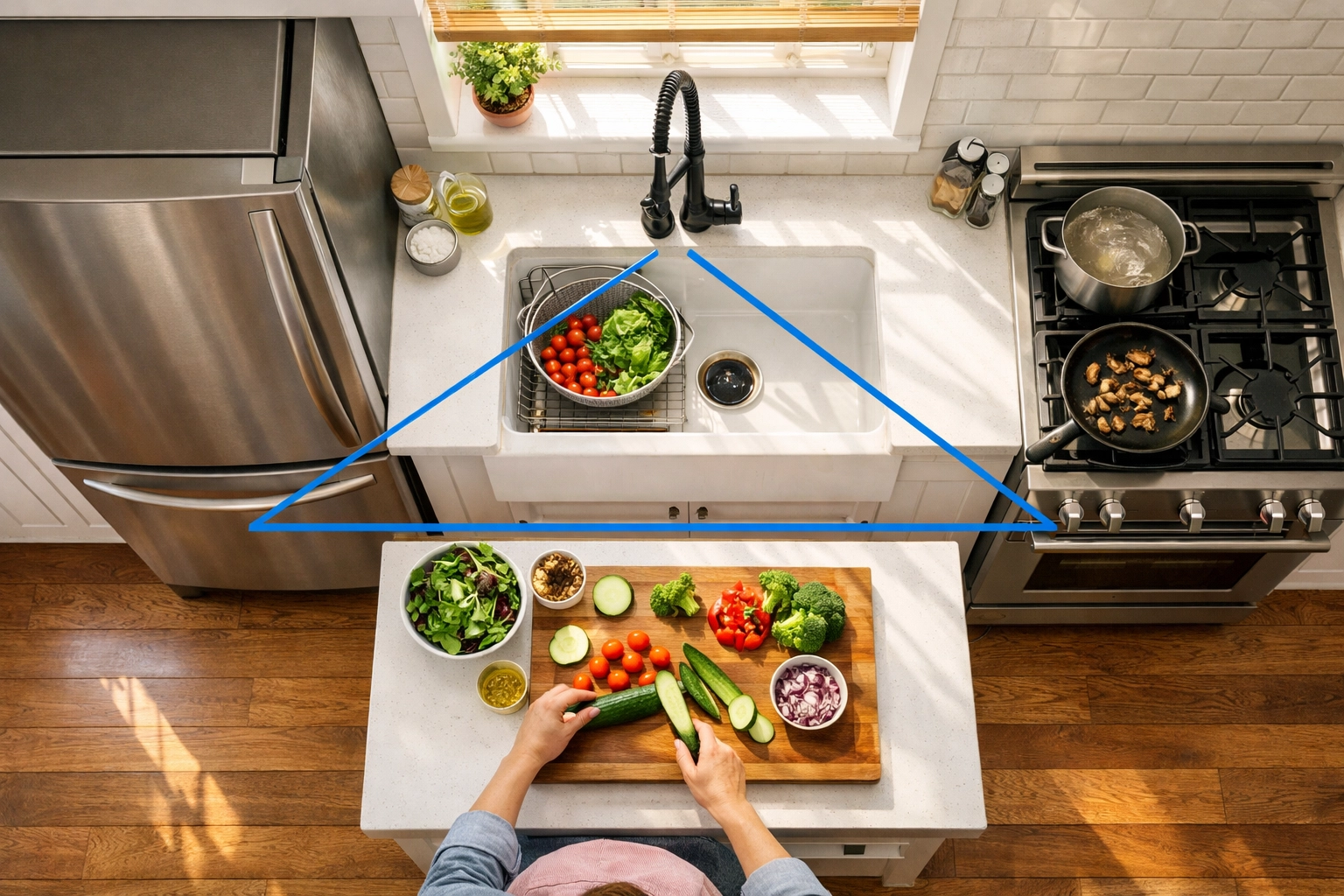
The concept of the kitchen work triangle has been around for decades, and for good reason. This principle positions your three most-used appliances: the sink, refrigerator, and range: in a triangular formation that creates an efficient workflow.
Here's why it works: These three stations represent the core functions of any kitchen. You retrieve food from the refrigerator, prepare it at the sink, and cook it on the range. When these areas are positioned thoughtfully, you can move between them with minimal steps and smooth pivots rather than long walks back and forth.
The ideal work triangle follows these guidelines:
- Each leg of the triangle should be between 4 and 9 feet
- The total distance of all three sides shouldn't exceed 26 feet
- No major traffic paths should cut through the triangle
- Each station should have adequate counter space nearby
Think of it this way: you want to be able to take one step and pivot rather than walking multiple steps to get from one station to another. This natural flow reduces both time and physical effort.
Strategic Appliance Placement
Once you understand the work triangle concept, the next step is thinking about where each appliance should go based on your kitchen's shape and your personal cooking habits.
The refrigerator works best at one endpoint of your layout. This placement makes sense because it's often the first stop when you start cooking. Position it so the door opens away from your primary work area, giving you easy access without blocking your path.
The sink typically sits between the refrigerator and range, serving as your central prep station. This location is ideal because you'll constantly move between washing ingredients and cooking them. Plus, plumbing constraints often make the sink the least flexible element in your kitchen.
The range or cooktop should be positioned so you can easily move hot items from the stove to nearby counter space. Never place it directly beside a doorway or high-traffic area where someone might accidentally bump into you while you're carrying a hot pot.
The dishwasher belongs next to the sink for obvious reasons: you'll be loading dishes directly from the sink, and the shared plumbing makes installation easier. Place it on the side of the sink that doesn't interfere with your main prep area.
Creating Functional Work Zones
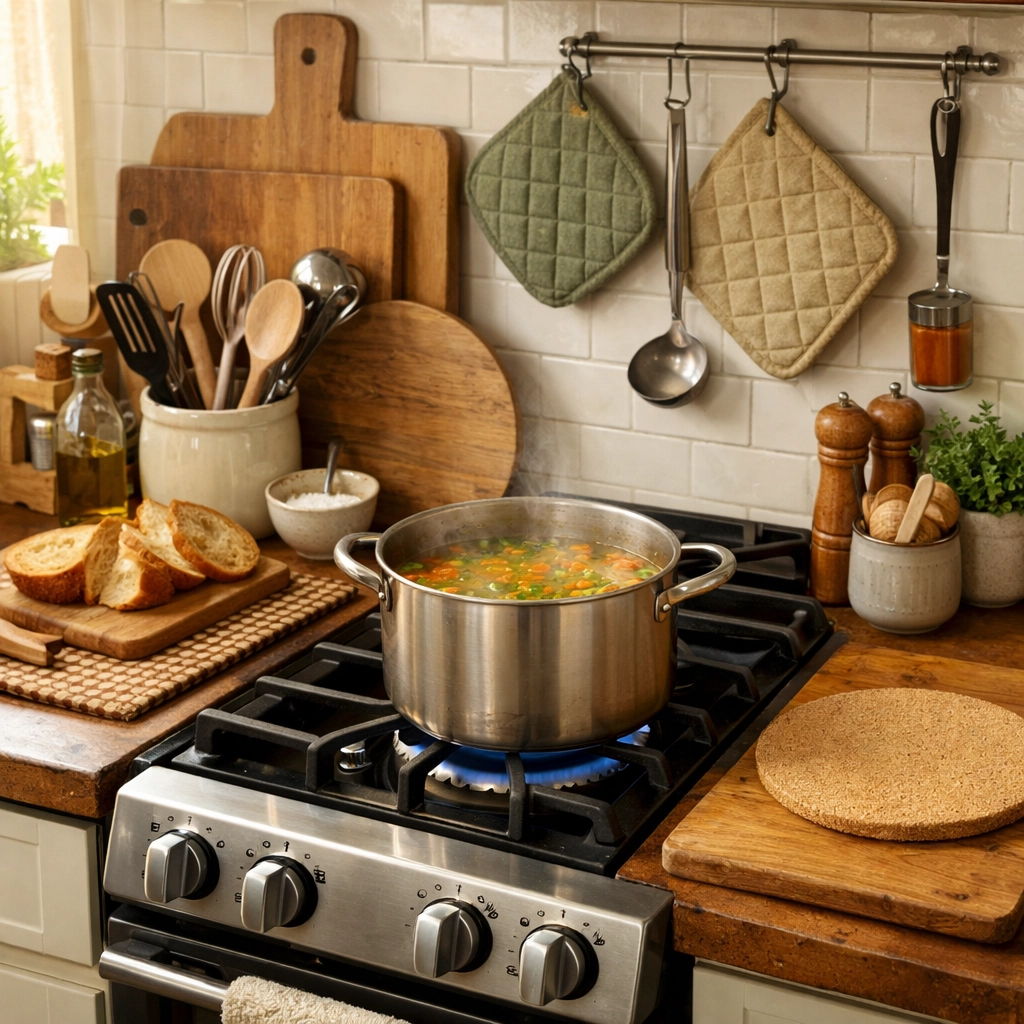
Beyond the basic work triangle, organizing your kitchen into distinct zones makes everything more efficient and safer.
Prep zone: This area should include your sink, cutting boards, and mixing bowls. Keep knives, peelers, and other prep tools within arm's reach. Having everything you need in one spot means you won't need to walk back and forth searching for utensils mid-recipe.
Cooking zone: Your range or cooktop should be surrounded by heat-resistant counter space where you can set down hot pots and pans. Store pots, pans, cooking utensils, and pot holders in cabinets or drawers within easy reach. You shouldn't have to walk across the kitchen while holding a hot skillet.
Cleaning zone: Center this area around your sink and dishwasher. Keep dish soap, sponges, and dish towels nearby. Having a dedicated space for dirty dishes prevents them from piling up on other work surfaces.
Storage zone: Your refrigerator and pantry form the heart of this zone. Store frequently used ingredients at easy-to-reach heights. Heavy items should live on lower shelves to avoid the need to lift them from overhead.
The beauty of zones is that they're intuitive. When you're preparing a meal, you naturally move from storage to prep to cooking to cleanup. A well-zoned kitchen supports this flow rather than fighting against it.
Maximizing Counter Space
Counter space is precious real estate in any kitchen, but it's especially important for safety. Adequate workspace means you won't need to juggle items or make multiple trips.
Focus on creating useful counter space in these key areas:
Between the sink and range: This is your primary prep area. You'll use this space constantly: for setting down ingredients, resting spoons and spatulas, and staging dishes before they go to the table. Aim for at least 36 inches of counter space here.
On one or both sides of the range: You need somewhere to set hot pots and pans immediately after taking them off the heat. Even 12 to 18 inches makes a significant difference.
Next to the refrigerator: A landing zone beside the fridge gives you a place to set down groceries or ingredients as you're pulling them out. This prevents the risky habit of carrying multiple items across the kitchen at once.
If your kitchen is short on counter space, consider creative solutions like a rolling cart that can be moved where needed, or a cutting board that fits over the sink to create temporary workspace.
Choosing the Right Kitchen Shape for Your Needs
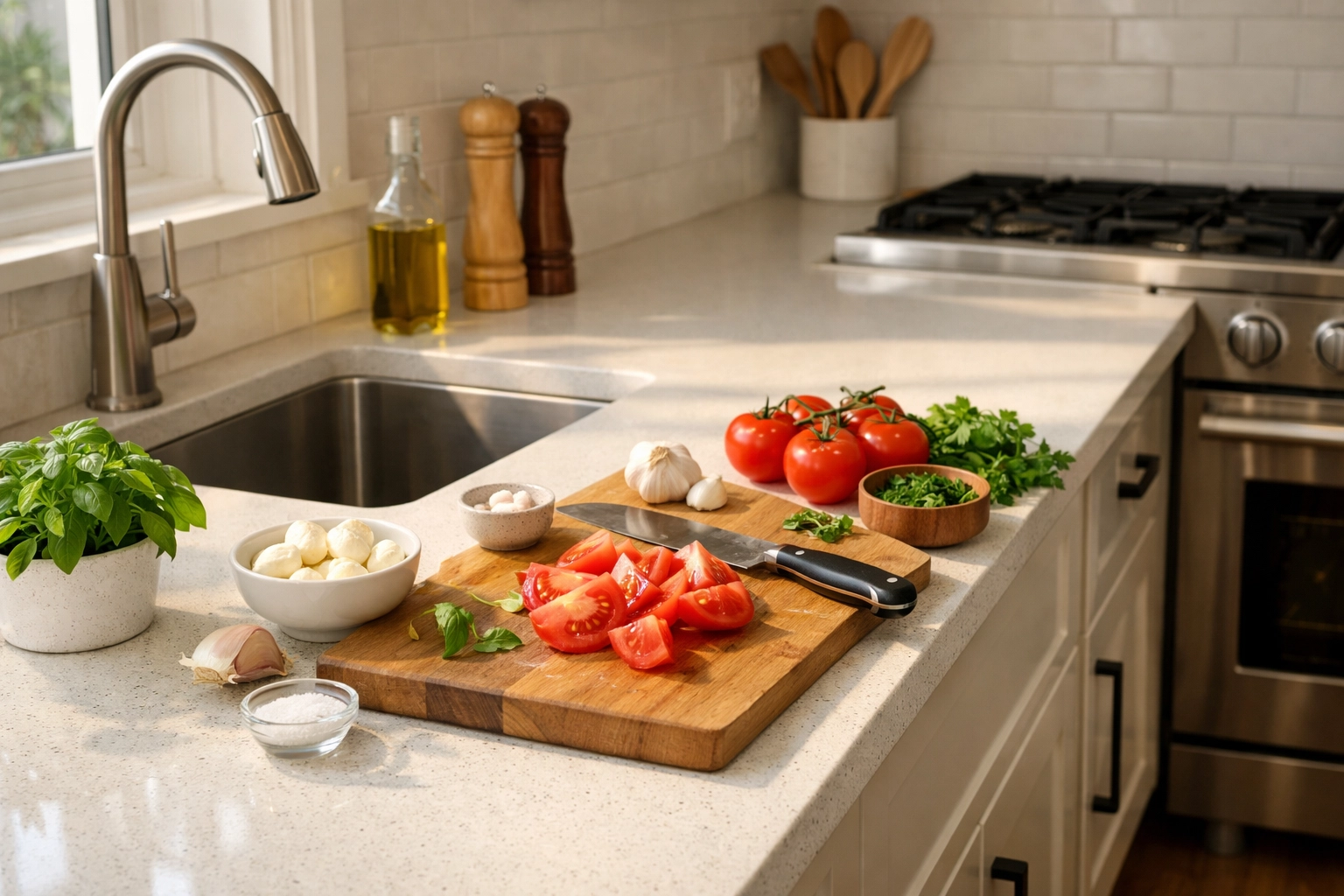
Your kitchen's shape plays a huge role in how efficiently you can move through it. While you might not be able to completely redesign your kitchen, understanding these layouts can help you make the most of what you have.
Galley kitchens feature two parallel counters with a walkway between them. This layout naturally creates an efficient work triangle and keeps everything within a few steps. The key is ensuring the walkway is wide enough: at least 42 inches prevents feeling cramped and provides room to open cabinet doors safely.
L-shaped kitchens work well because they create a natural work triangle in the corner area. The refrigerator typically sits at one end, the range at the other, and the sink in between. This layout also keeps the work area separate from traffic flow, which is ideal if people regularly walk through your kitchen.
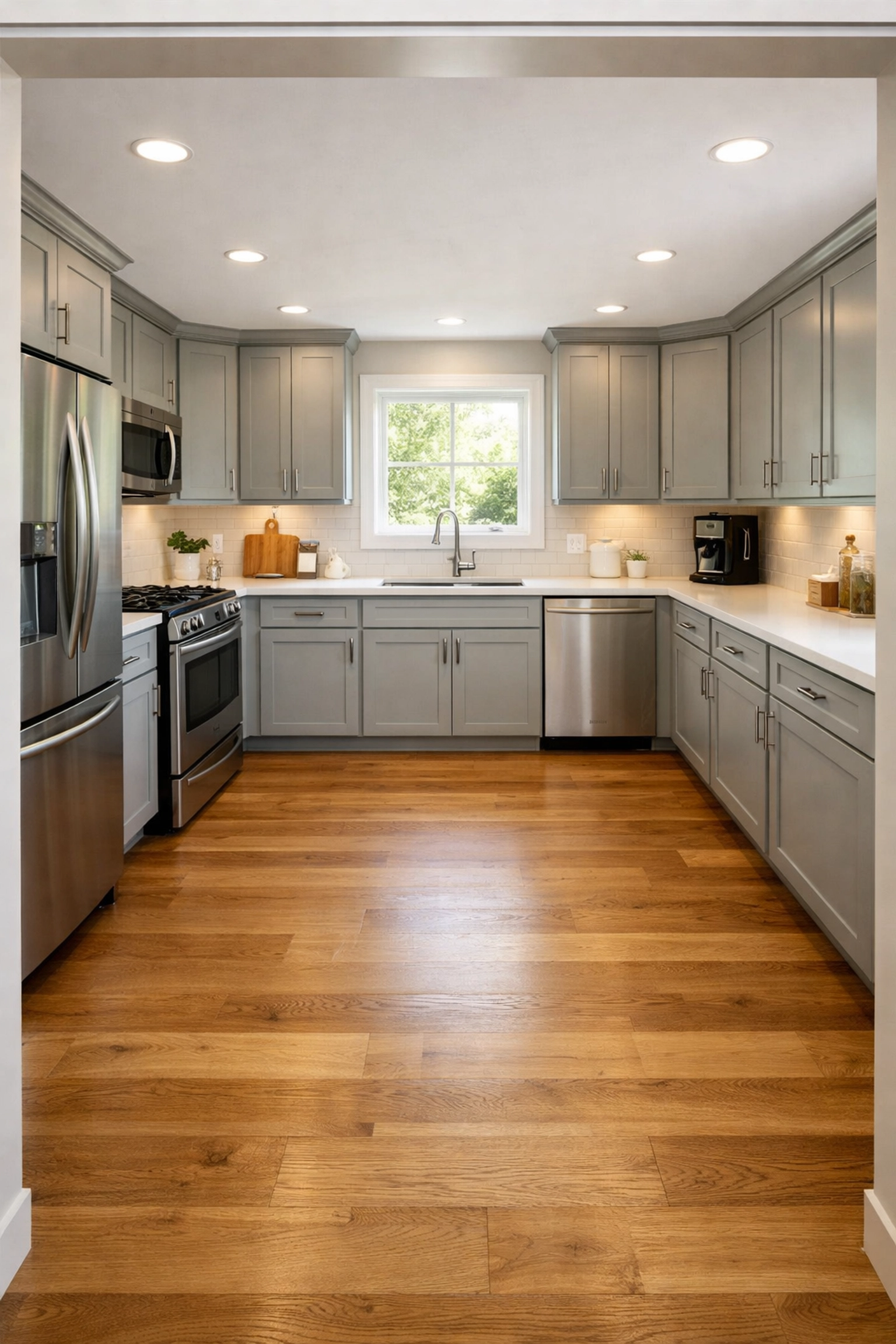
U-shaped kitchens maximize counter and storage space by using three walls. Everything stays within easy reach, and you get plenty of workspace. The potential downside is feeling enclosed, so this layout works best in larger spaces.
Kitchen islands and peninsulas can enhance workflow, but only if they're positioned thoughtfully. They shouldn't interrupt the work triangle or create long detours between key stations. An island works best as additional prep space rather than housing your primary sink or range.
Additional Safety Considerations
A no-trip kitchen layout extends beyond just appliance placement. These details make a meaningful difference in day-to-day safety:
Clear pathways: Main walkways should be at least 36 inches wide, and ideally 42 to 48 inches in high-traffic areas. Remove unnecessary items, rugs, or clutter that might create tripping hazards.
Adequate lighting: Good visibility prevents accidents. Install task lighting under cabinets to illuminate counter surfaces, and ensure the entire kitchen has bright, even overhead lighting.
Accessible storage: Keep frequently used items between hip and shoulder height. You shouldn't need to bend down frequently or reach overhead for everyday dishes and ingredients.
Organized drawers and cabinets: When everything has a designated spot, you won't need to search through multiple cabinets, reducing time spent with cabinet doors open in your path.
Non-slip flooring: Smooth tile and some hardwood floors can be slippery, especially when wet. Consider the texture of your flooring and use non-slip mats in front of the sink if needed.
Making Your Kitchen Work for You
The most important thing to remember about creating a no-trip kitchen layout is that it should work for your specific needs and habits. Pay attention to how you actually use your kitchen. Where do you naturally want to set things down? Which items do you reach for most often? Which paths do you walk repeatedly?
You might notice you're constantly walking back and forth for olive oil, or that you wish you had more counter space next to the stove. These observations are valuable: they tell you where small changes could make the biggest impact.
Sometimes, improving your kitchen layout doesn't require a full renovation. Simple changes like reorganizing cabinets, adding a small cart for extra counter space, or moving a few frequently-used items to more convenient locations can significantly reduce unnecessary trips and make cooking safer and more enjoyable.
A thoughtfully arranged kitchen doesn't just prevent falls: it makes cooking less tiring and more pleasant. When your kitchen layout supports your natural workflow rather than fighting against it, you'll find yourself with more energy to enjoy both the cooking process and the meals you create.

