
Most of us think we know our homes inside and out. We navigate them daily without a second thought, confident in our familiarity with every corner and pathway. But this very confidence can be dangerous. The truth is, many of the most common fall hazards in our homes are the ones we've stopped noticing.
Falls at home don't usually happen because of dramatic, obvious dangers. They happen because of small, everyday things we've learned to ignore. A rug that's always been there. Lighting that's "good enough." Clutter we've been meaning to clear. These overlooked hazards cause thousands of preventable falls every year.
Understanding what to look for is the first step in making your home safer. Let's explore the hidden risks that might be lurking in plain sight.
Why We Stop Seeing Household Hazards
Before we dive into specific hazards, it's worth understanding why we miss them in the first place.
When you see the same environment every day, your brain starts filtering out details. It's a natural survival mechanism called habituation. That loose rug by the bathroom? Your brain has filed it under "normal" and stopped alerting you to be careful around it.
Additionally, we tend to judge our own abilities optimistically. We might think, "I've walked past that coffee table a thousand times without tripping," not recognizing that balance, vision, and reaction time can change gradually over time.
This combination of environmental familiarity and optimism bias means we often don't see hazards until after they've caused a fall.
Poor Lighting Throughout the Home
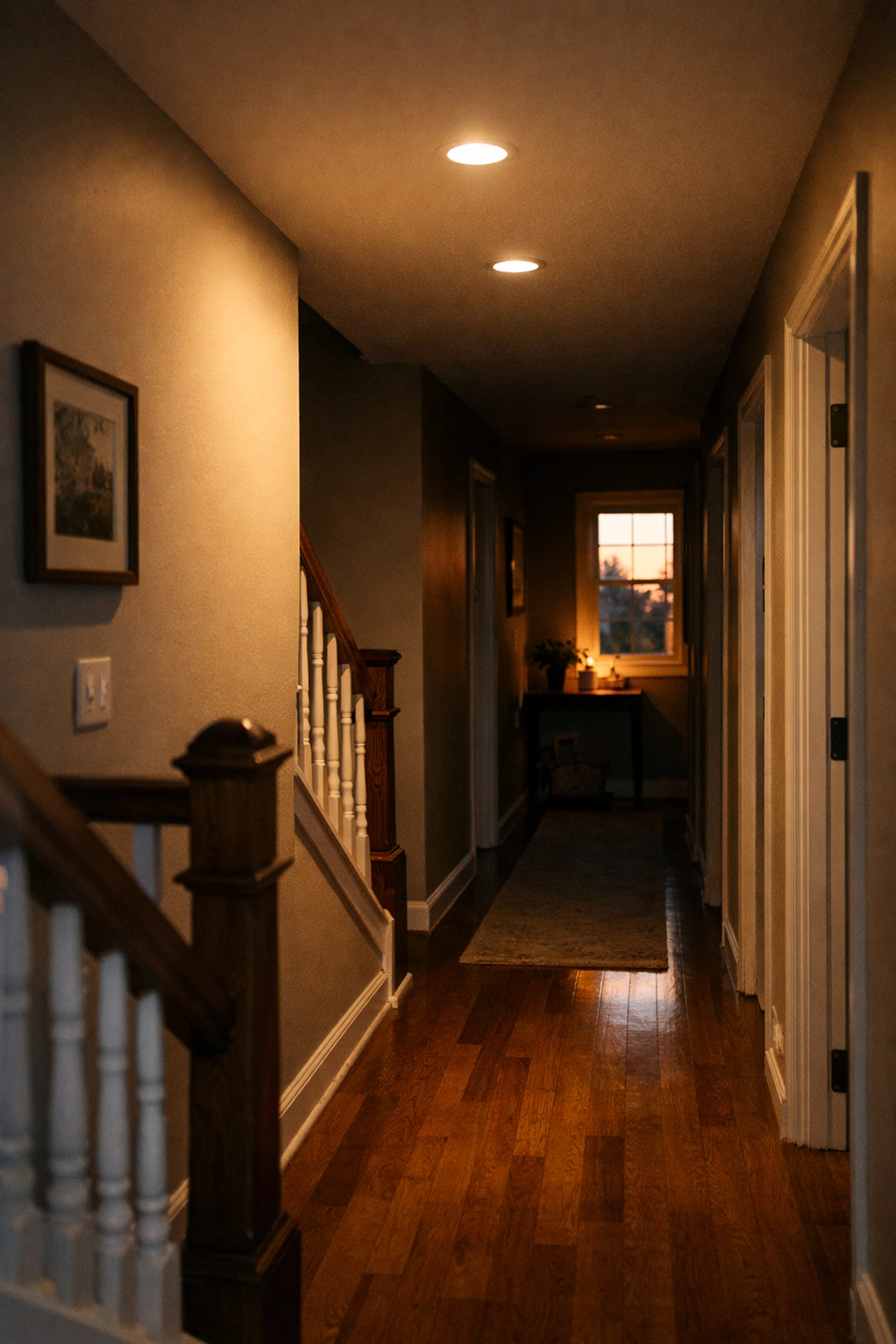
Inadequate lighting is one of the most underestimated fall risks in any home. Many people don't realize their lighting is insufficient until they actually trip over something they couldn't see clearly.
Hallways, stairwells, and entryways are particularly problematic. During the day, they might receive enough natural light, but at dawn, dusk, or nighttime, they can become shadowy obstacle courses. The bathroom presents similar challenges, especially during nighttime trips.
The problem isn't always a lack of light fixtures. Sometimes bulbs have dimmed with age, or wattage is too low for the space. Other times, switches are positioned inconveniently, forcing you to navigate dark spaces before reaching them.
Common lighting mistakes include:
- Single overhead lights that cast shadows in corners
- No lighting along the path from bedroom to bathroom
- Light switches located far from doorways
- Relying on sunlight during daytime hours only
- Neglecting to replace dimming bulbs promptly
Consider how your home looks at different times of day and night. The lighting that seems adequate at noon might be dangerously dim at 3 a.m.
Loose Rugs, Mats, and Carpeting
Rugs seem harmless. They're decorative, comfortable underfoot, and most of us have had them for years without incident. But they're actually one of the leading causes of household falls.
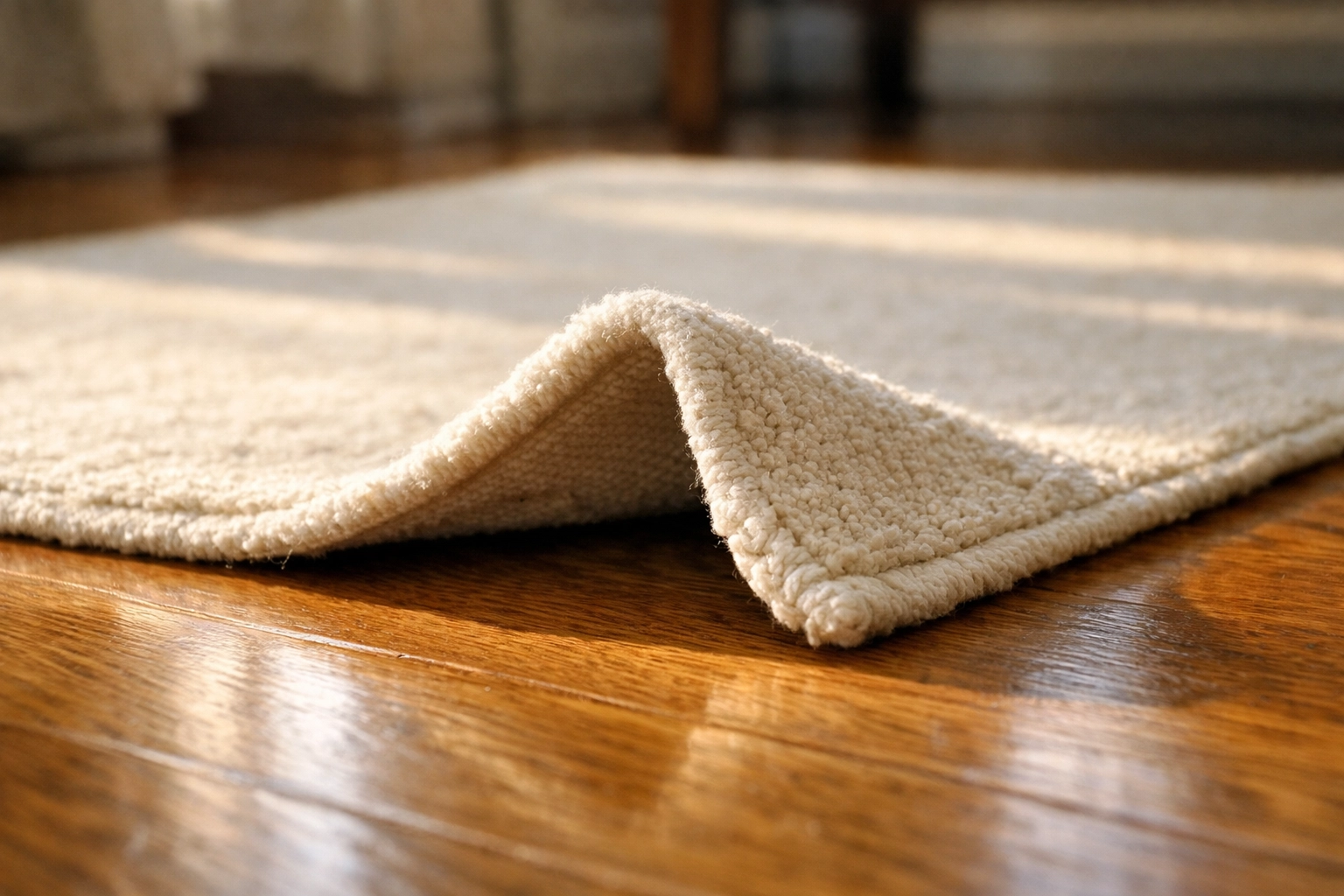
The danger isn't just tripping over the edge of a rug. Rugs can shift position when you step on them, bunch up and create raised edges, or slide entirely when weight is applied. This is especially true on smooth flooring like hardwood, tile, or laminate.
Even rugs that have non-slip backing can become hazardous over time as that backing wears down or accumulates dust and loses its grip.
Area rugs at doorways are particularly risky because people tend to walk through doorways without looking down. Kitchen mats placed in front of sinks can shift when wet. Bathroom rugs on tile floors are notorious for sliding at the worst possible moment.
Worn carpeting presents its own risks. Frayed edges, loose seams, or carpet that's pulling away from tack strips can catch on shoes or slippers. Many people step over these imperfections daily without thinking about them until they cause a stumble.
Furniture in Unexpected Places
We arrange our furniture for aesthetics and function, but we rarely think about it from a fall-prevention perspective. The result is homes filled with shin-height obstacles that we've trained ourselves to navigate on autopilot.
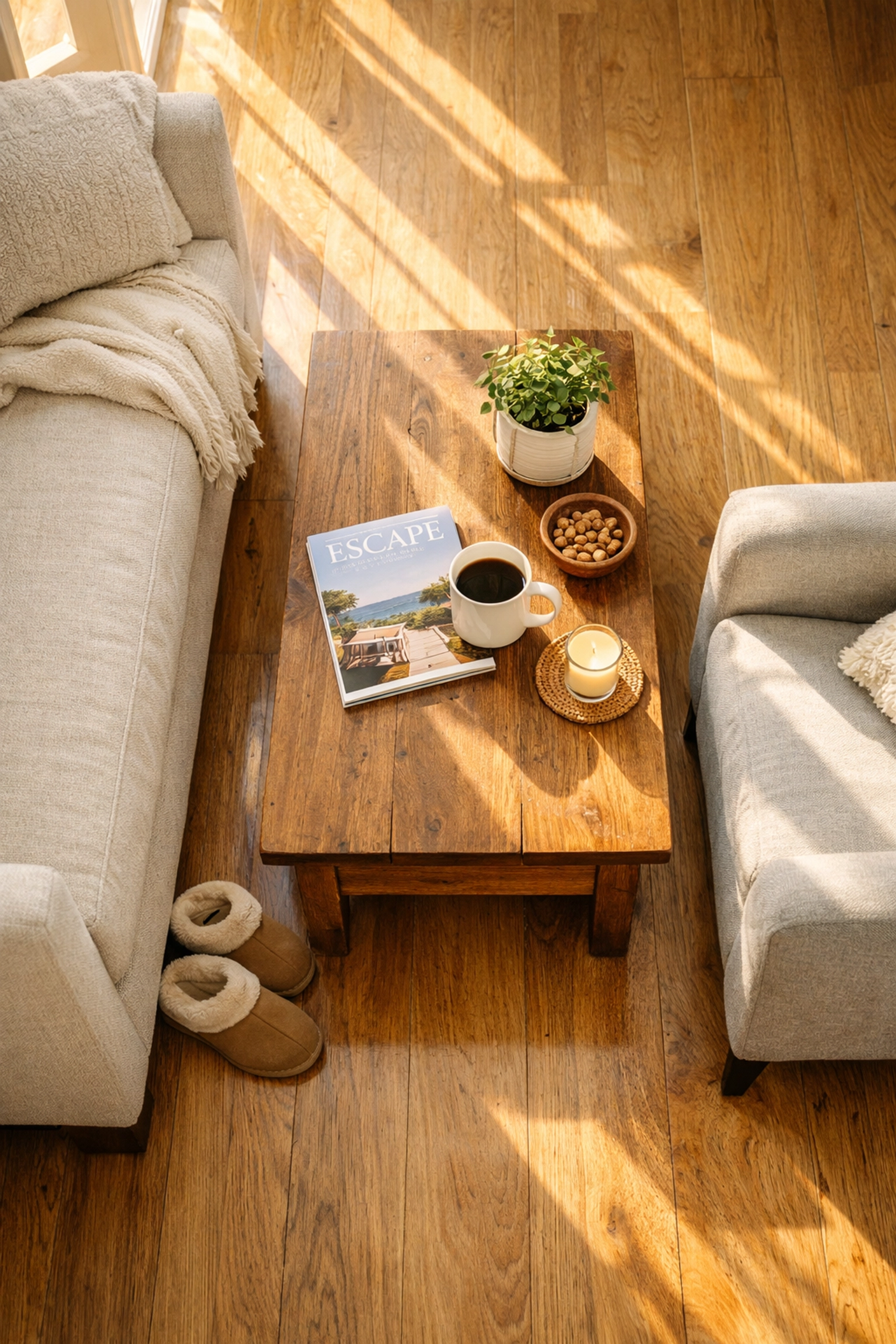
Coffee tables are classic examples. They sit at exactly the height to catch your shin or knee if you misjudge your path. Magazine racks, plant stands, ottomans, and side tables create similar risks, especially when positioned in natural walking paths.
The danger increases in situations where you're moving faster than usual, carrying something that blocks your view, or navigating in dim lighting. That coffee table you've successfully avoided for years becomes a hazard when you're rushing to answer the door or walking to the kitchen in the dark.
Low furniture near beds is particularly concerning. Many falls happen when people get up during the night, still half-asleep and disoriented. A small table or stool that's obvious during the day can be invisible at 2 a.m.
Furniture-related hazards to watch for:
- Items that extend into walkways
- Low furniture that's difficult to see in dim light
- Objects positioned near where you turn or pivot
- Furniture clustered too closely together
- Items placed near bed edges
Bathroom Hazards Beyond the Obvious
Most people know that showers and tubs can be slippery. What they don't always recognize are the other fall risks present throughout the entire bathroom.
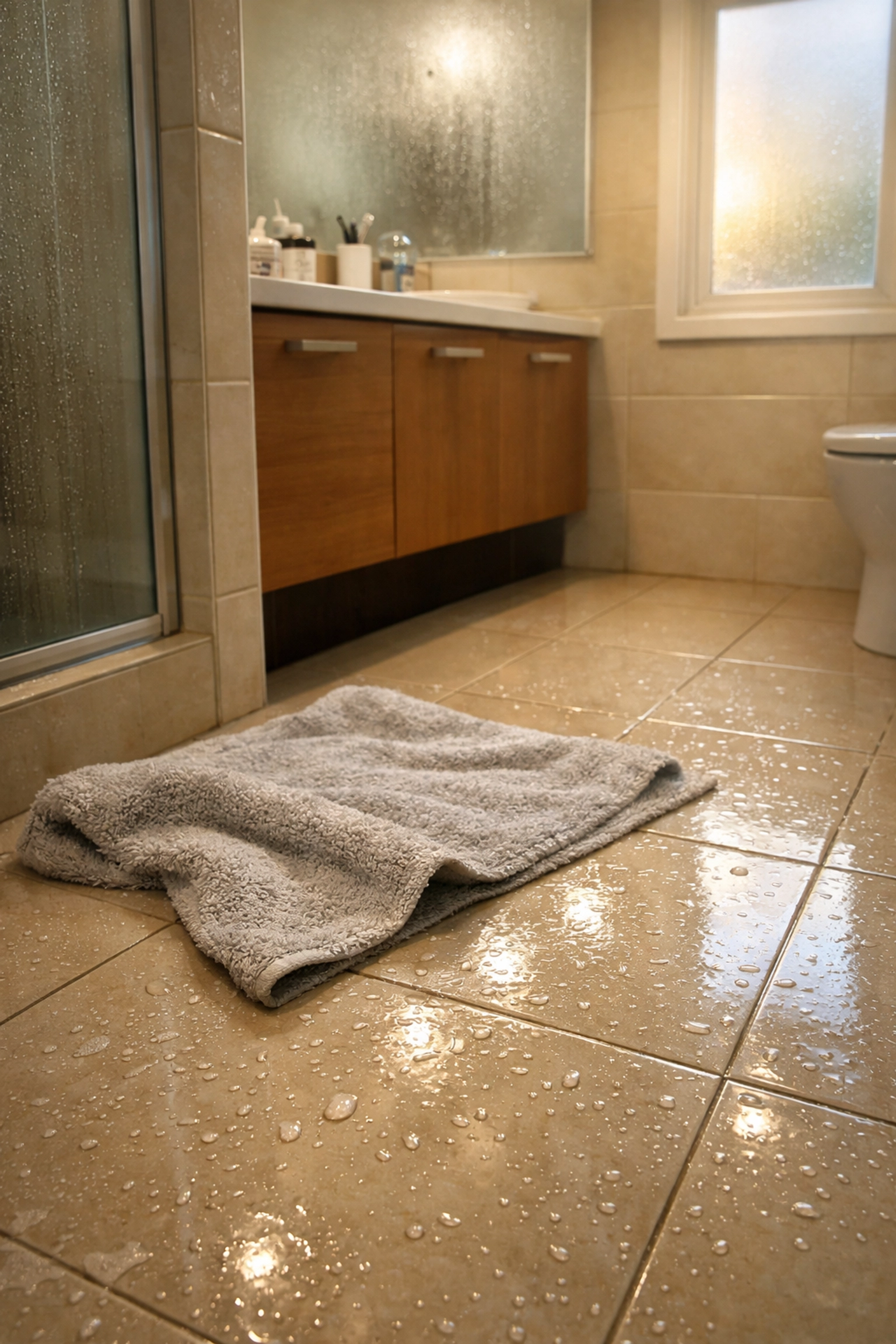
Tile floors become slick when even slightly damp. That dampness might come from the shower, but it also comes from humidity, hand washing, or dripping after a bath. Walking on wet tile in bare feet or wearing smooth-soled slippers creates significant fall risk.
The area around toilets presents unique challenges. Getting on and off the toilet requires balance and strength, especially for older adults or anyone with mobility limitations. Without something secure to hold onto, this simple daily activity can lead to falls.
Towel bars might look like good grab points, but they're not designed to support body weight. Many people instinctively reach for a towel bar when they start to slip, only to have it pull away from the wall, making the fall worse.
Bath mats outside the tub or shower can be just as hazardous as the shower itself if they're not properly secured. Stepping from a wet bath onto a mat that slides creates a dangerous situation.
Electrical Cords and Everyday Clutter
We don't think of phone chargers and extension cords as fall hazards, but they're surprisingly dangerous. Cords that cross walkways, run along baseboards, or drape from tables create perfect tripping hazards that are often difficult to see.
The problem compounds over time. One cord for a lamp isn't a big deal. But add cords for phone chargers, computers, fans, and other devices, and suddenly you have a web of potential tripping hazards.
Everyday clutter accumulates gradually, making it easy to ignore. Magazines stacked on the floor, shoes left by the door, shopping bags waiting to be put away, pet toys, or boxes waiting to go to storage all create obstacles in walking paths.
Because this clutter appears gradually, we often don't register it as dangerous. We've learned to step over or around these items without conscious thought. But that unconscious navigation requires good vision, balance, and attention: things that can be compromised by fatigue, distraction, or age-related changes.
Common clutter hazards include:
- Electrical cords crossing walkways
- Shoes and slippers left in pathways
- Pet bowls, toys, or beds in high-traffic areas
- Stacks of newspapers, magazines, or mail
- Bags, boxes, or laundry baskets on floors
Items Stored Too High
When frequently used items are stored above eye level or on high shelves, it creates a tempting hazard. Rather than getting a step stool or asking for help, many people grab the nearest chair, stool, or even a stack of books to reach what they need.
Standing on furniture that isn't designed for that purpose is inherently unstable. Chairs can tip, wheeled items can roll, and makeshift platforms can shift or collapse. Even proper step stools can be dangerous if used on uneven surfaces or without holding onto something stable.
This hazard is particularly common in kitchens, where everyday items like dishes or pantry staples might be stored overhead. It's also frequent in closets, where seasonal items or less-used belongings are placed on top shelves.
The risk increases when you're reaching or stretching while standing on something elevated. Your center of balance shifts, and if you lose your footing, there's nothing to grab onto to prevent a fall.
Stairs and Steps We've Stopped Noticing
If you have stairs in your home, you probably use them multiple times daily without giving them much thought. This familiarity can be dangerous.
Stairs without adequate handrails: or with handrails on only one side: increase fall risk significantly. Yet many people don't think about this until their balance or strength begins to decline.
Inconsistent step heights, even small variations, can cause trips. Our brains expect a certain rhythm when climbing or descending stairs, and any deviation from that rhythm can cause missteps.
Poor visibility at the top or bottom of stairs is another overlooked hazard. If lighting is insufficient or if there's clutter near the stairs, it becomes difficult to judge where the steps begin or end.
Even a single step between rooms or leading to a patio can be hazardous, especially because people don't expect it. These transition points are easy to forget about when you're focused on something else.
Pets and Pet-Related Hazards
For pet owners, our animals are family members, not hazards. But pets do create legitimate fall risks that often go unrecognized.
Dogs and cats can get underfoot unexpectedly, especially when they're excited about mealtime or greeting someone at the door. Tripping over a pet can happen even to people with excellent balance.
Pet toys, beds, food bowls, and water dishes placed in walkways create additional tripping hazards. Unlike human clutter, these items are supposed to be on the floor, making them easy to overlook as potential dangers.
Leashes left draped over furniture or hanging near doorways can catch on feet. Slippery pet accidents on smooth floors create dangerous situations that might not be immediately visible.
Wet or Slippery Floors Throughout the House
Most people associate wet floor hazards with bathrooms, but slippery surfaces appear throughout homes in ways we often don't anticipate.
Kitchen floors become slick from cooking splashes, spilled drinks, or tracked-in moisture from outside. Entryways accumulate water from rain or snow on shoes and umbrellas. Hardwood or tile floors can be naturally slippery even when dry, depending on their finish.
Walking on these surfaces in socks, smooth-soled slippers, or certain types of footwear dramatically increases slip risk. Yet many people wear the same indoor footwear year-round without considering traction.
Creating a Safer Home
Recognizing these overlooked hazards is the critical first step in fall prevention. Once you know what to look for, you can start making meaningful changes.
Walk through your home with fresh eyes. Look at each room as if you're seeing it for the first time. Better yet, ask a friend or family member to point out potential hazards: they'll notice things you've stopped seeing.
Pay special attention to the pathways you use most frequently, especially routes you might take at night or when tired. These are the areas where familiarity can be most dangerous.
Small changes can make significant differences. Better lighting, secured rugs, cleared walkways, and thoughtfully arranged furniture don't require major renovations, but they can dramatically reduce your fall risk.
The hazards in our homes aren't usually obvious or dramatic. They're ordinary, everyday things that we've simply stopped noticing. By recognizing them again, we can take practical steps to make our homes safer and maintain our independence longer.

