
Stairs are a fundamental part of many homes, yet they are also one of the most common sites for household accidents. As we get older, or as we care for aging loved ones, the way we look at a staircase changes. What used to be a simple path to the second floor can start to feel like a series of obstacles.
At Fall Guys Products, I’ve spent a lot of time thinking about how to make homes feel like a sanctuary rather than a source of worry. I'm Brian Kerr, and I want to walk you through some of the most frequent stair safety mistakes people make: often without even realizing it. Identifying these risks is the first step toward creating a safer, more confident living environment.
The "Dimly Lit" Trap: Why Lighting Matters Most
One of the most frequent mistakes homeowners make is assuming that "enough" light is sufficient. For a young person with perfect vision, a single overhead bulb at the top of the landing might be fine. But as our eyes age, we require more light to see the same level of detail, and our ability to perceive depth can diminish.
Poor lighting creates shadows that can camouflage the edge of a step. If the shadow of the nosing (the front edge of the step) blends into the tread below it, the staircase effectively becomes a flat ramp in the eyes of the person climbing it. This is a recipe for a misstep.
The Fix:
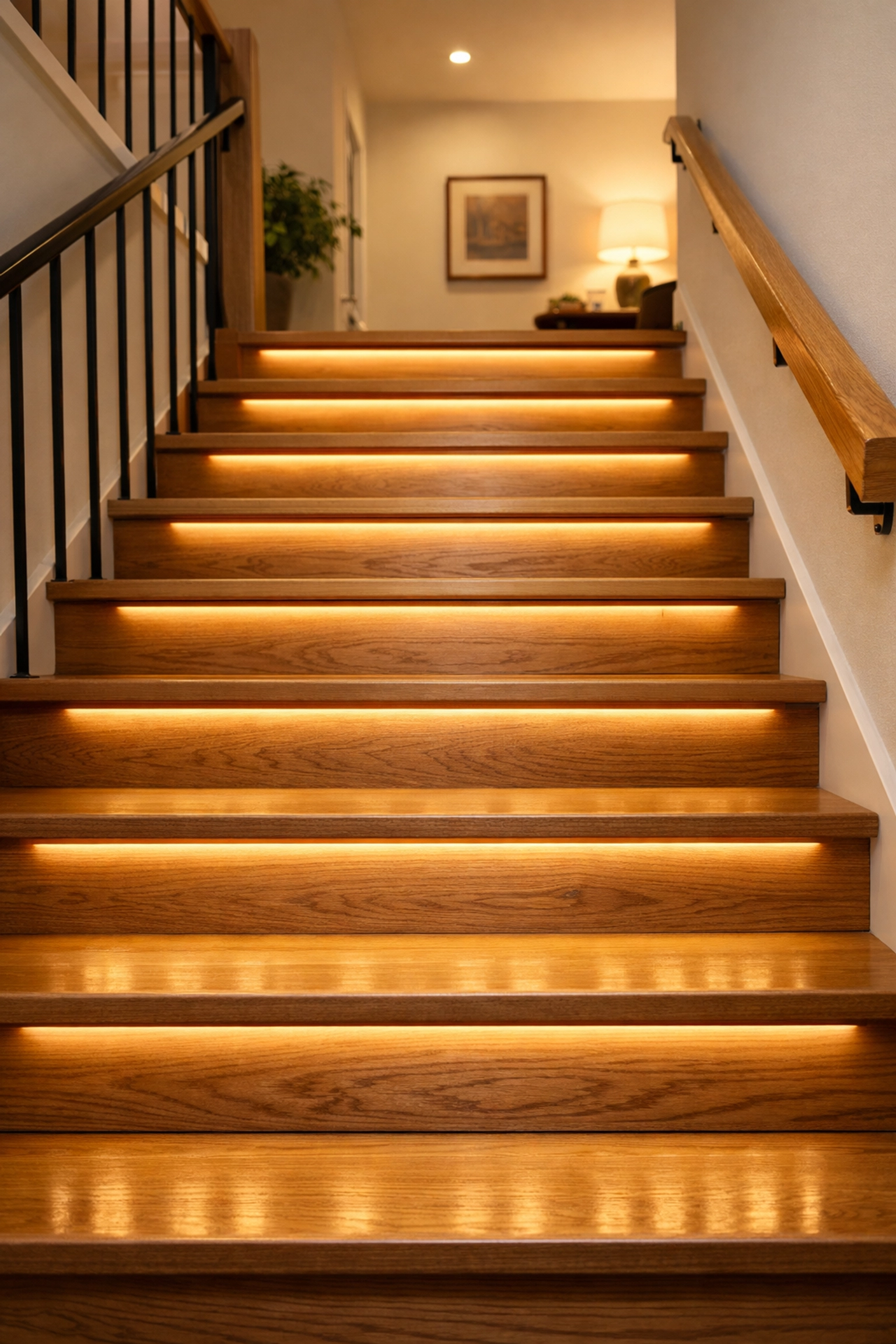
Consider installing motion-activated lighting. This ensures that the path is illuminated before the first step is even taken, removing the need to fumbling for a switch in the dark. LED strip lighting under the lip of each tread or along the baseboards provides a clear "runway" effect that defines exactly where each step begins and ends.
The Handrail "Halt": Short or Loose Supports
A handrail is not just a decorative architectural element; it is a critical safety device. A common mistake is having a handrail that stops just an inch or two short of the actual top or bottom of the stairs.
When someone is descending the stairs, they rely on that handrail for balance. If the rail ends before they have safely reached the flat landing, they are forced to let go while still in motion. This "handrail halt" can cause a momentary loss of balance right at the most dangerous point of the descent.
Another issue is the "graspability" of the rail. Many modern homes feature wide, flat, or rectangular handrails that look great but are difficult to wrap a hand around securely. If you can’t get your fingers and thumb to meet around the rail, you won’t have the leverage needed to stop a fall if you slip.
The Fix:
Ensure handrails extend at least 12 inches beyond the top and bottom risers. If your current rail is too thick to grip properly, consider adding a secondary, rounded "ADA-compliant" rail to the existing structure. Most importantly, check the brackets. If there is even a millimeter of "wiggle" in the rail, it needs to be tightened or reinforced into a stud.
Geometric Inconsistency: The Danger of the "Odd" Step
The human brain is incredible at mapping patterns. Within the first two steps of climbing a staircase, your brain has already calculated the height (riser) and depth (tread) of the stairs. It then puts your legs on "autopilot" for the rest of the flight.
The mistake here is having uneven riser heights. Even a difference of a quarter-inch between one step and the next can be enough to trip someone up. This often happens in older homes where the house has settled, or during DIY renovations where a new floor was laid on the bottom landing but not on the stairs themselves, making the bottom step shorter than the rest.
The Fix:
While you can’t easily "fix" the geometry of a built-in staircase without a major renovation, you can highlight the inconsistency. Using high-contrast tape on the edge of the uneven step alerts the brain to break the autopilot rhythm and pay closer attention to that specific transition.
Aesthetic Over Safety: The Slippery Surface Blunder
Polished hardwood and sleek tile are beautiful, but they are notoriously slippery, especially when wearing socks or smooth-soled slippers. Many people avoid adding carpet runners or non-slip treads because they don’t want to hide the beauty of their wood stairs. However, a staircase that looks like a "slip-and-slide" is a significant hazard.
The mistake is often compounded by using the wrong cleaning products. High-gloss waxes and certain furniture polishes can leave an invisible, oily residue on the treads that turns the stairs into a skating rink.
The Fix:
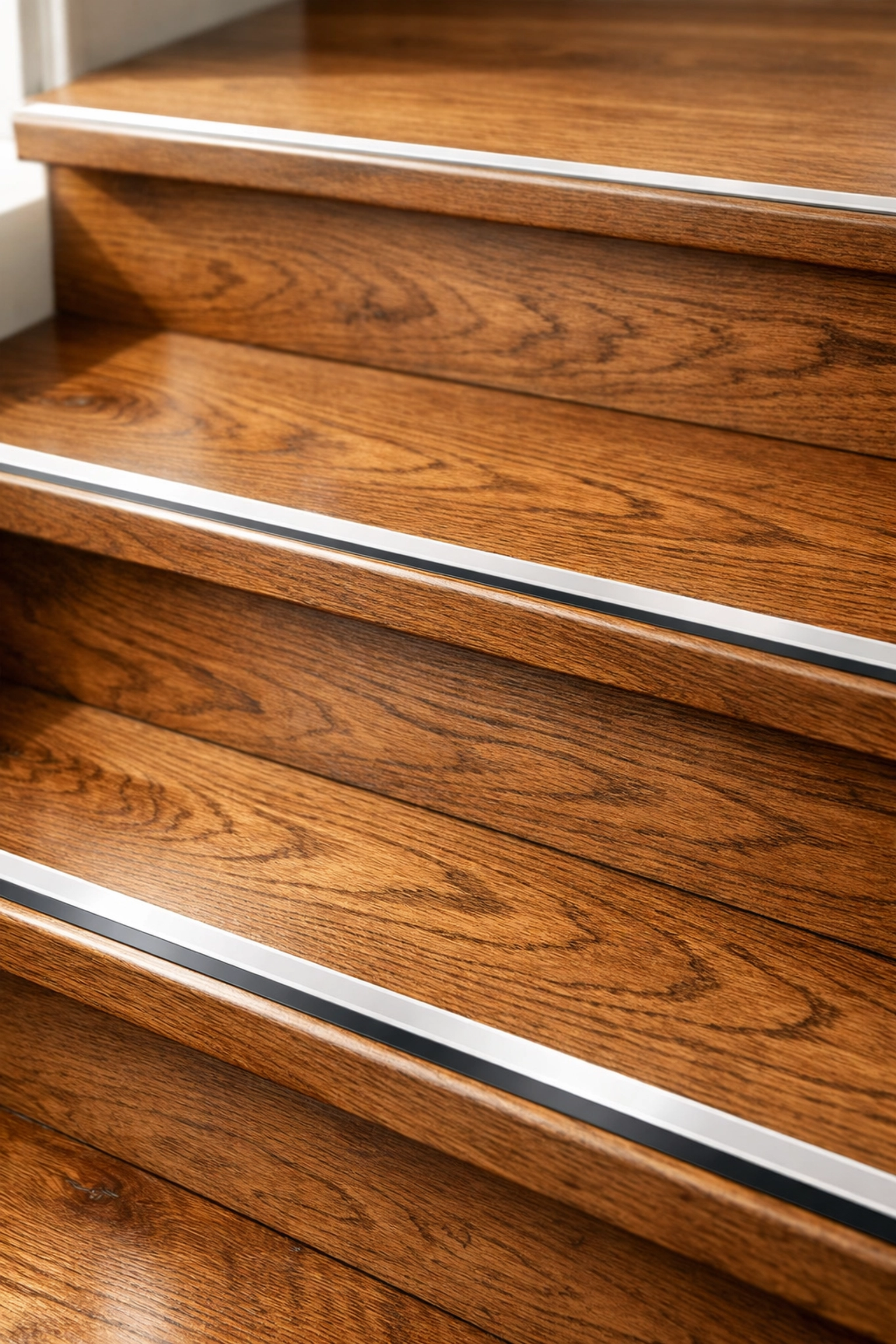
If you love the look of wood, look into clear, anti-slip adhesive strips. They provide the necessary grit to prevent a foot from sliding without obstructing the view of the grain. Alternatively, a low-pile carpet runner can provide excellent traction, provided it is installed by a professional and tightly secured to the risers and treads. Avoid "shag" or thick-pile carpets on stairs, as they can actually hide the edge of the step and increase trip risks.
The Landing Pad Clutter
It is a common habit to leave items at the bottom or top of the stairs to "take up on the next trip." Whether it’s a basket of laundry, a stack of books, or a pair of shoes, these items create a physical barrier and a mental distraction.
The stairs should be a dedicated "clear zone." Even if the object isn't directly on the step, clutter at the landing forces a person to change their gait or "sidestep" as they approach the stairs. This shift in movement can throw off their center of gravity just as they are beginning a climb or descent.
The Fix:
Implement a strict "no-clutter" rule for the entire staircase environment. If you need to move items between floors, use a sturdy bag with a handle that can be carried in one hand, leaving the other hand free for the handrail. Never carry items so large that they obstruct your view of your feet.
Ignoring the "Vision Gap"
As we age, our eyes often require bifocals or trifocals. While these are great for reading, they can be dangerous on stairs. Looking down through the bottom portion of a bifocal lens (the reading part) blurs the stairs and distorts depth perception.
Many people make the mistake of trying to navigate stairs while looking through the "near vision" section of their glasses. This makes the steps appear closer or further away than they actually are.
The Fix:
If you or a loved one uses multifocal lenses, talk to an optometrist about "stair-specific" glasses: a single-vision pair for moving around the house. At the very least, practice the habit of tucking your chin down so you are looking through the "distance" (top) part of your lenses when navigating steps.
The Footwear Factor: Socks are the Enemy
We often focus on the stairs themselves, but the biggest mistake might be what’s on your feet. Walking on stairs in stocking feet is one of the most common causes of domestic falls. Synthetic socks on polished wood have almost zero friction.
Conversely, wearing heavy, loose-fitting slippers can be just as bad. If the heel of the slipper is loose, it can catch on the "nosing" of the step during descent, pulling the foot out from under the person.
The Fix:
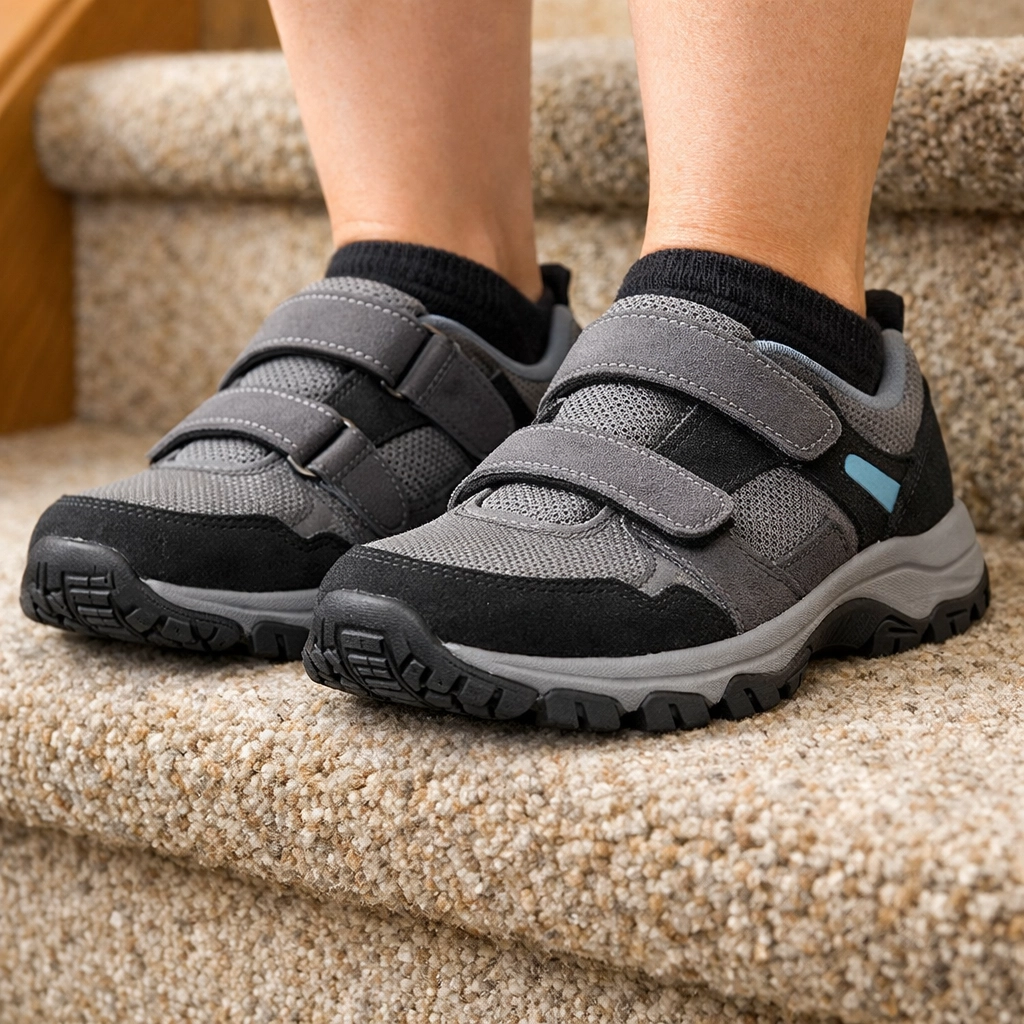
The safest way to navigate stairs is with bare feet or well-fitting, rubber-soled shoes. If you prefer to stay in socks, ensure they have high-quality rubber "grippers" on the soles. However, a firm shoe with a back is always the gold standard for stair safety.
The "Last Step" Phenomenon
Have you ever thought you were at the bottom of the stairs, only to find there was one more step? This is a common neurological "glitch" that causes many falls. We often relax our focus as we reach the end of the flight, assuming we are on solid ground before we actually are.
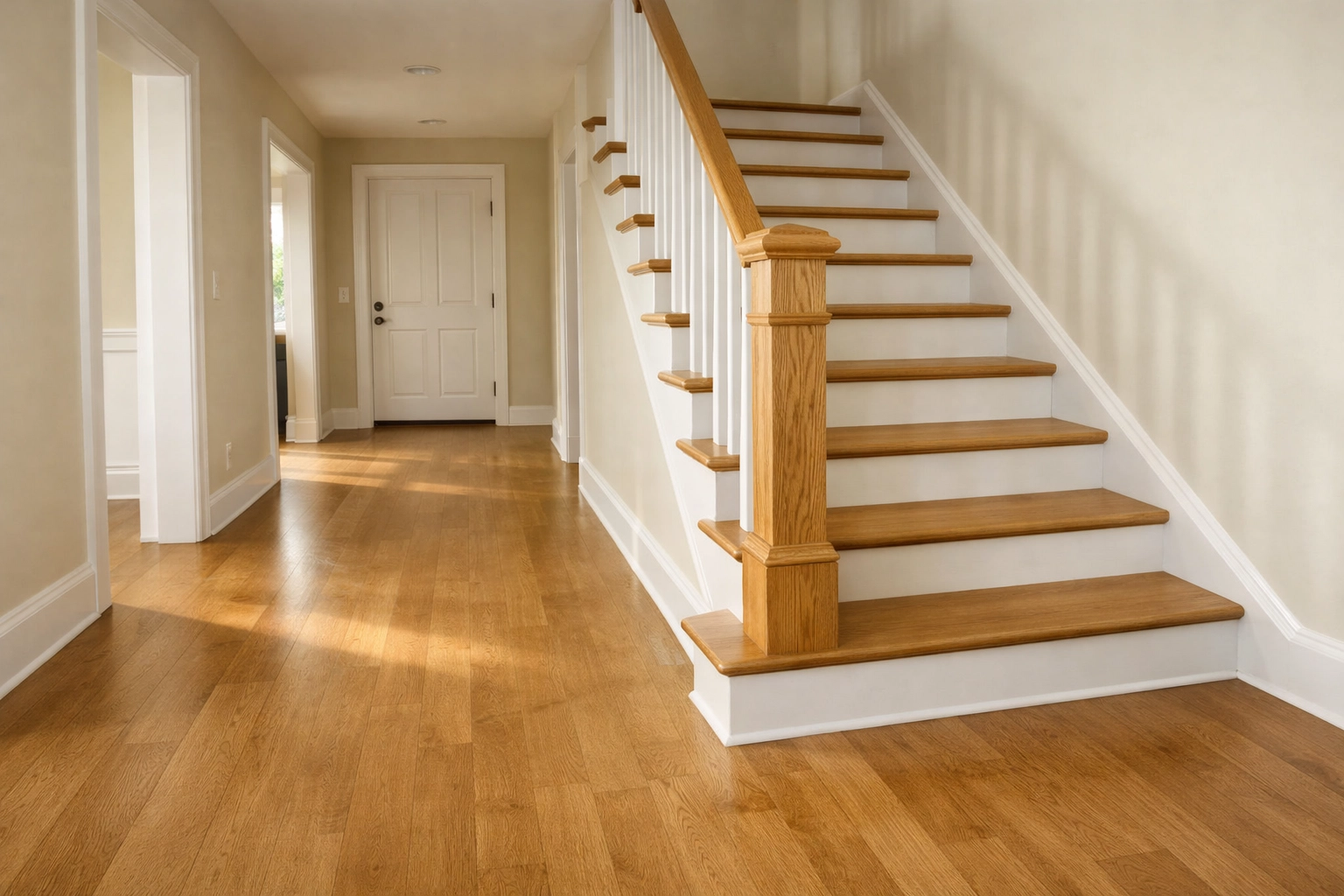
This mistake is usually caused by a lack of visual contrast. If the stairs and the hallway floor are the same color and material, it’s very hard to see where the last riser ends.
The Fix:
Create a visual "break" at the top and bottom of the stairs. This can be as simple as a different colored rug on the landing (secured with non-slip backing) or a strip of contrasting paint or tape on the edge of the final step. This visual cue tells the brain, "The stairs are over now."
Maintenance: The "It’s Probably Fine" Fallacy
Stairs take a lot of abuse. Over time, wood can warp, nails can pop, and carpet can become loose. A common mistake is ignoring a "creak" or a slightly loose banister, thinking it’s just the character of an old house.
In reality, a creak often means a tread is shifting. If a tread shifts even slightly when weight is applied, it can cause a person to lose their balance.
The Fix:
Perform a "stair audit" every six months. Walk up and down slowly, intentionally stepping on different parts of each tread. Listen for squeaks and feel for movement. Check the carpet for any "bubbles" or loose edges. Tighten every screw on the handrail brackets. Prevention is much easier than a repair after an accident has occurred.
A Reassuring Path Forward
Navigating stairs doesn't have to be a source of anxiety. By addressing these common mistakes: lighting, grip, geometry, and habits: you can significantly reduce the risk of a fall. It’s about creating an environment that supports your independence and gives you peace of mind.
Remember, safety isn't a one-time fix; it’s a mindset of staying aware and making small adjustments that lead to big improvements in quality of life. Take a look at your stairs today: what’s the first small change you can make? Stay safe, stay confident, and keep moving forward.

