
Most of us view our homes as our sanctuary: the one place where we feel most comfortable and secure. However, as we age, or as we care for someone who is getting older, the environment we’ve lived in for decades can slowly transform into a series of hidden obstacles.
Statistically, the majority of falls among seniors happen right at home, often during routine activities like walking to the bathroom at night or reaching for a favorite coffee mug. The good news is that most of these incidents are preventable. It’s usually not one big thing that causes a fall, but a combination of small, overlooked "safety gaps."
In this guide, we’re going to walk through the most common home safety mistakes people make and, more importantly, how to fix them with simple, practical adjustments. Our goal isn't to turn your home into a clinical environment, but to ensure it remains the safe haven it’s meant to be.
The "Path of Least Resistance": Clearing the Walkways
The first mistake many of us make is allowing our natural walking paths to become cluttered. Over time, we stop seeing the stack of magazines by the recliner or the extension cord running along the baseboard. We develop "clutter blindness."
The Mistake: Obstacle Courses in Living Areas
We often arrange furniture for aesthetics rather than flow. This can result in tight corners or paths that require "furniture surfing": the act of reaching from one piece of furniture to the next to maintain balance.
The Fix: Create a 36-Inch Rule
Ideally, every walkway in your home should be at least 36 inches wide. This provides enough space for a steady gait and leaves room for a walker or cane should you ever need one.
- Remove the "Landmines": Clear away floor plants, magazine racks, and decorative baskets that sit in high-traffic zones.
- Manage Your Cords: Use cord organizers to secure electrical wires against the wall. Never run a cord under a rug or across a doorway.
- Pet Safety: Our furry friends are wonderful companions, but their toys and bowls are major tripping hazards. Designate a specific "play zone" for pets away from main walking paths and use high-visibility bowls for water and food.
The "Invisible Threat": Poor Lighting
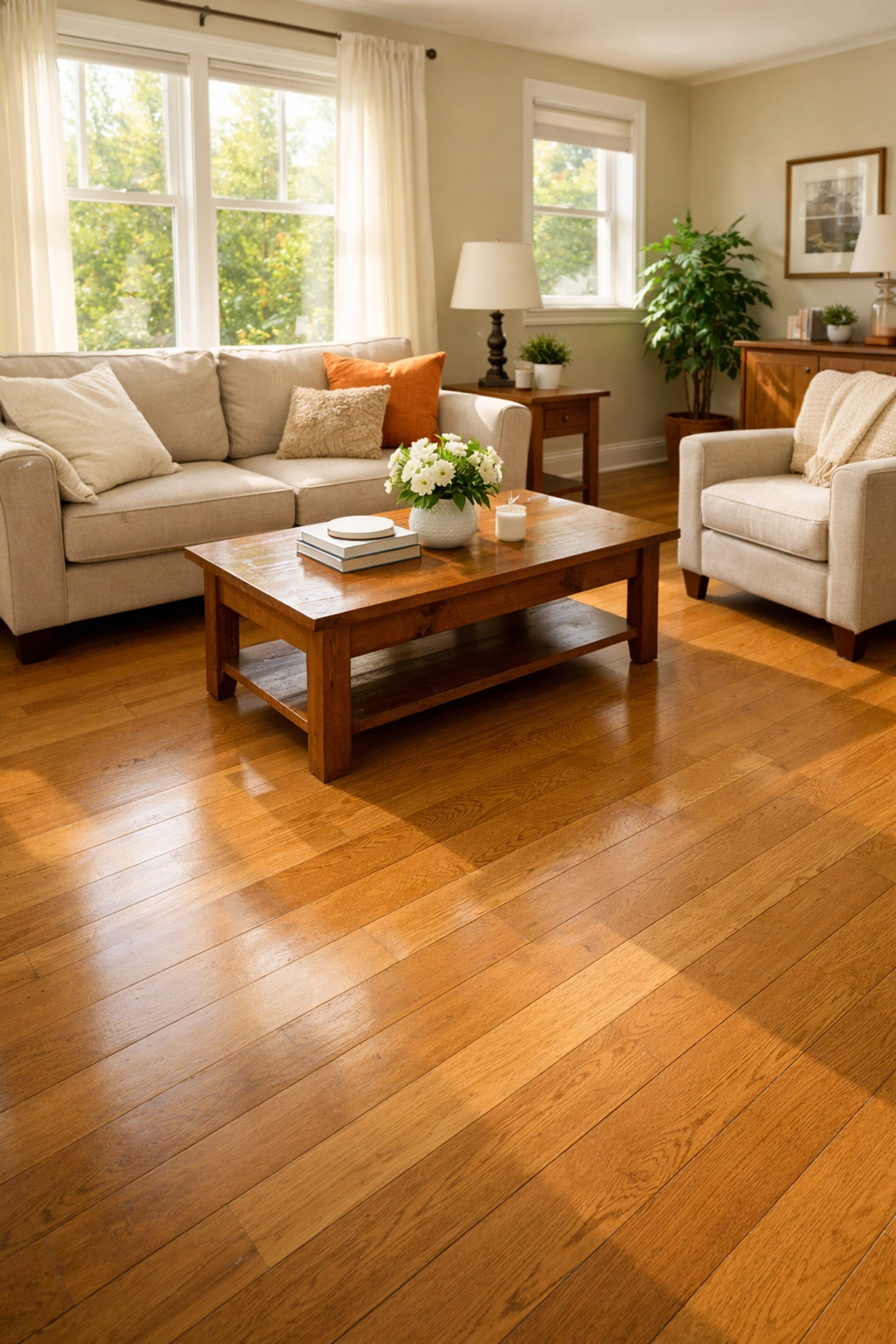
Vision often changes as we age. We need more light to see clearly, and our eyes take longer to adjust to changes in brightness. A hallway that feels "dim" to a 40-year-old might feel "pitch black" to an 80-year-old.
The Mistake: Relying on Single Light Sources
Many older homes have one overhead light per room or switches located in inconvenient spots. If you have to walk across a dark room to turn on a lamp, you are at risk.
The Fix: Layer Your Lighting
The goal is to eliminate shadows and "dark zones."
- The Switch at Both Ends: Ensure all hallways and staircases have light switches at both the entry and exit points. If rewiring isn't an option, battery-operated motion-sensor lights are a game-changer.
- Glow-in-the-Dark Paths: Install LED nightlights in the path between the bedroom and the bathroom. Look for "dusk-to-dawn" sensors that automatically turn on when it gets dark.
- High-Wattage (But Safe) Bulbs: Check the maximum wattage for your fixtures and use the brightest LED bulbs allowed. LEDs are great because they provide high brightness without generating the heat of traditional bulbs.
The Rug Reality: Beauty vs. Stability
Area rugs are perhaps the most debated item in home safety. They add warmth and style, but they are also one of the leading causes of trips and slips in the home.
The Mistake: Loose or "Bunchy" Area Rugs
A rug that isn't secured can slide out from under you. Even a rug that seems heavy can have edges that curl up over time, creating a lip that catches a toe.
The Fix: The "Remove or Secure" Strategy
The safest floor is a clear, uniform surface. However, if you aren't ready to part with your rugs, you must make them part of the floor.
- Use Double-Sided Tape: Use heavy-duty, non-slip rug tape or specialized rubberized mats underneath every rug in the house.
- Check the Edges: If a rug’s edges are fraying or curling, it’s time to retire it.
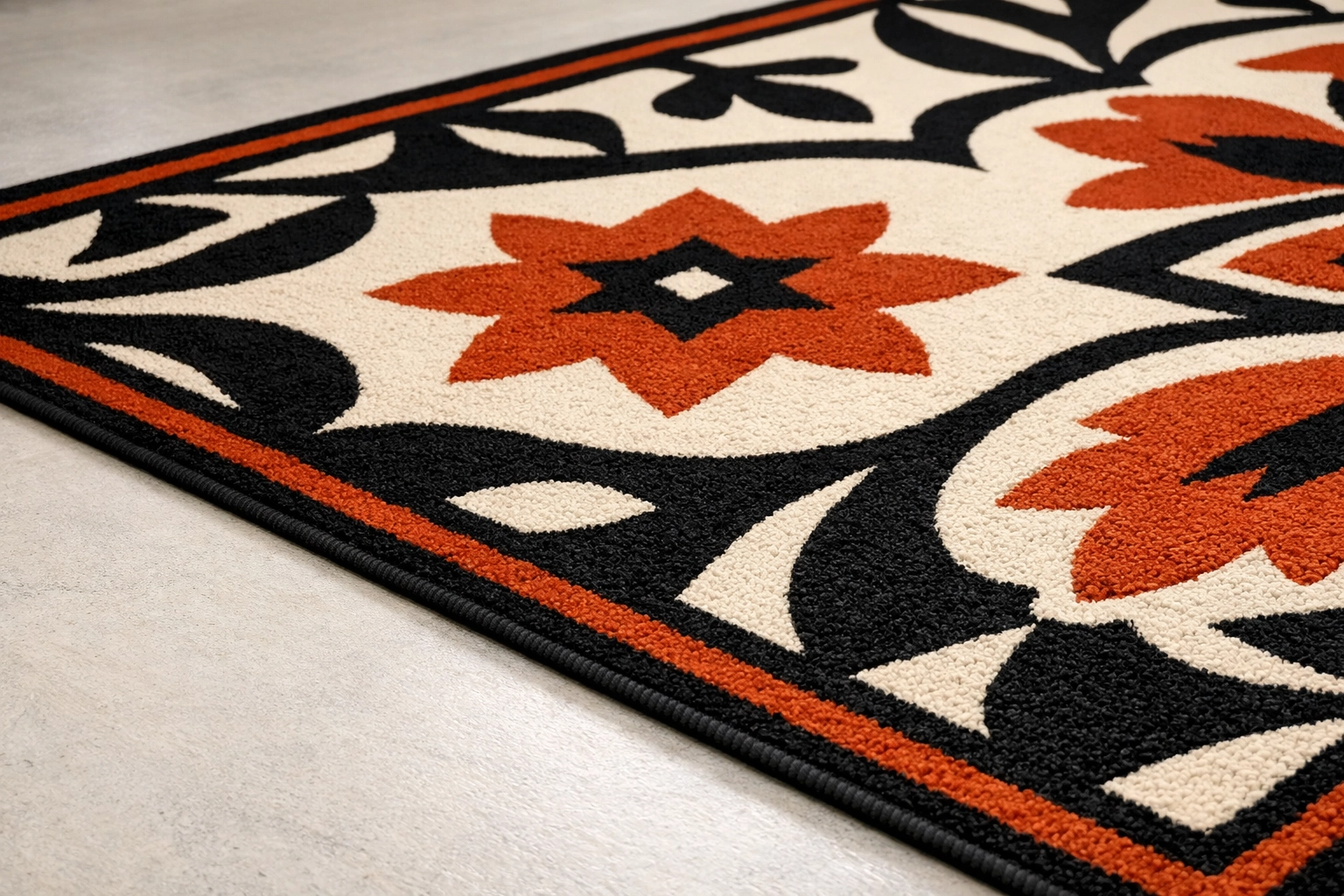
- The Contrast Rule: Make sure the rug color contrasts significantly with the floor. If a dark rug sits on a dark hardwood floor, the edge becomes invisible, making it much easier to trip.
The Bathroom: Beyond the Slippery Surface
The bathroom is statistically the most dangerous room in the house due to the combination of hard surfaces, water, and the physical transitions required (sitting to standing, stepping over tub walls).
The Mistake: Using Towel Racks as Grab Bars
This is a critical error. Towel racks are designed to hold the weight of a damp towel: maybe 5 pounds. They are not bolted into wall studs and will pull right out of the drywall if you put your weight on them during a slip.
The Fix: Professional-Grade Support
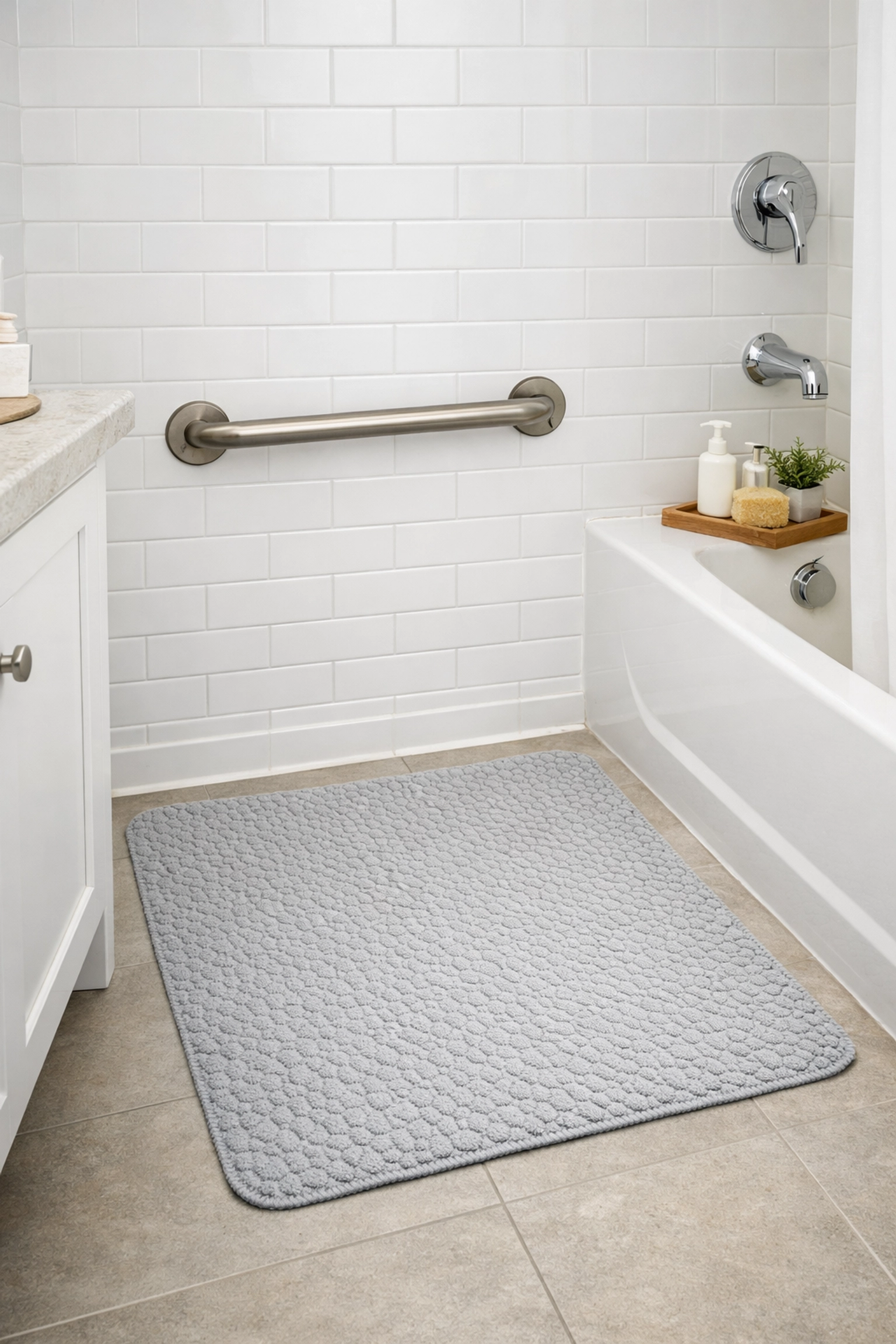
- Install Real Grab Bars: These should be installed by someone who can find the wall studs. You need them next to the toilet and inside the shower or tub.
- Non-Slip Everything: Use non-slip mats both inside the tub and on the floor outside the tub. Avoid the "shag" style bathroom mats that can slide.
- The Raised Toilet Seat: Lowering yourself onto a standard toilet and pushing yourself back up requires significant leg strength. A raised seat reduces the distance you have to travel, making the transition much safer.
The "Footwear Fallacy": Socks and Slippers
We often think about the environment, but we forget about what’s actually connecting us to the floor: our feet.
The Mistake: Walking in Socks or Loose Slippers
Walking in standard socks on wood or tile floors is like walking on ice. Similarly, "backless" slippers that you just slide your feet into provide no lateral support and can easily fall off, causing a stumble.
The Fix: Footwear with Traction
- The Indoor Shoe: Consider having a pair of supportive, non-slip shoes dedicated solely to indoor use. This keeps the floors clean while providing the arch support and grip you need.
- Grip Socks: If you prefer socks, ensure they have rubberized treads on the bottom.
- Proper Fit: Ensure slippers have a back (heel) to keep the foot securely inside the shoe.
Stairs and Transition Zones
Transitions are where the brain and body have to work the hardest. Moving from a carpeted room to a tiled hallway, or stepping up a single step into a sunken living room, requires a shift in balance.
The Mistake: Single Handrails or Cluttered Steps
Many stairs only have a railing on one side. Furthermore, stairs often become a "temporary storage" area for items waiting to go upstairs.
The Fix: Double the Support
- Two Rails are Better Than One: Install handrails on both sides of every staircase, including the short steps leading from the garage into the house.
- Mark the Edges: For those with low vision, a strip of contrasting colored tape on the edge (the "nosing") of each step can help the brain distinguish where one step ends and the next begins.
- Threshold Awareness: For small lips between rooms (thresholds), consider a small "transition strip" that creates a tiny ramp rather than a blunt edge.
Mobility Aids: A Proactive Approach
There is often a stigma associated with using a cane, walker, or transfer pole. Many people wait until after a fall to start using these tools.
The Mistake: Waiting for an "Incident"
Using a mobility aid isn't a sign of weakness; it's a tool for independence. Waiting until your balance is severely compromised increases the risk of a life-changing injury.
The Fix: The Right Tool for the Right Task
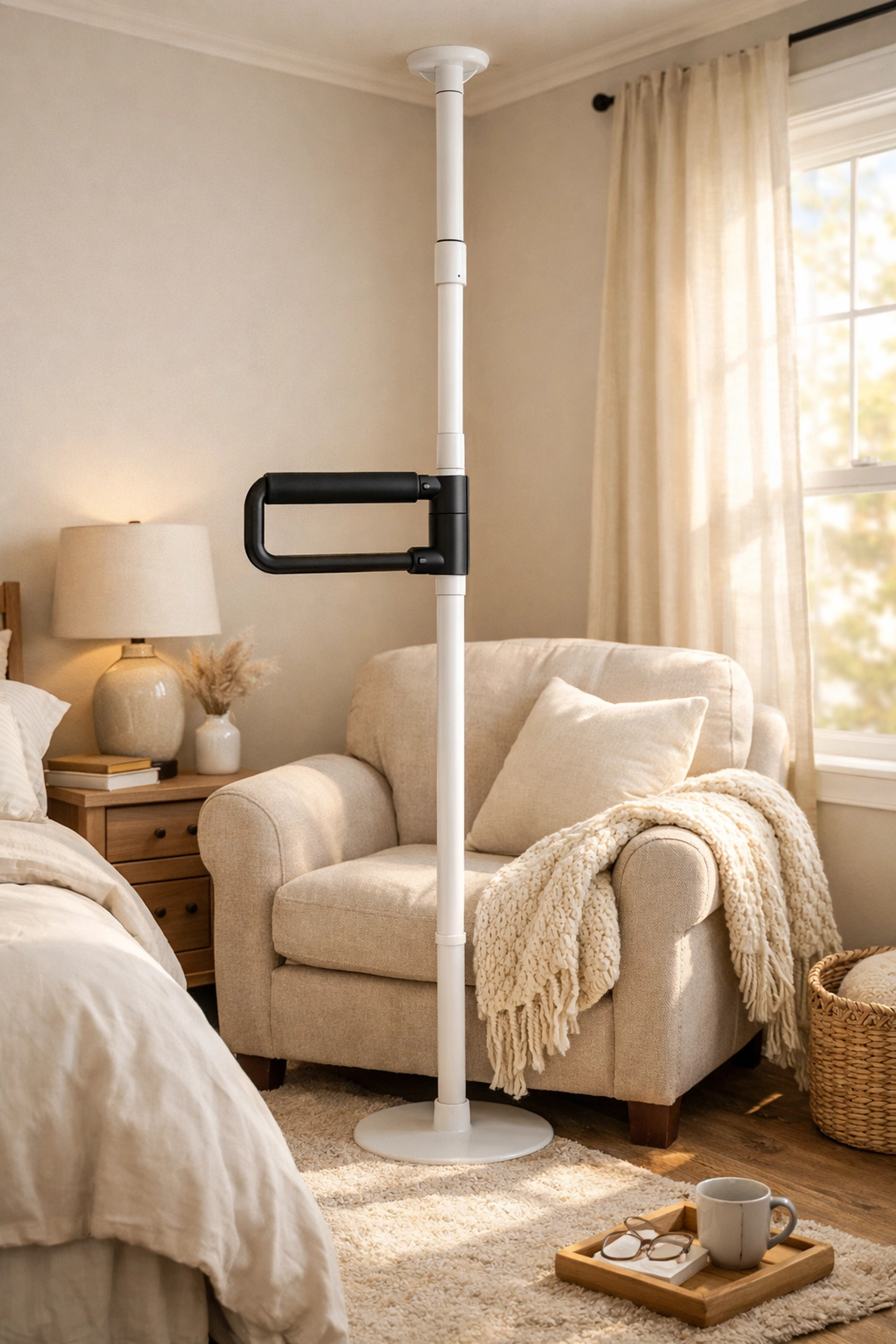
- Transfer Poles: These are fantastic for areas where you don't have a wall for a grab bar, such as next to a bed or a favorite armchair. They provide a sturdy vertical support to help you stand safely.
- Assess Daily Life: If you find yourself holding onto walls or furniture as you walk, it’s time to talk to a physical therapist about a mobility aid. They can ensure the aid is fitted to your height, which is vital for proper balance.
The Physical Foundation: Strength and Balance
While modifying your home is essential, your body is your ultimate "mobility aid." A safe home works best when paired with a body that is as strong and balanced as possible.
The Mistake: Underestimating "Maintenance" Exercises
Many believe that once balance starts to decline, it's a permanent downward slide. In reality, balance is a skill that can be practiced and improved at almost any age.
The Fix: Consistent, Gentle Movement
- Leg Strength: Simple exercises like "sit-to-stands" (rising from a chair without using your arms) build the quadriceps and glutes, which are your primary "anti-fall" muscles.
- Balance Training: Activities like Tai Chi or specific physical therapy exercises can improve proprioception: your body's ability to know where it is in space.
- Consult the Pros: A physical therapist can conduct a professional fall-risk assessment and give you a customized plan to address your specific weak points.
Putting It All Together: Your Safety Checklist
Taking action can feel overwhelming, so let's break it down into a simple priority list. You don't have to fix everything today. Start with the "high-traffic" areas and move outward.
-
Immediate Actions (Do this today):
- Walk through your home and look for any items on the floor that don't belong there.
- Check all your rugs. If they slide when you push them with your foot, secure them or remove them immediately.
- Replace any burnt-out light bulbs with high-brightness LEDs.
-
Short-Term Projects (This weekend):
- Install motion-sensor nightlights in the hallways and bathroom.
- Apply non-slip strips to the bottom of your tub or shower.
- Clear the "furniture surfing" paths by rearranging a few pieces to create wider walkways.
-
Long-Term Improvements (Over the next month):
- Schedule a professional to install grab bars in the bathroom.
- Add a second handrail to your stairs if needed.
- Speak with a healthcare provider about a balance and vision check-up.
Final Thoughts
Fall prevention isn't about living in fear; it's about empowerment. By identifying these common mistakes and taking steps to correct them, you are taking control of your environment. A few small changes: a brighter bulb, a sturdy grab bar, a cleared hallway: can make the difference between a dangerous fall and many more years of safe, independent living in the home you love.
Your home should be a place of comfort. With these adjustments, you can ensure it stays that way for years to come. Remember, the best time to fix a fall hazard is before the fall happens. Stay safe, stay proactive, and keep moving forward with confidence.

