
Physical therapists see it all the time: well-meaning individuals who think they're doing everything right to prevent falls, but are unknowingly putting themselves at greater risk. The gap between what people believe about fall prevention and what actually works can be surprisingly wide.
Falls aren't inevitable, and preventing them doesn't require drastic life changes. However, certain common misconceptions can undermine even the most careful efforts. Let's explore what physical therapists wish everyone understood about staying safe and mobile.
Mistake #1: Thinking Falls Are Just Part of Getting Older
Perhaps the most damaging myth is that falling is simply what happens when you age. This belief creates a dangerous sense of resignation that prevents people from taking action.
Physical therapists are clear on this point: falling is not a normal part of aging. While certain age-related changes can increase fall risk: such as reduced muscle mass, slower reflexes, or vision changes: these factors can be addressed and managed. When people accept falls as inevitable, they miss opportunities for prevention that could genuinely change their quality of life.
The reality is that most falls result from a combination of modifiable risk factors. Weakness, balance problems, medication side effects, and environmental hazards can all be identified and corrected. Physical therapists work with older adults every day who maintain excellent balance and mobility well into their eighties and nineties because they've stayed proactive about their physical health.
This mindset shift from passive acceptance to active prevention is often the first and most important step in reducing fall risk.

Mistake #2: Cutting Back on Activity to Stay Safe
When someone has a close call or experiences a fall, the natural instinct might be to do less. Reduce walking. Avoid stairs. Stay seated more often. It seems logical: if movement creates risk, less movement should mean more safety.
Physical therapists see this pattern frequently, and it concerns them deeply. While caution after a fall is understandable, drastically reducing activity actually increases fall risk over time.
Here's why: Balance, strength, and coordination are all skills that require regular practice. When you stop using these abilities, they deteriorate. Muscles weaken. Balance becomes shakier. Confidence drops. You become more vulnerable to exactly what you're trying to avoid.
The evidence is consistent. Regular physical activity: including walking, strength training, and balance exercises: improves stability and reduces fall risk. Programs that incorporate tai chi, yoga, or targeted balance exercises have shown particularly strong results.
Physical therapists recommend staying active, but doing so smartly. This might mean:
- Working with a professional to develop a safe, personalized exercise program
- Using appropriate assistive devices when needed
- Choosing activities that match your current ability level
- Gradually building strength and endurance rather than doing too much too soon
- Focusing on exercises that specifically target balance and lower body strength
Movement isn't the enemy of fall prevention: it's a cornerstone of it.
Mistake #3: Assuming Your Home Is Automatically Safe
Many people feel most secure in their own homes, surrounded by familiar spaces and routines. This comfort can create a false sense of security that overlooks very real hazards.
Statistics tell a different story than our assumptions. More than half of all falls occur at home. The environment you navigate daily without thinking about it may contain multiple trip hazards, slippery surfaces, and poorly lit areas.
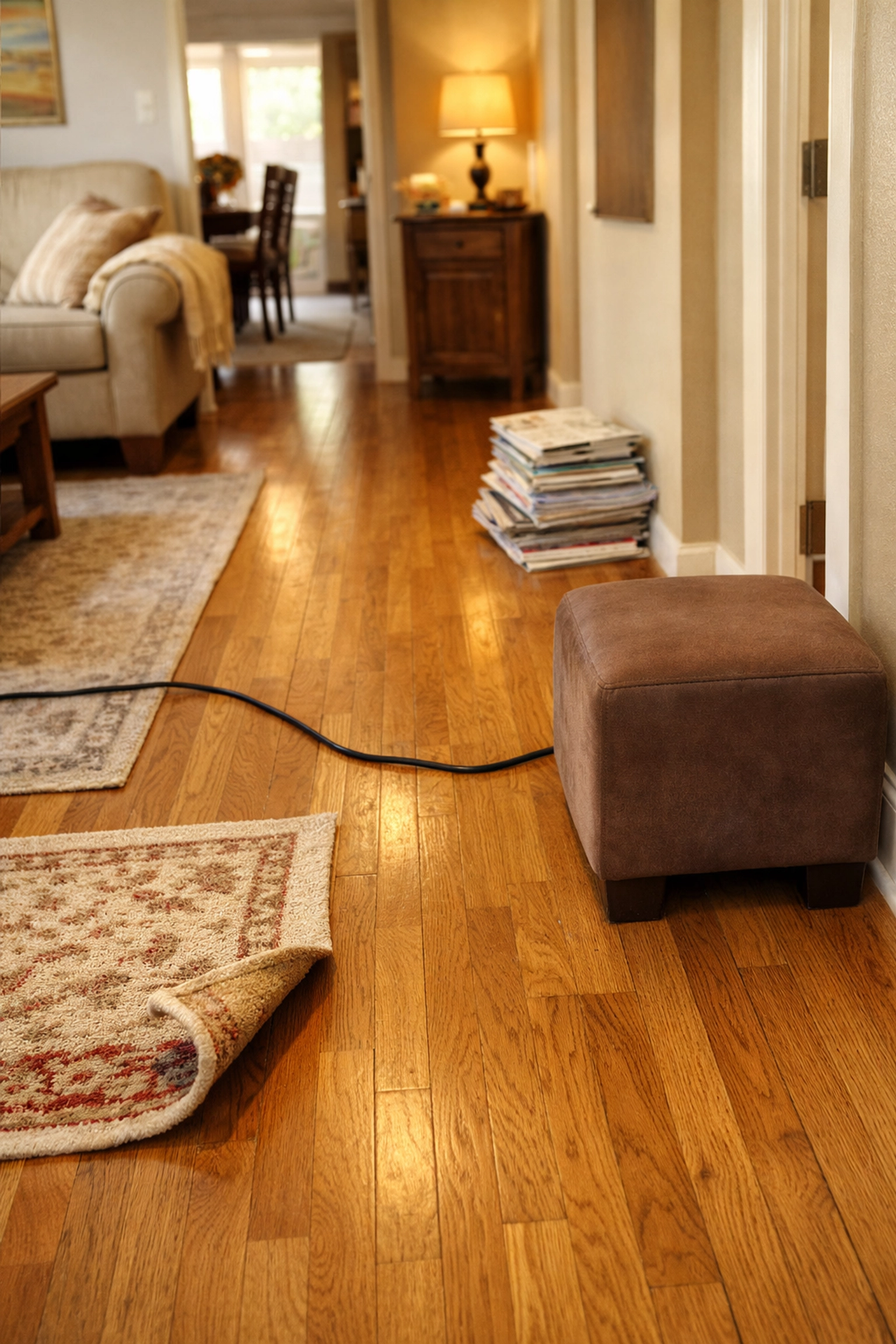
Physical therapists often conduct home safety assessments and consistently find the same issues:
Clutter and obstacles. Newspapers, shoes, electrical cords, and small furniture pieces create tripping hazards, especially in frequently traveled paths.
Poor lighting. Dim hallways, staircases without adequate illumination, and rooms with dark corners make it difficult to spot hazards in time to avoid them.
Bathroom risks. Smooth tub and shower surfaces, lack of grab bars, and wet floors make bathrooms particularly dangerous spaces.
Stairs without proper support. Missing or loose handrails, uneven steps, and slippery treads all increase risk.
Throw rugs and mats. These frequently shift or bunch up, creating unexpected obstacles.
Uneven flooring transitions. Changes in floor level or material that aren't clearly visible can catch feet unexpectedly.
Creating a safer home doesn't require expensive renovations. Simple modifications like improving lighting, removing clutter, securing rugs with non-slip backing, and installing grab bars can make a significant difference.
Physical therapists emphasize that home modifications should be personalized based on individual mobility patterns and challenges. What works for one person might not address another's specific needs.
Mistake #4: Not Reviewing Medications With Healthcare Providers
Medications save lives and improve health, but they can also increase fall risk in ways that aren't always obvious. This is one area where physical therapists consistently see gaps in awareness.
Certain medications can cause dizziness, drowsiness, confusion, or changes in blood pressure that affect balance and coordination. The challenge is that these effects aren't always immediate or dramatic: they can be subtle and gradual.
Common medication categories that may increase fall risk include:
- Blood pressure medications that can cause sudden drops when standing
- Sleep aids that may cause morning drowsiness or nighttime confusion
- Antidepressants that can affect balance and alertness
- Diuretics that increase bathroom trips and can cause dehydration or dizziness
- Pain medications that may reduce alertness or coordination
- Certain diabetes medications that can cause blood sugar fluctuations

The risk increases significantly when taking multiple medications simultaneously: a situation called polypharmacy. Each medication might be necessary and appropriate on its own, but their combined effects on balance and cognition can be unpredictable.
Physical therapists recommend:
- Regularly reviewing all medications (including over-the-counter drugs and supplements) with your doctor or pharmacist
- Reporting any new dizziness, lightheadedness, or balance problems after starting a medication
- Never stopping medications without medical guidance
- Being especially careful when standing up after taking medications that affect blood pressure
- Understanding the timing of medication effects: knowing when dizziness or drowsiness is most likely
Communication between all healthcare providers is essential. Your physical therapist, primary care doctor, and pharmacist should all be aware of medications you're taking and any balance concerns you're experiencing.
Mistake #5: Postponing Vision and Hearing Checks
When was the last time you had your vision checked? What about your hearing? If it's been more than a year, you might be overlooking an important fall prevention strategy.
Vision problems prevent you from seeing hazards in your path. That uneven sidewalk, cluttered hallway, or step down becomes invisible until it's too late. Even minor changes in depth perception or peripheral vision can affect your ability to navigate safely.
Physical therapists emphasize that good vision isn't just about reading clarity: it's about spatial awareness and detecting obstacles in time to respond appropriately.
Hearing might seem less directly related to balance, but it plays a significant role. Your inner ear contributes to balance, and hearing helps you maintain spatial orientation. Some research suggests that even mild hearing loss correlates with increased fall risk, possibly because the brain must work harder to process sounds, leaving fewer resources for balance and gait.
Regular vision and hearing checks should include:
- Annual comprehensive eye exams
- Properly fitted corrective lenses if needed
- Hearing tests, especially if you've noticed changes
- Ensuring hearing aids are properly maintained and fitted
- Updating prescriptions promptly when vision changes
If you wear glasses, physical therapists also recommend being mindful of bifocals or progressive lenses on stairs. The bottom portion of these lenses can distort depth perception when looking down at steps.
Mistake #6: Wearing Problematic Footwear
Shoes might seem like a minor detail in fall prevention, but physical therapists rank footwear as one of the most important: and most overlooked: risk factors.
The wrong shoes can turn a stable person into someone at high risk. The right shoes provide a foundation for safe movement.
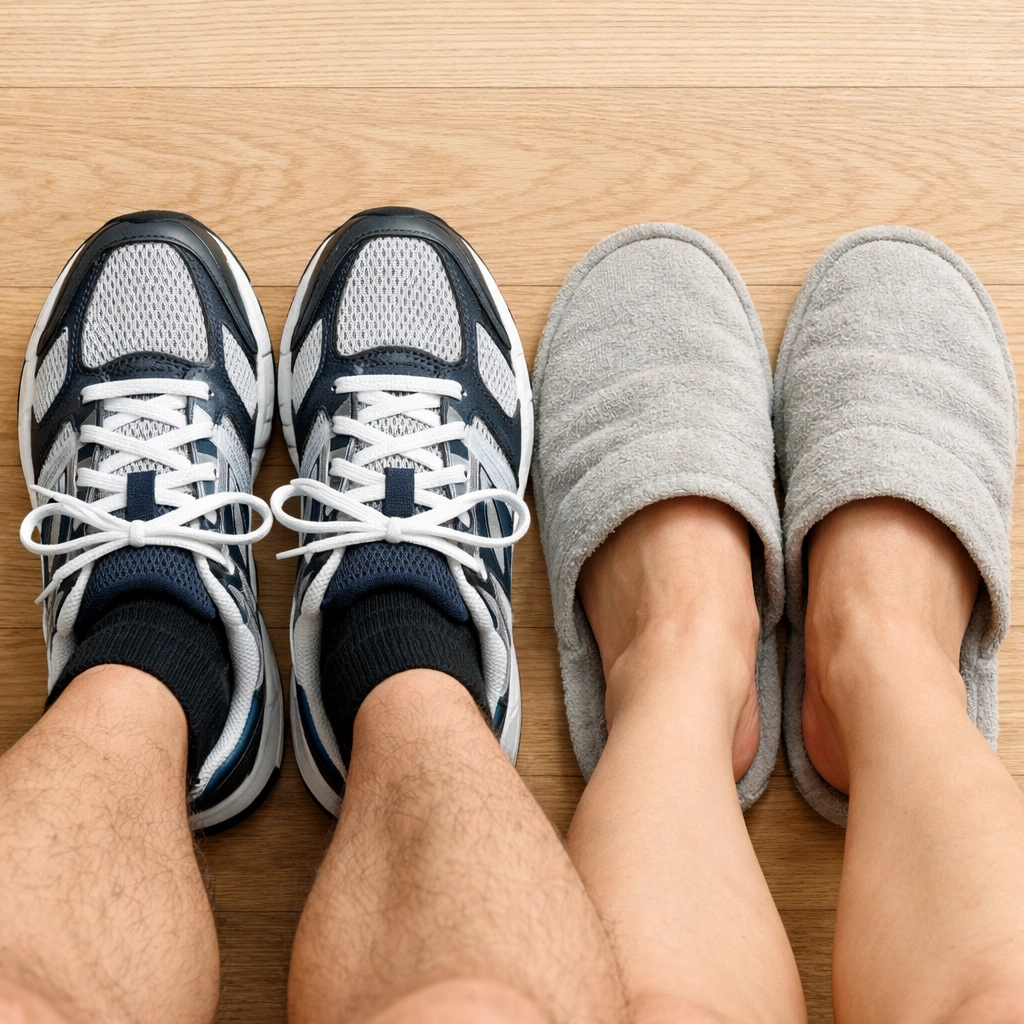
Problematic footwear includes:
High heels. These shift your center of gravity forward and reduce stability.
Backless shoes or slippers. Without a secure back, shoes can slip off at critical moments or catch on surfaces.
Smooth soles. Leather or worn rubber soles provide insufficient traction, especially on smooth or wet surfaces.
Poorly fitted shoes. Too loose and they slip; too tight and they affect circulation and sensation.
Worn-out shoes. Even good shoes eventually lose their support and traction.
Physical therapists recommend shoes that:
- Fit properly with enough room for toes but secure heel support
- Have non-slip, rubber soles with adequate tread
- Provide good arch support
- Fasten securely (laces, velcro, or sturdy straps)
- Have low, wide heels for stability
Around the house, many people default to slippers or socks. Physical therapists suggest wearing supportive shoes even indoors, especially if you have balance concerns. If you prefer going barefoot, non-slip socks with rubber grips can be safer than regular socks on smooth floors.
The Role of Professional Assessment
One common thread runs through all these mistakes: the benefit of professional guidance. While general information helps, physical therapists can provide personalized fall risk assessments that identify your specific vulnerabilities.
A comprehensive assessment typically includes:
- Evaluation of strength, particularly in the legs and core
- Balance testing under various conditions
- Gait analysis to identify movement patterns that increase risk
- Review of medical history and medications
- Discussion of previous falls or close calls
- Assessment of home environment
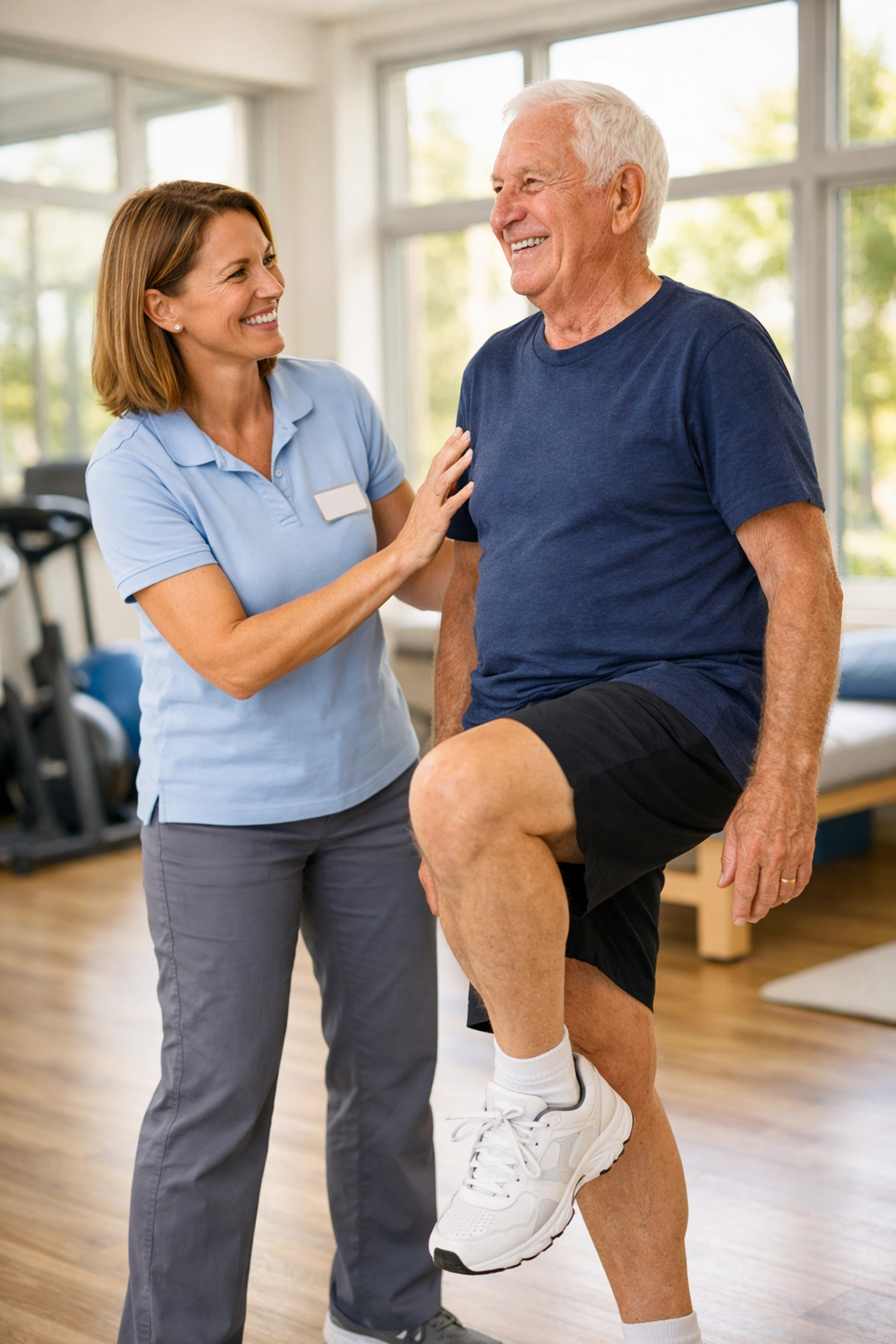
Based on these findings, physical therapists develop customized exercise programs that target individual needs. Someone with weak ankles needs different exercises than someone with poor core strength. A person recovering from a stroke has different requirements than someone with arthritis.
This individualized approach is more effective than generic advice because it addresses your specific challenges and builds on your existing strengths.
Moving Forward With Confidence
Preventing falls isn't about wrapping yourself in bubble wrap or avoiding all risk. It's about understanding real hazards, addressing modifiable risk factors, and maintaining the strength and balance needed for safe, independent living.
The mistakes covered here are common precisely because they seem reasonable at first glance. Of course you'd be more careful at home. Naturally you'd rest more after a fall. Surely those comfortable old slippers are fine.
But physical therapists know that effective fall prevention requires questioning these assumptions and taking a more strategic approach. Small changes: staying active, reviewing medications, wearing proper shoes, maintaining your home, and getting regular checkups: add up to significant risk reduction.
Falls aren't inevitable, and you don't have to accept them as part of your future. With the right information and approach, you can maintain mobility, independence, and confidence for years to come.

