
When you take on the role of a caregiver for an aging parent or loved one, your primary goal is to keep them safe, comfortable, and independent. It is a noble task, but it can also be an overwhelming one. Among the many concerns that keep caregivers up at night, falls are often at the top of the list. We know the statistics: falls are a leading cause of injury for seniors. However, statistics don’t tell the whole story.
The story that matters is the one happening in your home every day. Often, despite our best intentions, we overlook small hazards or subscribe to common myths about aging that actually increase the risk of a tumble. Fall prevention isn’t just about clearing a path through the living room; it’s a comprehensive approach to health, environment, and habit.
In this guide, we’re going to look at the common mistakes caregivers make and, more importantly, how to fix them. My goal is to give you a sense of clarity and a roadmap to making your home a truly safe haven.
Why Fall Prevention is More Than Just Tidying Up
Most people think of fall prevention as a "housekeeping" task. They think that if they pick up the clutter and move the coffee table, the job is done. While a clear floor is essential, fall prevention is actually a multi-faceted health strategy.
A fall is rarely caused by just one thing. It is usually a combination of environmental factors (like a slippery floor), physical factors (like weak leg muscles), and sensory factors (like poor vision or medication side effects). To truly protect your loved one, you have to look at the whole picture.
Mistake #1: Overlooking the Power of Lighting
We often underestimate how much aging eyes rely on bright, clear light. As we age, the pupils shrink and the lenses of the eyes yellow, meaning less light reaches the retina. A 60-year-old person needs significantly more light to see as well as a 20-year-old.
Many caregivers leave hallways or stairwells dim to save on electricity or because they’ve simply become accustomed to the low light. This is a major mistake. Shadows can hide changes in floor height or small objects, and glare can be just as disorienting as darkness.
How to fix it:
- Increase the wattage of bulbs in all lamps and overhead fixtures (staying within the fixture's safety rating).
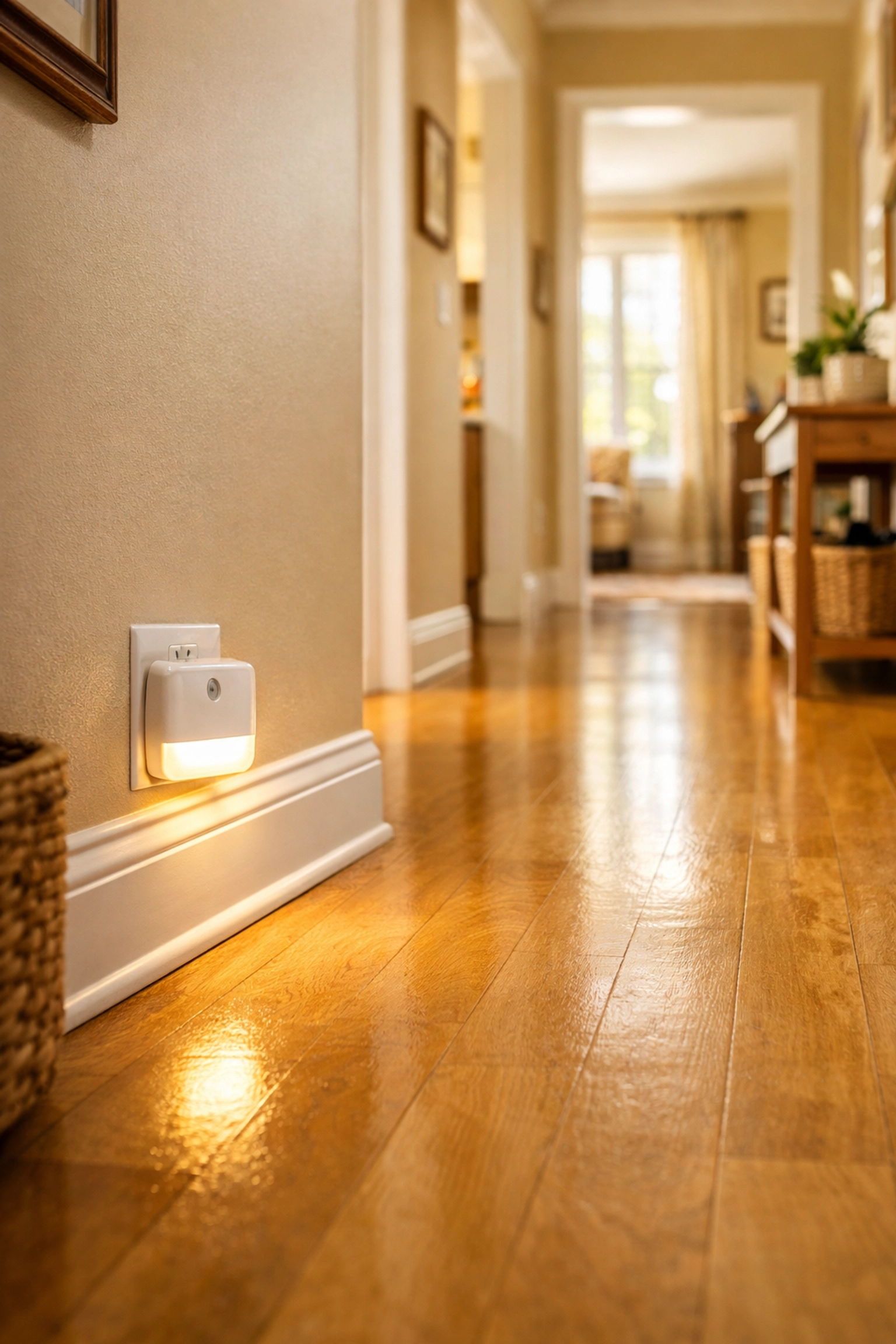
- Install motion-sensor nightlights in the bathroom, hallways, and the bedroom.
- Ensure there are light switches at both the top and bottom of every staircase.
- Use "cool white" or "daylight" bulbs, which provide better contrast than "warm" yellow bulbs.
Mistake #2: The "Just Be Careful" Mindset
It is natural to want to tell your loved one to "just slow down" or "be careful." While well-meaning, this advice can actually backfire. When a senior becomes overly fearful of falling, they often become less active. This leads to a "fear-of-falling cycle":
- Fear of falling leads to decreased activity.
- Decreased activity leads to muscle weakness and poor balance.
- Weakness and poor balance actually increase the risk of falling.
How to fix it:
Instead of encouraging "carefulness" through inactivity, encourage safe movement. Strength and balance training are the most effective ways to prevent falls.
Consider looking into community classes for Tai Chi or Chair Yoga. These activities focus specifically on weight shifting and core stability. If your loved one is hesitant, talk to a physical therapist who can design a home-based program tailored to their specific abilities. The goal is to build the "physical armor" that keeps them upright.
Mistake #3: Underestimating the Importance of Footwear
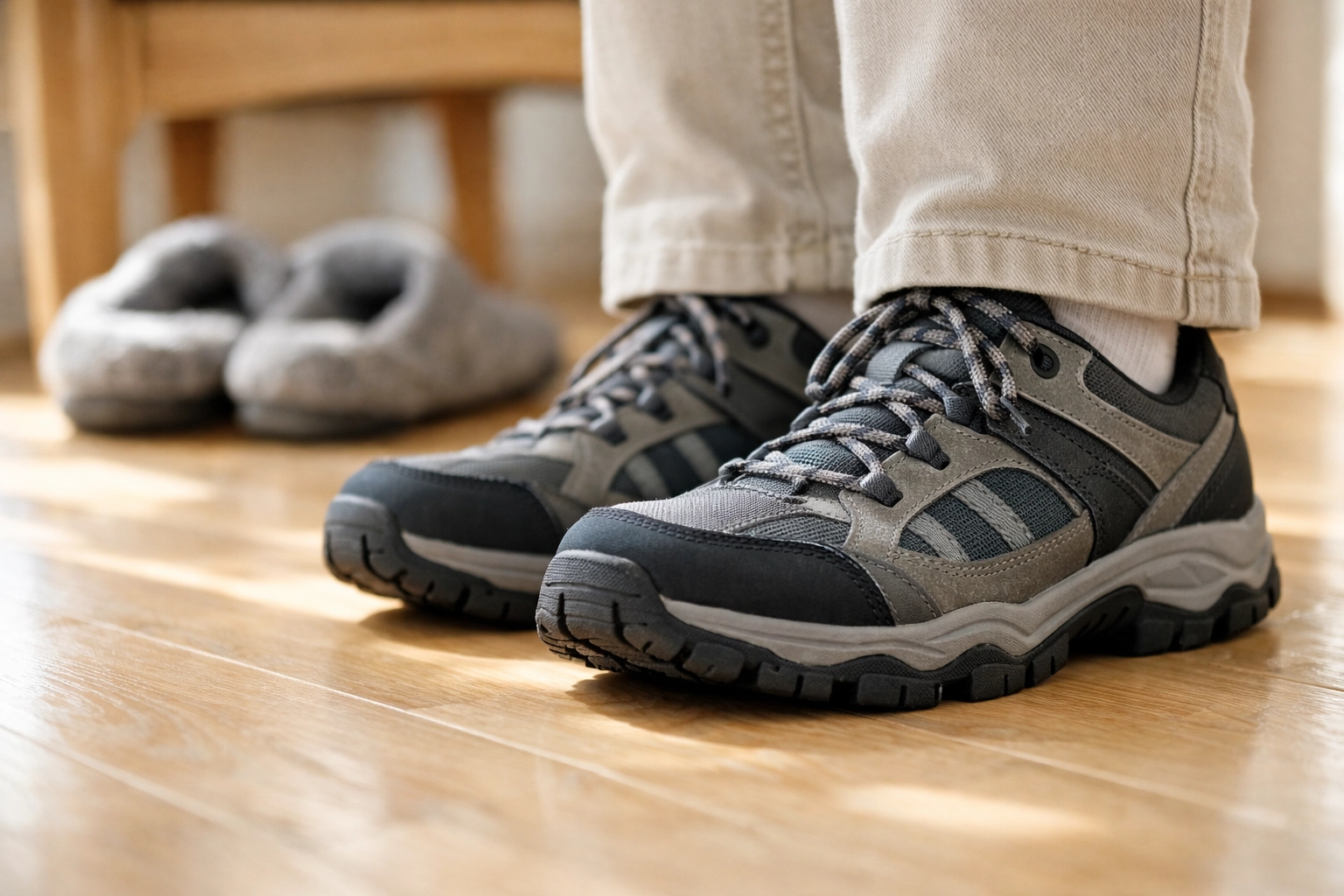
What your loved one wears on their feet inside the house is just as important as what they wear outside. Many seniors prefer walking in socks or loose-fitting slippers for comfort. However, socks on hardwood or tile floors are a recipe for a slide, and floppy slippers offer no support for the ankles or arches.
How to fix it:
Encourage the use of "indoor-only" shoes. These should be sturdy, well-fitting shoes with a non-slip rubber sole and a back (no clogs or flip-flops). If they absolutely insist on socks, ensure they are the high-grip variety with rubberized treads on the bottom, though sturdy shoes are always the safer bet.
Mistake #4: The "Furniture Surfing" Habit
Have you noticed your loved one touching the walls, the back of the sofa, or the edge of the kitchen counter as they walk through the house? This is known as "furniture surfing." While it feels like a safety measure to them, it is actually a sign that their balance is compromised and their environment isn't providing the right kind of support.
Furniture isn't designed to hold a person’s weight. A chair can slide out from under them, or a towel bar can pull out of the wall.
How to fix it:
Recognize furniture surfing as a red flag. It’s a signal that it might be time to install dedicated support structures. Professional-grade grab bars in the bathroom and sturdy handrails on both sides of every staircase are non-negotiable. For open spaces where there are no walls to hold onto, consider stability aids like floor-to-ceiling poles that provide a solid, vertical grip. These are much safer than leaning on a wobbly end table.
Mistake #5: Misunderstanding Medication Side Effects
Many medications common for seniors: such as those for blood pressure, sleep, or anxiety: can cause dizziness, lightheadedness, or "orthostatic hypotension" (a sudden drop in blood pressure when standing up).
Caregivers often miss the connection between a new prescription and a sudden increase in stumbles. Furthermore, taking multiple medications (polypharmacy) increases the risk of interactions that affect balance.
How to fix it:
- Request a "medication review" with your loved one’s primary doctor or pharmacist at least once a year.
- Ask specifically: "Does this medication increase the risk of falls?"
- Be extra vigilant for two weeks after any dosage change or new prescription.
- Encourage your loved one to sit on the edge of the bed for a full minute before standing up in the morning to let their blood pressure stabilize.

Mistake #6: DIY "Safe" Home Fixes (The Throw Rug Trap)
We love our rugs. They add color and warmth to a room. But for a senior with a shuffling gait or someone using a walker, a throw rug is an invisible tripwire. Many caregivers try to "fix" this by putting double-sided tape under the rug or placing furniture on the corners.
While this helps keep the rug from sliding, it doesn't change the fact that the edge of the rug is a lip that a toe can catch on.
How to fix it:
The most reassuring advice I can give is also the hardest to hear: remove the rugs. If you must have them, they should be very low-pile and firmly secured with professional-grade non-slip backing, but "wall-to-wall" carpet or bare, non-slip floors are always safer.
Similarly, don't try to "DIY" a grab bar by using a heavy-duty towel rack. Towel racks are held in by small screws and plastic anchors; they will not hold a 150-pound person during a fall. Always use hardware rated for weight-bearing and ensure it is anchored into the wall studs.
Mistake #7: Thinking Fall Prevention is a One-Time Task
Home safety isn't a "set it and forget it" project. A senior's needs change. A setup that worked six months ago might not be sufficient if their mobility has declined or if they are recovering from a minor illness.
How to fix it:
Perform a "Home Safety Audit" every change of season. As you change the batteries in the smoke detectors, walk through the house with a fresh set of eyes.
- Is the clutter starting to pile up again?
- Are there new "furniture surfing" spots?
- Are the outdoor paths clear of moss or debris?
- Is the lighting still bright enough?

Creating a Proactive Plan: Your Next Steps
If you’re feeling a bit overwhelmed by this list, take a deep breath. You don't have to fix everything today. Start with the "big wins": the changes that have the highest impact with the least amount of effort.
- Start with the Bathroom: This is where most serious falls happen due to wet surfaces. Install high-quality grab bars and use a non-slip mat inside the tub.
- Brighten the Path: Spend twenty minutes today changing old bulbs for brighter ones and plugging in nightlights.
- Schedule a Vision Check: Sometimes a fall is simply the result of an outdated glasses prescription. An annual eye exam is a vital part of fall prevention.
- Talk to the Pros: If you aren't sure how to safely modify a room, consult an occupational therapist. They are experts at looking at an environment and figuring out how to make it fit a person’s specific physical needs.
A Reassuring Word for the Caregiver
Caregiving is a journey of constant adjustment. It’s okay if you haven't done everything perfectly up to this point. The fact that you are looking for information and trying to improve the safety of your home shows how much you care.
Fall prevention isn't about creating a "bubble" around your loved one; it’s about providing the right tools and the right environment so they can continue to move through their world with confidence. By addressing these common mistakes: improving lighting, encouraging activity, and securing the environment: you aren't just preventing a fall. You are preserving their dignity and their independence.
Take it one step at a time, keep the communication open with your loved one, and remember that a safe home is a happy home.

