
One in four older adults experiences a fall each year. That statistic might sound alarming, but here's the encouraging part: most falls are preventable. The challenge isn't a lack of concern: it's that many families simply don't realize what they're missing.
You might be doing everything you think is right. You've told your mom to be careful. You've reminded your dad to take his time. But fall prevention goes far beyond simple caution. The truth is, well-meaning families often overlook critical factors that significantly increase fall risk.
This guide walks you through the most common mistakes families make and, more importantly, what you can do about them. Whether you're caring for an aging parent or helping a loved one maintain their independence, these insights can make a real difference.
The Mistakes You Might Be Making
Overlooking Environmental Hazards in Plain Sight
Walk through your loved one's home right now. Really look at it. Those throw rugs by the bathroom? That lamp cord stretching across the hallway? The cluttered path from the bedroom to the kitchen? These aren't just inconveniences: they're fall hazards hiding in plain sight.
Most families focus on the obvious dangers like stairs, but everyday items pose significant risks. Loose carpeting edges, uneven flooring transitions, and even furniture positioned too close together can catch someone off guard. The problem is that these hazards become invisible to people who see them every day.
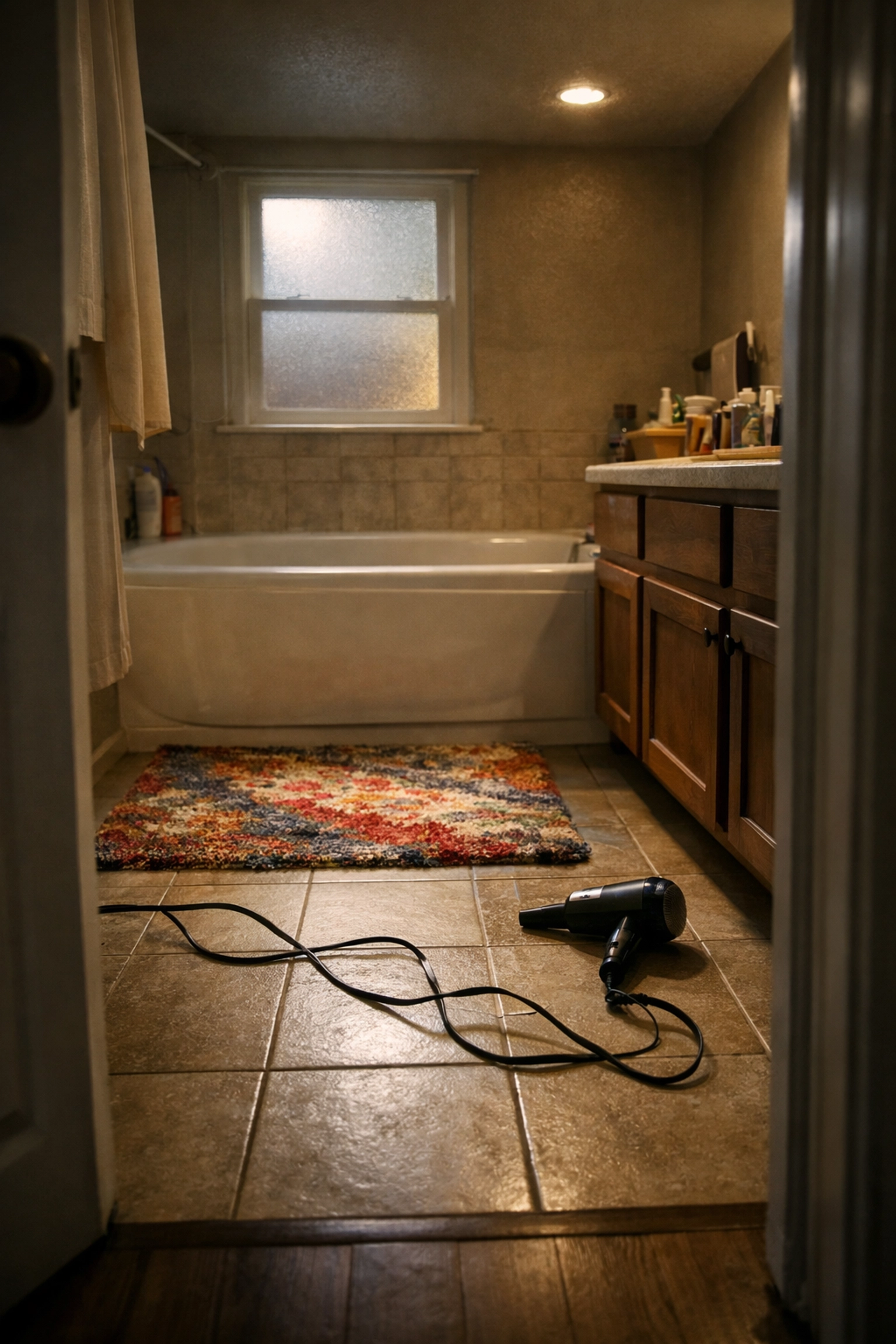
Lighting deserves special attention. Many homes have adequate lighting during the day but become obstacle courses at night. Hallways, bathrooms, and stairways need consistent, bright illumination around the clock. A midnight trip to the bathroom shouldn't require navigating in the dark.
Ignoring How Health Changes Affect Balance
Here's what many families miss: aging isn't just about getting older. It brings measurable changes in coordination, flexibility, vision, and balance. These changes happen gradually, which means they're easy to dismiss or adapt to without realizing the increased risk.
Chronic conditions like diabetes, arthritis, and cardiovascular disease affect stability in ways that aren't immediately obvious. Medications can cause dizziness or drowsiness. Vision changes make depth perception difficult. Even mild hearing loss can impact balance because our ears help us maintain equilibrium.
The mistake isn't acknowledging that someone is aging: it's failing to understand how these interconnected factors combine to increase fall risk. A person might compensate well for one issue but struggle when multiple factors come into play.
Making Poor Footwear Choices
Slippers feel comfortable. High heels look nice. But both are problematic for older adults. Footwear matters more than most families realize, and this is one of the easiest mistakes to fix.
Smooth-soled slippers provide almost no traction. Shoes without proper support fail to provide stability. Even regular shoes with worn treads or improper fit can compromise balance. The right footwear provides a stable foundation for every step.
10 Things Every Family Should Know
1. Bathrooms Require Specific Modifications
Bathrooms are where many falls occur, and the fixes are straightforward. Grab bars near the toilet, inside the shower, and next to the tub provide crucial support points. These aren't just helpful: they're essential.
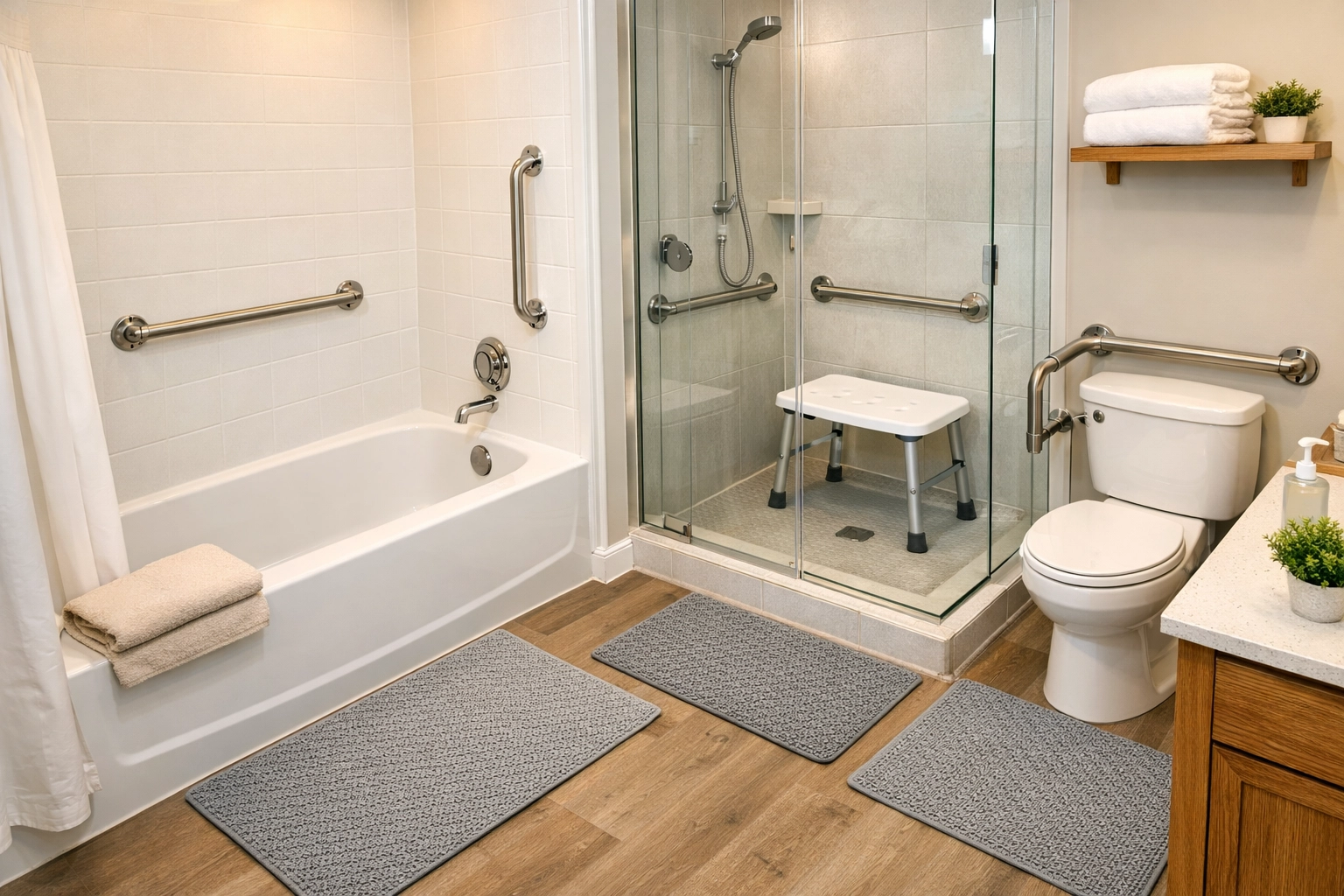
Install nonslip mats inside the shower and on the bathroom floor. Consider a shower bench or chair for those who have difficulty standing for extended periods. An elevated toilet seat can make sitting and standing easier and safer.
Don't wait for a fall to make these changes. Prevention is always easier than recovery.
2. Home Layout Needs Strategic Organization
Clear pathways throughout the home should be a priority. This means removing unnecessary furniture, eliminating clutter, and ensuring electrical cords stay against walls rather than crossing walkways.
Keep frequently used items within easy reach to minimize stretching and bending. Store heavy items at waist level instead of on high shelves or low cabinets. Arrange furniture to create clear, wide pathways between rooms.
The goal is creating an environment where someone can move confidently without unexpected obstacles or the need for risky maneuvers.
3. Lighting Makes an Enormous Difference
Good lighting isn't optional: it's fundamental to fall prevention. Use higher-wattage bulbs where appropriate, and add nightlights in bedrooms, bathrooms, hallways, and near stairways.
Consider motion-activated lights for nighttime navigation. These automatically illuminate when someone gets out of bed, providing visibility without fumbling for switches. Keep a flashlight or lamp easily accessible next to the bed.
Lighting should be consistent throughout the home, with special attention to transition areas where people move from one room to another or from one floor level to another.
4. Handrails and Grab Bars Provide Security
Install handrails on both sides of stairways: not just one. Make sure they extend beyond the top and bottom steps. These should be securely mounted and comfortable to grip.
Grab bars work best when placed strategically throughout the home, not just in the bathroom. Consider adding them near entrances, in hallways, and anywhere someone might need support.
The investment in proper installation pays dividends in confidence and safety. A grab bar that someone actually uses is far more valuable than one that's merely decorative.
5. Regular Exercise Builds Strength and Balance
Physical activity isn't just about general health: it directly impacts fall prevention. Regular, moderate exercise improves muscle strength, balance, flexibility, and coordination.
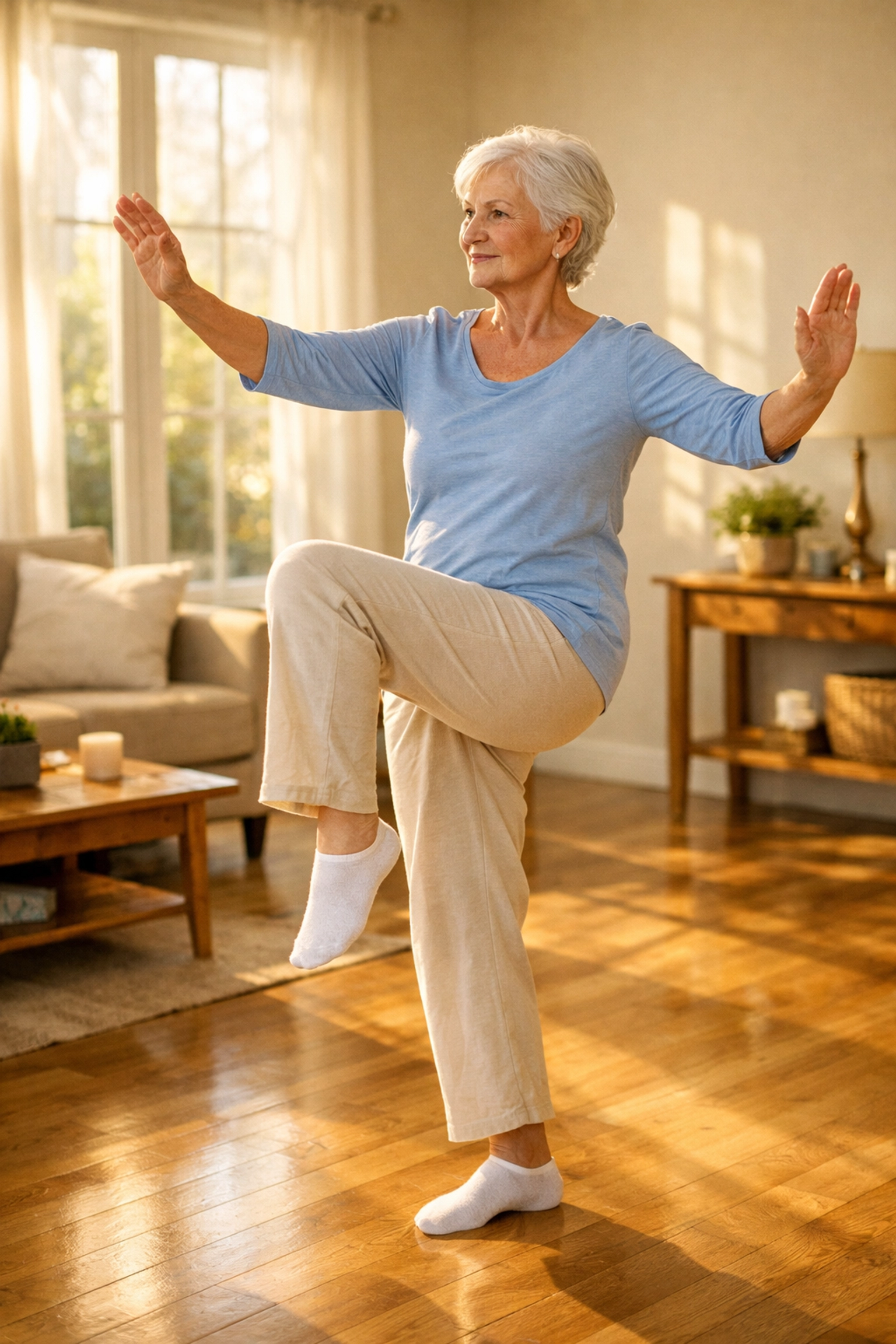
Activities like tai chi, yoga, Pilates, and dance are particularly beneficial because they specifically target balance and body awareness. Even daily walks help maintain leg strength and cardiovascular fitness.
The key is consistency. Regular movement keeps muscles strong, joints flexible, and balance systems sharp. Consult with a healthcare provider before starting any new exercise program, but don't let perfect be the enemy of good. Some movement is always better than none.
6. Assistive Devices Work When Used Correctly
A cane or walker only helps if someone uses it properly and consistently. Many people have assistive devices gathering dust in a closet because they're uncomfortable, the wrong size, or they never learned proper technique.
Work with a physical or occupational therapist to determine which devices are appropriate and how to use them correctly. The right assistive device should feel helpful, not burdensome.
Make sure devices are properly sized and adjusted. A cane that's too tall or too short compromises stability rather than improving it. Regular maintenance ensures devices remain safe and functional.
7. Taking Time Prevents Falls
Rushing is a major fall risk factor. Encourage a slower pace, especially when transitioning from sitting to standing or when navigating unfamiliar environments.
Standing up too quickly can cause dizziness or lightheadedness. Taking a moment to steady oneself before walking makes a significant difference. This is especially important after meals, after waking, or when standing after extended sitting.
Extra caution on wet, icy, or uneven surfaces isn't being overly cautious: it's being smart. Moving deliberately isn't about losing independence; it's about maintaining it.
8. Keeping Hands Free Improves Stability
Carrying items while walking prevents using handrails and makes recovering from a stumble more difficult. Use shoulder bags, crossbody bags, or backpacks to keep hands free.
For items that need to be carried, make multiple trips rather than trying to carry everything at once. Pride isn't worth the risk of a fall. Using a rolling cart or basket for laundry, groceries, or other items provides stability while moving things from place to place.
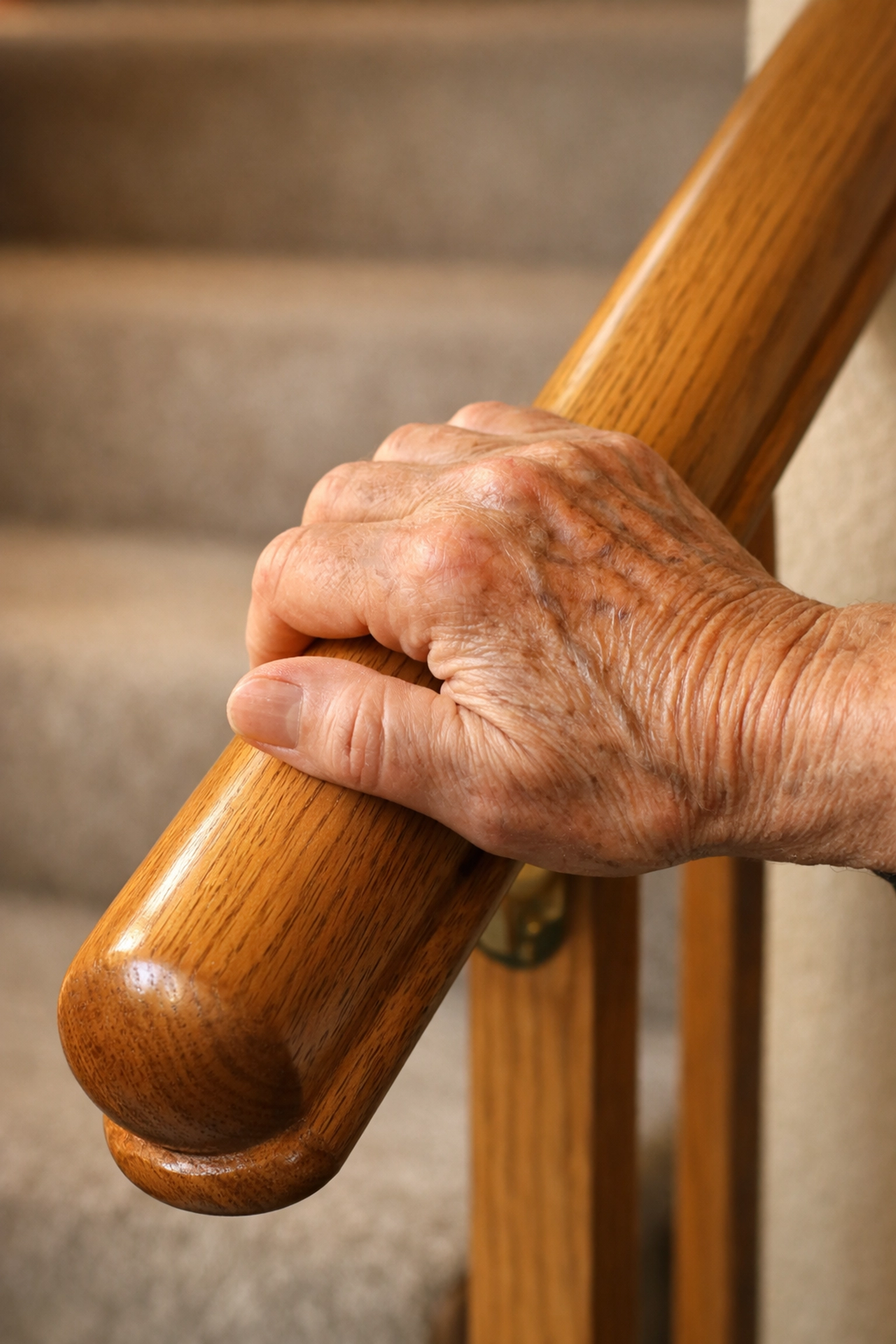
The simple act of keeping hands available for support significantly reduces fall risk, especially on stairs or in transition areas.
9. Weather Requires Extra Preparation
Icy walkways, wet leaves, and snow create hazardous conditions. Use ice melt products or sand on outdoor surfaces before they're needed. Don't wait until after a storm: be proactive.
Consider alternative arrangements during severe weather rather than risking outdoor navigation. It's okay to ask for help with errands or appointments when conditions are dangerous.
Proper footwear with good traction becomes even more critical during weather challenges. Keep appropriate footwear near entrances for quick changes when coming inside or going out.
10. Regular Health Check-ups Are Preventive Maintenance
Vision changes, medication side effects, and evolving health conditions all impact fall risk. Regular check-ups with healthcare providers help identify and address these factors before they cause problems.
Annual vision exams ensure prescriptions are current. Medication reviews help identify drugs that might cause dizziness, drowsiness, or balance issues. Discussions about exercise, nutrition, and specific health concerns provide opportunities for personalized guidance.
Don't wait for a problem to see a doctor. Preventive care catches issues early when they're easier to address.
The Bigger Picture
Fall prevention isn't about one single intervention. It's about creating an environment and lifestyle that support safety and independence simultaneously. The families who succeed in preventing falls recognize that multiple small actions combine to create significant protection.
Start with one or two changes. Maybe it's better lighting in the hallway. Perhaps it's clearing clutter from walkways. Don't feel overwhelmed by trying to address everything at once. Each improvement reduces risk and builds momentum for additional changes.
The goal isn't creating a hospital-like environment or restricting independence. It's about making thoughtful adjustments that allow older adults to maintain their autonomy while staying safe. That's a balance worth achieving.
Most falls are preventable. Armed with the right knowledge and willingness to make changes, families can dramatically reduce the risk their loved ones face. It starts with recognizing the mistakes you might be making and committing to doing things differently.
Your loved one's safety and independence depend on actions you take today. Start now, start small, and build from there. The effort you invest in fall prevention pays dividends in security, confidence, and quality of life for everyone involved.

