
Occupational therapists visit hundreds of homes each year, and when they step into bathrooms, they see the same preventable hazards over and over again. The bathroom is where 80 percent of home falls happen, yet most people don't realize their daily routines are putting them at risk.
Here's the thing: these aren't obscure safety issues that require specialized knowledge to spot. They're common mistakes that happen in nearly every home, often because we've never stopped to think about how we actually use our bathrooms. Let's walk through the five mistakes occupational therapists see most often: and what you can do about them.
Mistake #1: Using Towel Bars as Grab Bars
This is the number one mistake occupational therapists encounter, and it's also one of the most dangerous. When people need support getting in or out of the tub, they instinctively reach for whatever's nearby. Usually, that's the towel bar.
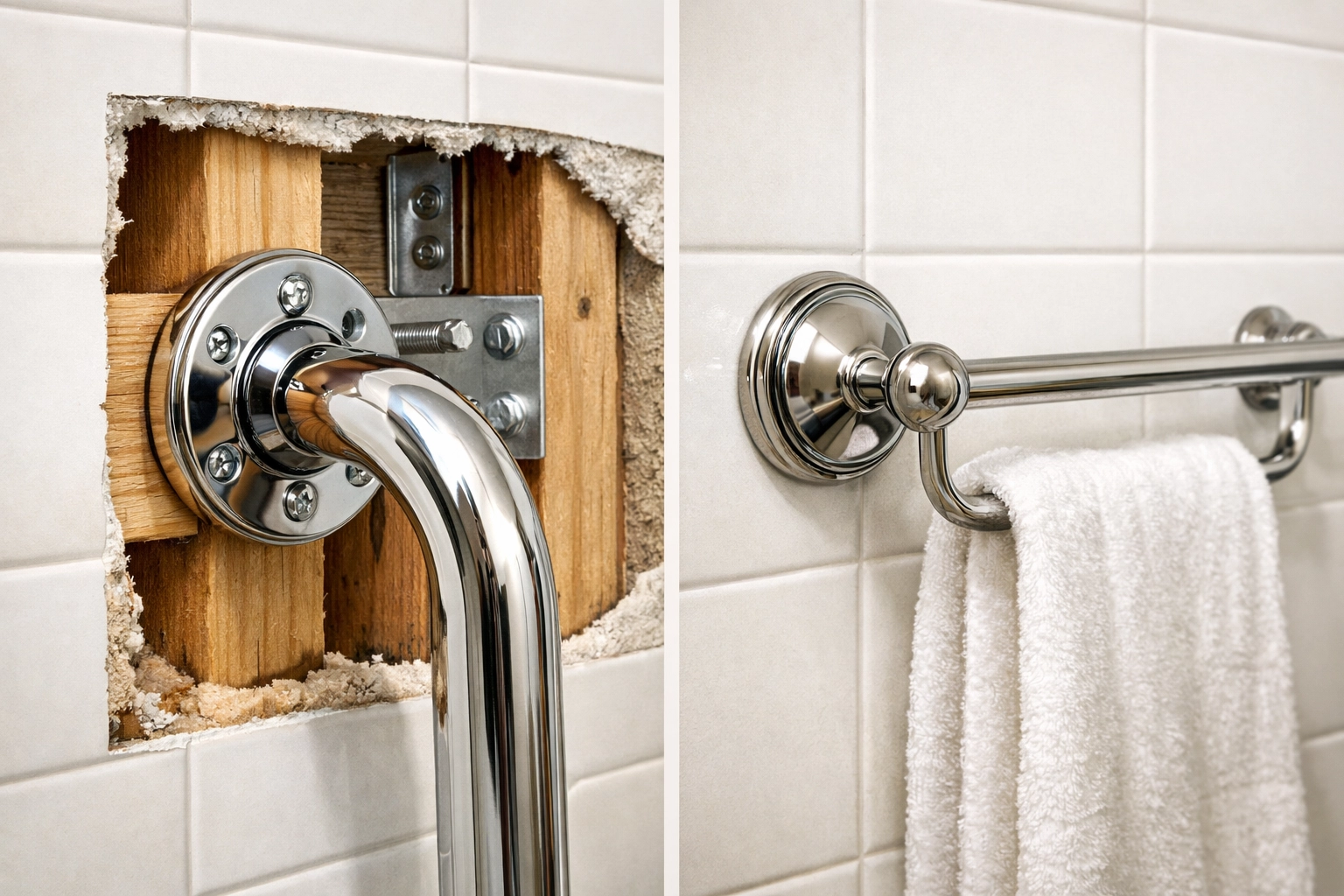
The problem? Towel bars aren't designed to support body weight. They're attached with short screws that go into drywall or tile: not into studs. When you put your full weight on a towel bar, it can rip right out of the wall. The result is often a backward fall onto hard tile or porcelain.
What Real Grab Bars Look Like
Actual grab bars are different in several important ways. They're made from sturdier materials, typically stainless steel or reinforced plastic. More importantly, they're installed directly into wall studs using long, heavy-duty screws that can support 250 to 500 pounds of force.
Real grab bars also have a textured surface that provides grip even when wet. They're positioned at specific heights and angles based on how people actually transfer their weight when moving around the bathroom.
Where Grab Bars Should Go
Occupational therapists typically recommend grab bars in these locations:
- Inside the shower or tub, on the longest wall
- On the wall perpendicular to the toilet
- Near the entrance of the tub or shower
- On both sides of the bathtub if space allows
The exact placement depends on your height, mobility level, and bathroom layout. What works for one person might not work for another, which is why a professional assessment can be valuable.
Mistake #2: Ignoring Slippery Surfaces
Water and smooth surfaces are a recipe for falls, yet many bathrooms have nothing in place to improve traction. Wet tile, porcelain tubs, and even vinyl flooring become incredibly slippery when soap and water are involved.
You might think you're careful, but occupational therapists see falls happen to cautious people all the time. It only takes one moment of losing your balance: reaching for shampoo, turning too quickly, or stepping on a soap-slicked surface: for a fall to occur.
Simple Solutions for Better Traction
The good news is that addressing slippery surfaces doesn't require a bathroom renovation. Here are the modifications occupational therapists recommend most often:
Non-slip strips or decals can be applied to the bottom of your tub or shower floor. These textured adhesive strips provide grip without changing the appearance of your bathroom significantly. Replace them when they start to wear down or peel.
Bath mats with suction cups work well for the floor of your shower or tub. The key word here is suction cups: the mat needs to stay firmly in place. Check the suction regularly and replace mats when they no longer grip securely.
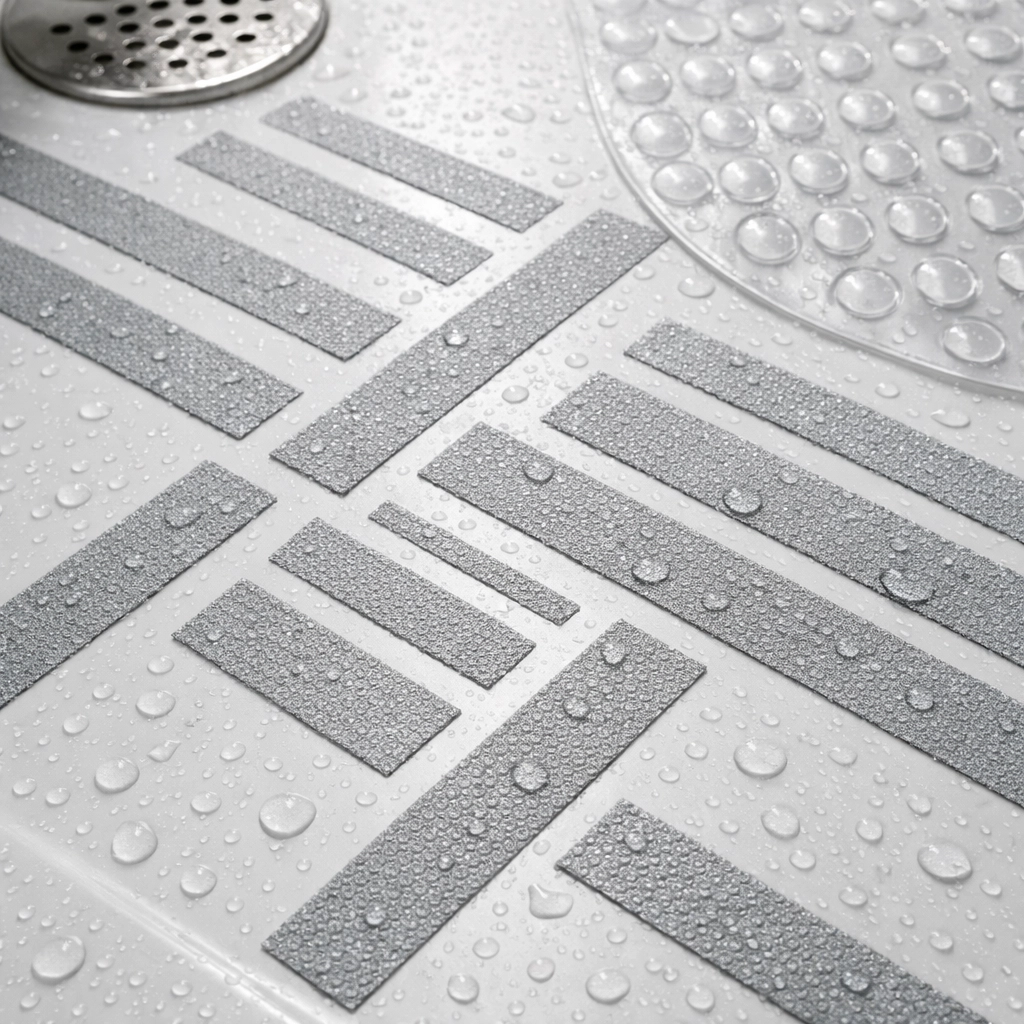
Secure your bathroom rugs with double-sided rug tape or choose mats with rubber backing that won't slide on tile. Those fluffy bath mats that bunch up and slide around are actually tripping hazards.
Consider textured flooring if you're renovating. If you're already planning bathroom updates, choose flooring materials that provide better traction even when wet.
Mistake #3: Turning Your Bathroom Into an Obstacle Course
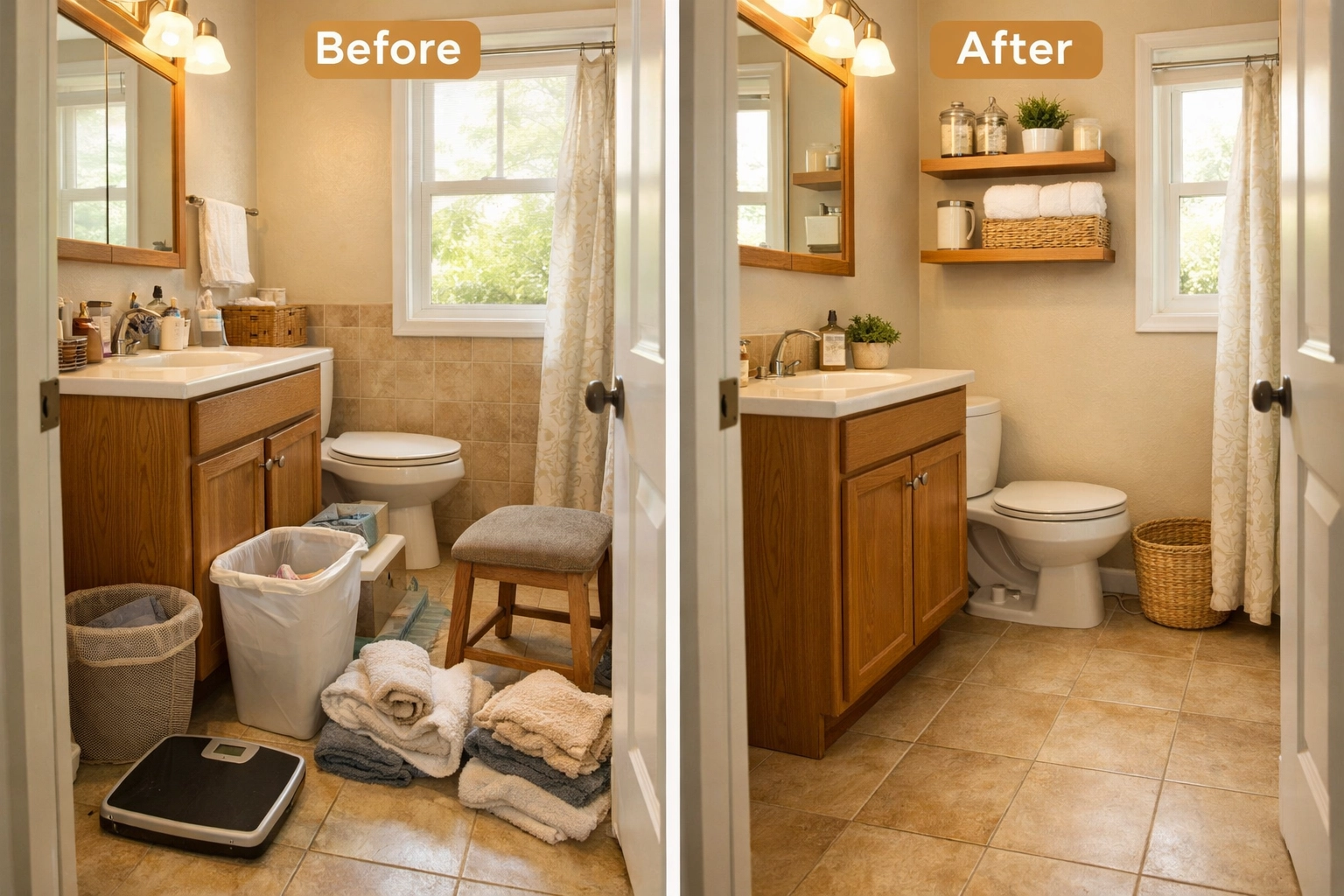
Bathrooms are typically the smallest rooms in the house, which makes clear pathways especially important. Yet many people fill this limited space with unnecessary items, furniture, and clutter that create tripping hazards.
Occupational therapists often find bathroom floors crowded with scale platforms, wastebaskets positioned in walking paths, small stools or benches that jut out, and stacks of towels or magazines. Each item reduces the already limited space for safe movement.
The Clear Path Rule
Think about your bathroom movement patterns. You move from the door to the toilet, from the toilet to the sink, from the sink to the shower or tub. These paths should be completely clear and wide enough to accommodate mobility aids if you use them.
Walk through your bathroom and identify anything that:
- Sits on the floor in your walking path
- Sticks out from walls or counters at shin or knee height
- Creates tight squeezes that require sideways movement
- Could catch on clothing or mobility aids
Smart Storage Alternatives
You don't have to get rid of everything: you just need to store items more strategically:
Wall-mounted storage keeps necessities accessible without taking up floor space. Floating shelves, wall cabinets, and over-toilet storage units all work well.
Under-sink organization makes use of cabinet space instead of counter or floor space. Pull-out drawers and organizers maximize this area.
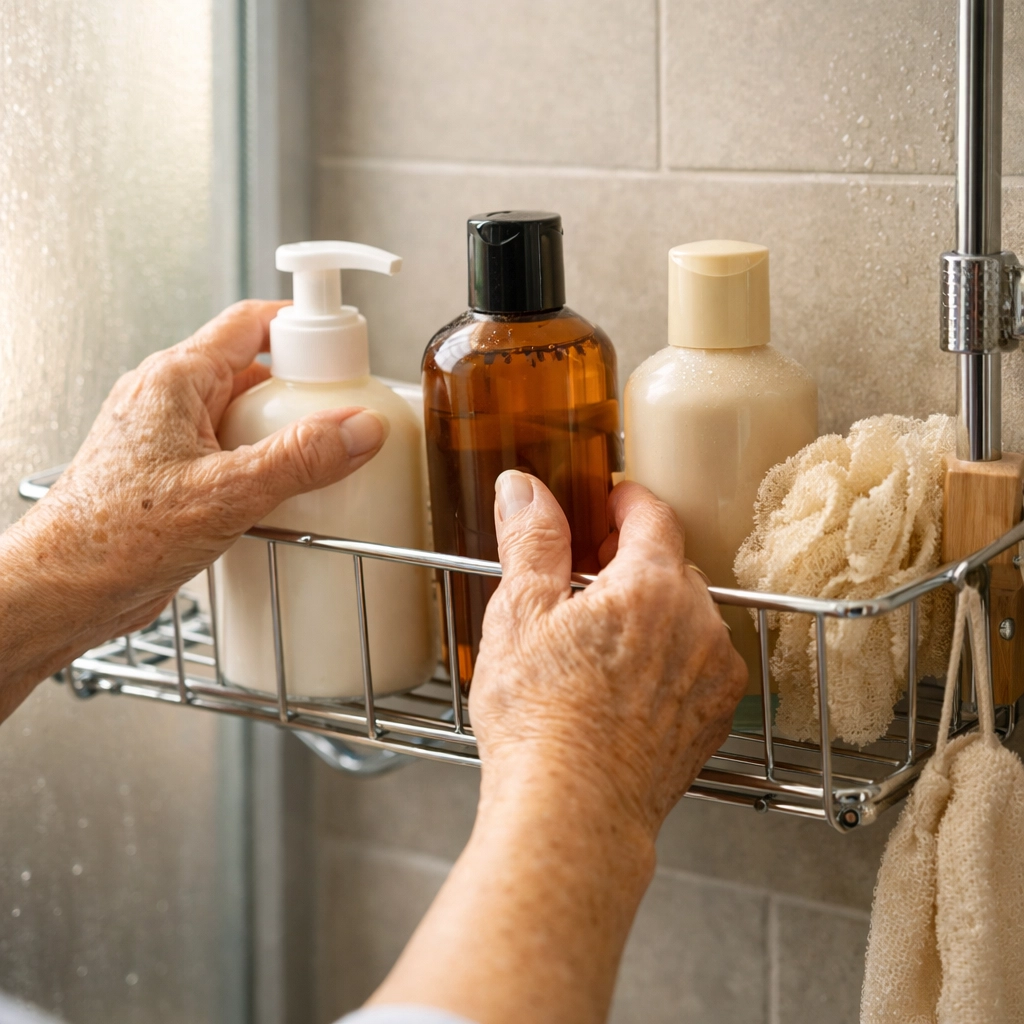
Hanging storage like shower caddies or over-door organizers keeps items within reach without cluttering surfaces.
Minimal decorations might seem less important, but every floor plant, decorative basket, or magazine rack is a potential hazard. Keep décor on walls or high shelves.
Mistake #4: Storing Essential Items Out of Reach
When soap is on a high shelf, shampoo sits on the far edge of the tub, and fresh towels are in the hall closet, you're setting yourself up for risky reaching and bending. These movements require good balance, and bathrooms are already challenging environments for maintaining stability.
Occupational therapists watch people stretch, lean, and twist to grab items they need while bathing or toileting. These movements often happen while standing on one foot or while already off-balance. Add in wet surfaces and limited grab points, and you have a fall waiting to happen.
The Reach Zone Concept
Think about the "reach zone": the area you can access without bending, stretching, or moving your feet. Everything you need regularly should be in this zone.
For shower items, this means:
- Soap, shampoo, and conditioner should be on a caddy at chest to shoulder height
- Washcloths and loofahs should hang within easy reach
- Controls and faucets should be accessible without leaning
For toilet areas:
- Toilet paper should be easily reachable without twisting
- Wipes or other supplies should be within arm's reach
- The flush handle should be on the side that's easier for you to reach
For the general bathroom:
- Keep at least one towel within reach of the shower
- Store daily medications and supplies between waist and shoulder height
- Place frequently used items on the easiest-to-access shelves
Long-Handled Tools Help
Occupational therapists often recommend long-handled reachers for items that can't be moved to the reach zone. These grabbing tools extend your reach by two to three feet and prevent bending or stretching. While they're not a substitute for smart storage, they're useful backup tools.
Mistake #5: Trying to Manage Without Adaptive Equipment
This might be the most common mistake of all. Many people struggle with bathroom tasks that have become difficult: but they don't realize that simple adaptive equipment could make these activities safer and easier.
Pride sometimes plays a role. There's a perception that using assistive devices means giving up independence, when actually the opposite is true. These tools help you maintain independence safely.
Equipment That Makes a Real Difference
Let's look at common bathroom challenges and the equipment that addresses them:
Getting on and off the toilet becomes harder when you have knee, hip, or back problems. Raised toilet seats add 3 to 6 inches of height, reducing the distance you need to lower and lift your body. Toilet safety rails provide stable support for sitting down and standing up.
Bathing while standing can be exhausting and risky if balance is an issue. Shower chairs or benches allow you to bathe while seated, which is much safer. For tubs, transfer benches let you sit and swing your legs over the edge rather than stepping over.
Washing feet and legs requires significant balance and flexibility. Long-handled sponges, toe washers, and foot scrubbers eliminate the need to bend down or balance on one foot.
Managing personal hygiene can be challenging with limited mobility or reach. Bidets, both standalone and attachment styles, reduce the need for twisting and reaching. Long-handled toilet aids help people with limited range of motion.
When to Get an Assessment
You don't need to wait until after a fall to make changes. Consider getting a professional bathroom safety assessment if:
- You're recovering from surgery or an injury
- You've noticed changes in your balance or strength
- You have chronic conditions affecting mobility
- You're helping a family member age in place
- You've had any close calls or near-falls
Occupational therapists can evaluate your specific needs and recommend equipment tailored to your situation. They consider factors like your height, weight, strength, balance, vision, and the layout of your specific bathroom.
Making Changes Doesn't Mean Starting Over
After reading about these five mistakes, you might be feeling overwhelmed. That's normal. But here's what occupational therapists want you to know: you don't have to fix everything at once.
Start with the highest-risk area in your bathroom. If you struggle most with getting in and out of the shower, focus there first. If transfers on and off the toilet are challenging, start with that. Prioritizing one change at a time makes the process manageable and less expensive.
Many modifications are surprisingly affordable and easy to implement. Non-slip strips cost a few dollars. Repositioning your storage doesn't cost anything. Even professional grab bar installation is typically a few hundred dollars: far less than the medical costs of treating a fall injury.
The bathroom doesn't have to be a danger zone. With some thoughtful changes based on how occupational therapists assess safety, you can create a space that supports independence while reducing fall risk. The key is recognizing these common mistakes and taking action before a fall happens, not after.

