
The decision to remain in your own home as you age is one of the most meaningful choices you can make. Aging in place means staying in the home and community you know and love rather than relocating to a care facility. But making this choice work safely requires some planning, particularly when it comes to preventing falls.
Falls send nearly one million older adults to hospitals each year. The good news? Most falls are preventable with the right home modifications and safety awareness. This guide walks you through the essentials of creating a fall-safe environment that supports independence and peace of mind.
Why Aging in Place Works
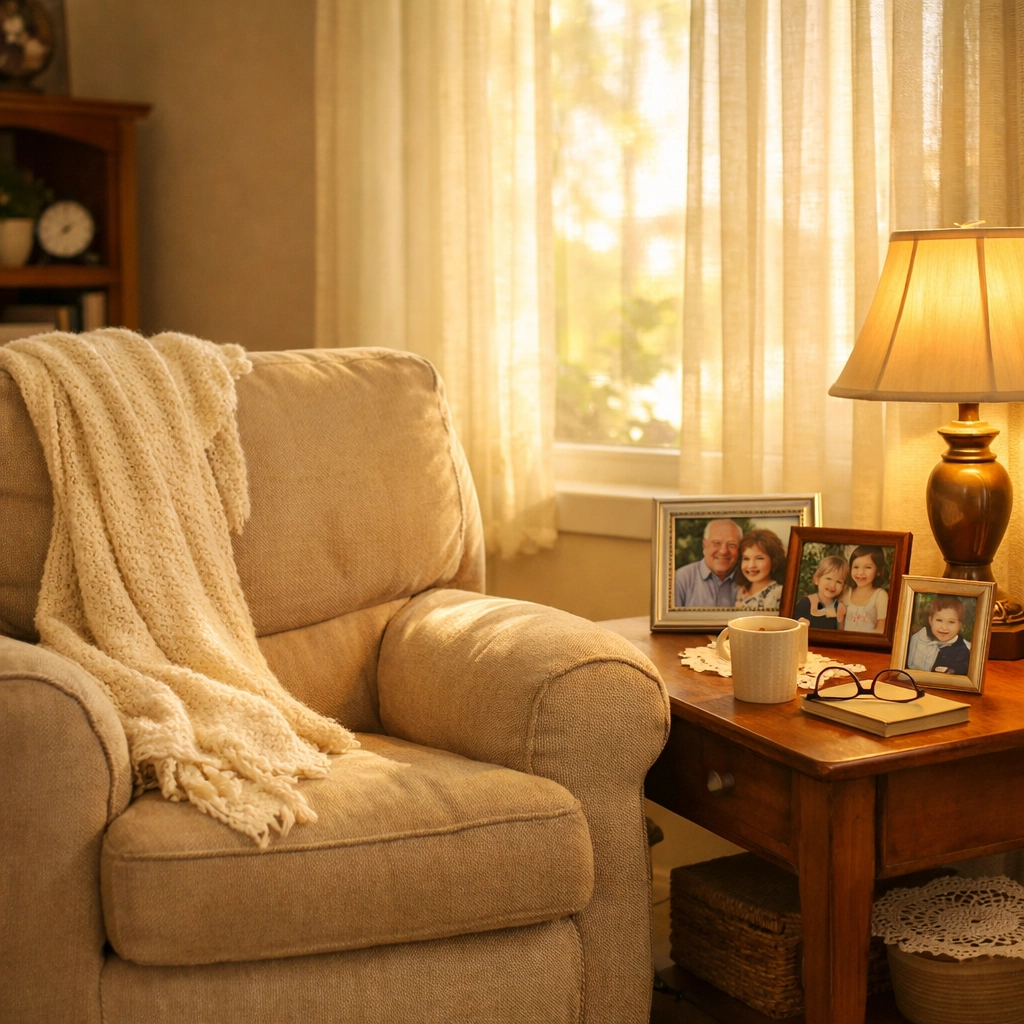
When you age in your own home, you're surrounded by familiarity. You know where the light switches are without thinking. You can navigate to the bathroom in the middle of the night almost on autopilot. This deep familiarity with your environment actually reduces fall risk compared to navigating new spaces.
Beyond fall prevention, staying in your home offers several wellness advantages:
- Lower stress levels: Familiar surroundings reduce anxiety, which can lower your risk of stress-related health conditions like high blood pressure and heart disease.
- Maintained routines: You can keep up the daily habits that support your health: regular meal times, medication schedules, and exercise routines.
- Cognitive benefits: For those experiencing memory changes, familiar environments help maintain cognitive function and reduce confusion.
Understanding Fall Risk Factors
Before we dive into specific modifications, it's helpful to understand what increases fall risk in the first place. Falls rarely happen due to a single cause. Instead, multiple factors usually combine to create dangerous situations.
Physical factors include changes in balance, muscle strength, vision, and reaction time. Certain medications can cause dizziness or confusion. Conditions like arthritis, Parkinson's disease, or neuropathy affect how steadily you move through space.
Environmental factors are the home hazards you can actually control. These include poor lighting, loose rugs, clutter on floors, uneven surfaces, and lack of support in key areas like bathrooms and stairways.
The goal isn't to eliminate every possible risk: that's impossible. Instead, you want to reduce environmental hazards while maintaining the comfort and functionality of your home.
Room-by-Room Safety Assessment
The Bathroom
Bathrooms pose the highest fall risk in most homes. Wet, slippery surfaces combined with the need to move between sitting and standing positions create multiple hazard points.
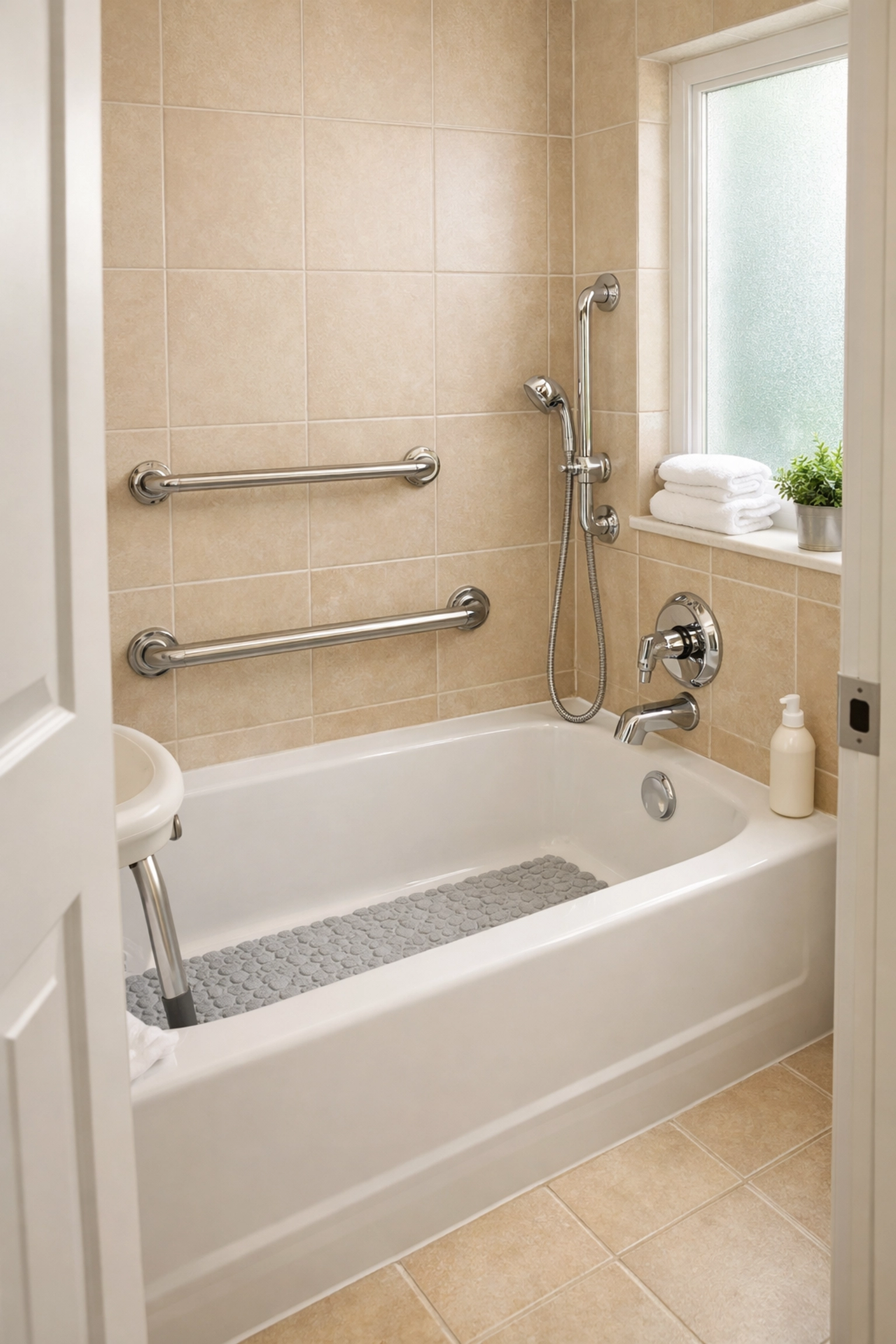
Start by looking at your tub or shower. Does it have a textured, non-slip surface? If not, consider adding adhesive strips or a non-slip mat. Getting in and out of the tub is often the trickiest part: this is where support bars become essential.
The toilet area deserves attention too. Rising from a seated position requires significant leg strength and balance. As we age, this movement becomes more challenging.
Consider these bathroom modifications:
- Install grab bars near the toilet and inside the shower or tub
- Add a raised toilet seat if needed
- Use a shower chair or transfer bench if standing for long periods is difficult
- Ensure adequate lighting, including a nightlight
- Remove or secure bath mats that could slip
The Bedroom
Your bedroom should be a sanctuary, but it also needs to support safe movement, especially during nighttime trips to the bathroom when you're groggy.
Look at the path from your bed to the bathroom. Is it clear of obstacles? Can you reach a light switch or lamp without getting out of bed? Many falls happen when people get up at night and can't see where they're going.
Bedroom safety checklist:
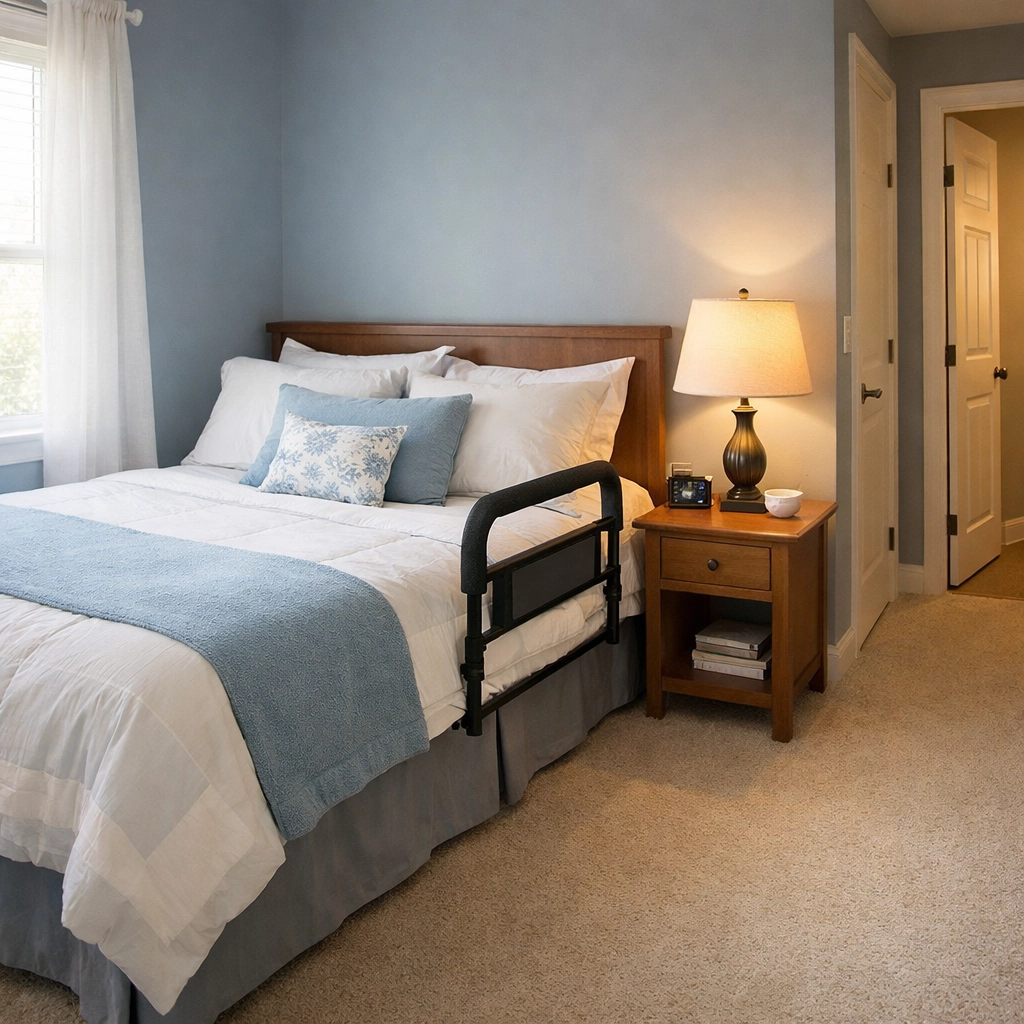
- Place a lamp or light switch within reach of the bed
- Keep a flashlight on your nightstand
- Ensure the bed height allows you to sit with feet flat on the floor
- Clear pathways of electrical cords, shoes, and clutter
- Consider adding a bed rail for support when getting in and out
The Kitchen
Kitchens present unique challenges because they require reaching, bending, and carrying items while navigating around obstacles. The key is organizing your space to minimize risky movements.
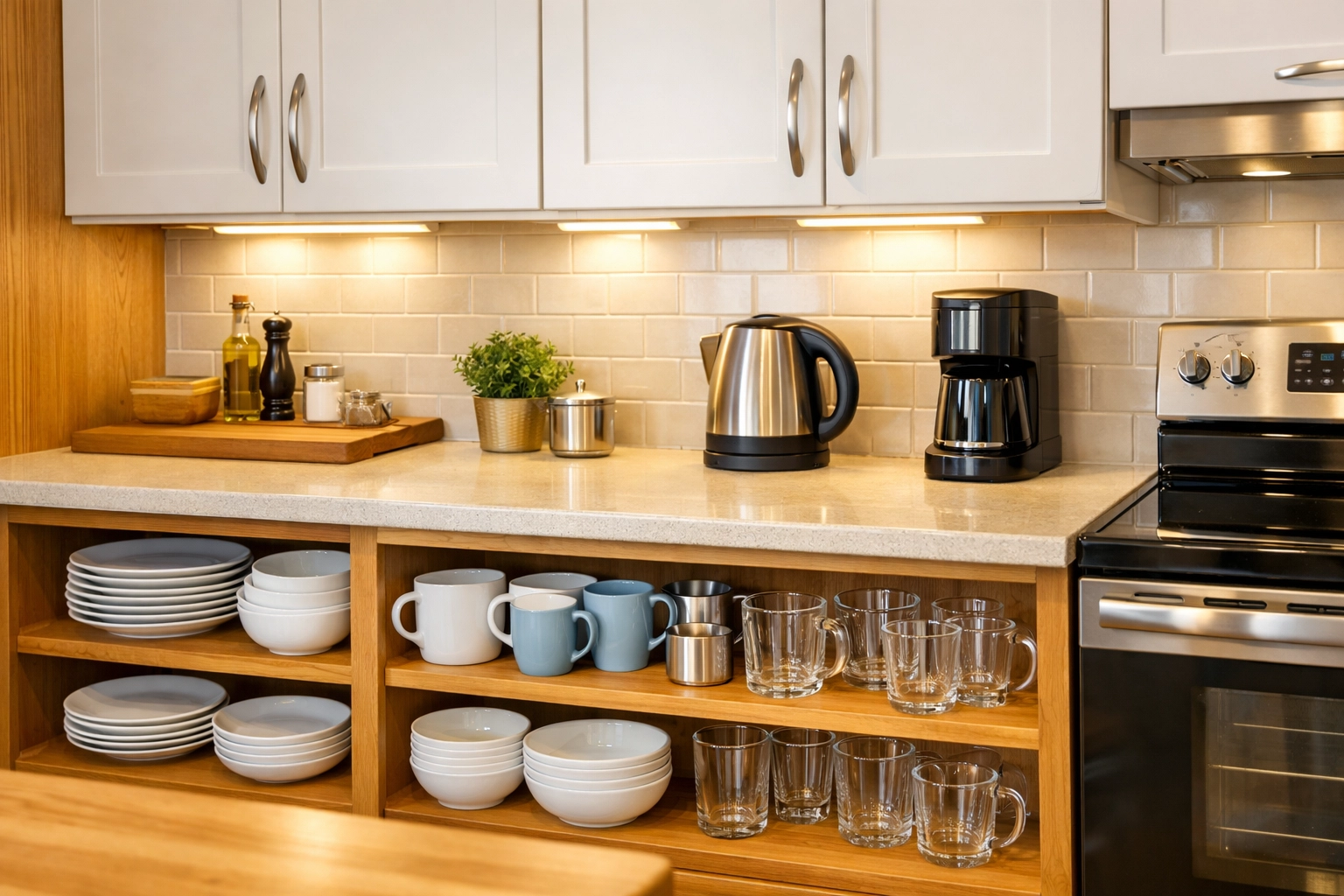
Store frequently used items at waist level so you don't need to climb on step stools or bend low into cabinets. Keep your most-used dishes, glasses, and cookware in easy-to-reach locations.
Kitchen safety strategies:
- Reorganize cabinets to eliminate the need for step stools
- Clean up spills immediately: wet floors are extremely dangerous
- Use a sturdy cart to transport heavy or hot items
- Ensure adequate task lighting, especially over counters and the stove
- Consider installing cabinet handles that are easier to grip
- Remove throw rugs or secure them with non-slip backing
Stairways and Hallways
Falls on stairs can be particularly serious. If your home has stairs, they need to be in good condition with proper lighting and support.
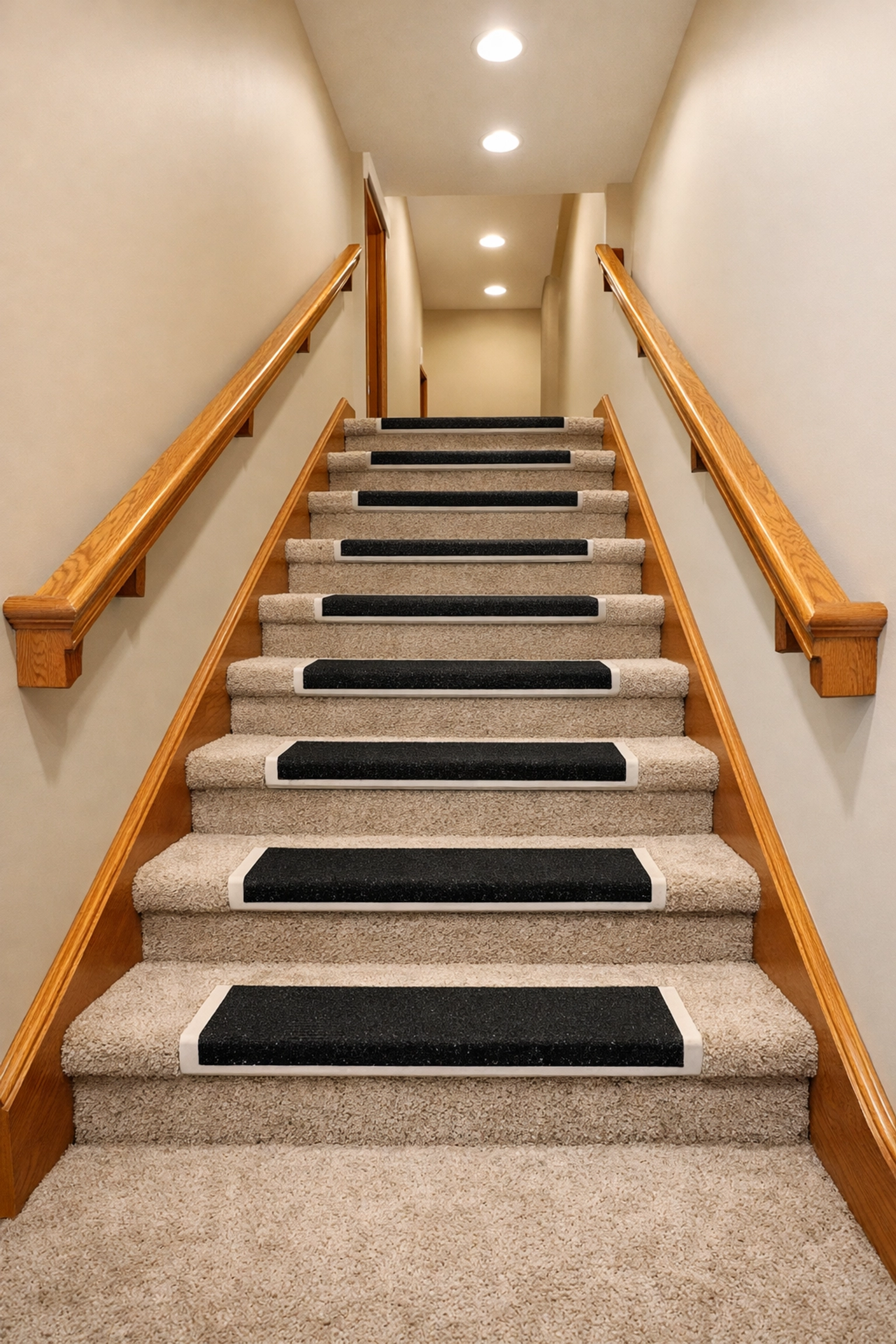
Each step should have a clearly defined edge. If your stairs are carpeted, make sure the carpet is firmly attached without loose edges. Handrails should run the full length of the stairway on at least one side: ideally both sides.
Hallways often become cluttered over time. Keep them clear of furniture that narrows the walking path. Ensure adequate lighting throughout, with switches at both ends of long hallways.
Stairway and hallway essentials:
- Install sturdy handrails on both sides of stairs
- Add non-slip strips to the edge of each step
- Light switches at top and bottom of stairs
- Night lights in hallways
- Remove or secure runner rugs
- Paint or tape the edge of steps in contrasting colors if vision is an issue
Lighting: The Often-Overlooked Safety Factor
Good lighting throughout your home is one of the simplest and most effective fall prevention strategies. As we age, we need more light to see clearly, and our eyes take longer to adjust between light and dark areas.
Each room should have easily accessible light switches near doorways. Motion-sensor lights work well in bathrooms and hallways for nighttime navigation. Consider automatic nightlights that turn on when ambient light drops.
Don't forget about outdoor lighting. The path from your car to your front door should be well-lit, as should any steps or uneven surfaces.
Flooring and Floor Covering
The surfaces you walk on daily play a huge role in fall prevention. Ideally, flooring should be level, non-slip, and free of loose edges or transitions that could catch your foot.
Area rugs and runners are common culprits in falls. If you love your rugs and want to keep them, use rug pads or double-sided tape to secure them firmly to the floor. Better yet, consider removing small rugs entirely.
Pay attention to transitions between different flooring types. These should be smooth and level. Curled linoleum edges, lifted carpet seams, or uneven thresholds all need to be repaired.
Creating Support Where You Need It Most
As balance changes with age, having something to hold onto becomes increasingly important. Support bars and rails can make the difference between a safe recovery and a fall when you lose your balance.
Think about the places where you naturally reach out for support now. These are probably the spots where permanent support would be most helpful. Common locations include:
- Next to the toilet
- Inside the shower or tub
- Near the bed
- Along hallways or in rooms where you tend to feel unsteady
- By the front or back door where you put on shoes
The key is installing support in locations where you'll actually use it. Everyone's needs are different based on their specific mobility challenges and home layout.
Footwear Matters More Than You Think
What you wear on your feet significantly affects your stability. At home, many people default to slippers, socks, or going barefoot: but these aren't always the safest choices.
Socks can be slippery on hard floors. Loose slippers can catch on carpet or cause you to trip. Going barefoot reduces traction and doesn't provide foot support.
Look for indoor footwear that:
- Fits snugly without being tight
- Has a non-slip sole
- Provides ankle support if needed
- Is easy to put on and take off
Emergency Preparedness
Even with all the right modifications, it's important to have a plan in case a fall does occur. Quick access to help can make a significant difference in outcomes.
Keep a phone within reach at all times, or consider a personal emergency response system. Make sure you can reach emergency contacts easily. Some people keep a list of important phone numbers in large print posted near phones.
If you live alone, establish a regular check-in system with family or friends. Daily phone calls or text messages ensure someone will notice quickly if something is wrong.
Making Changes Gradually
Reading through this list might feel overwhelming. You don't need to make every change at once. Start with the areas that concern you most or where you've had close calls in the past.
Some modifications are simple and inexpensive: adding night lights, clearing clutter, reorganizing cabinets. Others require more investment, like installing grab bars or improving lighting. Prioritize based on your specific needs and budget.
Many people find it helpful to tackle one room at a time, living with the changes for a week or two before moving to the next area. This approach feels less disruptive and gives you time to adjust to modifications.
Moving Forward Safely
Creating a fall-safe home is about making thoughtful changes that preserve your independence while reducing risk. The goal isn't to turn your home into something unrecognizable: it's to make strategic adjustments that let you continue living safely in the space you love.
Start by walking through your home with fresh eyes. Better yet, ask a trusted friend or family member to tour your space and point out potential hazards you might not notice anymore. Sometimes an outside perspective reveals risks we've become blind to through familiarity.
Remember that aging in place successfully is an ongoing process. Your needs today might be different from your needs next year. Stay flexible and willing to make additional modifications as your circumstances change. The investment you make in home safety today supports your independence for years to come.

