
When we think about home, we think about comfort, memories, and safety. It is the place where we feel most in control. However, as we or our loved ones age, the very environment that once felt like a sanctuary can quietly develop hazards. Most falls don’t happen because of a dramatic event; they happen during the most mundane moments: getting out of bed at 3:00 AM, reaching for a favorite coffee mug, or stepping out of the shower.
I’m Brian Kerr, the founder of Fall Guys Products, and I’ve spent a lot of time looking at floor plans through the lens of safety. My goal isn't to turn your home into a hospital ward. Far from it. I want to help you keep your home feeling like a home, just a much safer version of it.
Fall prevention is often about catching the small things before they become big problems. Here are seven common mistakes I see people making with home safety and the practical, reassuring ways you can fix them today.
1. Underestimating the Power of Lighting
The most common time for a fall to occur is during the night. We often assume that because we’ve lived in our homes for decades, we can navigate them in the dark by "muscle memory." This is a dangerous mistake. As we age, our eyes require more light to see clearly, and our depth perception can diminish, making shadows look like steps or obstacles.
The Mistake: Relying on a single overhead light or, worse, navigating in total darkness to avoid waking a spouse.
The Fix:
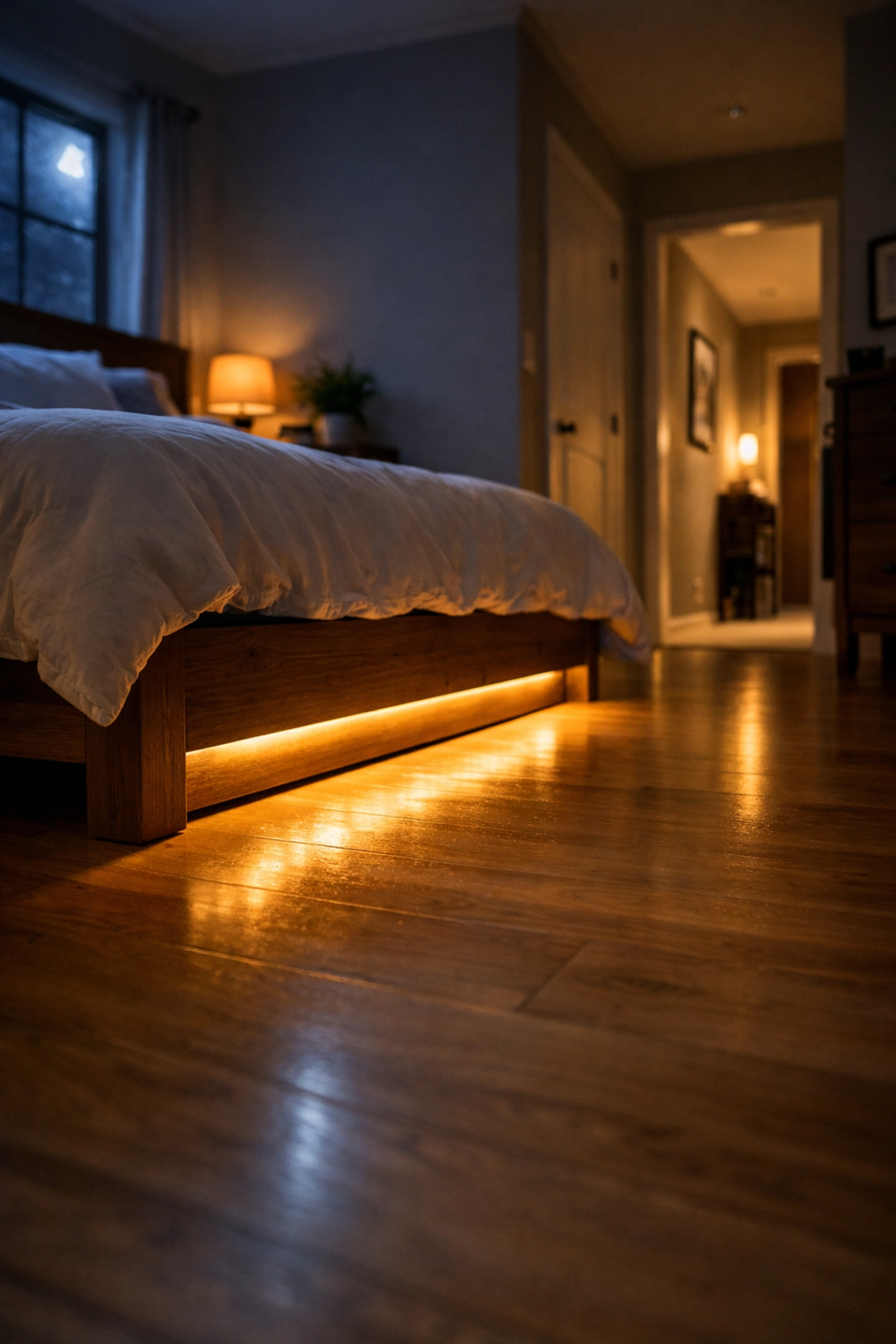
- Path Lighting: Install motion-activated nightlights along the path from the bed to the bathroom. These don’t need to be bright enough to wake the whole house, but they should clearly illuminate the floor.
- Accessible Switches: Ensure there is a lamp or a light switch within arm’s reach of the bed. You should never have to stand up in the dark to turn on a light.
- Glance-Free Brightness: Use "glow-in-the-dark" tape on the edges of steps or changes in floor levels to provide a visual cue even if the lighting is dim.
2. Keeping "Trip Traps" (Throw Rugs)
We all love a good area rug. They add warmth and color to a room. But in the world of fall prevention, throw rugs are often referred to as "trip traps." A loose corner or a slightly bunched-up fabric is all it takes to catch a toe or a walker tip.
The Mistake: Using decorative rugs without securing them, or placing them in high-traffic transition areas like doorways and the foot of the bed.
The Fix:
- The Tape Method: If you absolutely cannot part with a rug, use heavy-duty, double-sided rug tape or non-skid pads to secure it firmly to the floor. The goal is for the rug to feel like it’s part of the flooring, with no movement when stepped on.
- The "Transition Test": Walk through your home. If you have to change your gait or lift your feet higher to move from one surface to another, that rug needs to go.
- Contrast Matters: If you keep a rug, ensure it contrasts in color with the floor. A beige rug on a beige floor is a recipe for a misstep.
3. Treating the Bathroom Like Any Other Room
The bathroom is statistically the most dangerous room in the house. Between the water, the hard surfaces, and the frequent transitions (sitting to standing, stepping over a tub wall), the margin for error is slim.
The Mistake: Using towel bars or the sink edge as a "grab bar." Towel bars are designed to hold the weight of a damp towel, not a human being. If you slip and grab a towel bar, it will likely pull right out of the drywall.
The Fix:
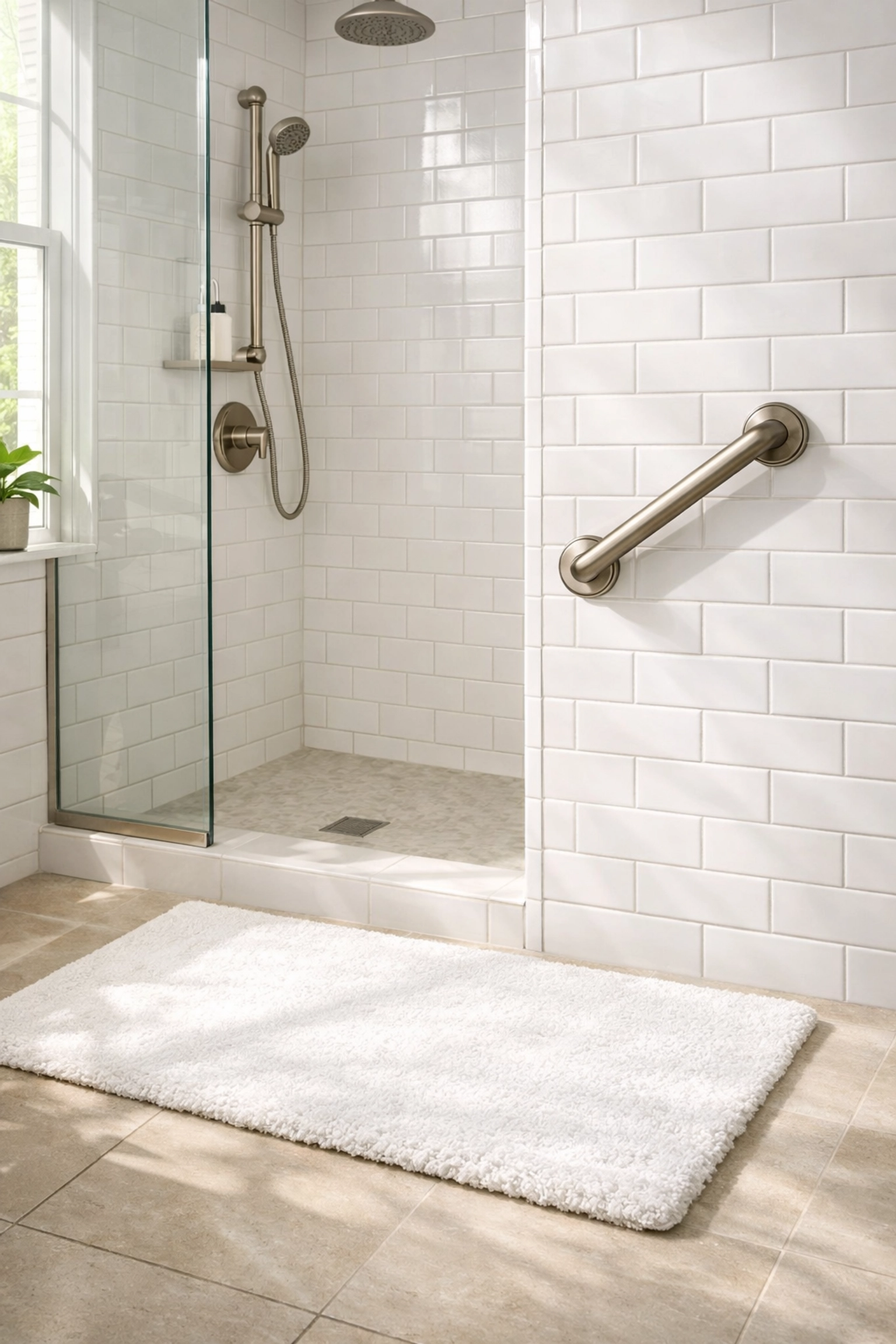
- Professional Grab Bars: Install actual, load-bearing grab bars near the toilet and inside the shower. These should be anchored into the studs of the wall.
- Non-Slip Surfaces: Use high-quality rubber mats inside the tub or shower and non-slip rugs with rubber backing outside the tub.
- Raised Seating: Consider a raised toilet seat or a chair in the shower. Reducing the distance you have to travel when sitting or standing significantly lowers the physical strain and the risk of losing balance.
4. The "Furniture Walking" Habit
Many seniors develop a habit of "furniture walking." This is when you steady yourself by touching the backs of chairs, the edges of tables, or the walls as you move through a room. While it feels helpful, it’s actually a sign that your environment isn't supporting your mobility.
The Mistake: Relying on unstable objects for support. A dining chair can slide, and a pedestal table can tip if you put too much weight on one side.
The Fix:
- Clear the Path: Instead of using furniture for support, clear a wide, straight path through every room. There should be at least 32 to 36 inches of clear space for walking.
- Stable Anchors: If you find yourself needing to rest or steady yourself in a specific spot (like near the front door while putting on shoes), place a heavy, stable piece of furniture there that won't move.
- Dedicated Aids: If you find yourself "furniture walking" frequently, it may be time to discuss a dedicated mobility aid: like a walker or a floor-to-ceiling pole: with a physical therapist. These are designed to take your weight, whereas a coffee table is not.
5. Improper Footwear Inside the Home
We often focus on what we’re walking on, but what we’re walking in is just as important. Many falls happen because of footwear that doesn't provide enough grip or support.
The Mistake: Walking in socks, loose-fitting slippers, or "floppy" flip-flops. Socks on hardwood or tile are essentially ice skates for seniors.
The Fix:
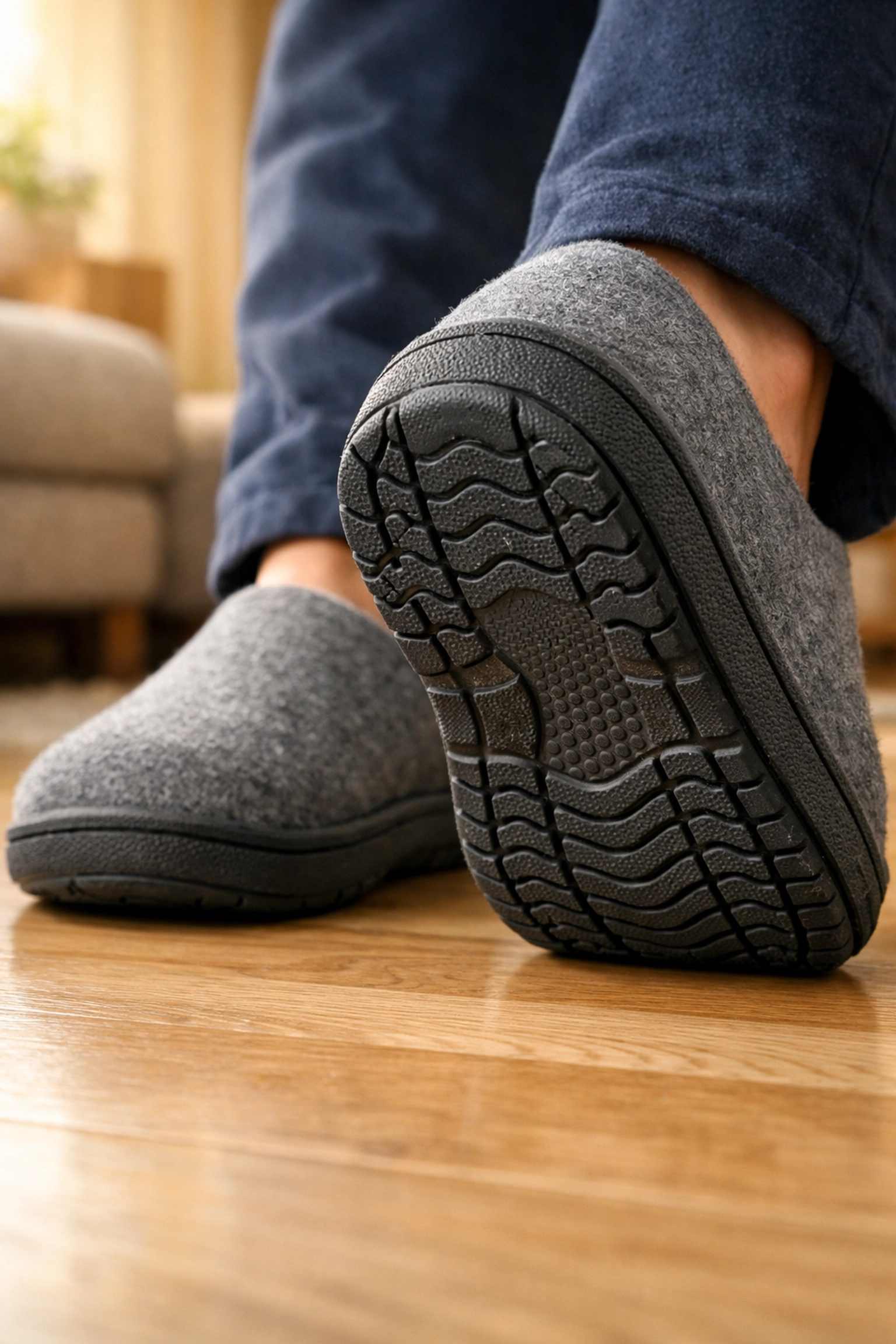
- Hard-Soled Slippers: Look for slippers that have a rubber, non-slip sole and a back. Slip-on shoes that don't cover the heel can easily fall off or cause a stumble.
- Grip Socks: If you or your loved one refuses to wear shoes indoors, invest in high-quality grip socks with rubber treads on the bottom.
- Proper Fit: Ensure shoes are not too big. As we age, our feet can change shape. Wearing shoes that are too loose increases the risk of the foot sliding inside the shoe, causing a loss of balance.
6. Ignoring the "Vertical Hazards"
Fall prevention isn't just about the floor. It’s also about how we interact with the vertical space in our homes. Overreaching or bending too low are common triggers for dizziness or loss of balance.
The Mistake: Storing everyday items (like cereal, medications, or favorite pots) on high shelves or in low, bottom cabinets.
The Fix:
- The "Comfort Zone" Storage: Move all frequently used items to shelves that are between hip and eye level. This prevents the need for step stools or deep bending.
- Kitchen Reorganization: If you have to use a step stool, make sure it is a high-quality model with a handrail. Never use a chair as a makeshift ladder.
- Long-Handled Tools: Use reaching tools (grabbers) for lightweight items that have fallen or are just out of reach.
7. Neglecting the Staircase
Stairs are often the biggest hurdle for aging in place. Even a small flight of three steps can be a major risk if not properly maintained.
The Mistake: Having a handrail on only one side, or having a handrail that stops before the final step.
The Fix:
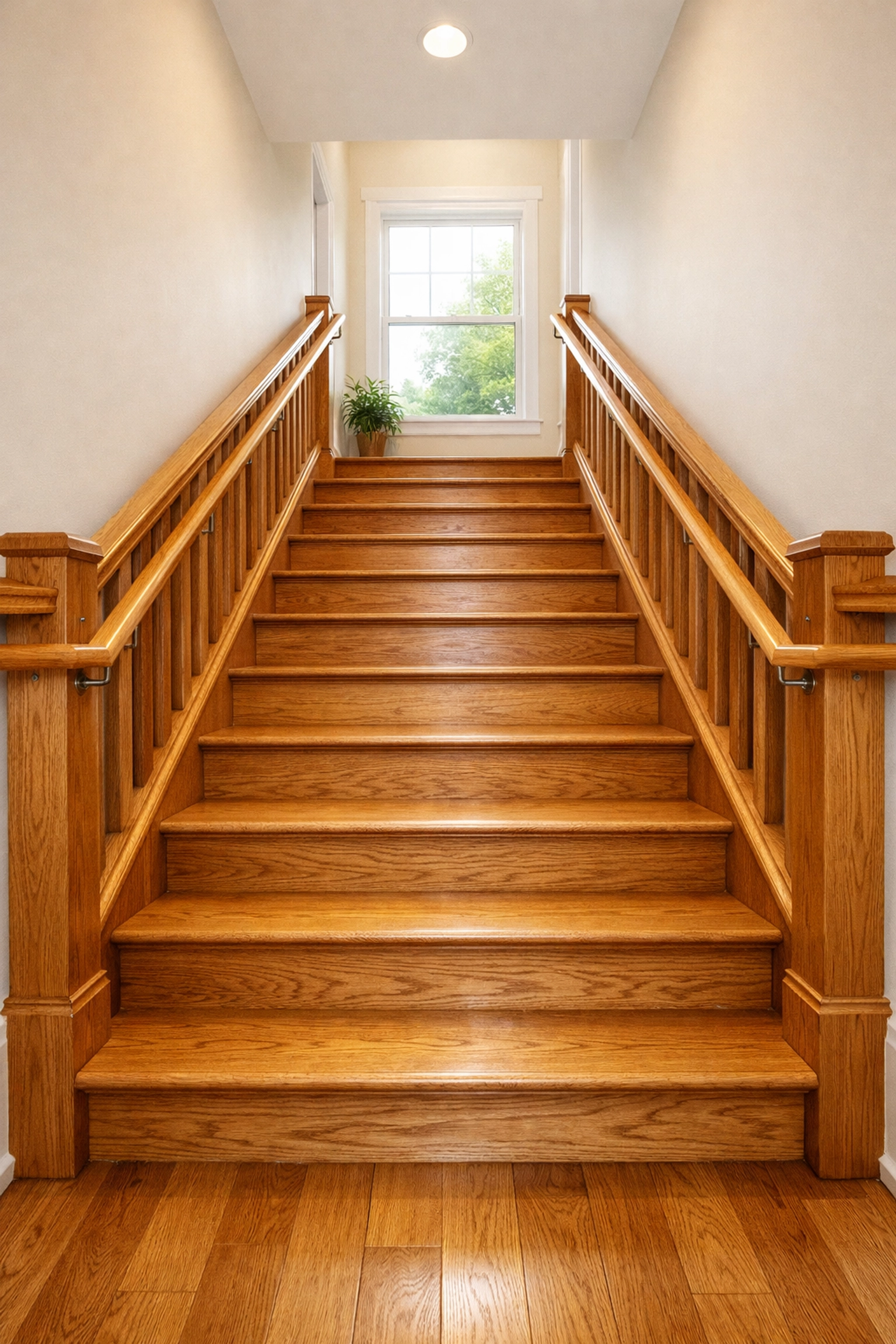
- Double Handrails: Ideally, every staircase should have sturdy handrails on both sides. This allows you to use your strongest side regardless of whether you are going up or down.
- Full-Length Rails: The handrail should extend slightly beyond the top and bottom steps so you have support before you start climbing and after you finish.
- Visual Cues: If the stairs are a similar color to the floor, it can be hard to see where the first step begins. Use a strip of contrasting colored tape on the edge of each step to make the boundaries clear.
A Reassuring Final Thought
Making these changes can feel overwhelming, but you don't have to do them all in one afternoon. Start with the "low-hanging fruit." Change a few lightbulbs today. Remove a trip-hazard rug tomorrow.
Home safety isn't about removing independence; it’s about preserving it. By fixing these common mistakes, you’re creating an environment where you or your loved one can move with confidence. Confidence leads to more movement, and more movement leads to better strength and balance.
If you’re a caregiver, remember that these conversations can be sensitive. Instead of saying, "This rug is dangerous," try saying, "I want to make sure this path is as clear as possible so you can get around easily." Focus on the goal: staying safe, staying mobile, and staying home.
Take a walk through your home today with a fresh pair of eyes. Look for the shadows, the loose corners, and the "furniture walking" spots. Addressing these seven mistakes is one of the best investments you can make in a long, healthy life at home.

