
When we talk about staying independent at home as we age, we often focus on things like healthy eating or keeping a sharp mind. But there is one factor that often outweighs the rest in terms of maintaining a high quality of life: fall prevention.
A fall isn't just a physical event; for many, it represents a loss of confidence. However, safety doesn't have to be a source of anxiety. By using a structured, proven framework, we can move away from reactive "damage control" and toward a proactive system of home safety. This guide outlines a comprehensive approach to fall prevention, designed to give seniors and caregivers a clear roadmap for a safer living environment.
The Logic of a Framework
Why do we need a framework? Most people address fall hazards one by one: they might fix a loose rug today and maybe install a grab bar next year. While every little bit helps, this piecemeal approach often leaves significant gaps.
A framework, like the one recommended by the CDC’s STEADI initiative or healthcare professionals globally, follows a logical sequence: Recognition, Assessment, Intervention, and Monitoring. It treats home safety as a living system rather than a one-time chore.
Phase 1: Recognition – Identifying the Quiet Signs
The first step in any safety plan is acknowledging that a risk exists. This isn't about being "old" or "frail"; it’s about being realistic and prepared. Recognition involves looking for subtle changes in behavior or physical ability.
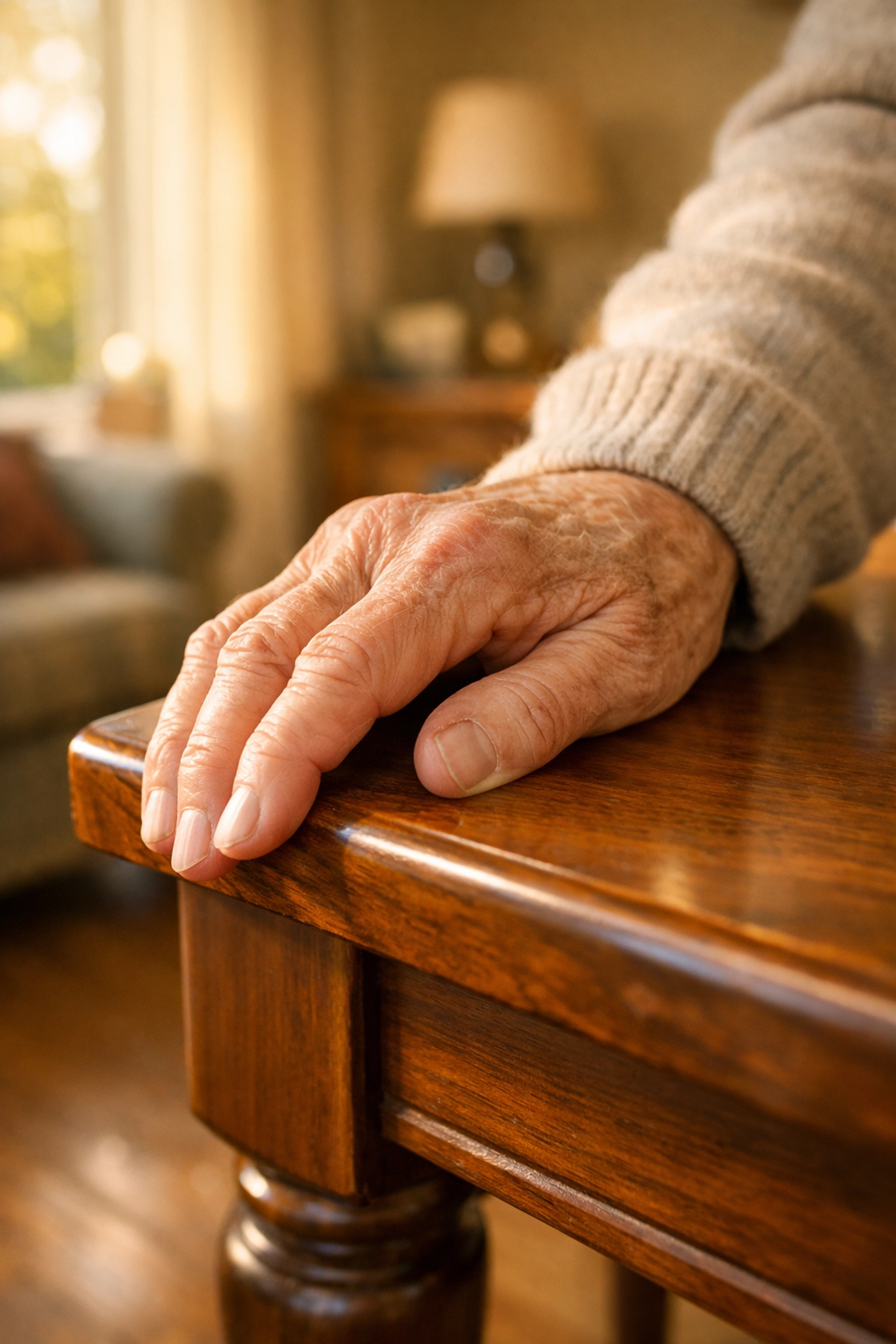
Are you or your loved one holding onto furniture while walking through the living room? This is often called "furniture surfing," and it’s a clear sign that balance isn't quite what it used to be. Other signs include:
- Difficulty getting up from a favorite chair.
- Taking shorter, more tentative steps.
- A "near miss" or a trip that didn't result in a fall but caused a moment of panic.
- Avoiding certain rooms or activities because they feel "too much."
If any of these sound familiar, it’s time to move to the next phase.
Phase 2: Comprehensive Assessment
Assessment is the "deep dive" into why a risk might be present. It is rarely just one thing. Usually, a fall risk is a combination of three factors: physical, environmental, and medical.
Physical Function
A common way professionals assess balance is the "Timed Up and Go" (TUG) test. You start sitting in a chair, walk three meters, turn around, and sit back down. If this takes longer than 12 seconds, it suggests a higher risk of falling. You don't need a medical degree to notice if balance or gait is becoming an issue, but having a physical therapist perform a formal evaluation can provide a baseline for improvement.
Medical Review
Your medicine cabinet might be a hidden source of fall risk. Many common medications for blood pressure, sleep, or even allergies can cause dizziness or "orthostatic hypotension": that lightheaded feeling you get when you stand up too fast. A regular review of medications with a doctor or pharmacist is a non-negotiable part of the framework.
Environmental Mapping
This is where we look at the home itself. Walk through every room with a fresh pair of eyes. Imagine you are seeing the house for the first time. Where are the shadows? Where are the narrow pathways? We will dive deeper into this in the home safety section.
Phase 3: The Environmental Intervention
Once you have identified the risks, you need to intervene. The home environment is the most controllable variable in the fall prevention equation. We break this down room by room.
The Bathroom: The Highest Priority
Statistically, the bathroom is where the most dangerous falls occur due to hard, wet surfaces.
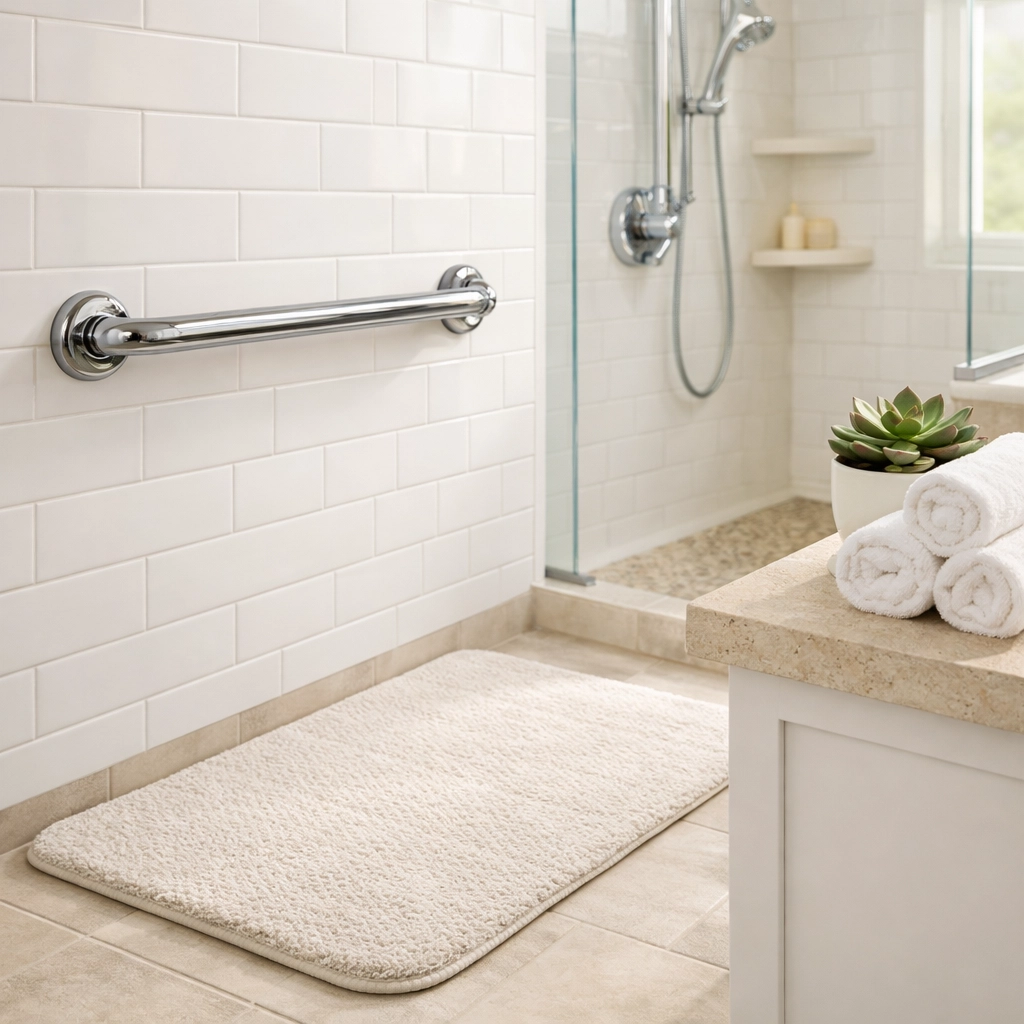
- Flooring: Non-slip mats are essential both inside and outside the shower.
- Support: Grab bars should be installed near the toilet and inside the shower. These should be professionally mounted into wall studs; suction-cup bars are generally not recommended for full body weight support.
- Seating: A shower chair or bench allows for bathing without the need for prolonged standing on a slippery surface.
The Bedroom: Nighttime Safety
Falls often happen in the middle of the night when someone is groggy or the room is dark.
- Pathways: Ensure there is a clear, wide path from the bed to the bathroom. Remove any decorative rugs or ottomans.
- Lighting: Motion-activated nightlights are a game changer. They provide light exactly when you need it without requiring you to fumbly for a switch.
- Bed Height: The bed should be at a height where your feet touch the floor comfortably when sitting on the edge.
The Living Areas and Kitchen
Clutter is the enemy of safety.
- Cords and Rugs: Electrical cords should be tucked behind furniture. Throw rugs, even if they look nice, are significant trip hazards. If they must stay, they should be secured with heavy-duty double-sided tape.
- Reach: In the kitchen, move frequently used items (like your favorite mug or the heavy cast-iron skillet) to waist-height shelves. Avoid using step stools whenever possible.
Phase 4: Strength and Balance Training
You can make a home as safe as a padded cell, but if the body isn't supported, a risk remains. Strength and balance training are the "active" parts of the framework.
The Power of Lower Body Strength
Most falls are prevented by a quick "recovery step." This requires leg strength and reaction time. Exercises focusing on the quadriceps and calves are vital. Something as simple as "sit-to-stands": repeatedly standing up from a chair without using your hands: can significantly improve functional strength.
Balance Exercises
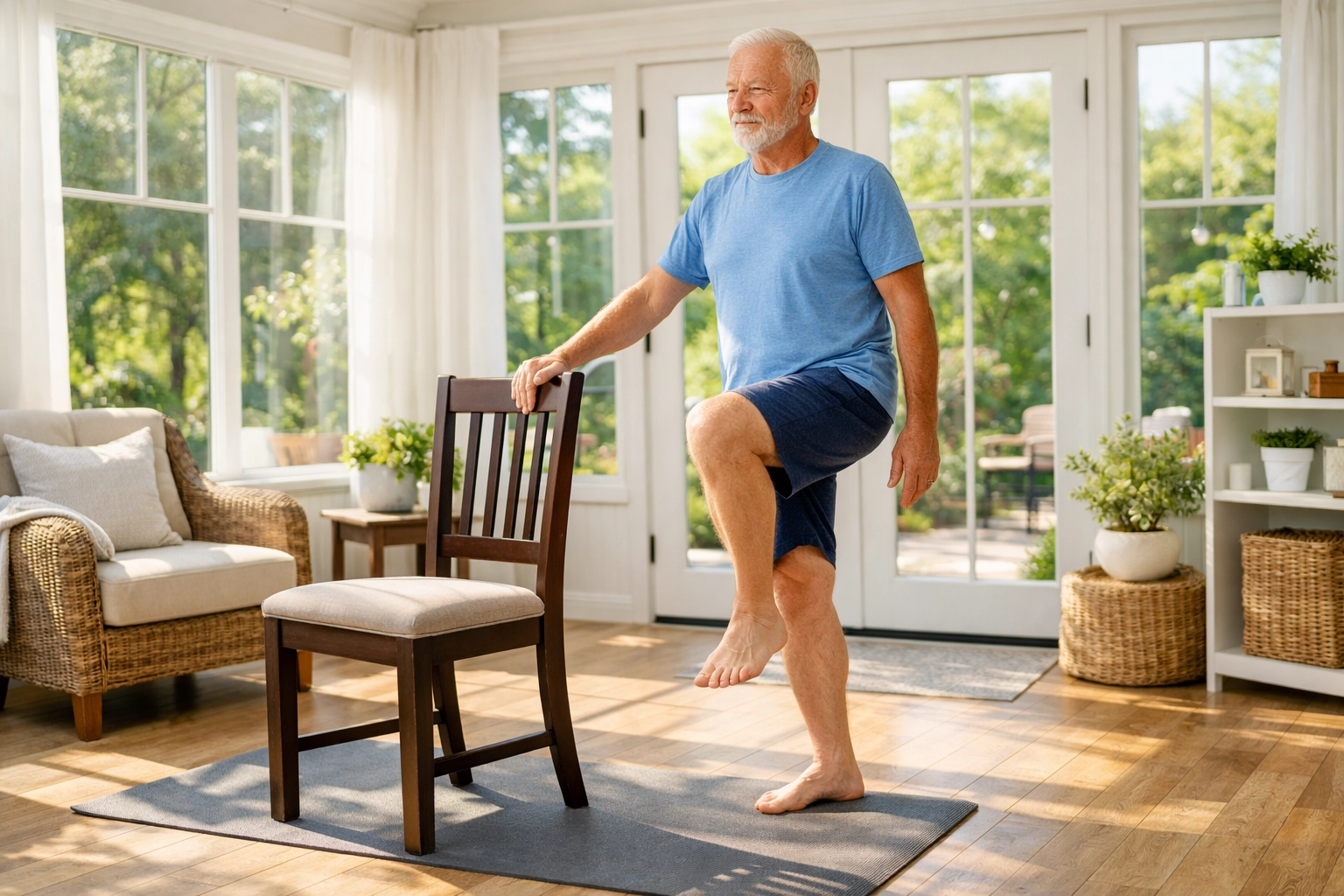
Balance is a skill that can be practiced. Programs like Tai Chi are world-renowned for fall prevention because they focus on slow, controlled shifts in weight. For those who prefer a home routine, standing on one leg while holding onto a sturdy counter (the "sink exercise") can build the proprioception needed to stay upright.
Phase 5: Mobility Aids and Assistive Technology
Sometimes, the body needs a little extra help, and that is where mobility aids come in. The key is choosing the right aid for the right situation.
- Poles and Rails: In areas where a traditional grab bar won't work (like the middle of a room or next to a couch), floor-to-ceiling tension poles or bed rails provide a sturdy "third point of contact."
- Canes and Walkers: These should be fitted by a professional. A walker that is too high causes shoulder strain; one that is too low causes slouching.
- Proper Footwear: This is often overlooked. House slippers with no backs or smooth soles are major hazards. Sturdy, well-fitting shoes with non-slip soles should be worn even inside the house.
Phase 6: Monitoring and Habit Building
The final phase of the framework is the most important for long-term success: Monitoring. A home safety plan isn't "one and done." As health needs change, the environment must change too.
The 6-Month Check-up
Every six months, do a "safety sweep."
- Check that all grab bars are still tight.
- Replace any burnt-out lightbulbs.
- Re-evaluate mobility. If walking has become more difficult, it might be time to move from a cane to a walker, or to add more lighting.
The Role of the Caregiver
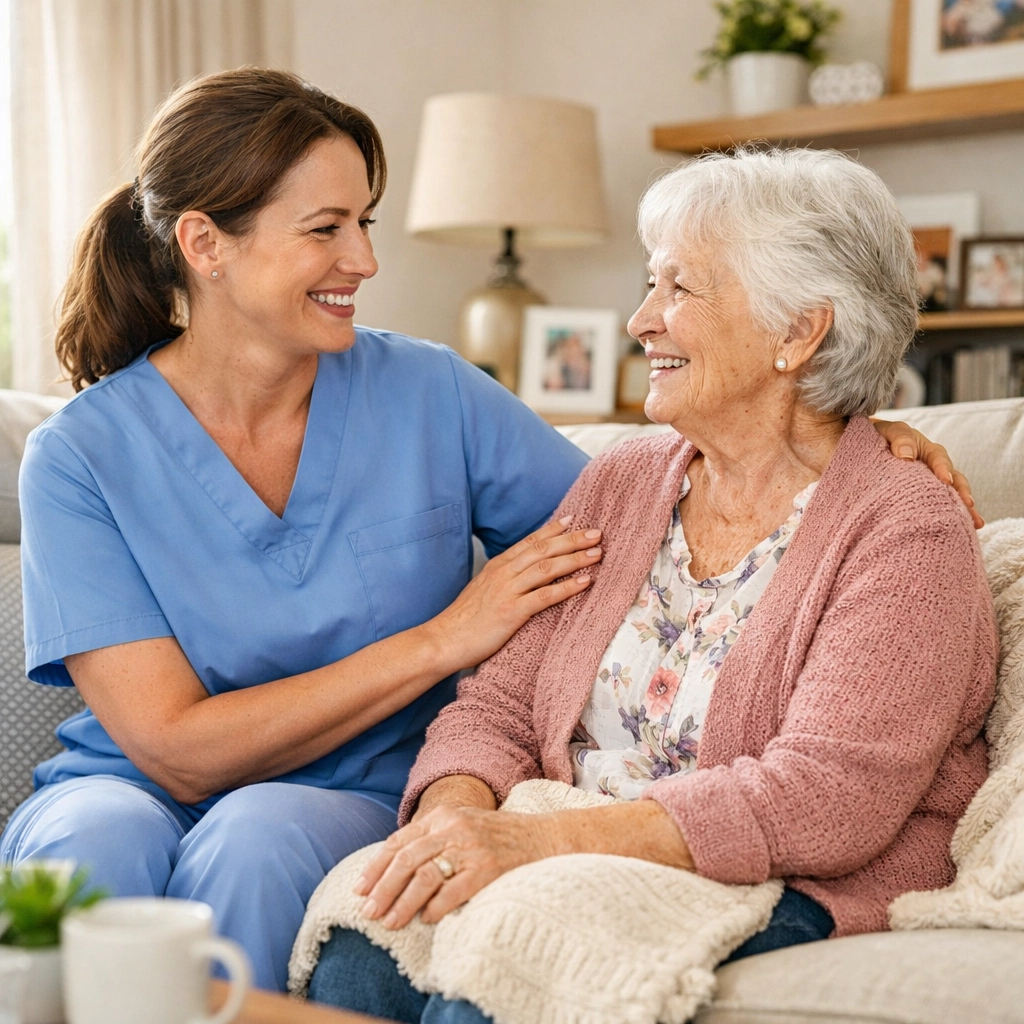
For caregivers, monitoring is about open communication. Instead of saying "you shouldn't do that," try asking "how does it feel when you walk to the kitchen?" or "would it be easier if we moved this shelf down?" Keeping the senior involved in the decision-making process ensures they feel empowered rather than restricted.
Building Confidence through Preparation
The fear of falling can actually increase the risk of falling. When we are afraid, we tend to move more stiffly and avoid exercise, which leads to muscle weakness. This creates a downward spiral.
By implementing a structured framework: recognizing the signs, assessing the risks, modifying the home, and staying active: we break that cycle. Safety isn't about limiting your world; it's about making sure you can navigate your world with confidence and dignity.
Total home safety is a journey, not a destination. It starts with a single step: perhaps clearing a hallway or scheduling a vision exam: and builds into a comprehensive shield that protects independence for years to come. Stay proactive, stay informed, and most importantly, stay moving.

