
Hi, I’m Brian Kerr. As the founder of Fall Guys Products, I spend a lot of time thinking about how we can help people stay safe in their own homes.
Falls are one of those topics that can feel a bit heavy or intimidating to talk about. Many of us worry that discussing fall prevention means admitting we’re "getting older" or losing our independence. But I like to look at it differently. Fall prevention isn’t about what you can’t do; it’s about making sure you can keep doing the things you love for as long as possible. It’s about empowerment, confidence, and peace of mind.
According to the CDC, falls are the leading cause of unintentional injury among older adults. However, the most important thing to remember is that falls are not an inevitable part of aging. Most falls are the result of a combination of factors that we can actually control.
This guide is designed to be a comprehensive resource for seniors and caregivers. We’re going to cover everything from physical exercises and home modifications to the simple daily habits that can make a world of difference.
Understanding the "Why" Behind Falls
Before we dive into the solutions, it helps to understand why falls happen. Usually, it isn't just one thing. It’s often a "perfect storm" of three categories:
- Physical Factors: These include changes in vision, muscle strength, balance, or side effects from medications.
- Behavioral Factors: This involves our habits: like rushing to answer the phone or wearing loose-fitting slippers.
- Environmental Factors: These are the hazards in our surroundings, like poor lighting, loose rugs, or slippery bathroom floors.
By addressing all three areas, we create a safety net that significantly reduces the risk of an accident.
Strengthening Your Foundation: Exercise and Mobility
The single most effective tool in your fall-prevention toolkit is your own body. Maintaining strength and balance is like keeping the engine of a car well-tuned; it helps you navigate bumps in the road with ease.
The Power of Balance Training
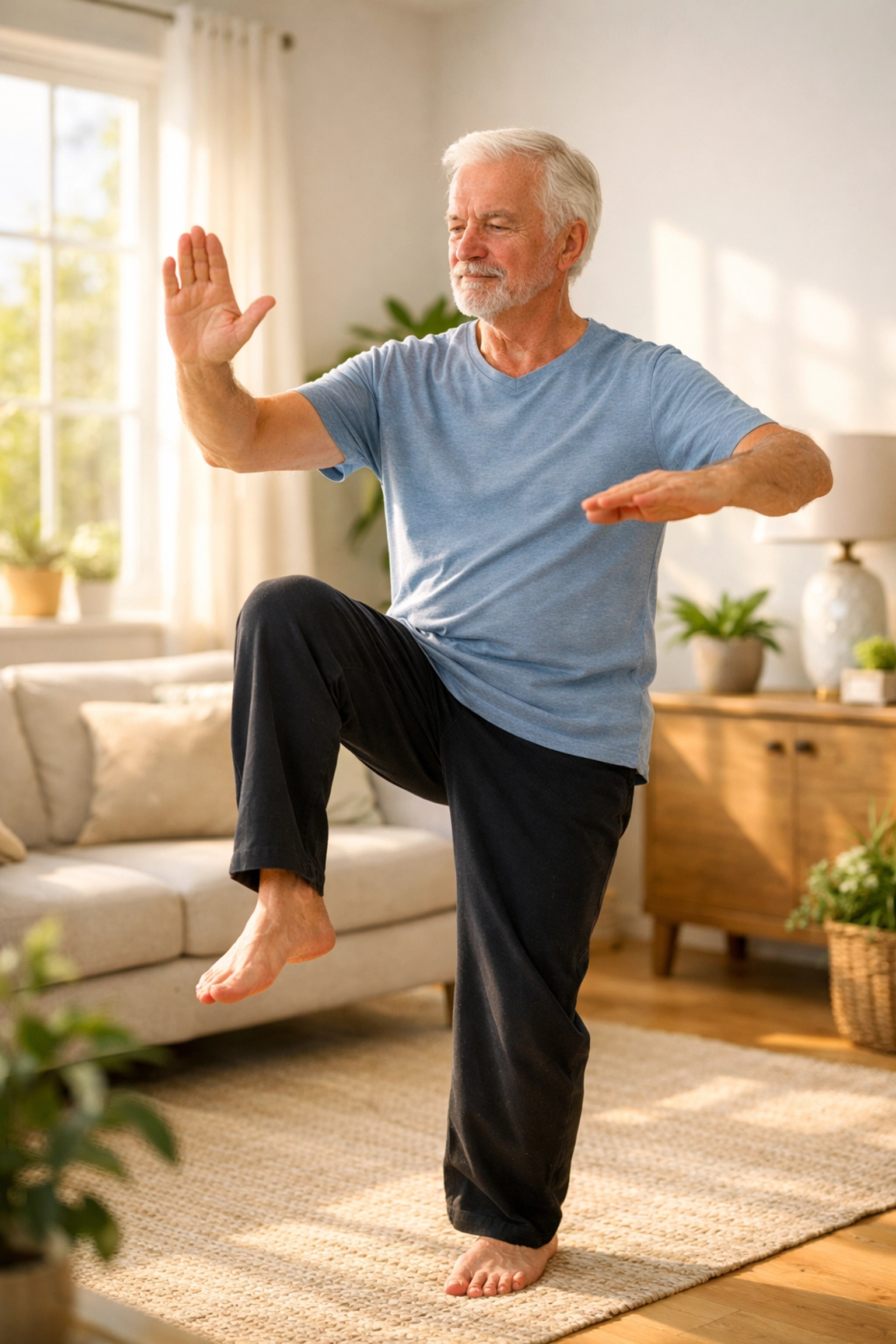
Balance isn’t just something you have or don't have; it’s a skill you can practice. Programs like Tai Chi are fantastic because they focus on slow, deliberate movements and "proprioception": your body’s ability to sense where it is in space.
If you prefer something at home, the Otago Exercise Program is an evidence-based regimen designed specifically for older adults. It focuses on leg strength and dynamic balance exercises that you can do in your living room.
Building Lower Body Strength
Strong legs are your primary defense against a fall. When your muscles are toned, you can recover more easily if you trip. Simple functional movements: like standing up from a chair ten times in a row or practicing calf raises while holding onto a sturdy counter: can make a massive difference in your stability.
Regular Physical Activity
The U.S. Department of Health and Human Services recommends about 150 to 300 minutes of moderate-intensity activity per week. This doesn’t mean you need to hit the gym for hours. A steady walk in the neighborhood, gardening, or a water aerobics class all count toward keeping your coordination sharp.
Making Your Home a Safe Haven
Your home should be the place where you feel most relaxed, not where you have to worry about every step. Most home modifications are surprisingly simple and don't require a major renovation.
The Bathroom: The "Wet Zone"
The bathroom is statistically the most common place for falls due to slippery surfaces.
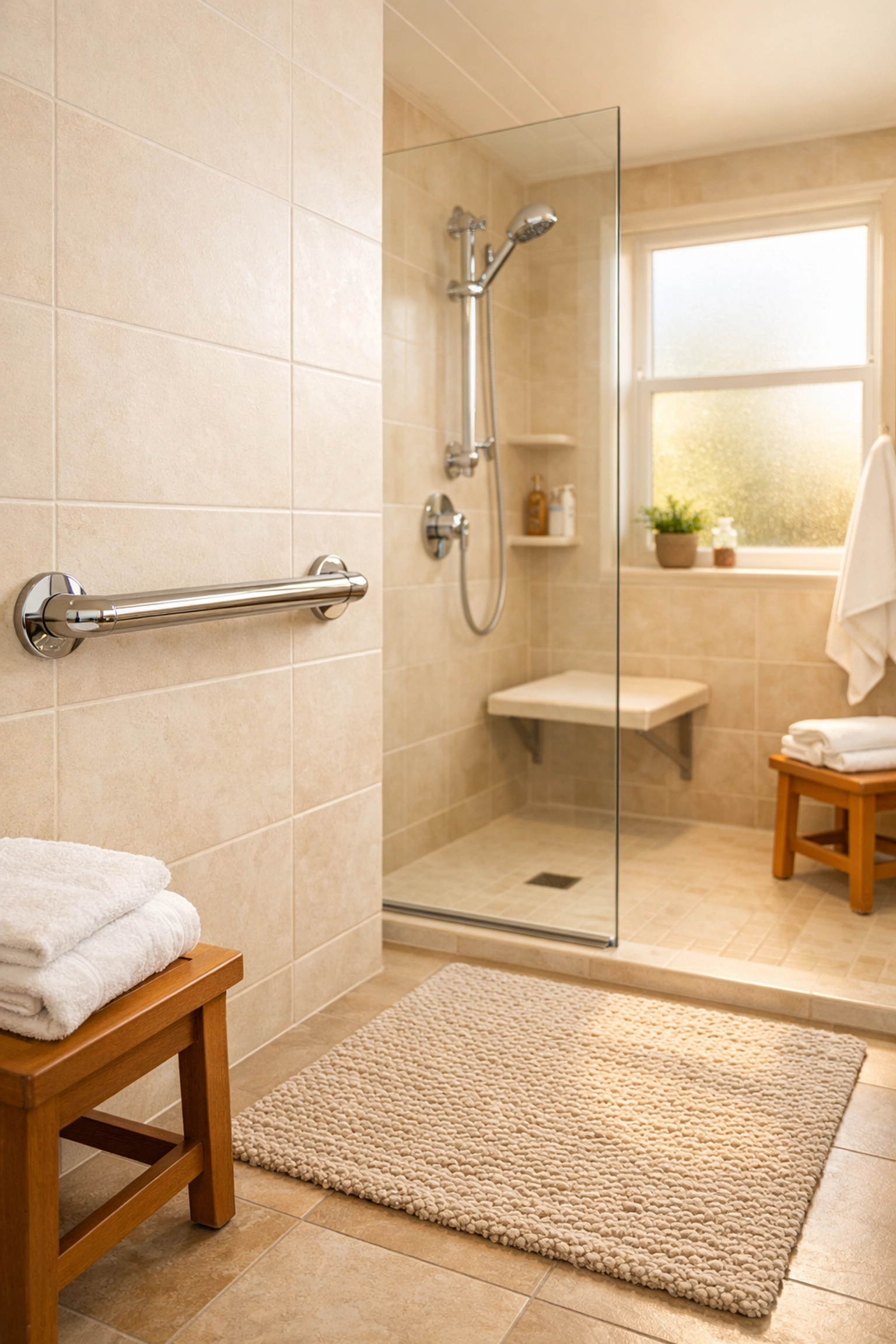
- Grab Bars: These are essential. Install them near the toilet and inside the shower. Make sure they are bolted into the wall studs, as towel racks are not designed to hold a person’s weight.
- Non-Slip Mats: Use high-quality rubber mats inside the tub and non-skid rugs on the floor outside.
- Shower Seating: If you ever feel dizzy or tired while standing, using a sturdy shower chair can provide a much safer experience.
Lighting: Shedding Light on Safety
As we age, our eyes need more light to see clearly. Shadows can hide tripping hazards or make it difficult to judge the depth of a step.
- Increase Wattage: Replace dim bulbs with brighter, energy-efficient LED bulbs.
- Night Lights: Use motion-sensing night lights in the hallway, bathroom, and bedroom. You shouldn't have to fumble for a switch in the dark.
- Exterior Lighting: Ensure your porch and walkways are well-lit, especially for those early winter evenings.
Flooring and Clutter
Clear walkways are non-negotiable.
- The Rug Rule: Throw rugs are one of the biggest tripping hazards. It’s best to remove them entirely. If you must keep them, use double-sided tape or a non-slip backing to secure them firmly to the floor.
- Clear the Path: Keep hallways and stairs free of boxes, shoes, and clutter.
- Cord Management: Ensure electrical cords are tucked away behind furniture and not stretched across walking paths.
Footwear: The Importance of a Good Base
What you wear on your feet matters just as much as the floor you’re walking on. While it’s tempting to walk around in socks or loose slippers, these offer very little traction or support.
What to Look for in a Shoe
A safe shoe should have:
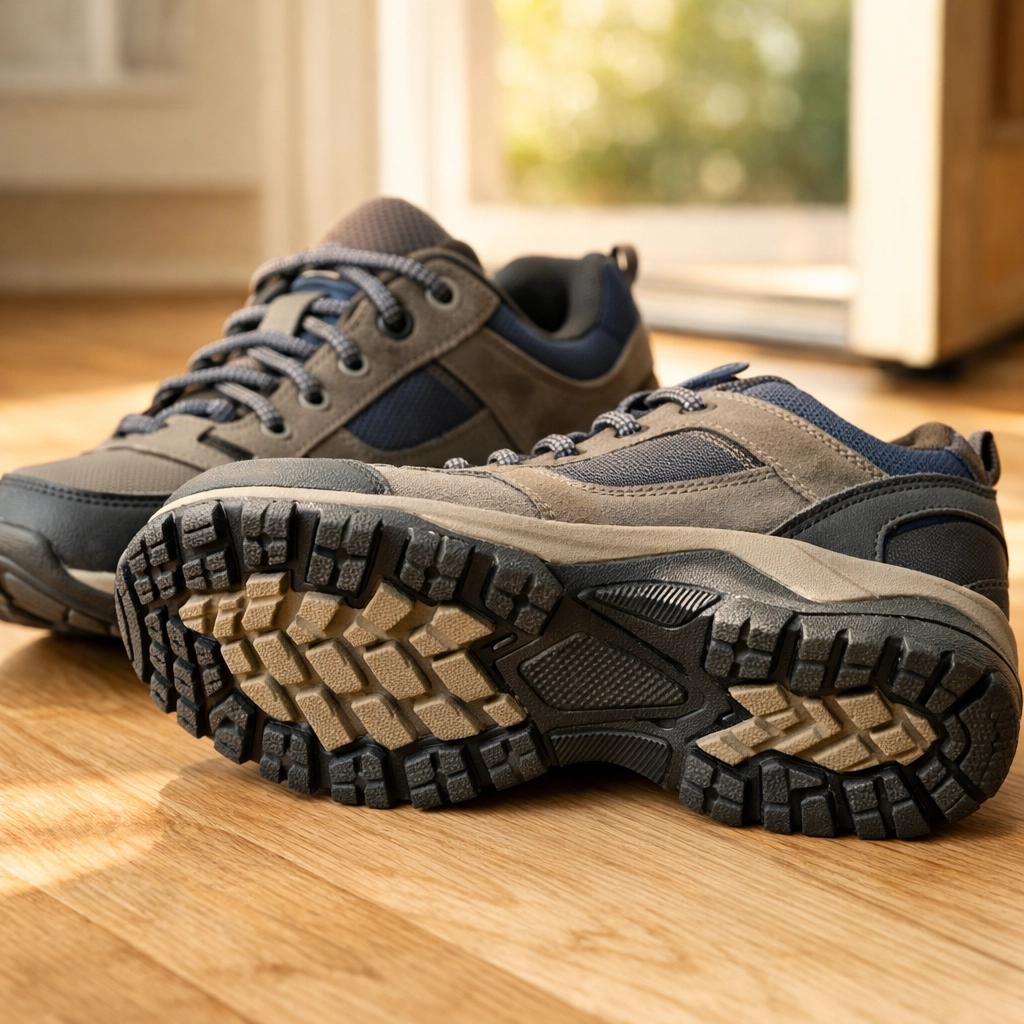
- A Non-Slip Sole: Look for rubber soles with good grip.
- Firm Support: The heel should be sturdy and not easily compressed.
- A Secure Fit: Laces or Velcro straps are better than slip-ons, which can slide off the foot.
- Low Heels: High heels or thick, "platform" athletic shoes can make you less stable.
Avoid walking in stocking feet on wood or tile floors, as they are incredibly slick. If you prefer to be "shoes-off" at home, invest in a pair of indoor-only supportive shoes or slippers with a hard, non-skid rubber sole.
Behavioral Changes and Daily Habits
Sometimes, the way we move through our day can increase our risk. Being mindful and slowing down can prevent a majority of "accidental" trips.
The "15-Second Rule"
Many falls happen when people stand up too quickly. This can cause a sudden drop in blood pressure, leading to dizziness (orthostatic hypotension).
When you wake up or get up from the couch:
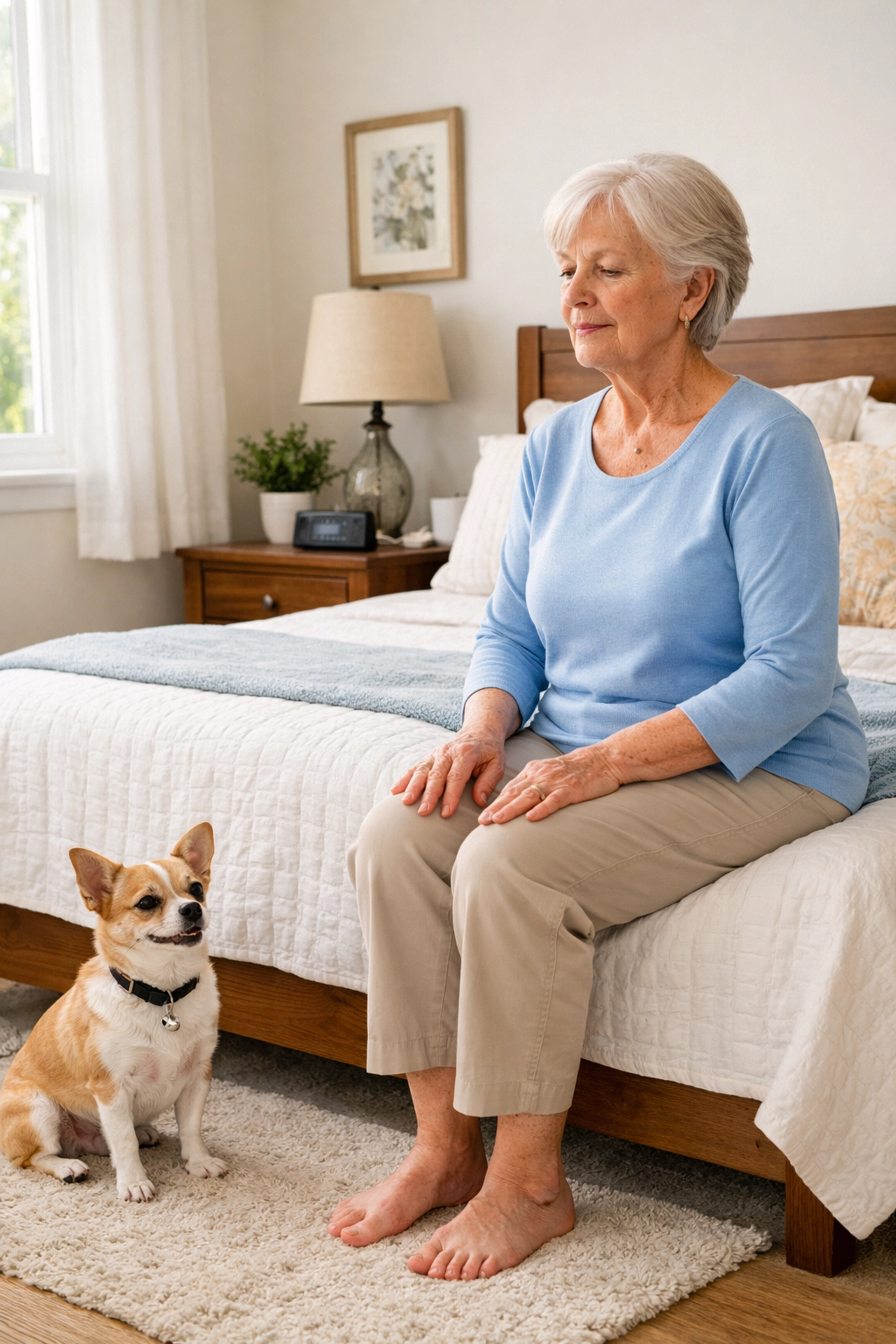
- Sit on the edge of the bed or chair.
- Count to 15.
- Once you feel steady, stand up slowly.
- Wait another moment before you start walking.
Don't Rush
Whether it’s the phone ringing or someone at the front door, resist the urge to rush. Most callers will leave a message, and most visitors will wait. It is better to miss a call than to risk a fall by hurrying across the room.
Pet Safety
We love our furry friends, but they can be major tripping hazards.
- Bells: Consider putting a small bell on your cat or dog’s collar so you always know where they are.
- Training: Train dogs to walk beside you rather than darting in front of your feet.
Professional and Medical Support
Fall prevention is a team effort. You should feel comfortable involving your doctor and other professionals in your safety plan.
Medication Reviews
Some medications, or combinations of them, can cause drowsiness or dizziness. At least once a year, bring all your medications (including over-the-counter supplements) to your doctor or pharmacist. Ask them if any of these could be affecting your balance.
Vision and Hearing Checks
If you can't see a hazard, you can't avoid it. Have your eyes checked annually. Similarly, our inner ears play a massive role in our balance, so keeping your hearing health in check is equally important.
Professional Assessments
You might consider asking for an Occupational Therapy (OT) or Physical Therapy (PT) evaluation. These professionals can come to your home, identify specific risks you might have missed, and suggest the exact types of equipment or exercises that would benefit you most.
Creating a "What If" Plan
Even with the best prevention, it’s wise to be prepared. Knowing what to do if a fall occurs can reduce panic and help you get assistance faster.
- Stay Calm: If you fall, take a few deep breaths. Don't try to get up immediately.
- Check for Injury: Move your arms and legs slowly to see if anything hurts or feels broken.
- The "Crawl and Climb" Method: If you aren't badly hurt, crawl to a sturdy piece of furniture (like a sofa), put your hands on the seat, and slowly transition to a kneeling and then sitting position.
- Have a Way to Call for Help: Keep a cell phone in your pocket, or consider a medical alert system.
Moving Forward with Confidence
Fall prevention isn't a one-time task; it’s a lifestyle of awareness. By taking small, manageable steps: like clearing a hallway today and starting a balance routine tomorrow: you are actively protecting your future independence.
At Fall Guys Products, we believe that everyone deserves to feel secure in their home. It starts with education and ends with action. Take a look around your living space today and see what small change you can make. Whether it’s adding a brighter bulb or finally getting rid of that old rug, every step toward safety is a step toward a more confident life.
Stay safe, stay active, and remember: you have the power to stay steady.

