
When we think about our homes, we think about comfort, memories, and safety. It is the place where we should feel most at ease. However, as we or our loved ones age, the very environment that provided comfort can begin to present hidden challenges. Statistically, the home is where the majority of falls occur, but here is the good news: most of these incidents are preventable with a few thoughtful adjustments.
Preventing falls isn’t about making a home feel like a clinical facility; it’s about empowering independence. It’s about ensuring that a trip to the kitchen for a glass of water or a walk to the mailbox remains a simple, stress-free task. Often, the "mistakes" we make in home safety aren't due to neglect, but simply because we are so used to our surroundings that we stop seeing the hazards.
In this guide, we will walk through seven common mistakes found in many homes and, more importantly, provide practical, reassuring steps to fix them.
1. The "Invisible" Trip Hazard: Throw Rugs and Loose Carpets
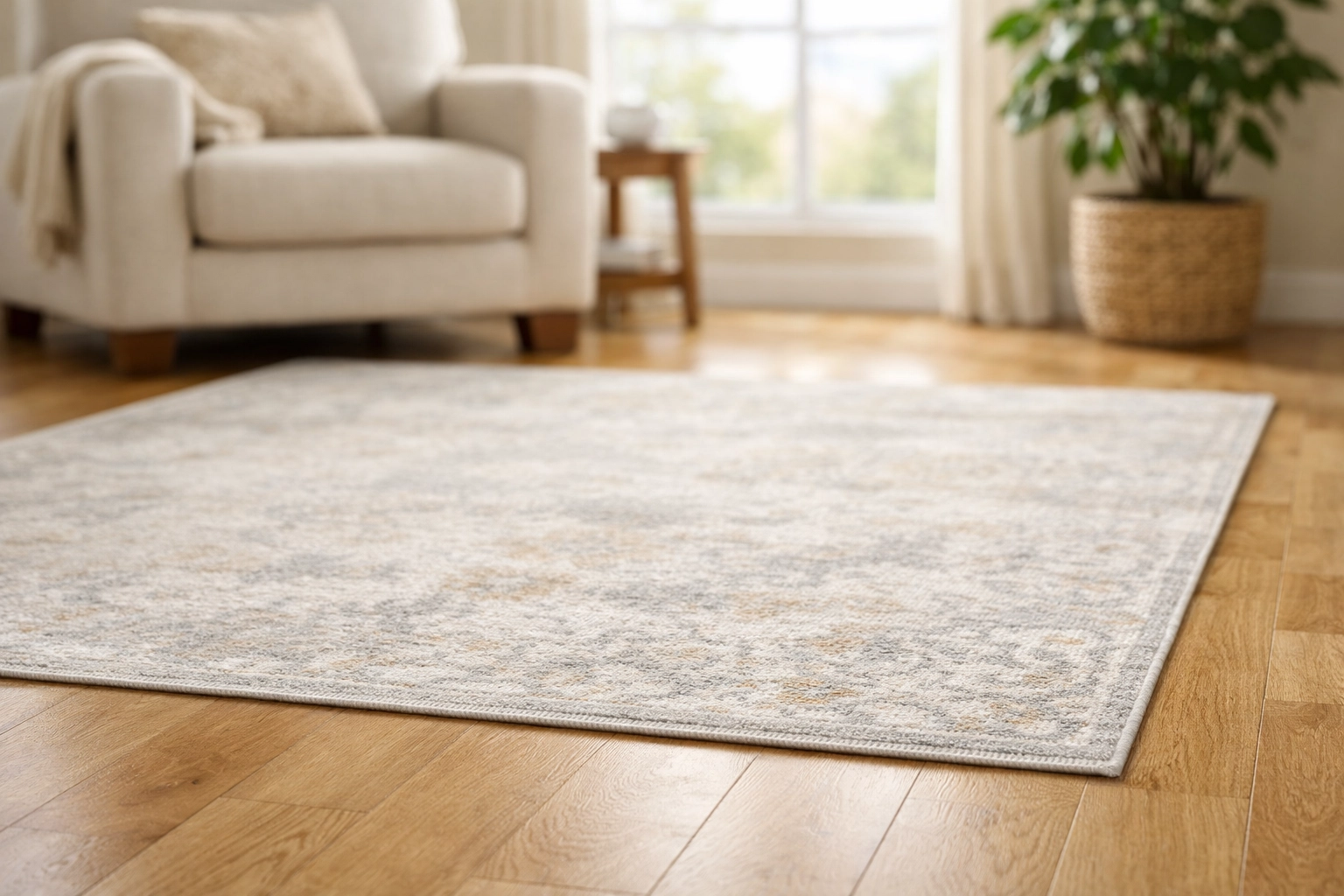
We all have them: that beautiful heirloom rug in the entryway or the cozy throw rug in the bathroom that keeps our feet warm on the tile. While they add character to a room, they are one of the leading causes of trips and falls. The edges can curl up over time, or the rug itself can slide across a hardwood floor when stepped on.
The Mistake
Leaving loose rugs unsecured or using rugs with thick, "lip-like" edges that are easy to catch a toe on, especially if someone uses a walker or has a shuffling gait.
The Fix
The safest option is to remove throw rugs entirely, especially in high-traffic areas like hallways and doorways. If you aren't ready to part with them, ensure they are "trip-proofed." This means using high-quality, double-sided rug tape or non-slip pads that grip the floor firmly.
For transition areas where carpet meets tile or wood, ensure the transition strip is flush and secure. If a rug is frayed or the corners won't stay down despite your best efforts, it’s time to retire it. Your safety is worth more than the aesthetic of a rug.
2. Living in the Shadows: Inadequate Lighting
As we age, our eyes require more light to see clearly, and our ability to adjust to changes in light levels slows down. A hallway that seemed perfectly fine ten years ago might now feel dim and treacherous at night. Many falls happen simply because someone couldn't see a stray shoe or a transition in the flooring.
The Mistake
Relying on a single overhead light, using low-wattage bulbs to save energy, or having light switches that are difficult to reach from the entrance of a room.
The Fix
Start by swapping out old bulbs for brighter, "daylight" LED bulbs. These provide a much clearer, crisper light that helps with depth perception.
Next, focus on the path from the bed to the bathroom. This is the most common route for nighttime falls. Install motion-sensor nightlights that plug into wall outlets; they stay off during the day but provide a gentle glow the moment you step out of bed.
For stairs, consider adding LED strip lighting along the banister or the baseboards. It defines the edge of each step without creating a glaring reflection that might be disorienting.
3. The "Just for a Minute" Clutter Creep
We are all guilty of it. We set a delivery box by the door, leave a stack of magazines on the bottom step to take up later, or let power cords trail across the floor "just for a minute." In the context of fall prevention, that minute is all it takes for an accident to happen.
The Mistake
Allowing walkways to become narrowed by furniture or cluttered with everyday items.
The Fix
Think of your home’s hallways and walkways as "clear zones." There should be a wide, unobstructed path through every room. A good rule of thumb is to ensure there is enough space for a walker or wheelchair to pass through comfortably, even if you don't currently use one.
Address the "cord situation" immediately. Use cord organizers or clear command hooks to secure lamp and phone cords along the baseboards rather than letting them run under rugs or across the floor. If you have a habit of leaving things on the stairs, place a "to-go" basket at the top and bottom. Instead of placing items on the steps, put them in the basket and carry the basket up only when you have a free hand and are feeling steady.
4. Relying on "Furniture Walking" Instead of Proper Supports
Many people find themselves reaching for the back of a couch, a doorknob, or a towel rack to steady themselves as they move through the house. This is often called "furniture walking." While it feels helpful, it’s a dangerous habit because furniture isn't always stable, and towel racks are not designed to hold human weight.
The Mistake
Using unstable objects for balance instead of installing dedicated grab bars and handrails.
The Fix
If you find yourself reaching for things to stay steady, it’s time to look at professional mobility aids. Inside the house, this means installing handrails on both sides of every staircase: not just one.
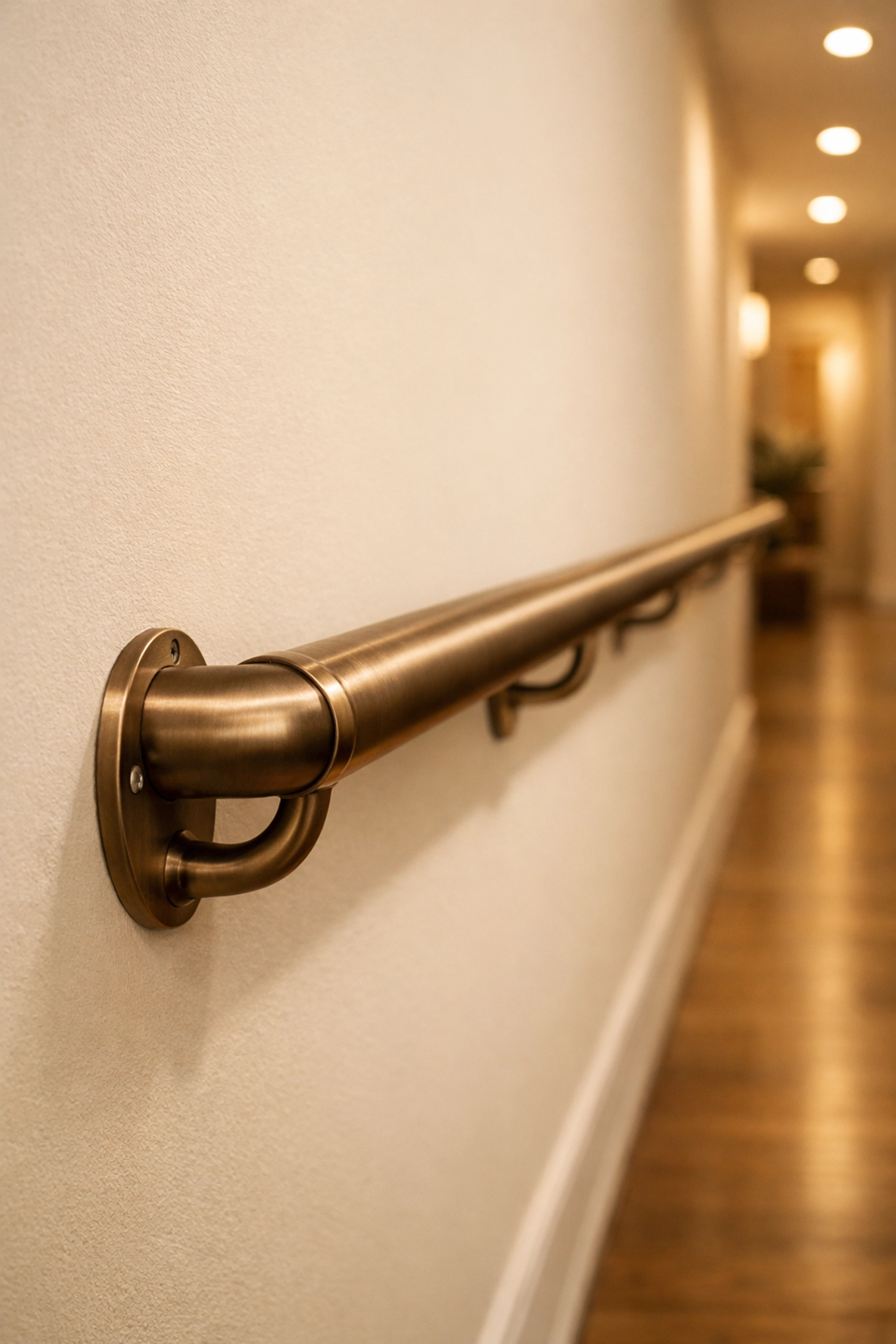
In the bathroom, towel bars should never be used as grab bars. Replace them with actual, load-bearing grab bars. Modern grab bars come in various finishes, including chrome and brushed bronze, so they can match your decor while providing the security you need.
For general mobility, don't shy away from using a cane or walker if it helps. These tools aren't a sign of "giving up"; they are tools for staying active and moving confidently.
5. The "Splash Zone": Bathroom Safety Overlooks
The bathroom is statistically the most dangerous room in the house. Between wet surfaces, low toilets, and high bathtub walls, it’s a perfect storm for slips. Most people realize the floor is slippery, but they often overlook the "transition" points: getting in and out of the shower or on and off the toilet.
The Mistake
Assuming a standard bath mat is enough to prevent slips, or neglecting the difficulty of standing up from a low seating position.
The Fix
Start with non-slip treatments. This includes non-slip adhesive strips inside the tub or shower and a bath mat with a very strong rubber backing for the floor outside.
Consider a shower chair or bench. Being able to sit while washing means you aren't balancing on one leg or closing your eyes (which affects balance) while standing on a wet surface. Pair this with a handheld showerhead so you can control the water flow while seated.
If the toilet is low, a raised toilet seat or a safety frame can make a world of difference. It reduces the amount of energy and balance required to sit and stand, which is often when dizziness or "orthostatic hypotension" (a drop in blood pressure when standing) can occur.
6. Choosing Style Over Substance in Footwear
It’s tempting to walk around the house in socks, floppy slippers, or even barefoot. However, the feet are the foundation of our balance. Socks on a hardwood or tile floor are essentially like wearing ice skates. Bare feet can be better, but they don't provide the arch support or protection needed for those with neuropathy or balance issues.
The Mistake
Wearing "scuff" slippers with no backs, or walking in stockings on smooth surfaces.
The Fix
Invest in a "house shoe." This should be a sturdy, closed-toe shoe with a non-skid rubber sole that is kept exclusively for indoor use. It should have a back (no slip-ons) to ensure the foot doesn't slide out of the shoe mid-step.
If you prefer socks, ensure they have high-grip rubber treads on the bottom, though these are still less stable than a supportive shoe. Proper footwear improves your sensory feedback from the floor, helping your brain better understand where your body is in space.
7. Playing the Acrobat: Reaching for High (or Low) Items
Many falls occur when we try to reach something just out of our grasp. We might stand on a kitchen chair to reach a platter on the top shelf or bend awkwardly to get a heavy pot from a deep floor cabinet. These movements shift our center of gravity and can lead to a loss of balance.
The Mistake
Using chairs or unstable step stools to reach high places, or storing frequently used items in hard-to-reach spots.
The Fix
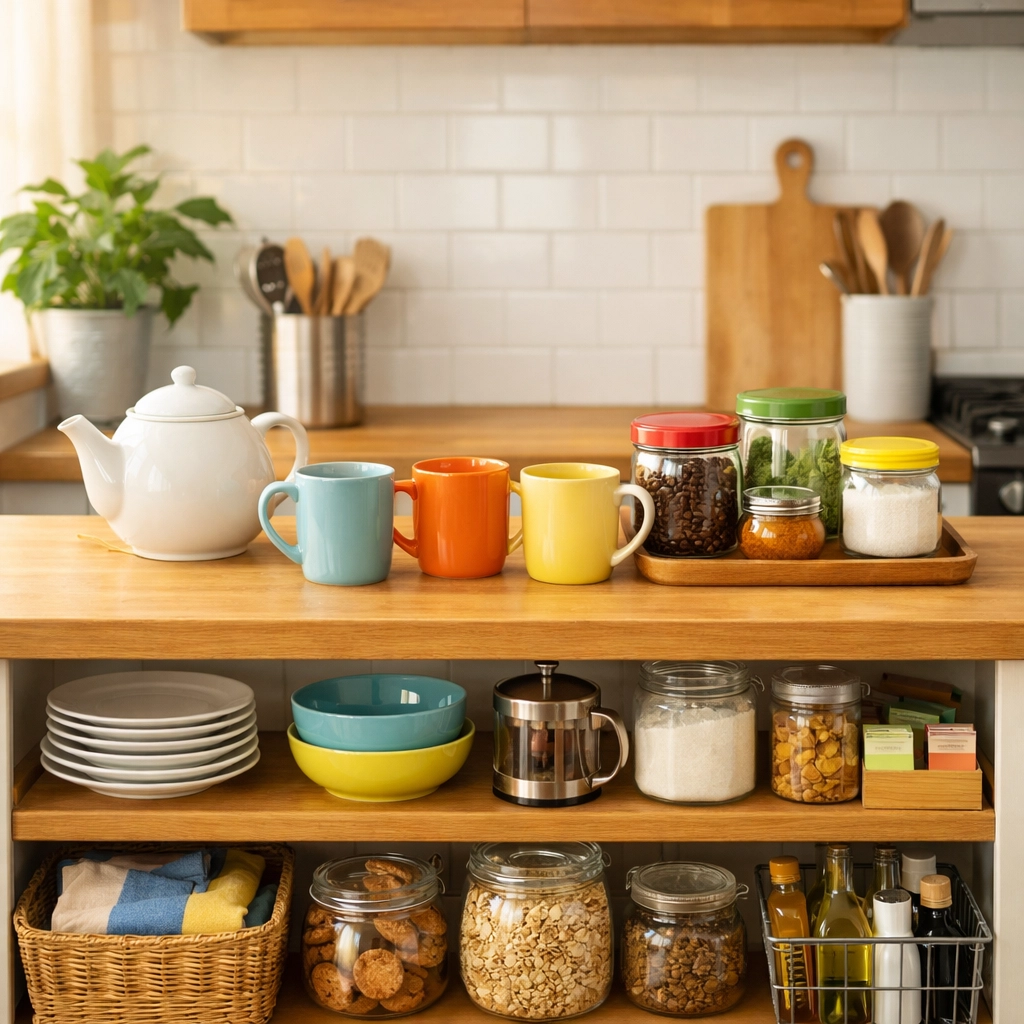
The best fix is a "zonal" reorganization. Take an afternoon to move your most-used items: coffee mugs, daily medications, the heavy cast-iron skillet: to waist-level cabinets and drawers.
If you must reach something high, use a reacher-grabber tool. These lightweight tools act as an extension of your arm and allow you to pick up items without stretching or climbing. If a step stool is absolutely necessary, choose one with a high safety rail (a handle) that you can hold onto with one hand while you reach with the other. Never use a folding chair or a swivel chair as a makeshift ladder.
Strengthening the "Human Factor": Balance and Mobility
Fixing the home environment is half the battle. The other half is the "human factor": your own strength and balance. Even the safest home can't prevent a fall if the body is deconditioned.
Focus on Strength
Lower body strength is the primary predictor of fall risk. Simple exercises, like "sit-to-stands" (repeatedly sitting down and standing up from a sturdy chair without using your arms), can strengthen the quads and glutes. Strong legs act as stabilizers, helping you catch yourself if you do happen to stumble.
Work on Balance
Balance is a skill that can be practiced. Standing on one leg while holding onto a kitchen counter, or practicing "heel-to-toe" walking (like a tightrope walker) with a wall nearby for support, can improve the neurological pathways that keep us upright.
The Importance of Movement
Consistency is key. Whether it’s a daily walk, a seated yoga class, or Tai Chi: which is widely recognized by physical therapists as one of the best activities for fall prevention: keeping the joints moving and the muscles engaged is vital.
Creating a "Safety Eye"
Fall prevention isn't a one-time task; it’s a mindset. It’s about developing a "safety eye" for your surroundings. Once a month, take a slow walk through your home: or have a friend or family member do it with you. Look for the curled rug edge, the dim bulb, or the pile of mail on the stairs.
These small, incremental changes don't just prevent falls; they provide peace of mind. They allow you to focus on enjoying your home, your hobbies, and your family, rather than worrying about the "what-ifs."
A safe home is a foundation for a vibrant, independent life. By addressing these seven common mistakes, you aren't just "fixing a house": you are protecting your future and ensuring that your home remains the sanctuary it was always meant to be.

