
Maintaining independence as we age is a goal we all share. For many of us, that independence is closely tied to our ability to move freely and safely within our own homes. However, a single fall can change things quickly, leading to a loss of confidence or a change in lifestyle. The good news is that falling is not an inevitable part of aging. Most falls are preventable with the right knowledge and a few proactive changes.
At Fall Guys Products, we spend a lot of time thinking about how to make homes safer and more accessible. I’m Brian Kerr, and I’ve seen firsthand how a few simple adjustments can provide a world of reassurance to both seniors and their families. Today, I want to walk through ten essential things you should know about fall prevention. Whether you are looking out for yourself or caring for a loved one, these tips are designed to build a foundation of safety and peace of mind.
1. Physical Activity is Your Best Defense
It might seem counterintuitive, but one of the best ways to avoid falling is to keep moving. When we become afraid of falling, our natural instinct is often to move less to stay "safe." Unfortunately, this inactivity leads to muscle weakness and decreased flexibility, which actually increases the risk of a fall.
Regular physical activity keeps your joints limber and your muscles strong. You don’t need to be an athlete to see the benefits. Walking is an excellent choice, as is water aerobics, which takes the pressure off your joints while providing resistance. The key is consistency. Aim for at least 30 minutes of moderate activity most days of the week. Before starting any new routine, it is always a good idea to have a quick chat with your doctor to ensure the activities you choose are a good fit for your current health status.
2. Prioritize Balance and Strength Training
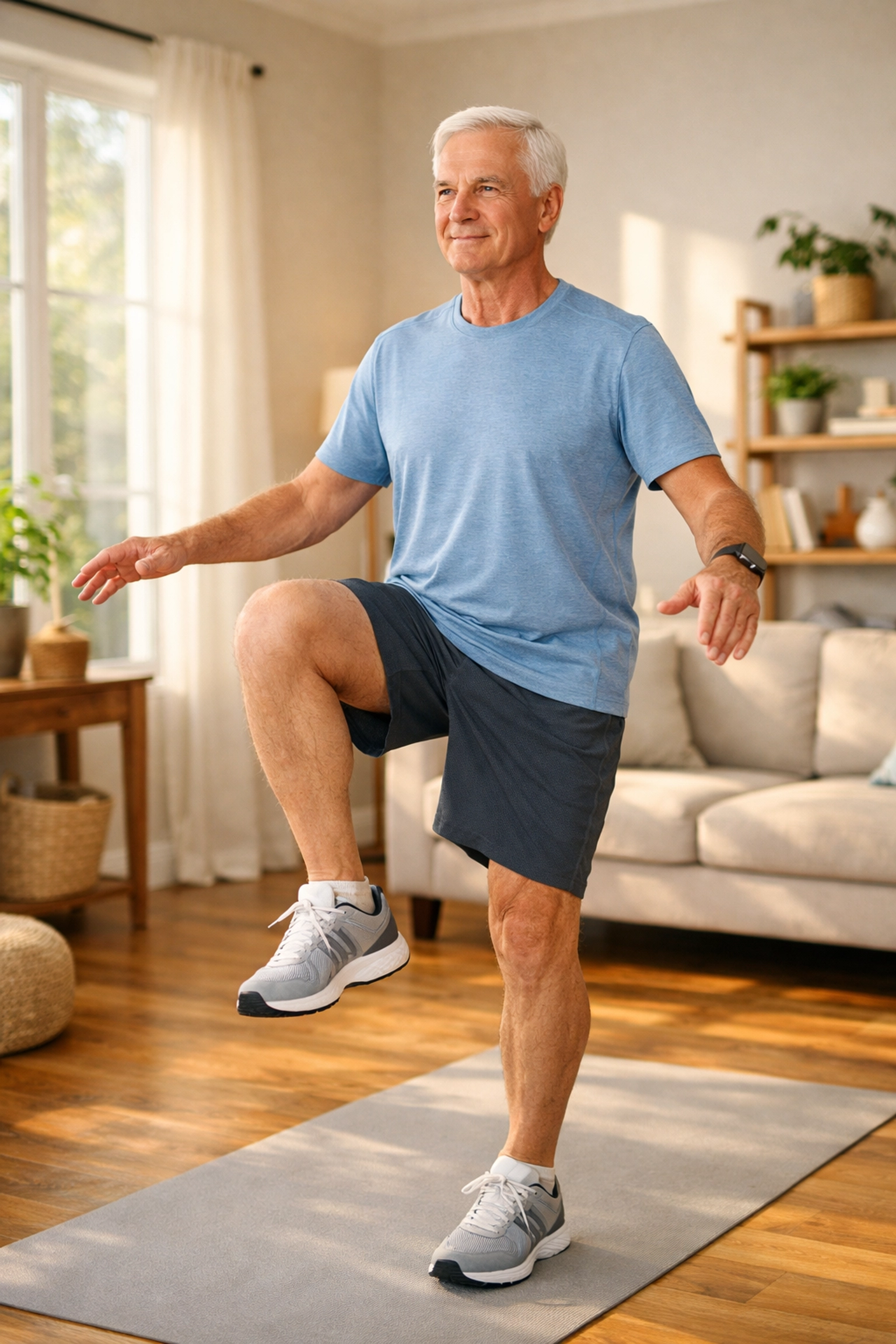
While general activity is great, specific exercises focused on balance and strength are the "secret sauce" of fall prevention. As we age, our proprioception: the body’s ability to sense its position in space: can dull. Balance training helps "re-calibrate" this system.
Tai Chi is often cited by healthcare professionals as one of the most effective ways to improve balance. Its slow, deliberate movements and focus on weight shifting are perfect for building stability. At home, you can practice simple movements like the "sit-to-stand." Sit in a sturdy chair, stand up without using your hands if possible, and sit back down slowly. Repeating this ten times can significantly strengthen the large muscles in your legs.
3. Review Your Footwear
We often think about the floor when we talk about falls, but we don't always think about what is touching the floor. Your choice of footwear plays a massive role in your stability.
While it is tempting to walk around the house in socks or loose slippers, these are major trip and slip hazards. Socks offer no traction on wood or tile, and floppy slippers can easily catch on the edge of a rug. The safest choice is a sturdy, well-fitting shoe with a non-skid rubber sole. Look for shoes with laces or Velcro straps that keep the shoe snug against your foot. If you prefer to be "shoeless" at home, look for high-quality grip socks or indoor-only supportive shoes that provide the same stability as your outdoor footwear.
4. Conduct a "Hazard Hunt" in Your Home
Our homes are filled with small obstacles that we've lived with for years and eventually stop noticing. A "hazard hunt" involves walking through every room with a critical eye, looking for anything that could cause a stumble.
Start with the floors. Throw rugs are a classic culprit; if they aren't secured with non-slip backing or double-sided tape, they should probably be moved. Look for clutter in high-traffic walkways, such as stacks of magazines, shoes by the door, or pet toys. Electrical cords should never run across a path; instead, secure them along the baseboards. In the bathroom, check for puddles or wet spots that might appear after a shower. A dry floor is a safe floor.
5. Shed Light on Dark Corners
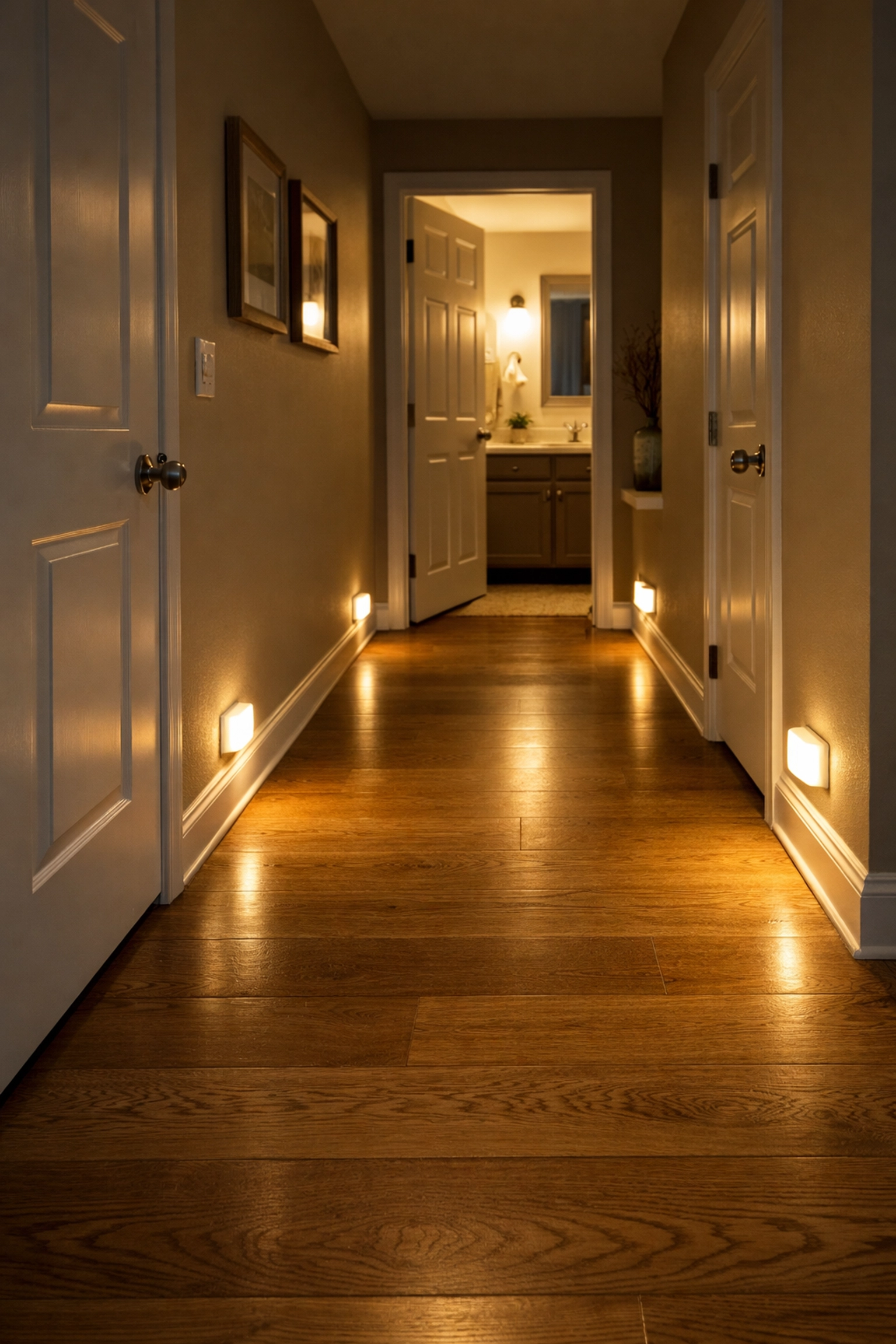
Vision naturally changes as we age, making it harder to see obstacles in low light. This is especially dangerous during those middle-of-the-night trips to the bathroom or the kitchen.
Ensure that every room in your house has adequate lighting. Replace any dim or flickering bulbs with bright, high-quality LEDs. Install nightlights in hallways, bathrooms, and bedrooms. Motion-sensor lights are a fantastic modern solution; they turn on automatically when you enter a room, so you never have to fumble for a switch in the dark. It’s also helpful to have a lamp within easy reach of your bed so you can light your path before you even stand up.
6. Strategic Support Equipment
Sometimes, we need a little extra help to stay steady, and there is no shame in that. In fact, adding supportive equipment to your home is one of the smartest things you can do to maintain your independence.
Think about the areas where you feel the most "unsteady." Is it getting out of bed? Getting up from a low sofa? Stepping over the side of the tub? Grab bars in the bathroom are essential, but you can also look into floor-to-ceiling stability poles or bedside rails. These tools provide a "third point of contact," giving you a solid anchor to hold onto while you transition from sitting to standing. These shouldn't feel like "medical" additions; think of them as home upgrades that make life easier and safer.
7. Using Assistive Devices Correctly
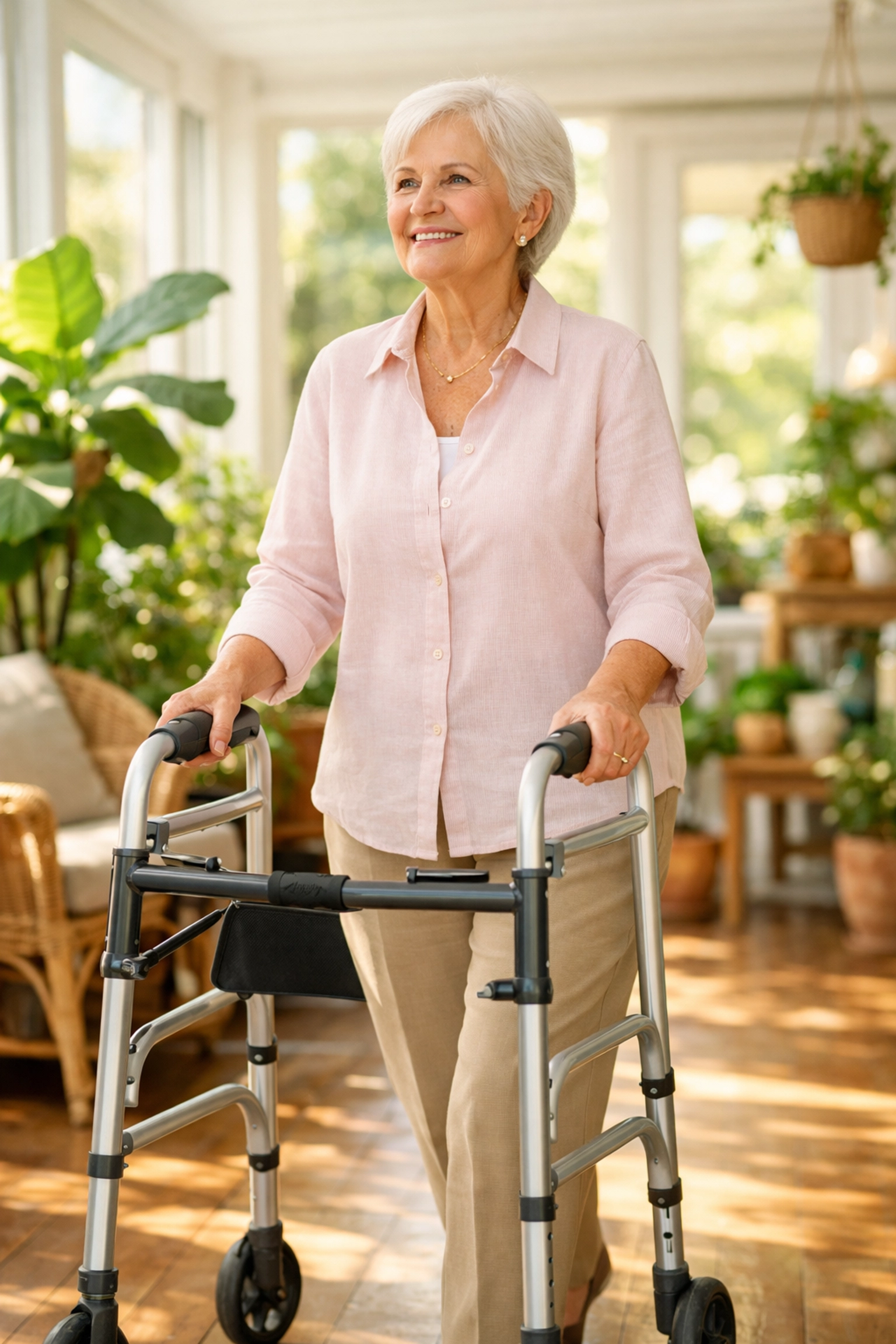
If a doctor or physical therapist has recommended a cane or a walker, it is vital to use it: and to use it correctly. Many people keep their walker in the corner and only use it for "long trips," but most falls happen during short trips within the house.
The fit of the device is just as important as the device itself. A cane that is too high will cause your shoulder to hunch, and a walker that is too low will make you lean forward, which actually throws off your center of gravity. When standing straight, the handle of your cane or walker should line up with the crease of your wrist. If you aren't sure if your device is adjusted correctly, take it to your next physical therapy appointment for a professional fitting.
8. The "Slow and Steady" Rule
Dizziness is a common cause of falls, often occurring when we transition too quickly from one position to another. This is sometimes called orthostatic hypotension: a fancy way of saying your blood pressure takes a moment to catch up when you stand up.
To prevent this, follow the "slow and steady" rule. When you wake up, sit on the edge of the bed for a full minute before standing. Wiggle your toes and take a few deep breaths. Once you stand up, hold onto your walker or a piece of sturdy furniture for another few seconds before you start walking. This gives your body time to adjust and ensures you have your bearings before you move.
9. Keep Your Hands Free
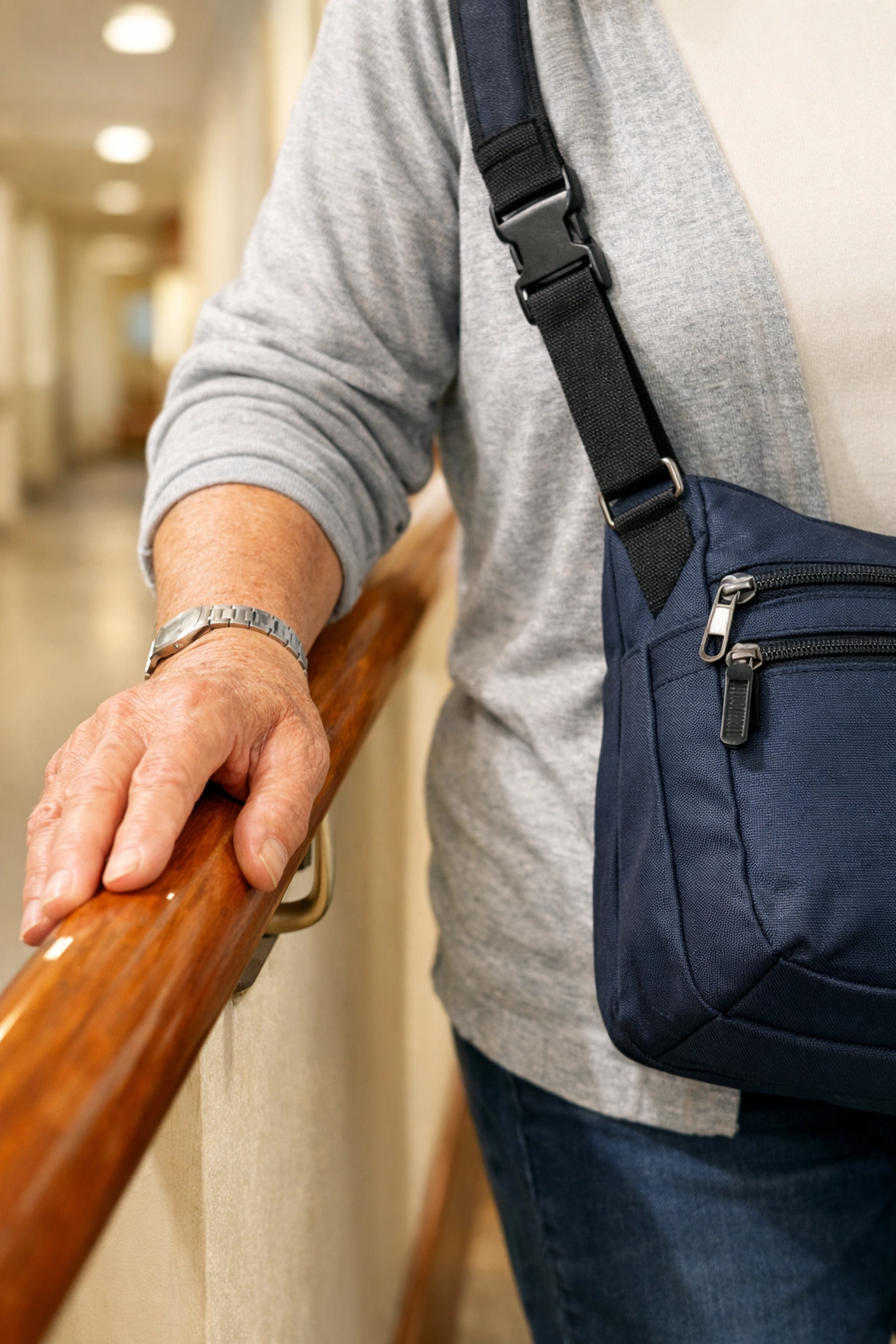
Balance is much easier to maintain when your arms are free to help you stabilize. If you are carrying a load of laundry, a stack of mail, or a heavy dinner plate, you can’t use your hands to grab a railing or steady yourself if you trip.
Try to find ways to keep your hands free during transitions. Use a small backpack or a cross-body bag to carry items from room to room. If you use a walker, you can attach a basket or a tray to the front. If you have stairs, consider placing a small basket at the top and bottom; instead of carrying items up one by one, place them in the basket and carry it only when you have a free hand or someone available to help you.
10. Reorganize for Accessibility
Take a look at your kitchen, pantry, and closet. Are the items you use every day stored on high shelves that require a step stool? Or perhaps they are tucked away in low cabinets that require deep bending?
Both reaching high and bending low can cause a loss of balance. Reorganize your home so that your most-used items: coffee mugs, favorite pans, daily medications, and comfortable clothes: are stored between waist and shoulder height. This "strike zone" is the safest area for reaching. If you must use a step stool for something, ensure it is a high-quality model with a sturdy handrail, and never use a chair or a crate as a makeshift ladder.
Building a Culture of Safety
Fall prevention isn't about living in fear; it's about being prepared. When we take the time to address these ten areas, we aren't just "preventing an accident": we are creating an environment where we can move with confidence.
If you are a caregiver, remember that these conversations should be approached with empathy. It can be difficult for someone to admit they feel unsteady. Instead of pointing out "risks," focus on "solutions" that help them stay in the home they love.
At Fall Guys Products, we believe that every senior deserves to feel secure in their own space. By staying active, modifying our environment, and using the right tools, we can significantly reduce the risk of falls and keep our focus where it belongs: on enjoying life and staying connected with the people we love.

Talking to Your Healthcare Provider
Finally, remember that you don't have to figure this out alone. Your primary care physician, a physical therapist, or an occupational therapist can provide a professional fall risk assessment. They can review your medications (some of which can cause dizziness), check your vision, and give you specific exercises tailored to your needs. Being proactive with your medical team is a sign of strength and a great way to ensure you're doing everything possible to stay safe and independent.

