
Caring for a loved one with dementia is a journey that requires a lot of heart, patience, and a fair amount of detective work. When cognitive decline enters the picture, the home environment that once felt safe can suddenly become a maze of potential hazards.
I’m Brian Kerr, the founder of Fall Guys Products, and if there is one thing I’ve learned over the years, it’s that fall prevention for those with dementia isn't just about removing trip hazards: it’s about understanding how the brain processes the world around it.
Studies show that people living with dementia are nearly twice as likely to experience a fall compared to those without cognitive impairment. In fact, nearly 50% of dementia patients will experience a fall annually. These aren't just statistics; they represent a significant challenge for families trying to keep their loved ones aging in place safely.
In this guide, we’re going to walk through the fundamentals of creating a fall-safe home while keeping the unique needs of a person with dementia in mind.
Why Dementia Changes the Fall Risk Equation
To prevent falls effectively, we first have to understand why they happen more frequently in the context of dementia. It isn't always just a matter of muscle weakness or poor balance: though those play a role.
Spatial Awareness and Perception
Dementia can change how the brain interprets visual information. A dark rug on a light floor might look like a hole in the ground to someone with Alzheimer’s, causing them to step over it awkwardly or freeze in place. Similarly, shadows can look like obstacles, and glass doors might seem like open hallways.
Judgment and Safety Awareness
As dementia progresses, the ability to judge risks diminishes. A person may try to get out of bed in the middle of the night without realizing they are too weak to stand alone, or they might attempt to climb a stool to reach something in a high cabinet.
Gait and Balance Changes
Cognitive decline often goes hand-in-hand with changes in how a person walks. You might notice a "shuffling" gait or a tendency to lean forward. These subtle changes make it much easier for a small toe-catch to turn into a serious tumble.
The Foundation: Clearing the Path
The first step in any fall prevention plan is to simplify the living space. For someone with dementia, "visual noise" can be incredibly distracting and disorienting.
Decluttering for Peace of Mind
Take a walk through your home and look at it through your loved one's eyes. Are there stacks of magazines on the floor? Are there shoes kicked off near the entryway?
- Remove obstacles: Keep hallways and walkways completely clear.
- Secure furniture: Move coffee tables or plant stands that stick out into walking paths.
- Tuck away cords: Electrical cords for lamps or TVs should be secured behind furniture or taped down with specialized floor covers.
The Great Rug Debate
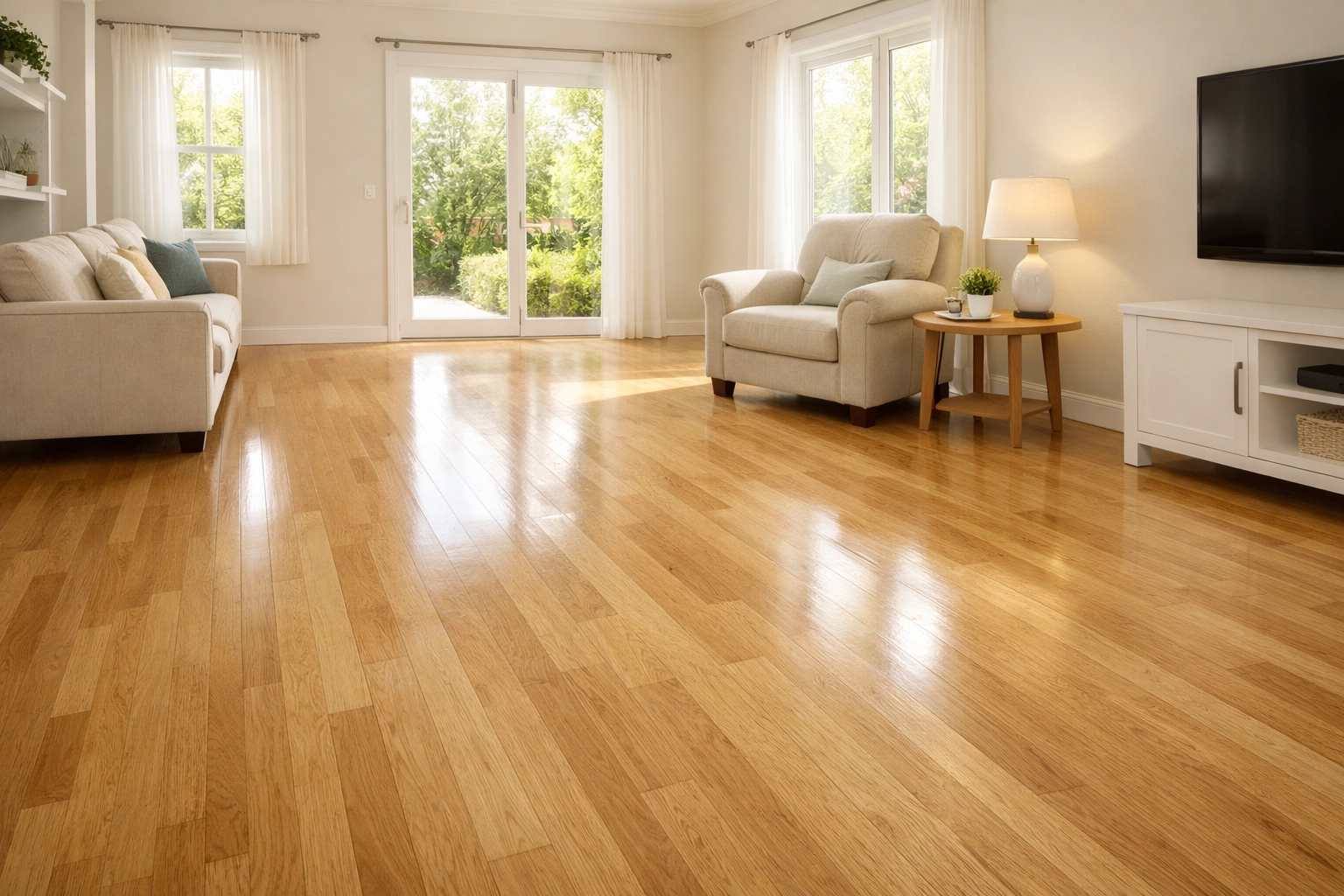
In the world of fall prevention, rugs are a primary enemy. Loose area rugs and throw rugs are major trip hazards. For someone with dementia, they are even more dangerous because of the depth perception issues mentioned earlier.
The safest move is to remove all rugs and stick to hard flooring or wall-to-wall carpeting. If you absolutely must have a rug, ensure it has a high-quality non-slip backing and that the edges are low-profile and secure.
Lighting: Your Secret Weapon
Proper lighting is one of the most underrated tools in dementia care. Poor lighting contributes to "sundowning": a state of confusion that often occurs in the late afternoon and evening. It also makes it harder for a person with compromised vision to see changes in floor levels or hidden obstacles.
Strategic Illumination
- Eliminate shadows: Use high-wattage, "warm" bulbs that mimic natural light to reduce dark corners and harsh shadows.
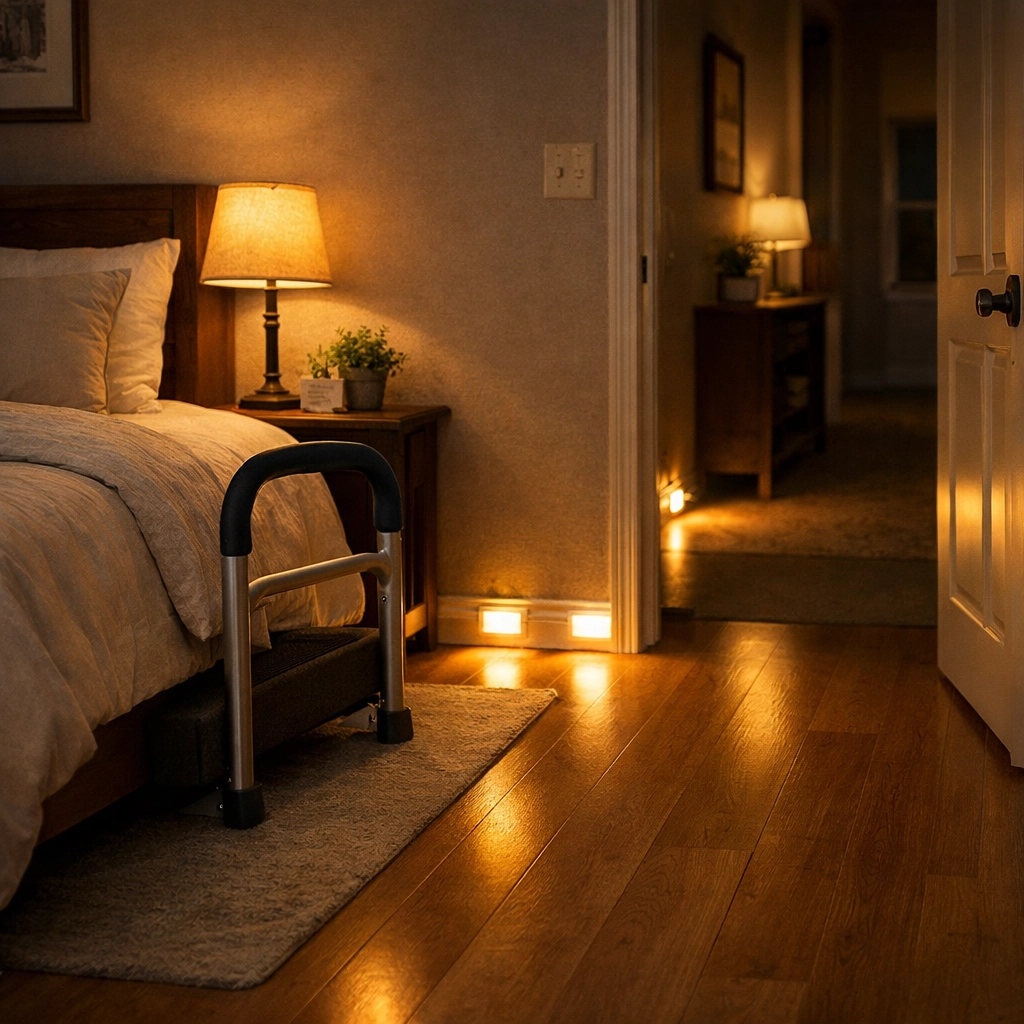
- The Bedroom-to-Bathroom Path: This is the most common route for nighttime falls. Install motion-activated nightlights along the baseboards so the path glows as soon as they step out of bed.
- Exterior Lights: Don’t forget the porch and walkways. If your loved one still goes outside, ensure every step is clearly visible after dusk.
High-Risk Zone: The Bathroom
Bathrooms are arguably the most dangerous rooms in any home due to the combination of hard surfaces and water. When you add the confusion that can come with dementia, safety becomes paramount.
Simple Bathroom Modifications
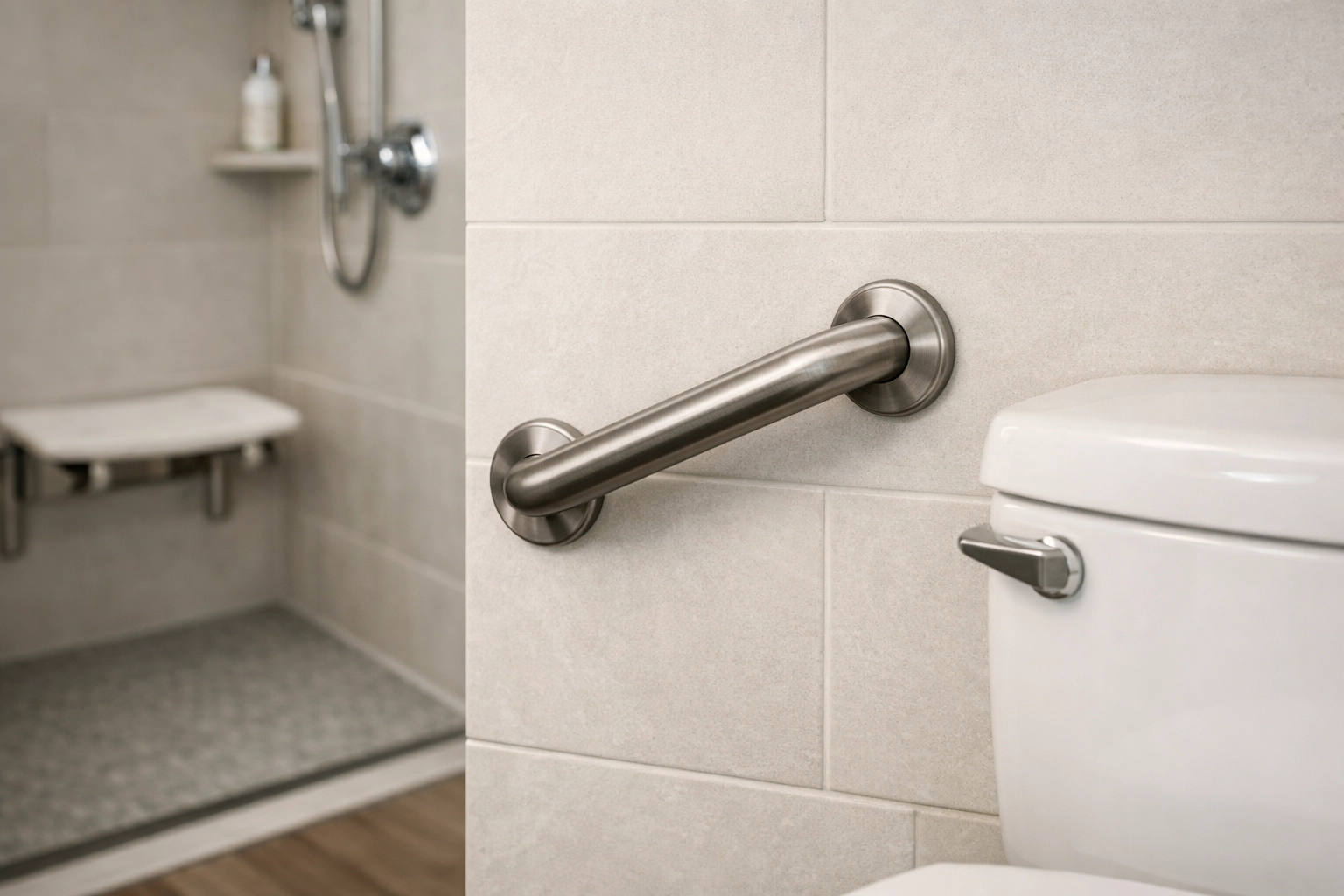
- Grab Bars: These should be installed near the toilet and inside the shower. Make sure they are professionally anchored into the wall studs; "suction" bars are not reliable for someone who might put their full weight on them.
- Non-Slip Surfaces: Use textured stickers or non-slip mats inside the tub or shower. However, be mindful of the color. A black mat in a white tub might look like a deep hole. Use colors that provide a gentle contrast without being alarming.
- Raised Toilet Seats: Sitting down and standing up can be a major balance challenge. A raised seat with handles makes this process much safer and less taxing on the legs.
Bedroom Safety and the Nighttime Routine
The bedroom should be a sanctuary, but for a person with dementia, nighttime can be a time of disorientation.
Orientation and Support
- Bed Height: The bed should be at a height where the person’s feet can touch the floor comfortably while they are sitting on the edge. If the bed is too high, they might slide off; if it’s too low, they may struggle to stand up.
- Assist Rails: Bed rails can be helpful, but they must be used with caution in dementia care. Some people may try to climb over them, which increases the fall distance. Assist rails: smaller handles designed to help a person sit up or steady themselves while standing: are often a safer alternative.
- Routine: Keeping a consistent bedtime routine helps reduce the agitation that can lead to impulsive, unsafe movements at night.
Physical Wellness: Strength and Hydration
Fall prevention isn't just about the house; it’s about the person. Maintaining physical health is a key pillar of safety.
Encourage Movement
Even if it's just a short walk down the hallway or some seated leg lifts, staying active helps maintain the muscle mass required for balance. Consult with a doctor or a physical therapist to find a routine that is safe and manageable.
The Role of Hydration and Nutrition
Dehydration is a leading cause of dizziness and confusion in seniors. When someone is dizzy, their risk of falling skyrockets.
- Keep water accessible: Place water bottles at waist level throughout the house so they don't have to reach into high cabinets or bend down low.
- Regular meals: Low blood sugar can also lead to weakness. Ensure your loved one is eating regular, nutrient-dense meals to keep their energy levels steady.

Footwear: The Foundation of Every Step
What your loved one wears on their feet matters more than you might think. Floppy slippers or going barefoot can significantly increase the risk of a slip.
What to Look For in a Shoe
- Sturdy Soles: Look for rubberized, non-slip soles that provide good grip.
- Heel Support: Avoid backless slippers. A shoe with a firm heel counter helps keep the foot stable.
- Proper Fit: Feet can change size or swell throughout the day. Ensure shoes are not too tight (causing pain and gait changes) or too loose (causing trips).
The Importance of Supervision and Proactive Care
Sometimes, the best fall prevention is simply being present. However, we know that no caregiver can be in the room 24/7.
Addressing Needs Before They Become Problems
Many falls happen when a person with dementia tries to reach for something they need.
- Anticipate the bathroom: Offer assistance to the bathroom every few hours.
- Comfort items: Keep the TV remote, water, and glasses within easy reach of their favorite chair.
If your loved one has already experienced a fall, it’s important to treat it as a learning opportunity. Where did it happen? What were they trying to do? Was the lighting poor? Analyzing a fall can help you prevent the next one.
When to Seek Professional Guidance
You don't have to do this alone. In fact, you shouldn't.
The Value of an Occupational Therapist (OT)
An Occupational Therapist is trained to look at the intersection of a person's abilities and their environment. They can perform a home safety assessment and provide specific recommendations tailored to your loved one’s stage of dementia.
Physical Therapy (PT)
A physical therapist can work on "gait training" and balance exercises. They can also ensure that if your loved one uses a walker or cane, they are using it correctly. People with dementia sometimes forget how to use their mobility aids, so a PT can help reinforce those habits through repetitive, gentle training.
Final Thoughts
Fall prevention in dementia care is a moving target. As the condition progresses, the strategies you use will need to evolve. It requires a "reassuring" touch: making changes that keep your loved one safe without making their home feel like a clinical facility.
By focusing on clear pathways, excellent lighting, and physical wellness, you are doing more than just preventing an injury. You are providing your loved one with the freedom to move through their home with dignity and confidence.
Take it one room at a time, stay observant, and remember that every small change you make is a significant step toward a safer home.

