
Hi there, I’m Brian Kerr, the founder of Fall Guys Products. If you’re reading this, chances are you’re looking out for yourself or someone you love. Maybe there was a recent "near miss" in the kitchen, or perhaps you’re just noticing that getting out of a favorite armchair isn't as easy as it used to be.
First, I want to take a deep breath with you. Falling can feel like a scary topic, but it doesn't have to be. In my years of working with mobility and safety, I’ve learned that fall prevention isn't about restriction, it’s about empowerment. It’s about making small, smart changes today so you can keep living life on your terms tomorrow.
In this guide, we’re going to walk through the fundamentals of creating a safer home and a more stable lifestyle. Think of this as your "Home Safety 101" course. We’ll cover everything from simple room modifications to the importance of the right footwear, all with the goal of keeping you steady on your feet.
Understanding the "Why" Behind Fall Prevention
Before we dive into the "how," let’s talk about why we focus so much on the home environment. Statistically, the majority of falls for seniors happen right where we feel safest: at home.
As we age, our bodies naturally change. Our reaction times might slow down a bit, our vision might shift, and our balance systems, located in our inner ears and joints, might not be as sharp as they once were. When you combine these physical changes with a home environment full of "invisible" hazards (like a loose rug or a dim hallway), the risk of a tumble increases.
The good news? Most falls are preventable. By looking at your home through a "safety lens," you can spot potential problems before they lead to an accident.
Step 1: Lighting the Way
One of the simplest and most effective ways to prevent falls is to improve the lighting in your home. If you can’t see a hazard, you can’t avoid it.
As we get older, our eyes need more light to see clearly. What felt "cozy" in your 40s might be "dangerous" in your 70s or 80s.
Key Lighting Upgrades:
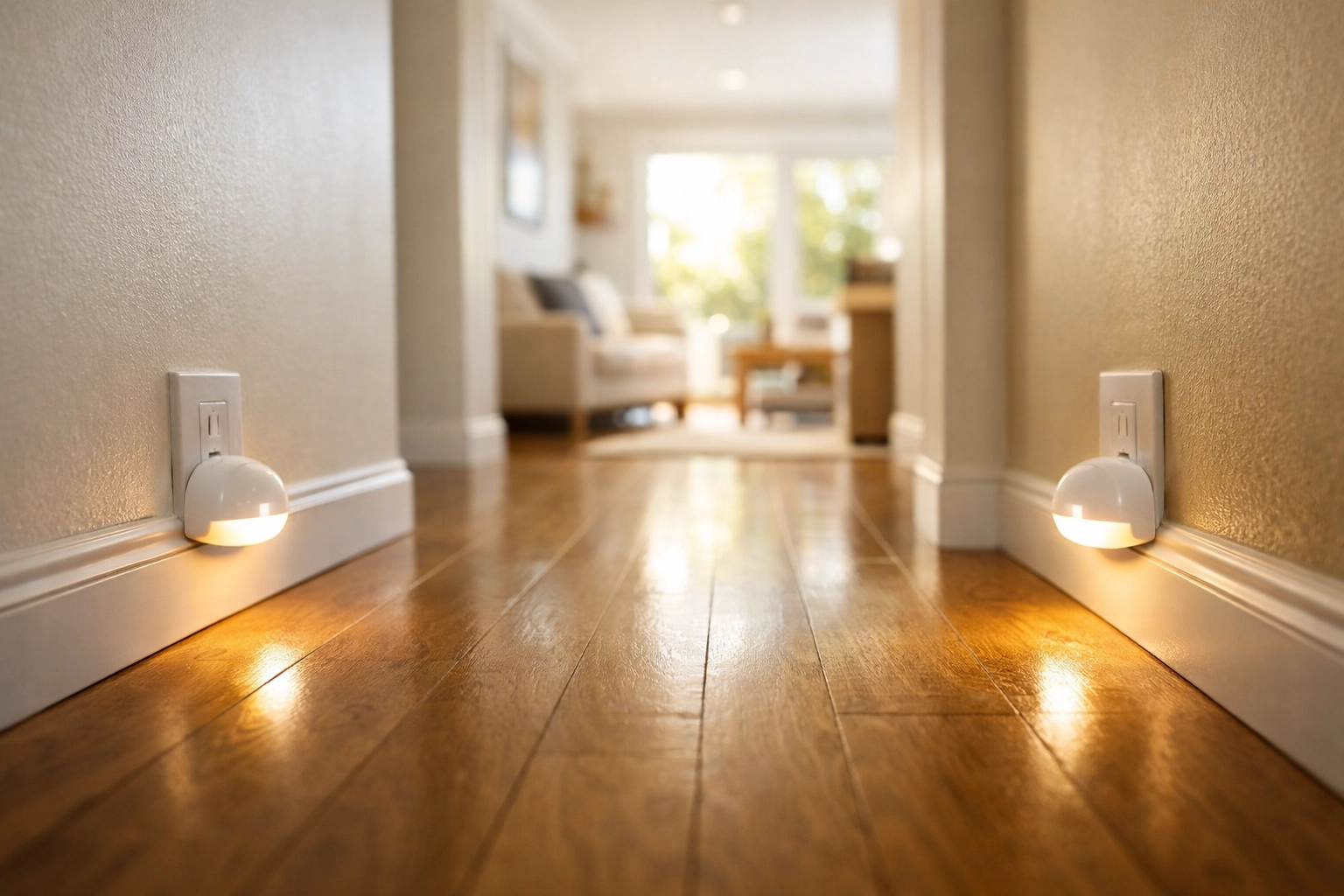
- Pathways and Hallways: Ensure every walkway is well-lit. If you have long hallways, consider adding motion-activated night lights. These are wonderful because they only turn on when you need them, preventing you from having to fumble for a switch in the dark.
- The Bedroom-to-Bathroom Route: This is a high-traffic area, especially at night. Make sure there is a clear, bright path from your bed to the bathroom.
- Switches at Both Ends: Stairs and long halls should have light switches at both the top and the bottom (or both ends). You should never have to walk through a dark space to turn on a light.
- Task Lighting: In the kitchen or workshop, add extra lighting under cabinets or over work surfaces to reduce shadows and glare.
Step 2: Clearing the Floor
Your floors should be a clear runway for movement. Unfortunately, many homes have "trip mines" scattered throughout.
The Great Rug Debate
I know, rugs make a room feel warm and finished. However, throw rugs and area rugs are some of the biggest culprits in home falls. Their edges can curl up, or the rug itself can slide out from under you.
- The Best Move: Remove throw rugs entirely.
- The Compromise: If you must keep a rug, use double-sided tape or non-slip backing to secure it firmly to the floor. Ensure the edges are flush with the ground so your toe won't catch on them.
Clutter and Cords
Take a walk through your house. Are there stacks of magazines by the chair? Shoes in the entryway? Extension cords running across the middle of the room?
- Clear the Path: Keep furniture, especially low coffee tables, out of the main walking paths.
- Cord Management: Secure electrical cords along the baseboards using clips. Never run a cord under a rug or across a walkway.
Step 3: Room-by-Room Safety Audit
Let’s go through the house together and look at the specific needs of each room.
The Bathroom: The Highest Risk Area
The bathroom is often the most dangerous room because it’s full of hard, wet, and slippery surfaces.
- Grab Bars: Install permanent grab bars near the toilet and inside/outside the shower or tub. Please note: towel racks are not grab bars. They are designed to hold the weight of a towel, not a person.
- Non-Slip Surfaces: Use non-slip mats or adhesive strips on the floor of the tub or shower.
- Raised Toilet Seats: If sitting down or standing up from the toilet is a struggle, a raised seat can make a world of difference.
The Kitchen: Accessibility is Everything
In the kitchen, the goal is to minimize the need for reaching, bending, or using step stools.
- The Waist-High Rule: Store your most frequently used items (your favorite pan, the coffee mugs, daily plates) at waist level or on the counter.
- Clean Spills Immediately: A single drop of water on linoleum or tile can be like ice.
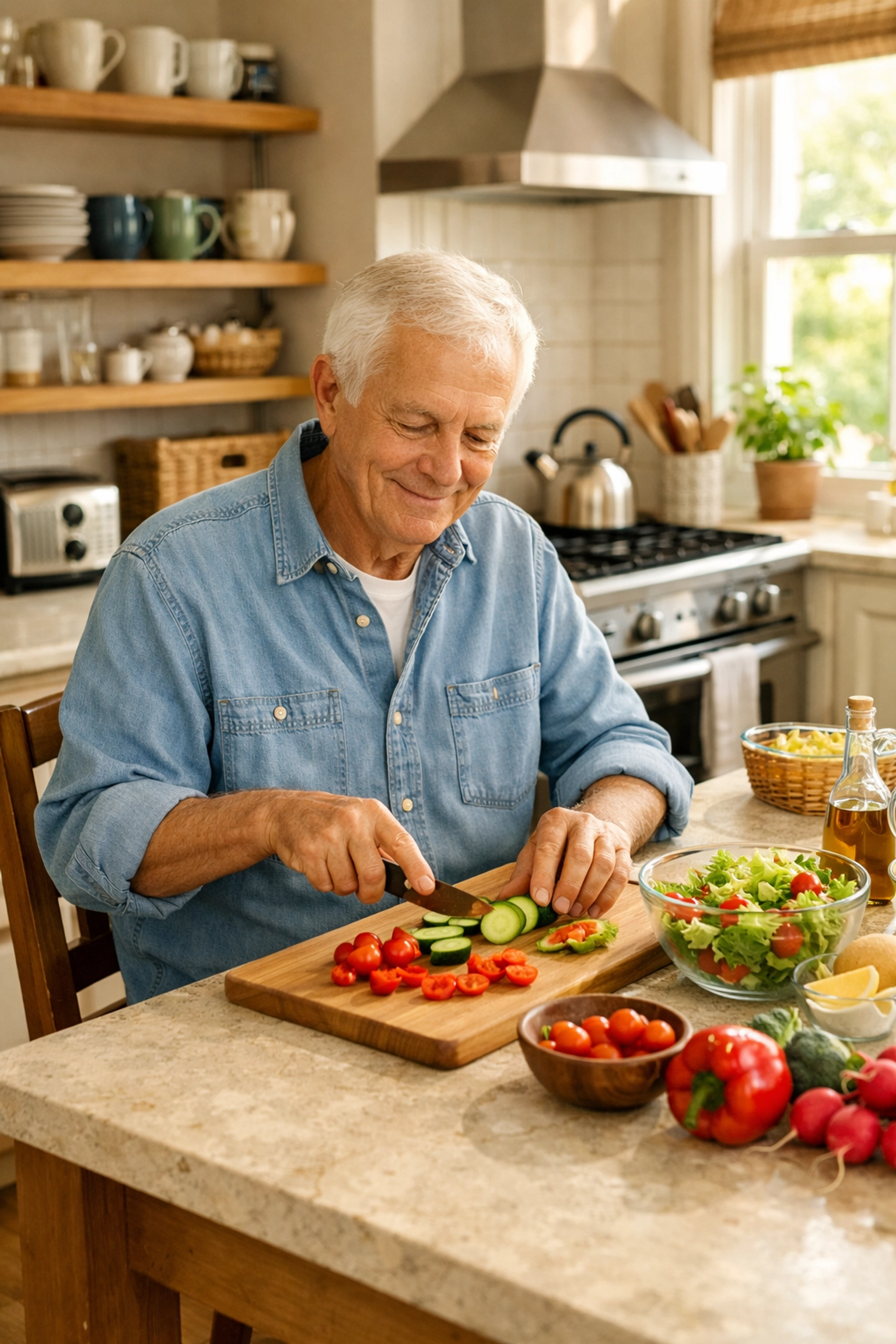
- Sit to Prep: If you’re preparing a large meal, pull up a sturdy chair or stool. Standing for long periods can cause fatigue, which leads to poor balance.
The Bedroom: A Sanctuary of Safety
- Bed Height: Your bed should be at a height where your feet touch the floor comfortably when you’re sitting on the edge.
- Sturdy Furniture: When getting out of bed, many people reach for a nightstand to steady themselves. Ensure your nightstand is heavy and sturdy enough to support your weight, or consider a dedicated bedside rail.
- Phone Access: Always keep a phone (and a flashlight) within reach of your bed.
Step 4: Strength and Balance
While we can change our environment, we also need to look at our "internal" stability. Strengthening your muscles and improving your balance is a lifelong journey.
Exercise for Stability
You don’t need to run marathons to stay safe. Gentle, consistent movement is the key.
- Tai Chi: This ancient practice is often called "meditation in motion" and is world-renowned for improving balance and coordination in seniors.
- Walking: A simple 20-minute walk can help maintain leg strength.
- Leg Exercises: Simple movements like "sit-to-stands" (sitting in a chair and standing up repeatedly without using your hands) can build the core and leg strength needed for daily life.
Consult with a doctor or a physical therapist before starting a new exercise routine. They can provide a personalized plan that fits your current mobility level.
Step 5: Personal Habits and Footwear
Sometimes the things we wear or the habits we have can sabotage our safety.
The Slipper Trap
Many people love wearing loose, fluffy slippers at home. While comfortable, they offer zero support and can easily "flip-flop" off your feet, causing a trip.
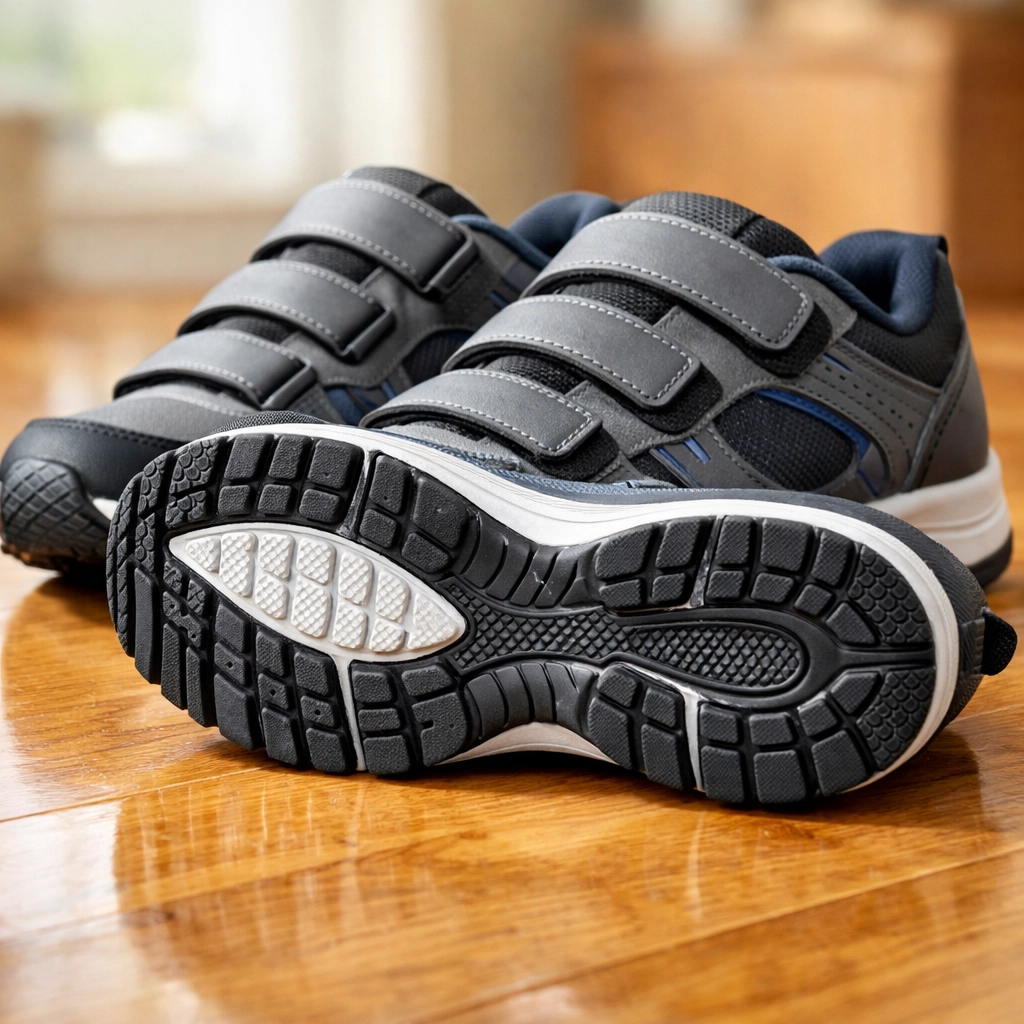
- The Fix: Wear sturdy, well-fitting shoes even inside the house. Look for shoes with non-slip soles and laces or Velcro straps that keep the shoe snug to your foot. If you prefer socks, ensure they have "grippy" rubber bottoms.
Health Checks
- Vision and Hearing: Your eyes and ears are your primary balance sensors. Regular check-ups ensure your prescriptions are up to date and that any ear issues (like wax buildup or infections) aren't making you dizzy.
- Medication Management: Some medications can cause dizziness or drowsiness as a side effect. Talk to your pharmacist or doctor about your medications and how they might affect your balance.
Step 6: Assistive Devices and Modifications
There is no shame in using tools to help you stay mobile. In fact, using a mobility aid is a sign of wisdom: it shows you’re taking control of your safety.
Beyond the Cane
While canes and walkers are common, there are other tools that can help within the home:
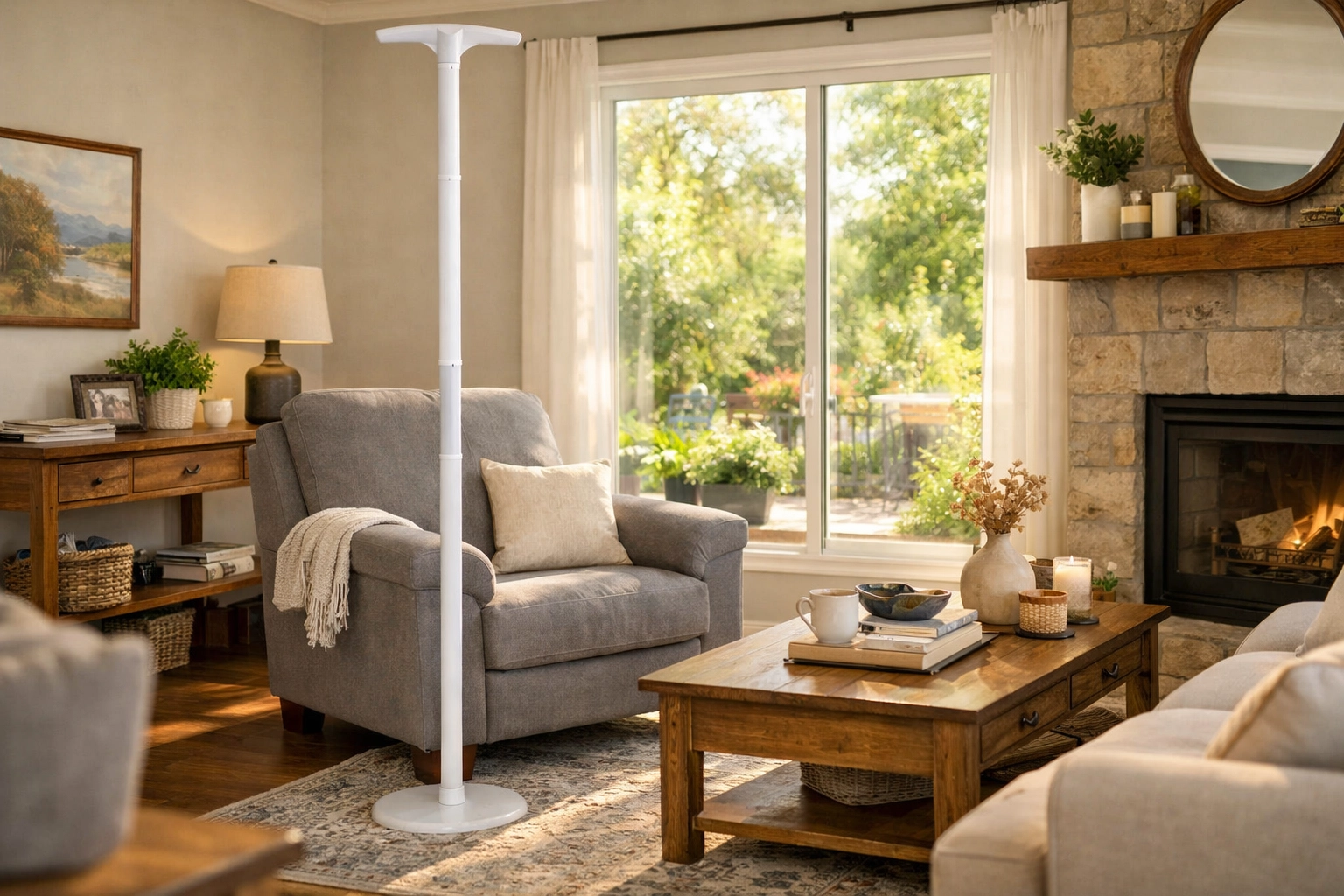
- Transfer Poles: These are floor-to-ceiling poles that can be placed almost anywhere (like next to a bed or a sofa) to provide a vertical handhold. They are excellent for people who need a little extra help moving from sitting to standing.
- Second Handrails: If your stairs only have a rail on one side, add a second one. Having both hands on a rail significantly increases stability.
- Shower Chairs: If you feel unsteady while standing in the shower, a high-quality shower chair allows you to wash safely while seated.
Creating a "Post-Fall" Plan
Even with the best preparation, accidents can happen. Part of fall prevention is knowing what to do if you do go down.
- Don't Panic: Take a few deep breaths. Rushing to get up can actually lead to a second fall or worsen an injury.
- Assess for Injury: Gently move your arms and legs. If you feel sharp pain, stay put.
- Call for Help: This is why keeping a phone or a medical alert device on you is so important.
- The "Crawl and Climb" Method: If you aren't hurt, crawl to a sturdy piece of furniture (like a heavy chair). Put your hands on the seat, bring one knee up, and use your strength to push yourself into a seated position.
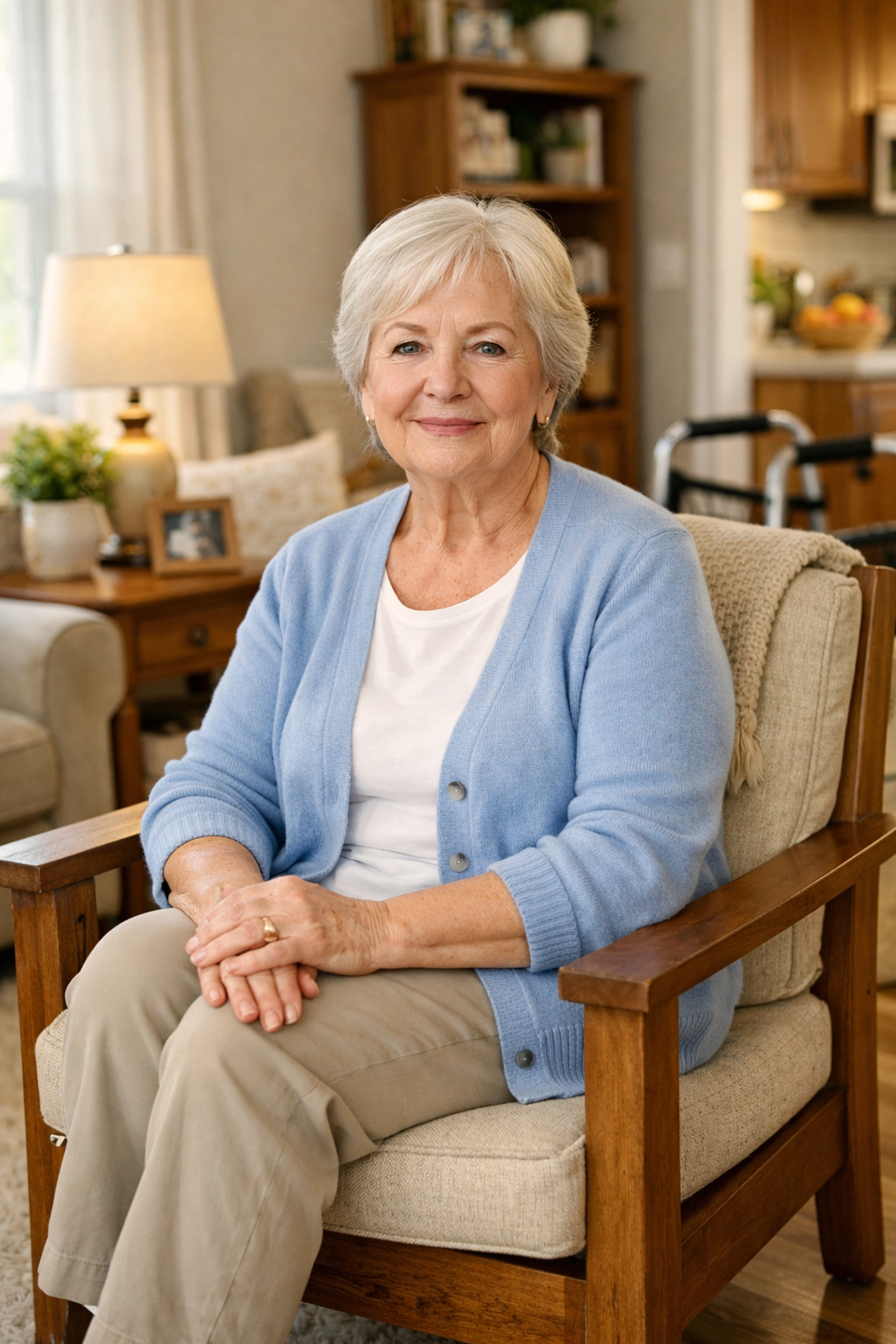
Final Thoughts: Empowerment Through Preparation
Fall prevention isn't about wrapping yourself in bubble wrap. It’s about looking at your home and your health with a proactive mindset.
When you clear that hallway, install that grab bar, or start a daily walking habit, you aren't admitting defeat to aging. You’re making a choice to stay independent, stay active, and stay in the home you love.
Take it one step at a time. Maybe today you'll swap out a dim lightbulb, and tomorrow you’ll finally move that rug out of the kitchen. These small victories add up to a safer, more confident you.
Keep moving, stay steady, and remember that we’re all in this together. If you have questions about how to make your home safer, don't hesitate to reach out to a professional or a physical therapist. Your safety is worth the effort.
Stay safe out there,
Brian Kerr
Founder, Fall Guys Products

