
When we talk about staying safe and mobile as we age, we often focus on things like exercise, home modifications, or using a walker. While those are all incredibly important, there is one critical element that literally supports everything else you do: your shoes.
Think of your footwear as the foundation of a house. If the foundation is cracked, uneven, or unstable, it doesn’t matter how well the rest of the house is built: the structure is at risk. For seniors, the right pair of shoes can be the difference between a confident walk to the mailbox and a dangerous slip.
Unfortunately, many of us are still wearing the same style or size of shoe we wore twenty years ago. Our bodies change, our gait changes, and our feet definitely change. At Fall Guys Products, we want to make sure you have the information you need to stay on your feet and feel steady.
Here are the seven most common mistakes seniors make with their footwear and, more importantly, how you can fix them today.
1. Wearing the "Size I’ve Always Worn"
One of the most common misconceptions is that our feet stop growing once we hit adulthood. While the bones may not be getting longer, your feet are almost certainly changing shape. Over decades of walking, the tendons and ligaments in your feet lose some of their elasticity. This causes the arches to flatten, which naturally makes the foot both longer and wider.
Many seniors continue to buy the same size they wore in their 40s or 50s. Wearing shoes that are too tight can lead to a host of problems beyond just simple discomfort. It can cause bunions, hammertoes, corns, and blisters. Even worse, if your toes are cramped, you lose the ability to use them for balance.
How to Fix It:
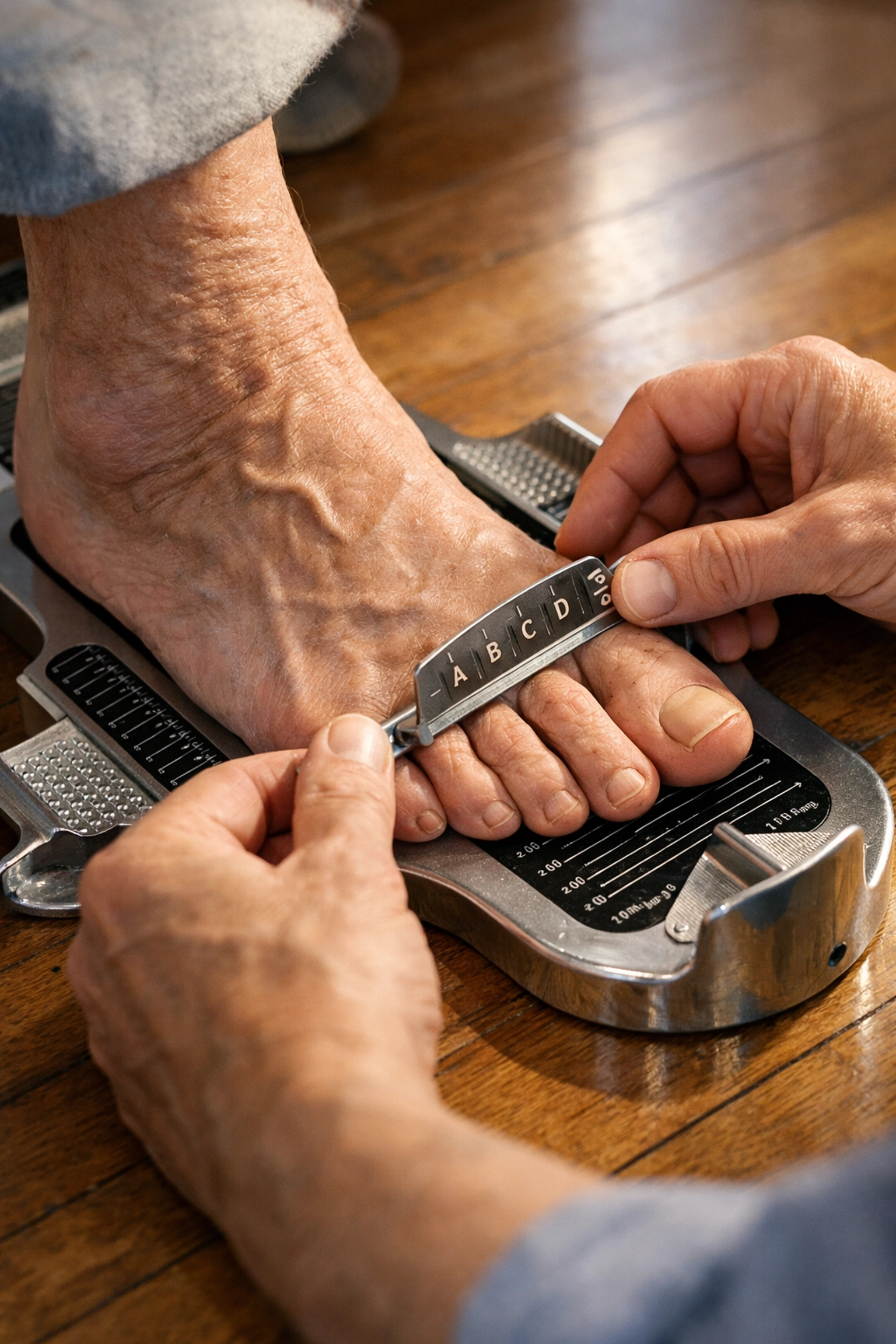
Get your feet professionally measured at least once a year. When you go to a shoe store, don't just ask for your usual size. Use the Brannock device (that metal sliding tool) to measure both length and width. Always measure while standing up, as your weight spreads your foot out. Most importantly, remember that different brands have different sizing standards. A "10" in one brand might be a "9.5" in another. Always go by feel, not the number on the box.
2. Prioritizing Fashion Over Function
We all want to look our best, and there is a lingering stigma that "senior shoes" are bulky, clunky, and unattractive. Because of this, many people continue to wear shoes that look great but offer zero support or safety.
This often manifests in wearing narrow, pointed-toe shoes or dress shoes with smooth, leather soles. Pointed toes squeeze the front of the foot, which can throw off your center of gravity. Smooth soles offer no traction on tiled or wooden floors, making them a recipe for a slip.
How to Fix It:
The good news is that footwear technology has come a long way. Many brands now specialize in "orthopedic-adjacent" styles that look like modern sneakers or casual loafers but include safety features. Look for a wide "toe box": the front part of the shoe: where your toes can wiggle freely. If you must wear dress shoes for an event, look for those with rubberized soles or apply non-slip adhesive pads to the bottom of the shoes before you head out.
3. Holding Onto "Old Faithfuls" for Too Long
We all have that one pair of shoes that is perfectly broken in. They feel like slippers, and we’ve had them for years. However, in the world of senior safety, a "broken-in" shoe is often a "worn-out" shoe.
Shoes have a shelf life. The foam and cushioning inside the sole (the midsole) eventually compress and lose their ability to absorb shock. Once that happens, the impact of every step travels directly up into your ankles, knees, and hips. Furthermore, the tread on the bottom wears down over time, just like the tires on a car. If the bottom of your shoe is smooth, you've lost your grip on the world.
How to Fix It:
Inspect your shoes monthly. Look at the heels: are they worn down on one side? If so, they are actually tilting your ankle every time you step. Check the tread for bald spots. A good rule of thumb for daily-wear walking shoes is to replace them every 6 to 12 months, or every 300 to 500 miles. If you notice new aches in your knees or back, it might be time for a new pair of shoes rather than a trip to the pharmacy.
4. The "Slipper Trap" at Home
Statistics show that a significant portion of falls happen inside the home, and many of those occur while wearing slippers or going barefoot. While it's tempting to kick off your shoes the moment you walk through the front door, "house shoes" are often the most dangerous things we wear.
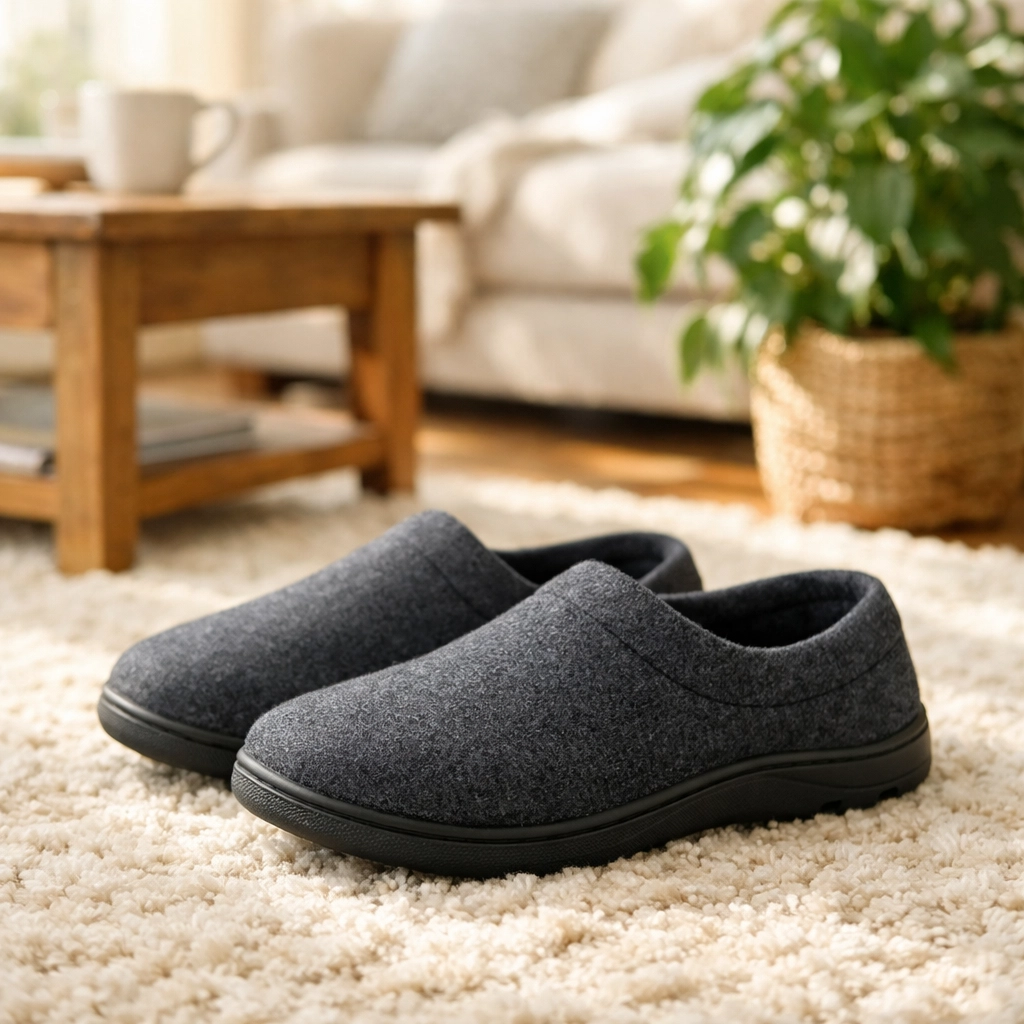
Most standard slippers are "backless" (mules), meaning your heel isn't secured. To keep them on, you have to slightly "scrunch" your toes or change your gait, which leads to instability. Additionally, many slippers are flimsy and offer no arch support, leading to foot fatigue.
How to Fix It:
Switch to a "supportive house shoe" rather than a flimsy slipper. Look for something with a firm sole and, most importantly, a back. Your heel should be locked into the shoe so it doesn't slide around. If you prefer the ease of a slip-on, look for styles with a low "lip" at the heel to keep your foot in place. Having a dedicated pair of clean, supportive shoes that you only wear indoors can keep your floors clean while keeping your balance secure.
5. Neglecting Arch Support
As we mentioned earlier, arches tend to flatten as we age. When the arch collapses, the foot rolls inward: a process called overpronation. This doesn't just hurt the foot; it misaligns the entire leg. This misalignment can lead to chronic pain in the plantar fascia (the bottom of the foot), as well as the shins and lower back.
Many "fashionable" shoes or cheap sneakers are completely flat inside. Walking on a flat surface with flat shoes is a fast track to foot exhaustion and balance issues.
How to Fix It:
Look for shoes with "contoured footbeds." When you put the shoe on, you should feel a gentle lift in the middle of your foot. If you find a pair of shoes you love that lacks support, you can often fix the problem with high-quality over-the-counter insoles. If you have significant foot pain, seeing a podiatrist for custom orthotics can be a life-changing investment in your mobility.
6. Buying Shoes at the Wrong Time of Day
Believe it or not, there is a "right" time to go shoe shopping. Most people head to the store first thing in the morning when they have the most energy. However, this is when your feet are at their smallest.
As you walk, stand, and move throughout the day, gravity causes fluid to pool slightly in your lower extremities. By the late afternoon, your feet can be significantly larger than they were at breakfast. If you buy shoes at 9:00 AM, they may feel painfully tight by 5:00 PM.
How to Fix It:
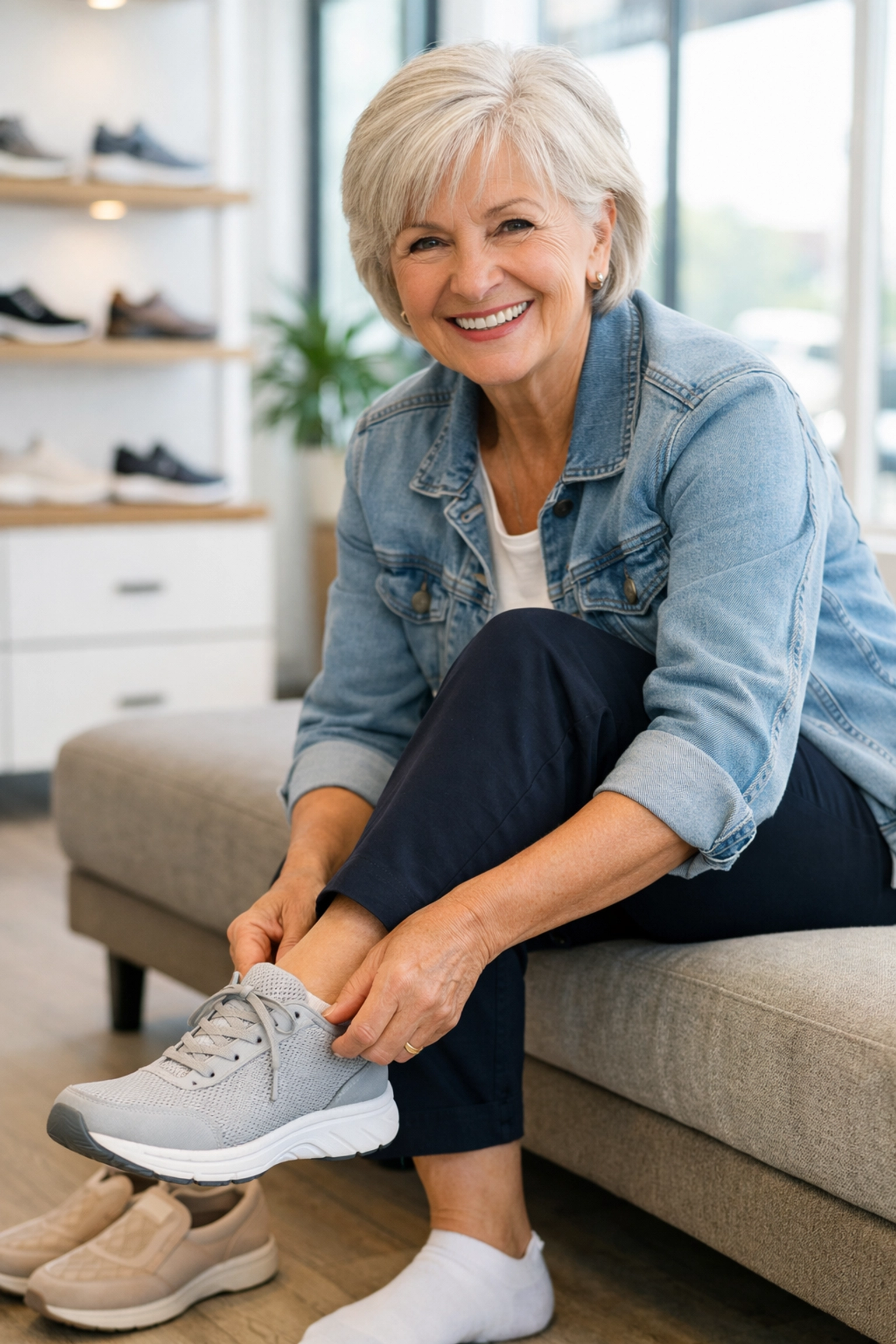
Always go shoe shopping in the late afternoon or evening. This ensures that the shoes will fit comfortably even when your feet are at their most swollen. Also, be sure to wear the same type of socks you plan to wear with the shoes. Trying on a winter walking shoe while wearing thin nylon dress socks will give you a false sense of how the shoe actually fits.
7. Choosing High Heels or "Heavy" Platforms
Balance is a delicate dance between your inner ear, your vision, and the sensory nerves in your feet. When you wear high heels: even a modest two-inch heel: you are shifting your entire center of gravity forward. This puts immense pressure on the balls of your feet and forces your lower back to arch unnaturally.
Similarly, very thick "platform" soles can be problematic. While they offer cushioning, they disconnect you from the ground. If you can’t "feel" the surface you are walking on, your brain has a harder time adjusting your balance to compensate for cracks in the sidewalk or changes in terrain.
How to Fix It:
Aim for a "neutral" heel. A slight lift (about an inch) is actually often more comfortable for seniors than a completely flat shoe, as it takes some pressure off the Achilles tendon. Avoid anything that significantly alters your height or shifts your weight to your toes. You want a sole that is thick enough to protect you from the hard ground but flexible enough to allow your foot to move naturally through its full range of motion.
Summary of the "Safe Shoe" Checklist
When you're out looking for your next pair of shoes, keep this simple checklist in mind:
- Firm Heel Counter: Squeeze the back of the shoe; it shouldn't collapse easily. A firm back supports the heel.
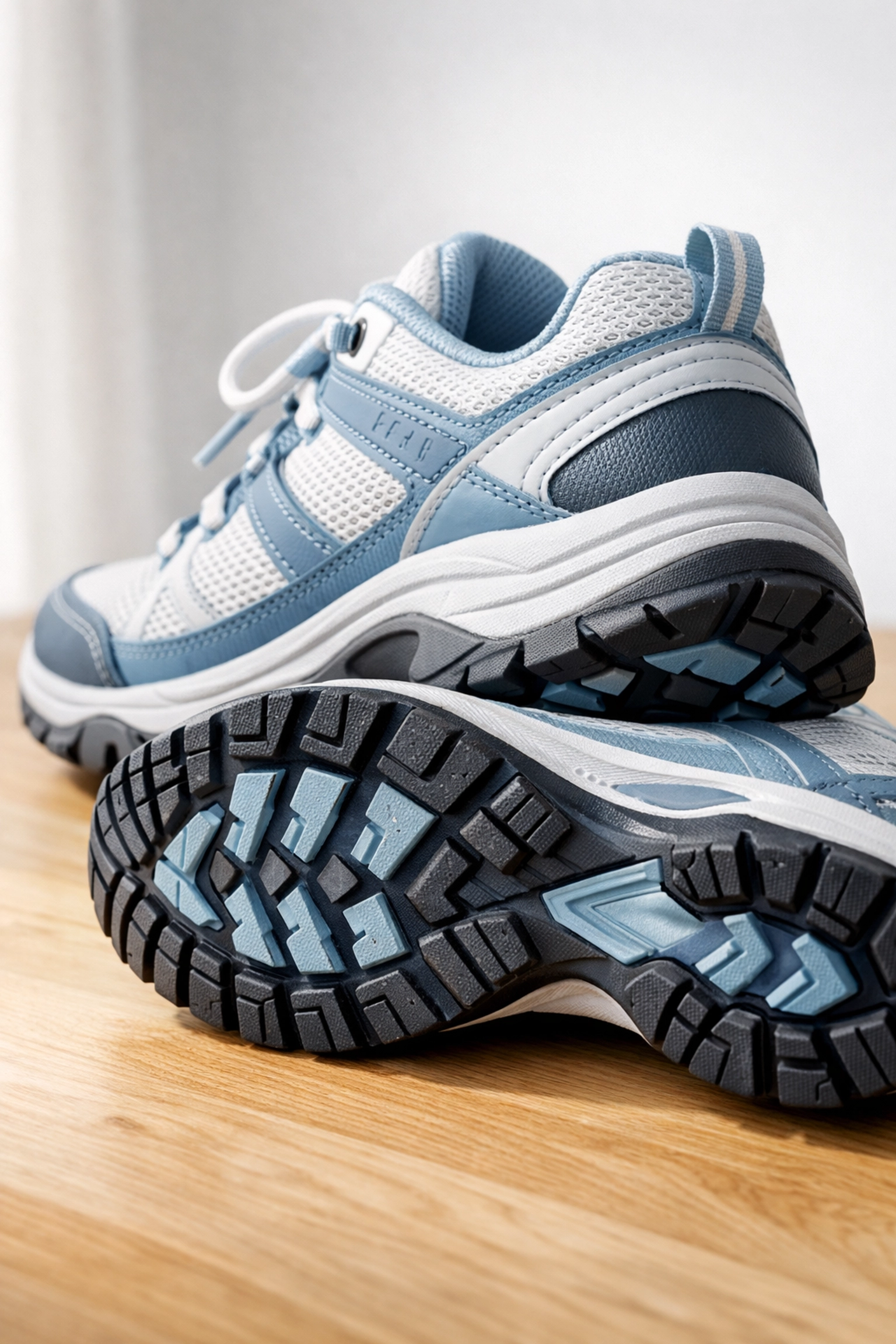
- Slip-Resistant Sole: Look for rubber soles with a textured pattern for better grip.
- Adjustable Closure: Laces or high-quality Velcro straps allow you to adjust the fit if your feet swell during the day.
- Wide Toe Box: Your toes should not be touching the front or sides of the shoe.
- Removable Insole: This allows you to swap in your own arch supports if needed.
Moving Forward with Confidence
Choosing the right footwear isn't just about comfort: it's about independence. When your feet feel good and your step is steady, you're more likely to stay active, social, and engaged with the world.
Don't be afraid to ask for help at the shoe store. A good salesperson should be happy to help you find a shoe that meets these safety criteria. If you have persistent foot pain, don't just "tough it out." Consult a podiatrist or a physical therapist. Often, a simple change in footwear can resolve issues that you might have thought were just an inevitable part of getting older.
At Fall Guys Products, we believe that safety starts from the ground up. Take a look at your closet today: maybe it’s time to retire those "Old Faithfuls" and give your feet the support they truly deserve. Stay safe, stay steady, and keep moving!

